

We may earn a commission when you buy through links on this page, at no extra cost to you. Learn more.
What does champagne taste like? It tastes dry, crisp and lively, with high acidity and flavors of citrus, green or yellow apple, toasted bread and cream. Its bubbles give it a fine, creamy texture, and the exact profile shifts with the grapes used and how long the wine has aged on its lees. Champagne is a sparkling wine from the Champagne region of France, and its taste is one of the most recognizable in the wine world.
People often ask what champagne tastes like before they buy a bottle, especially if they usually drink still white wine or prosecco. This guide explains the main flavors, how the grapes and aging change the taste, and what to expect from different styles so you can choose a bottle you will enjoy.
The core flavor profile
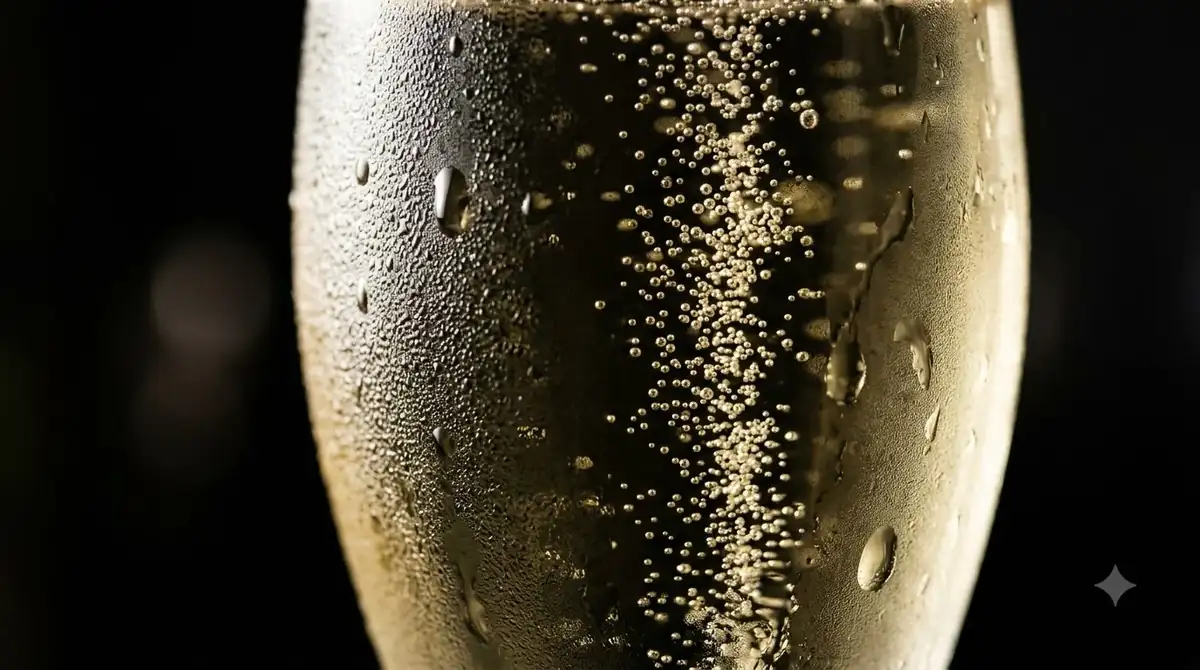
Most champagne starts with a bright, clean attack on the palate. Acidity is the defining feature, and it makes the wine feel fresh rather than heavy. The main flavors usually include lemon and grapefruit, along with green apple and pear in younger bottles. As the wine ages, notes of toast, brioche, almond and cream develop, adding depth and a rounder finish.
The bubbles matter as much as the flavor. Fine, persistent bubbles carry the aromas up toward the nose and give the wine a mouthfeel that some drinkers describe as creamy, even though it has no oak sweetness. The Wine Folly champagne guide lists citrus, yellow apple, cream, almond and toast as its primary flavors and describes the wine as dry, light-bodied and high in acidity.
Sweetness is the other big variable. Producers add a small dose of sugar, called dosage, after the bottle has been disgorged to remove the spent yeast. The label tells you the sweetness level. Brut nature and extra brut are very dry and sharp, brut is the most common and still dry, extra dry is slightly sweeter despite its name, and demi-sec is clearly sweet with ripe fruit and honey notes. When you first taste champagne and feel that the wine tastes sharper than expected, check the label for the sugar level, because it changes how every other flavor reads.
How the grapes shape the taste
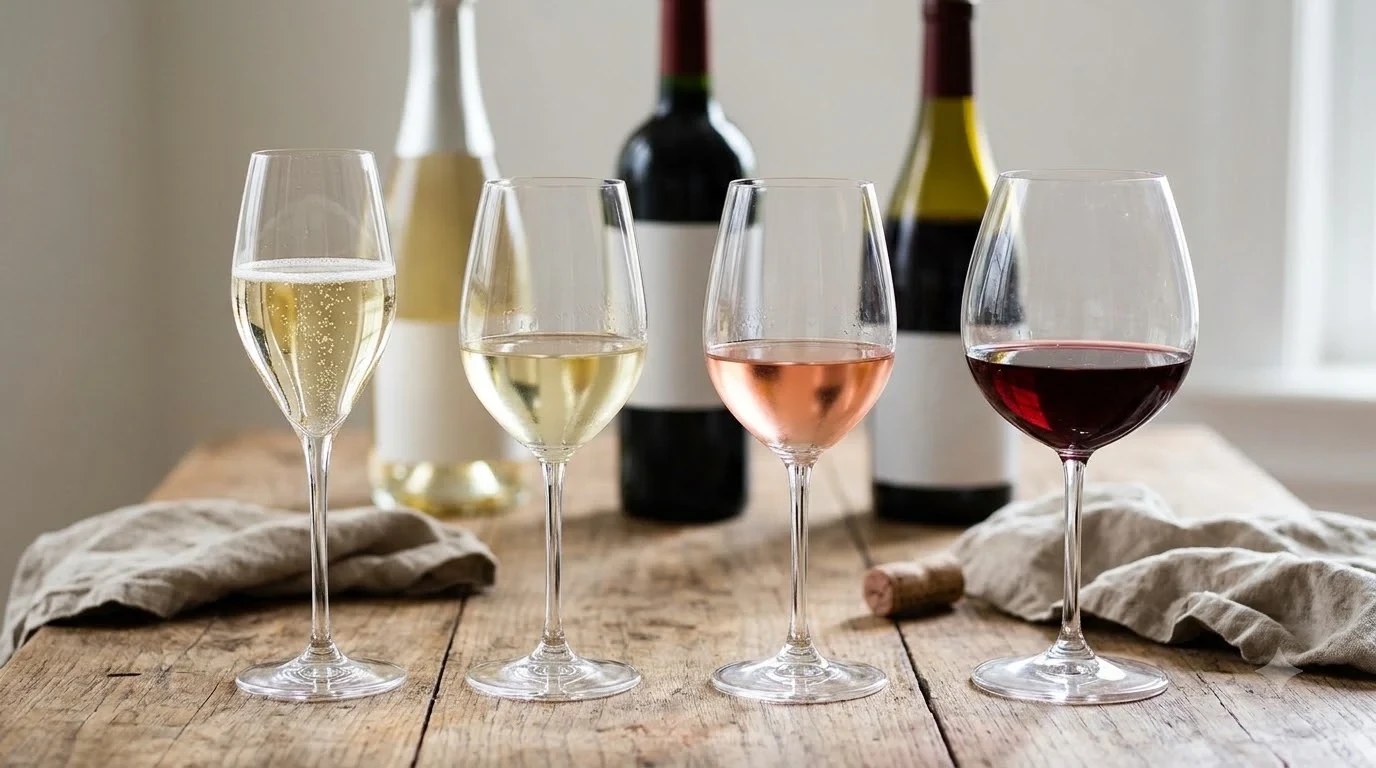
Champagne is made from three grapes: Chardonnay, Pinot Noir and Pinot Meunier. Chardonnay contributes citrus, floral and mineral notes and a lighter, more delicate feel. Pinot Noir and Pinot Meunier add structure, body and red-fruit or stone-fruit notes, especially when the juice is kept in contact with the skins for a short time, which gives some champagnes a pale pink tint.
Because each house blends these grapes differently, two bottles labeled as champagne can taste quite unlike each other. A blend heavy in Chardonnay usually reads lighter and more citrusy, while one with more Pinot Noir feels fuller and rounder on the palate.
| Style | What you will taste |
|---|---|
| Non-vintage brut | Crisp apple, lemon and light biscuit; the house style |
| Vintage champagne | Richer, more layered, with toast and nut notes from a single good year |
| Blanc de blancs | All Chardonnay; lean, citrusy and mineral |
| Blanc de noirs | Made from Pinot Noir and/or Pinot Meunier; fuller, with red-fruit and body |
| Rosé champagne | Red-fruit flavors such as strawberry and raspberry, with a pale pink color |
Tip: If you want the classic taste, choose a brut or extra brut bottle. If you prefer a softer, fruitier glass, look for a rosé or a bottle labeled demi-sec.
How aging changes the taste
Champagne is aged on its lees, the spent yeast left from the second fermentation inside the bottle. This contact gives the wine its toasty, bready character. Non-vintage champagne is typically aged for a minimum period set by the appellation rules, and the most treasured bottles are often kept much longer. Longer aging tends to bring more complexity, nutty and honeyed notes, and a fine, lingering texture.
Younger champagne tastes brighter and more fruit-forward. If you enjoy freshness above all, a recently released bottle is a good starting point. If you enjoy richness and savory notes, a bottle with more time on the lees will reward you. Neither style is more correct than the other; it depends on what you like.
When you taste a glass side by side with a second bottle, try to notice three things: how quickly the acidity arrives, whether the bubbles feel fine or coarse, and how long the flavor lingers after you swallow. A lively, long finish usually signals a good balance between fruit and acidity, while a short, flat finish can mean the wine was served too warm or has been open for too long.
How to serve champagne so you taste it properly
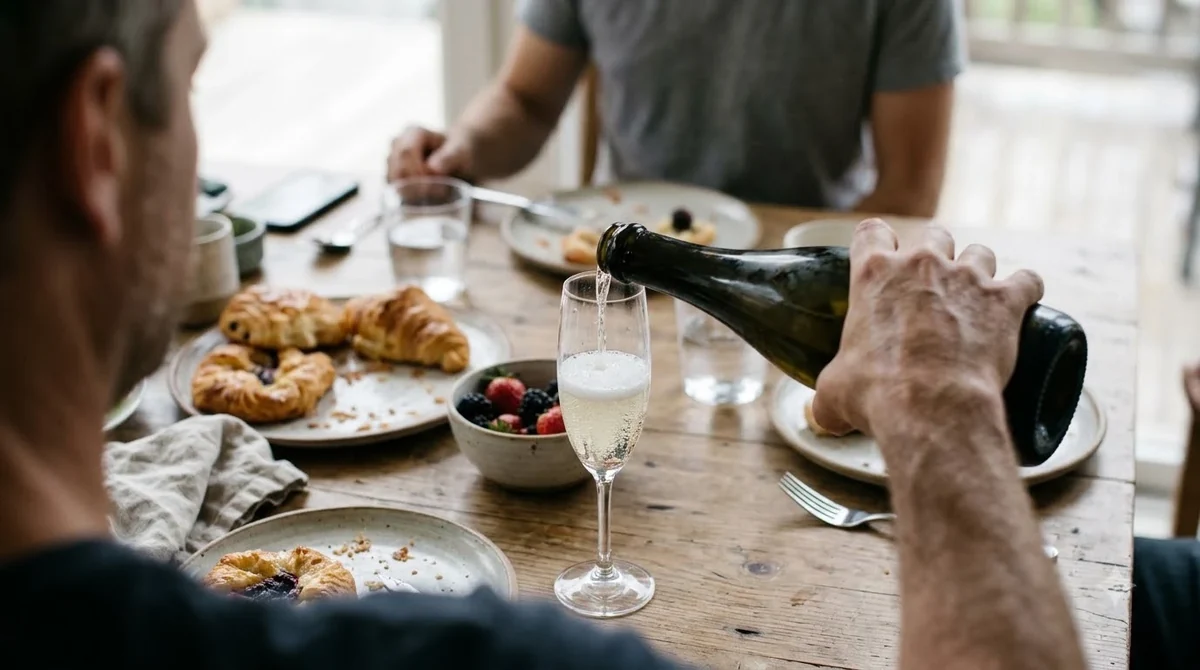
Serve champagne well chilled, around 38 to 45 °F (3 to 7 °C), which is cooler than most white wines. At that temperature the acidity feels sharp and clean, and the bubbles stay lively. Warmer glasses let the flavors open up but can make the wine taste flat or heavy, so keep the bottle in the refrigerator until you pour.
The glass also matters. A flute keeps the bubbles lasting longer and shows the stream of bubbles clearly, while a wider white wine glass lets the aromas develop more fully. Many tasters find a standard tulip-shaped glass the best compromise for judging the flavor. Pour gently, tilting the glass to reduce foam.
What to pair with champagne
Champagne is one of the most food-friendly wines. Its acidity cuts through rich and fried foods, and its bubbles refresh the palate between bites. Try it with oysters and other shellfish, fried chicken, salty snacks, sushi and soft cheeses such as brie. Fuller, aged bottles also work with roast chicken, mushroom dishes and creamy pasta.
Because the taste is so versatile, champagne suits both celebrations and everyday meals. A dry brut is often the easiest choice with a mixed menu, while a sweeter bottle is better saved for dessert or fruit-based sweets.
Think about the dish before the bottle. Salty and fatty foods tend to make a dry champagne taste brighter and cleaner, while spicy food can make the fruit seem more prominent. Matching weight matters too: a light, citrusy blanc de blancs suits delicate seafood, and a fuller blanc de noirs can stand up to roast poultry or a buttery sauce without being overwhelmed.
Frequently Asked Questions
Is champagne sweet or dry?
Most champagne is dry. Brut is the most common style and has very little residual sugar. Sweeter styles such as demi-sec exist, but they are less common and taste noticeably fruitier and softer.
Does champagne taste like prosecco?
They share the same crisp, bubbly structure, but champagne usually tastes more toasty and complex because of longer aging on the lees. Prosecco tends to be lighter, more floral and fruit-driven, with a softer, less yeasty character.
Is pink champagne sweeter than white?
Not necessarily. Rosé champagne is often dry, and its taste leans toward strawberry, raspberry and red-berry flavors rather than sweetness. Check the sugar level on the label if you prefer a softer glass.
Why does champagne taste like bread?
The toasty, bready notes come from aging the wine on its lees after the second fermentation in the bottle. The longer the wine rests, the more pronounced these brioche and toast flavors become.
Champagne tastes like fresh citrus, crisp fruit and toasted richness at once, and the balance depends on the bottle you choose. If you are curious about similar wines, our guides on what vermouth tastes like and what honey wine tastes like show how other styles compare. For more categories, visit Wine by Type.
More in Wine Types & Grapes
 Zinfandel Sugar Content: Dry Red vs. White Zinfandel GramsUpdated Nov 21, 2026
 Best Zinfandel Substitute Options for Sipping and CookingUpdated Nov 21, 2026
 Zweigelt Food Pairing: Best Dishes, Cheeses, and Serving TipsUpdated Nov 21, 2026
 Zinfandel Tannins Explained: How Structure Shapes Every BottleUpdated Nov 21, 2026
 Zinfandel Sweetness Level: Dry Red vs. Sweet White Zin ExplainedUpdated Nov 21, 2026
 Xinomavro Food Pairing: Best Dishes, Styles, and Serving TipsUpdated Nov 21, 2026