

We may earn a commission when you buy through links on this page, at no extra cost to you. Learn more.
What is eiswein? Eiswein is a sweet German dessert wine made from grapes that were frozen on the vine before they were picked and pressed. The water inside the grapes freezes while the sugars and other dissolved solids stay liquid, so pressing yields only a small amount of very concentrated juice. The name is German for “ice wine,” and the same style is made in Canada, parts of Europe, and a few northern American regions.
If you have seen a small, golden bottle labeled ice wine on a restaurant list and wondered what makes it so different from a regular white, the answer starts in the vineyard. Eiswein is not a flavored or fortified wine. It is a late-harvest style where the weather does most of the work, and the result is a wine that is rich, sweet, and bright at the same time.
How eiswein is made
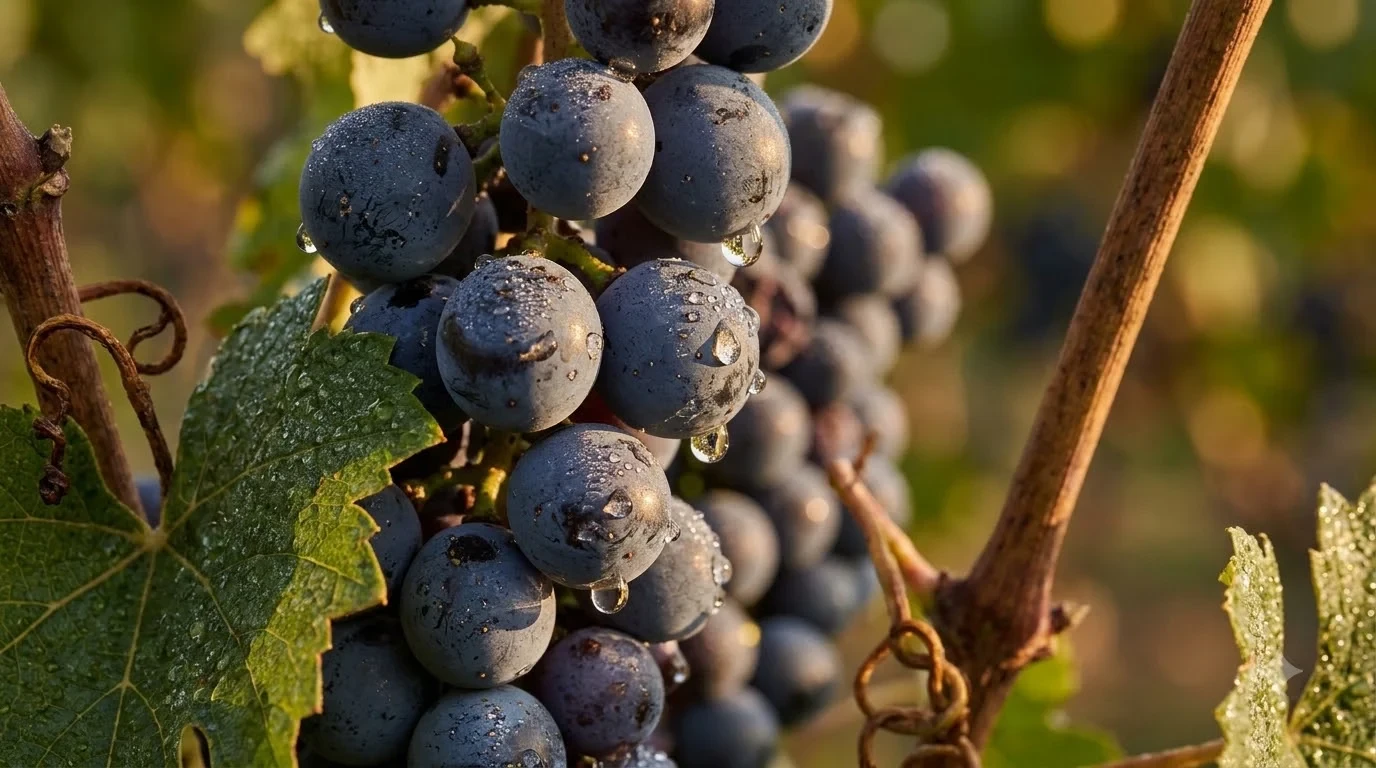
Eiswein starts with healthy grapes left hanging on the vine well past the normal harvest. Growers wait for a hard freeze, because the grapes must be cold enough for their water to turn to ice. The frozen clusters are then picked, often in the early morning when the cold is most reliable, and taken to the press while they are still frozen.
In the press, the ice stays behind and the sugars and acids come out in a thick, syrupy juice. Because so little juice is recovered from each cluster, eiswein is labor-intensive and yields are small. That scarcity is a big part of why the wine is priced higher than most dessert wines and why it is usually sold in small bottles.
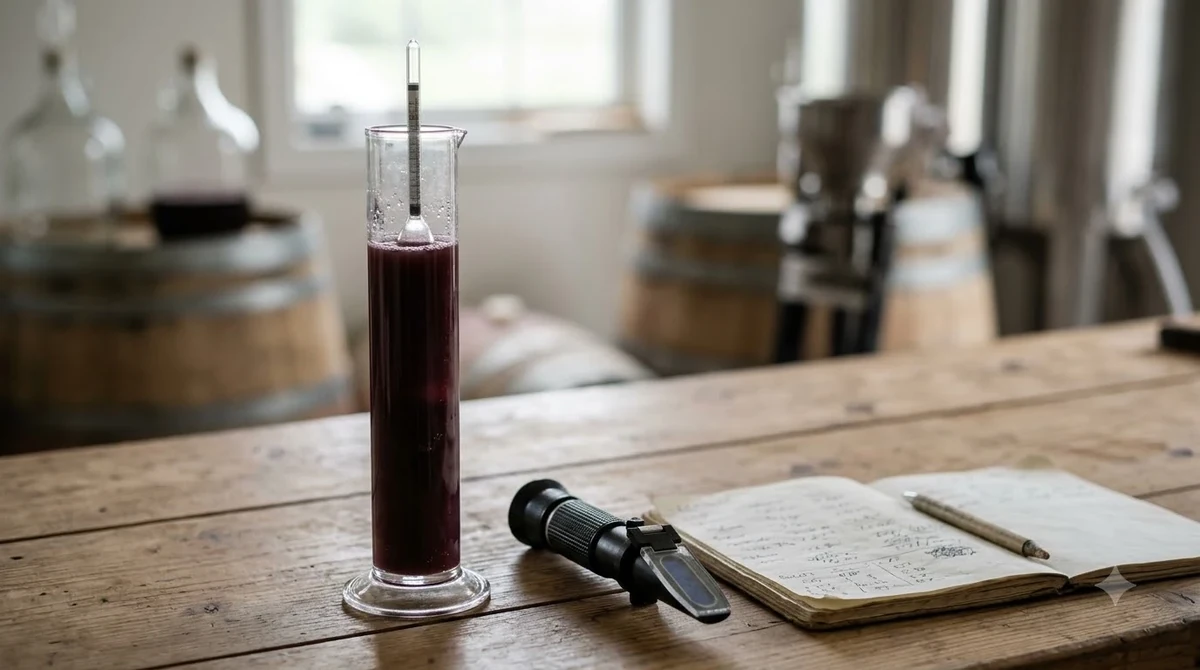
After pressing, the juice ferments slowly. Many producers stop fermentation before all the sugar is turned into alcohol, which keeps the finished wine sweet. Because the grapes were concentrated before pressing, the wine tends to have high natural acidity, and that acidity is what stops the sweetness from feeling heavy.
Flavor and what to expect in the glass
Eiswein is usually made from aromatic white grapes, so the flavors lean toward ripe fruit and floral notes. Tasting descriptions often mention apricot, honey, peach, and citrus peel, with a long finish. Riesling is the classic base in Germany, while Vidal is common in Canada. Some producers also use Cabernet Franc, and a few make a red version from grapes such as Cabernet Sauvignon or Merlot.
The sweetness is the first thing most people notice, but the acidity matters just as much. A good eiswein should taste rich without tasting syrupy. If you already enjoy a sweet white, you will probably like eiswein, but it is far more concentrated than a late-harvest wine, so a small pour goes a long way.
Where eiswein is made
Germany is the traditional home of the style, and the name is still used there with strict legal rules. Canada is now the largest producer. Reference material on ice wine notes that around 90 percent of Canadian ice wine comes from Ontario, and the country’s cold winters make the freeze dependable in most years.
Eiswein is also produced in several other European countries, in Japan, including the Furano area of Hokkaido, and in parts of the United States, such as northern Michigan. Each region’s winters are different, so a vintage can be a near miss in one place and a strong year in another. That uneven supply is another reason bottles can be hard to find.
Because the weather decides the outcome, eiswein is a gamble for producers. A mild winter can mean no eiswein at all, and growers who attempt it often leave part of the crop hanging in case the cold arrives late. For a buyer, that means a vintage year tells you as much about the season as about the winemaker’s choices.
Germany’s rules for eiswein
In Germany, eiswein belongs to the Prädikatswein quality category. Grapes must be picked when the temperature is at or below minus 7 degrees Celsius, which is 19 degrees Fahrenheit, and the juice must reach a minimum sugar level that depends on region and grape variety. German wine law also bans post-harvest freezing, so a wine made from grapes frozen in a freezer cannot be labeled or sold as eiswein.
Canada has a slightly stricter harvest temperature, at minus 8 degrees Celsius, which is 18 degrees Fahrenheit. Those rules are a good reminder that the label is about a specific production method. When you see eiswein or ice wine on a bottle, the wine should have been picked from naturally frozen fruit, not chilled after harvest.
How to serve and pair eiswein
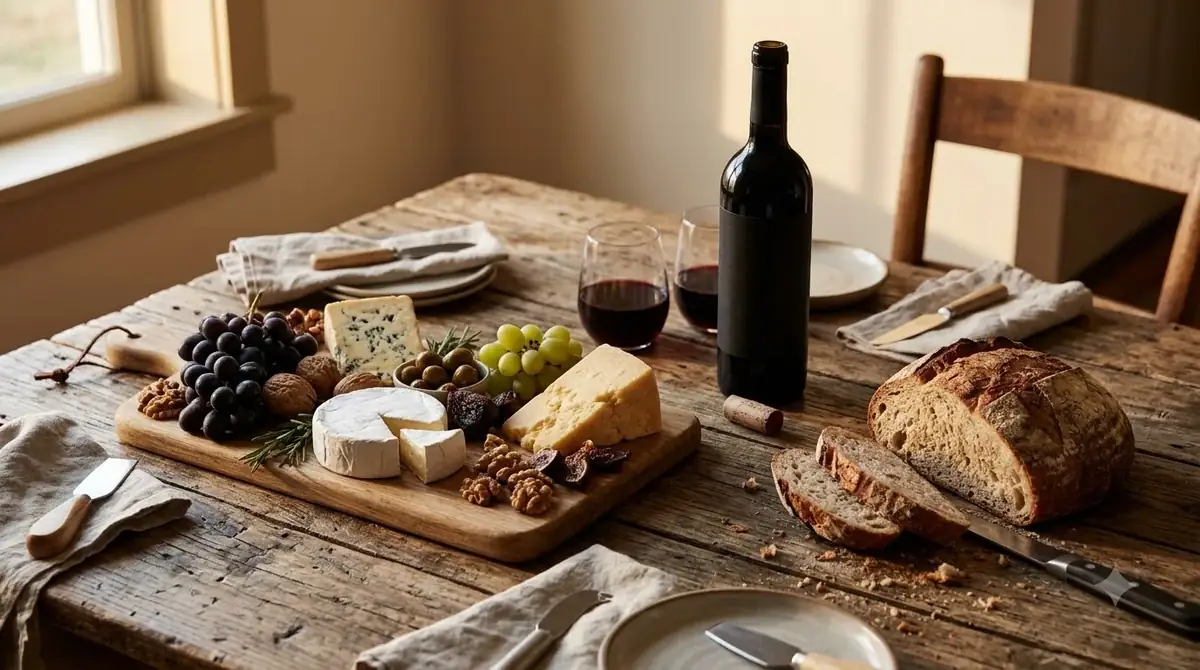
Serve eiswein well chilled, but not ice cold, so the aromas stay open. A small, tulip-shaped glass helps concentrate the scent. Because the bottles are small and the wine is rich, most people pour a small measure and sip slowly.
Eiswein works well with desserts that are not too sweet. Fruit tarts, crème brûlée, and aged cheeses such as blue cheese are classic matches, because the wine’s acidity cuts through richness. It can also be served alone after dinner in place of a heavier dessert. For a broader look at how sweet and dry styles compare, the wine by type guide lays out the main categories.
Tip: Keep an opened bottle sealed and refrigerated. Eiswein holds its character for a few days, which makes it easier to enjoy a glass over a week rather than finishing the bottle in one sitting.
How eiswein compares with other white wines
Eiswein is often mistaken for other sweet whites, but its sweetness comes from concentration rather than from residual sugar added after fermentation. A dry white, such as a wine made from the assyrtiko grape, is fermented until little sugar remains, while eiswein is thick and honeyed. The two styles are almost opposites, which makes them useful for comparing how the same grape can change with climate and harvest timing.
| Style | How it is made | Typical taste |
|---|---|---|
| Eiswein (ice wine) | Grapes frozen on the vine, pressed while frozen | Very sweet, concentrated, high acidity |
| Late-harvest wine | Grapes left on the vine to ripen and shrivel | Sweet, rich, usually less intense |
| Dry white | Fermented until most sugar is gone | Crisp, dry, often citrus or mineral |
Sugar content also affects the calorie count, which many readers ask about. If you are comparing sweet and dry options for your diet, the guide to calories in white wine explains how residual sugar changes the numbers.
Frequently Asked Questions
Is eiswein the same as ice wine?
Yes, in most contexts. Eiswein is the German name, and ice wine is the common English term. Both describe a sweet wine made from grapes that were frozen on the vine and pressed while frozen.
Why is eiswein so expensive?
The grapes must stay on the vine into winter, many are lost to birds or rot, and each cluster yields only a small amount of juice. Those limits make production slow and costly, which is reflected in the price per bottle.
Does eiswein need to be served cold?
It should be chilled, but not as cold as a sparkling wine. A gentle chill lets the honey and fruit aromas come through, while a very cold serve can mute them.
How long does an opened bottle of eiswein last?
Recork it tightly and keep it in the refrigerator. Most people finish an opened bottle within a few days, since the flavor is most vivid early on.
Eiswein is a small-batch dessert wine with a clear story: cold weather, careful timing, and a press that yields only a little juice. If you want to explore more styles, start with the basics on wine by type, then taste eiswein alongside a dry white to see how far one grape can stretch. For background on the German tradition and its harvest rules, the Wikipedia entry on eiswein gives a useful overview.
More in Wine Types & Grapes
 Zinfandel Sugar Content: Dry Red vs. White Zinfandel GramsUpdated Nov 21, 2026
 Best Zinfandel Substitute Options for Sipping and CookingUpdated Nov 21, 2026
 Zweigelt Food Pairing: Best Dishes, Cheeses, and Serving TipsUpdated Nov 21, 2026
 Zinfandel Tannins Explained: How Structure Shapes Every BottleUpdated Nov 21, 2026
 Zinfandel Sweetness Level: Dry Red vs. Sweet White Zin ExplainedUpdated Nov 21, 2026
 Xinomavro Food Pairing: Best Dishes, Styles, and Serving TipsUpdated Nov 21, 2026