

We may earn a commission when you buy through links on this page, at no extra cost to you. Learn more.
For anyone asking “what is red blend,” the answer is a red wine made by combining two or more grape varieties. There is no single required recipe: a bottle might pair Cabernet Sauvignon with Merlot, combine Grenache, Syrah, and Mourvèdre, or use a producer’s own mix of grapes. The name describes a broad category, not one fixed flavor, sweetness level, or region.
A red blend can be an easygoing, fruit-forward wine or a structured bottle built for a long meal. Understanding the grapes, the region behind the wine, and the producer’s choices makes the label much more useful than the words “red blend” alone.
What the Term Red Blend Means
A red blend is wine made from more than one grape variety, with the grapes combined to create a finished wine. The definition does not require a particular grape, percentage, country, or taste profile, which is why two bottles carrying the same broad description can be very different.
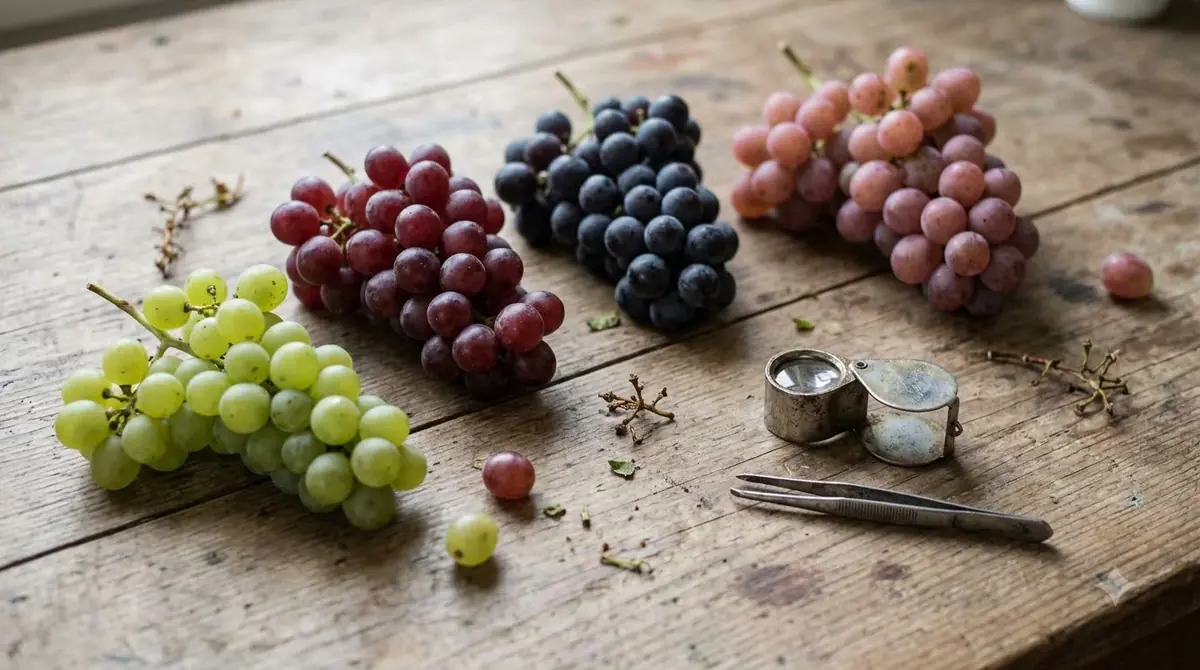
For example, one producer might combine Cabernet Sauvignon and Merlot for a firm, dark-fruited wine, while another might use Zinfandel, Syrah, and Petite Sirah for a richer, more generous style. A third might make a lighter blend led by Pinot Noir or Grenache. Each can correctly be called a red blend, even though the wines differ in body, acidity, tannin, and aroma.
The term is used around the world. In the United States, “red blend” is often printed prominently on a front label, particularly for wines made from several varieties without naming a famous regional formula. In traditional European regions, the blend may be identified by its place instead: Bordeaux and the Rhône Valley are two well-known examples. Wines from Tuscany, Rioja, and other regions can also be blends, even when the label leads with a place name rather than the words “red blend.”
A red blend is therefore a category, not a grape variety like Cabernet Sauvignon or Merlot. Narrow it down by looking for a named grape combination, a regional reference, or the producer’s description.
Why Winemakers Combine Different Wines
Blending lets a winemaker build balance, complexity, and consistency by combining wines with different strengths. The components may come from different grape varieties, vineyard parcels, barrels, or growing seasons, rather than from separate grape varieties alone.
Each grape contributes a different set of characteristics. Cabernet Sauvignon can bring firm tannin, color, and structure; Merlot can add softer texture and ripe fruit; Cabernet Franc may contribute aromatic lift. A blend can use these differences to make a wine feel more complete than any single component would on its own. The educational organization WSET’s explanation of wine blending describes balance, complexity, consistency, and quality as central reasons producers blend.
Blending also helps winemakers respond to the growing season. Weather can change how much fruit, acidity, tannin, or alcohol a particular vineyard lot brings to the cellar. If one batch is especially concentrated and another is more restrained, the winemaker can test different proportions to create a balanced final wine. This is especially relevant in regions where the growing season varies significantly from year to year.
Winemakers taste and adjust trial blends before choosing the final mix. A producer might compare samples with different proportions of Cabernet Sauvignon and Merlot, then repeat the process with wines from different barrels or vineyard blocks. The objective is to make the components complement one another while preserving the intended style.
Common Grapes and What They Contribute
The grape varieties in a red blend provide the clearest clues to its likely structure and flavor. Cabernet Sauvignon, Merlot, Syrah, Grenache, and Mourvèdre are frequent building blocks, but the final character depends on their proportions, growing conditions, and winemaking.
Cabernet Sauvignon is typically high in tannin, so it can give a blend firmness, a drying grip, and the structure to accompany rich foods. Merlot usually has medium tannin and a softer feel, with plum-like fruit that can round out a more forceful partner. Cabernet Franc can add freshness and aromatic detail, while Petit Verdot is often used to contribute color, intensity, and additional structure.
In Rhône-influenced blends, Grenache often supplies ripe red-fruit character and body. It is naturally less acidic than some other red grapes, so it is commonly combined with varieties that bring more structure or freshness. Syrah contributes dark-fruit flavors, peppery or savory notes, and medium-plus to high tannin. Mourvèdre is known for deep color, concentrated dark fruit, and a full-bodied impression. These grapes form the familiar GSM combination: Grenache, Syrah, and Mourvèdre.
Zinfandel can bring ripe berry fruit, Malbec dark fruit and color, and Petite Sirah dense color with assertive tannin. Pinot Noir usually has low-to-medium tannin and high acidity, making it useful in a more lifted blend. These are tendencies, not guarantees: climate, harvest decisions, fermentation, and oak treatment also shape the wine.
Bordeaux, Rhône, and Other Recognizable Styles
Regional traditions offer a helpful shortcut because they point to grape families and established approaches to blending. Bordeaux-style wines commonly draw on Cabernet Sauvignon and Merlot, while southern Rhône-style reds often use Grenache, Syrah, and Mourvèdre.
A red Bordeaux blend usually combines at least two of the region’s classic grapes: Cabernet Sauvignon, Merlot, Cabernet Franc, Petit Verdot, Carmenère, and Malbec. The exact mix varies by producer and growing conditions. Cabernet Sauvignon can provide backbone and tannin, while Merlot contributes roundness; Cabernet Franc, Petit Verdot, and the other varieties can add aromatic detail, color, or structure. Learn more about the grapes and regional approach in this guide to what is Bordeaux blend.
Rhône blends follow a different family of traditions. In the northern Rhône, Syrah is the principal red grape and may be bottled alone or used in a blend. In the southern Rhône, Grenache often leads, with Syrah and Mourvèdre among its partners. The familiar GSM shorthand means those three grapes, although other varieties may appear in regional wines. For a closer look at the grape roles, see this explanation of Rhone blend wine.
Some regional wines permit a wider mix than the basic examples suggest. The Wine Enthusiast overview of blended wines notes that Châteauneuf-du-Pape producers can draw on 13 grape varieties for red and white wines. Elsewhere, Italian and Spanish blends may be associated with local grapes and appellation rules rather than a generic front-label description. A regional name therefore tells you more than “red blend,” but it does not mean every bottle from that place tastes identical. Producers in California’s Central Coast, Washington State, and South Australia also work with Rhône varieties. Their wines may use familiar combinations, but local climates, soils, and cellar choices mean a Rhône-style wine made in California is not automatically the same as one made in France.
Flavor, Body, and Sweetness in the Glass
Red blends do not have one standard flavor or sweetness level. Some widely sold American examples are smooth, broad, dark-fruited, and relatively soft in tannin, while other blends are dry, firmly structured, savory, or high in acidity.
Fruit aromas can suggest cherries, raspberries, plums, blackberries, or blackcurrants, depending on the grapes and ripeness. Spices, herbs, pepper, earth, tobacco, and oak-related notes may also appear. A blend led by Grenache may emphasize red fruit and warmth; one dominated by Cabernet Sauvignon may feel more structured and tannic; a Zinfandel-based wine can seem especially ripe and generous. These descriptions are useful clues, not fixed rules for every bottle.
Sweetness is a separate question from body and fruit flavor. A wine can smell like ripe jammy berries and still be technically dry, because ripe fruit aromas do not necessarily mean that measurable sugar remains in the finished wine. Some commercial red blends are made with a perceptibly sweet finish, while many regional and premium blends are dry. The front label may not make that distinction obvious, so producer tasting notes or a retailer’s description can help. This guide explains the difference in more detail: is red blend sweet or dry.
Tannin and acidity also shape the experience. Cabernet Sauvignon and Syrah commonly give blends a firmer grip; Merlot can soften that impression; Pinot Noir and Grenache may contribute a different balance of fruit and acidity. Oak aging can add notes such as vanilla, toast, or baking spice, but oak is a winemaking choice, not a defining feature of every red blend. The best description is the one that accounts for the grapes and the producer’s actual style rather than assuming the category itself tells the whole story.
How to Read a Red Blend Label
A red blend label may tell you the producer, place of origin, grape names, or a proprietary wine name, but it does not always list the complete recipe. Start with the information that is present, then use the region and producer description to estimate the style.
If the label names grapes, read them as clues rather than a complete tasting forecast. Cabernet Sauvignon and Merlot point toward a Bordeaux-inspired structure, while Grenache, Syrah, and Mourvèdre suggest a GSM direction. The order of grapes may indicate prominence, but labeling practices vary, so do not assume the first grape accounts for a particular percentage unless the producer says so. Regional terms can add context: “Bordeaux-style” signals a Bordeaux grape family, while “Rhône-style” points toward northern or southern Rhône varieties. Decanter explains that “Bordeaux blend” itself is not a universal legal recipe with mandatory percentages; an actual appellation has its own rules.
In the United States, a producer may also use a proprietary name or simply label the wine “red blend.” That can reflect a custom recipe, a combination that changes with the vintage, or a style the winery wants to present consistently. The category is broad enough to include everyday table wines and bottles made with careful vineyard selection. For more background on the larger set of wine categories, browse Wine by Type.
For a practical selection, decide what you want from the bottle. If you prefer softer tannin, look for descriptions such as smooth, rounded, or plush, and consider blends featuring more Merlot or Grenache. For a firmer, more structured wine, look for Cabernet Sauvignon, Syrah, or Petit Verdot. To find brighter acidity and lighter tannin, a blend that includes Pinot Noir may be a better starting point. Producer notes are more useful than relying on the words “red blend” alone.
Serving Temperature and Food Pairings
Serve a red blend according to its body: lighter examples are generally best at 55–60°F, while full-bodied versions are better around 60–65°F. Pair the wine with foods that match its acidity, tannin, weight, and level of fruit rather than treating every red blend as the same style.
| Red wine style | Serving temperature | Useful pairing direction |
|---|---|---|
| Lighter-bodied red blend | 55–60°F | Roast chicken, mushrooms, tomato pasta |
| Full-bodied red blend | 60–65°F | Grilled beef, lamb, braised short ribs |
For a meal, match the wine’s weight to the dish. A medium-bodied Merlot-led blend can work with meatloaf, roasted pork, mushroom dishes, or tomato-based pasta. A fuller Cabernet- or Syrah-led blend is more at home beside grilled steak, lamb, barbecue, or slow-cooked beef. Tomato sauce and other acidic foods need a wine with equal or higher acidity, otherwise the food can make the wine seem flat.
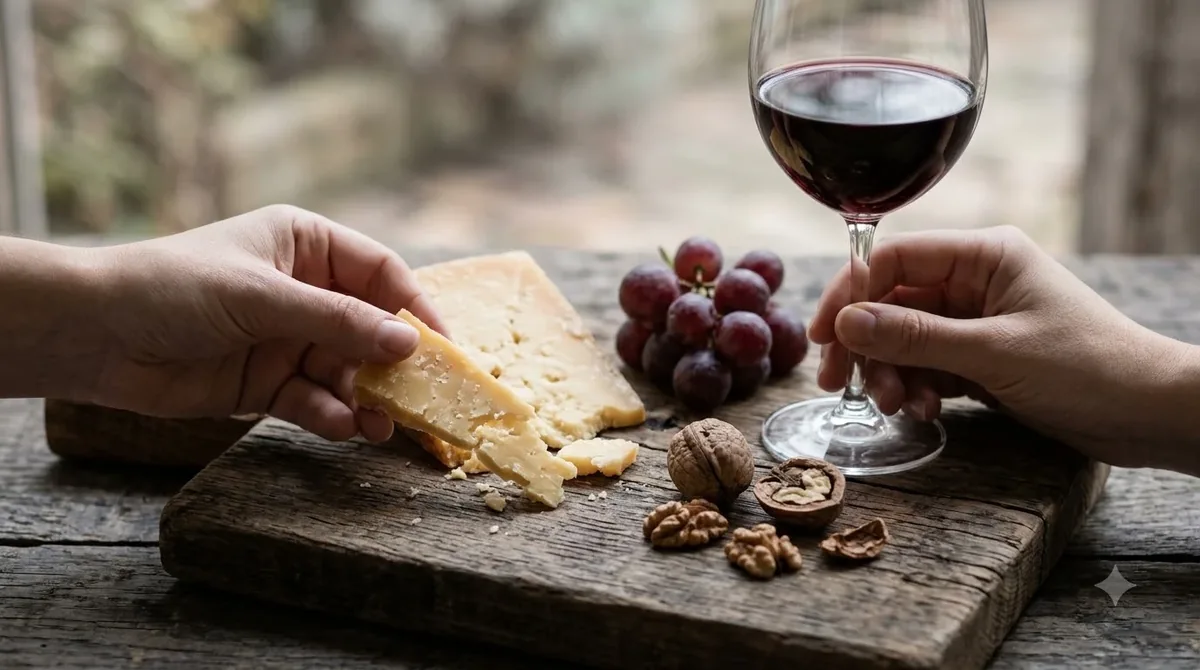
Tannin behaves differently with food. Salt and fat soften the drying sensation of tannic reds, which is why a structured Cabernet blend can pair well with a fatty cut of beef or aged hard cheese. Oily fish can clash with tannic reds, and spicy chili heat can seem stronger alongside wine with high alcohol or tannin. For dessert, choose a wine at least as sweet as the food; a dry red blend is usually better with savory dishes than sugary desserts.
Pour a standard 5-ounce glass; a 750-milliliter bottle yields about five such servings. A young, full-bodied red may benefit from 30–60 minutes in a decanter to let it open up. If the bottle is not finished, reseal it and refrigerate it; most opened still wines keep for about 3–5 days in the fridge, although aroma and flavor gradually fade.
Tip: If a red blend tastes hot or heavy, chill the bottle for 15–20 minutes before serving rather than adding ice to the glass. A modest drop in temperature can make ripe fruit, alcohol, and tannin feel more balanced.
Frequently Asked Questions
Can a red blend contain white grapes?
Yes. Some traditional wines classified as red include a small proportion of white grapes. For example, Chianti DOCG is based on Sangiovese and can include up to 10% Malvasia and Trebbiano, according to Wine Enthusiast.
Does the word cuvée mean red blend?
Not necessarily. “Cuvée” has no single regulated definition and can refer to wine assembled from different grapes, vineyards, or vintages. The word alone does not tell you whether a bottle is red, white, sparkling, or sweet.
What is a field blend?
A field blend is made from different grape varieties planted together in the same vineyard and harvested and fermented together. That differs from the more common approach of fermenting separate grape lots and combining the resulting wines later.
Is Meritage the same as any red blend?
No. Meritage is a trademarked term used by qualifying American wineries for wines based on Bordeaux grape varieties. Decanter notes that a red Meritage must combine at least two permitted red varieties and no single variety can make up more than 90% of the finished wine.
Can a wine labeled Cabernet Sauvignon still be a blend?
Yes. Under the California labeling rule described by VinePair, a wine labeled with a single grape variety can contain up to 25% other grapes. A bottle labeled Cabernet Sauvignon can therefore contain Merlot or another variety and still use Cabernet Sauvignon as its varietal name.
Red blend is a broad label, not a promise of one particular taste. Look at the grapes, region, and producer notes to find the balance of fruit, tannin, acidity, and body that suits your table. With those clues, the category becomes much easier to explore one bottle at a time.
More in Wine Types & Grapes
 Zinfandel Sugar Content: Dry Red vs. White Zinfandel GramsUpdated Nov 21, 2026
 Best Zinfandel Substitute Options for Sipping and CookingUpdated Nov 21, 2026
 Zweigelt Food Pairing: Best Dishes, Cheeses, and Serving TipsUpdated Nov 21, 2026
 Zinfandel Tannins Explained: How Structure Shapes Every BottleUpdated Nov 21, 2026
 Zinfandel Sweetness Level: Dry Red vs. Sweet White Zin ExplainedUpdated Nov 21, 2026
 Xinomavro Food Pairing: Best Dishes, Styles, and Serving TipsUpdated Nov 21, 2026