

We may earn a commission when you buy through links on this page, at no extra cost to you. Learn more.
The answer to what is carmenere is a dry red wine made from a late-ripening grape that originated in Bordeaux and became closely associated with Chile. In the glass, it often combines dark or red fruit with notes of green pepper, herbs, spice, and sometimes cocoa or tobacco. Its body usually falls between medium and full, with moderate tannin that makes it a useful partner for grilled meats, roasted vegetables, and savory weeknight meals.
Carménère is an especially interesting choice for drinkers who enjoy Cabernet Sauvignon or Merlot but want a more pronounced herbal character. Understanding where the grape grows, how ripe fruit changes its flavor, and how to serve the wine makes it easier to choose a bottle that suits both the meal and the occasion.
What Carménère Is and What Makes It Distinct
Carménère is a dark-skinned red grape variety, not a wine region or a particular winemaking method. It is most closely identified with Chile, where it is treated as an emblematic red, although its historical home is Bordeaux in southwest France.
Wines made primarily from Carménère are generally dry and medium- to full-bodied. Their color can be deep garnet or ruby, and the palate often balances ripe fruit with a savory, leafy edge. Black plum, cherry, blackberry, green bell pepper, paprika, and dried herbs are common descriptors; the exact combination depends on ripeness, site, and cellar choices.
The grape is sometimes compared with Merlot because the vines were confused in Chilean vineyards for many decades. They are different varieties, however, and Carménère has a distinctive late-ripening habit and a recognizable herbal character. That late schedule means the variety needs a suitable site and enough of the growing season to reach full maturity; it is not simply a darker version of Merlot. A bottle labeled Carménère may be made entirely from the grape or may include a smaller portion of other red varieties, depending on its classification and producer. For a speaking cue, see how to pronounce carmenere; readers comparing grapes can browse Wine by Type.
From Bordeaux to Chile: The Grape’s Rediscovery
Carménère began in Bordeaux, where it was historically used in red-wine blends and also made as a varietal wine. It nearly vanished from European vineyards during the phylloxera crisis of the 19th century, but plantings had already reached Chile, where the variety survived under another name.
In Chile, the vines were often planted and harvested alongside Merlot because the leaves and grapes could be mistaken for one another. The mix-up lasted through much of the 20th century. In 1994, French ampelographer Jean-Michel Boursiquot identified Carménère among vines that had been thought to be Merlot at a vineyard in Chile’s Maipo Valley. The discovery gave growers a reason to separate the variety, study its ripening needs, and bottle it under its correct name. For a closer chronology of the misidentification and rediscovery, read about Carménère history. An account of the discovery and the vineyard where it happened appears in Wine Enthusiast’s report on Chile’s Carménère renaissance.
The rediscovery was not an instant transformation. Growers first had to identify and map Carménère blocks, then learn how the late-ripening fruit behaved in different sites. Chile formally recognized Carménère as a distinct variety in 1998, according to VinePair. Since then, producers have refined vineyard management and winemaking, moving beyond wines that were either too green or excessively ripe. The grape’s identity is now closely tied to Chile, even though its ancestry is French.
Chile’s Main Carménère Regions and Their Growing Conditions
Chile’s most recognized Carménère areas include Colchagua and Cachapoal, with meaningful expressions also coming from Maipo and Maule. These valleys do not produce identical wines: sunlight, elevation, soil, and cooling breezes influence how quickly the late-ripening grapes mature.
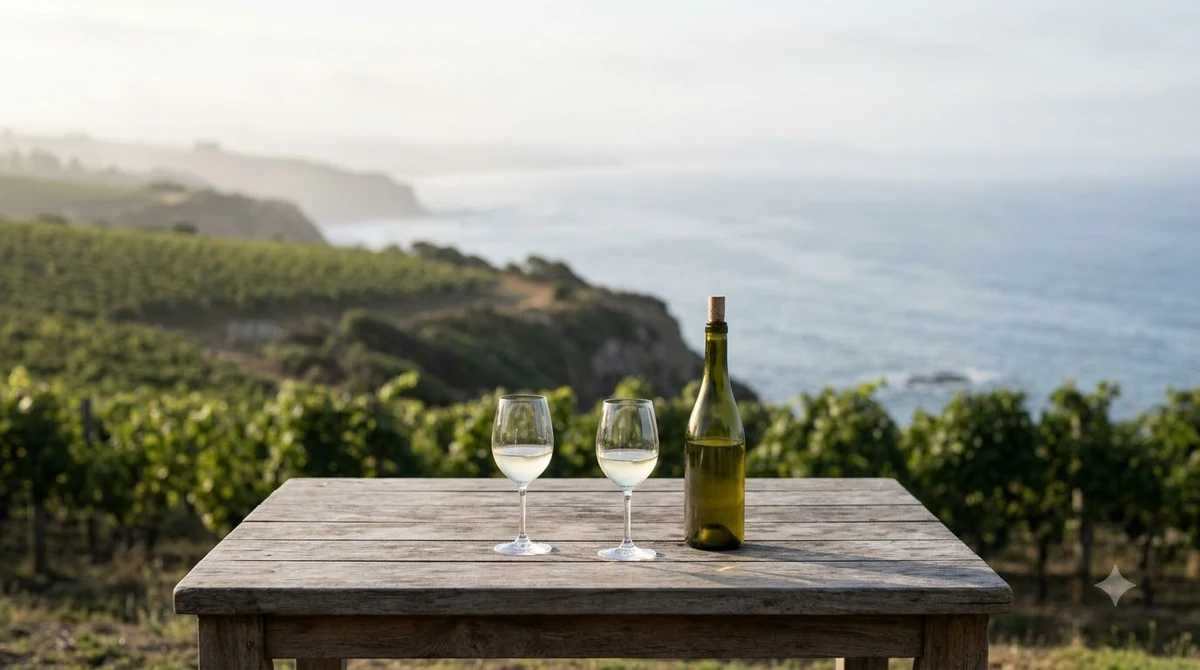
Colchagua, in the southern part of the Rapel Valley, is a major home for the variety. According to Wines of Chile, Pacific breezes interact with Andean winds there, lengthening the ripening period and helping preserve acidity. Within Colchagua, Apalta has become a notable site: Wine Enthusiast describes it as a warm valley surrounded by the Coastal Mountain Range, with vines on both flat ground and hillsides. Warmth can support full ripeness, while thoughtful site selection helps retain freshness.
Cachapoal is another important source. In Peumo, the valley is influenced by the Coastal Range, the Cachapoal River, and the Andes; the area’s mix of colluvial and alluvial soils over granite creates conditions for distinct interpretations. Maipo, where the grape was identified in 1994, has a Mediterranean pattern of hot, dry summers and cold, wet winters. Farther south, Maule’s cool nighttime winds slow fruit development and are associated with spicy, black-pepper notes in Carménère.
These regional differences matter more than a simple ranking of valleys. A warmer site may give ripe plum and dark-fruit flavors, while a cooler or more sheltered site can emphasize freshness, herbs, and pepper. Some producers also compare inland and coastal parcels side by side, allowing the label’s valley or subregion to offer a useful clue about the wine’s style. When two bottles share the same grape but come from different valleys, differences in night temperatures, wind exposure, and soil water retention can be more revealing than the grape name alone.
How Carménère Tastes: Fruit, Herbs, Tannin, and Body
A typical Carménère offers ripe red or black fruit framed by green herbs and spice. Expect flavors such as black plum, cherry, blackberry, bell pepper, paprika, and black pepper, with cocoa, tobacco, or earthy notes more likely in wines that see oak aging.
The herbal quality is part of the grape’s identity, but it should not automatically taste raw or harsh. A more detailed description of fruit, spice, and texture appears in our Carménère tasting notes. When the fruit is fully ripe, the herbal character can read as green peppercorn, dried oregano, bay leaf, or a gentle leafy note behind the fruit. If grapes are picked too early, the bell-pepper and bitter-herb notes may dominate and the finish can seem vegetal. Ripeness is therefore a major factor in the wine’s balance.
In structure, Carménère is commonly medium- to full-bodied with moderate tannin and enough acidity to keep the fruit from seeming heavy. Tannins create a drying sensation along the gums, while acidity gives the wine lift. Compared with Cabernet Sauvignon, which is typically more tannic, Carménère often feels rounder and less gripping; compared with soft Merlot, it can show a firmer herbal and spicy outline. This balance is one reason Carménère suits foods with roasted edges and seasoning: the wine has enough flavor to stand alongside a browned crust, grilled pepper, or herbs without relying on aggressive tannin.
Oak treatment changes the profile but does not define the grape. Barrels can add aromas of cocoa, vanilla, toast, and tobacco, while a more restrained approach tends to preserve vivid fruit and savory herbs. Neither style is automatically better: the best balance depends on the fruit, the site’s character, and the producer’s intention.
Winemaking Choices, Blends, and What to Look for on a Label
Carménère’s late ripening makes vineyard decisions especially important. Growers need a site with enough warmth and a long enough season for the fruit to mature, while managing the canopy so bunches receive suitable sunlight without losing freshness or developing uneven ripeness.
Harvest timing is a balancing act. Picking too early can leave strong green notes and bitter edges; waiting longer can build darker fruit and rounder tannins, though excessive ripeness may reduce freshness. Producers may sort fruit by parcel or pick at different times so that the final blend combines ripe fruit, aromatic lift, and structure rather than leaning too far in one direction.
In the cellar, Carménère can be fermented and aged in stainless steel, concrete, or oak, or in a combination of vessels. Oak aging may add texture and flavors associated with chocolate, smoke, spice, and tobacco. Less new oak and gentler extraction can preserve freshness and keep the herbal side integrated. Wine Enthusiast describes Chilean producers using lower fermentation temperatures and gentle extraction for fresher expressions, while other examples are made for greater concentration.
Blending is also possible. According to VinePair’s explanation of Chilean denomination-of-origin rules, Carménère may be blended with up to 15 percent other varieties. Cabernet Sauvignon is a natural companion because of the grapes’ Bordeaux connection, while Syrah and Petit Verdot can also appear. For a first bottle, a wine labeled with Carménère as its principal variety is the clearest way to understand the grape’s signature style. A regional name such as Colchagua, Cachapoal, or Maipo can then help frame expectations, although the producer’s approach to harvest and oak still matters.
Serving Carménère and Pairing It With Food
Serve Carménère slightly cool rather than warm, usually around 60–65°F for a medium- to full-bodied red. This temperature lets ripe fruit and savory aromas show without making alcohol seem overly prominent or the finish feel heavy.
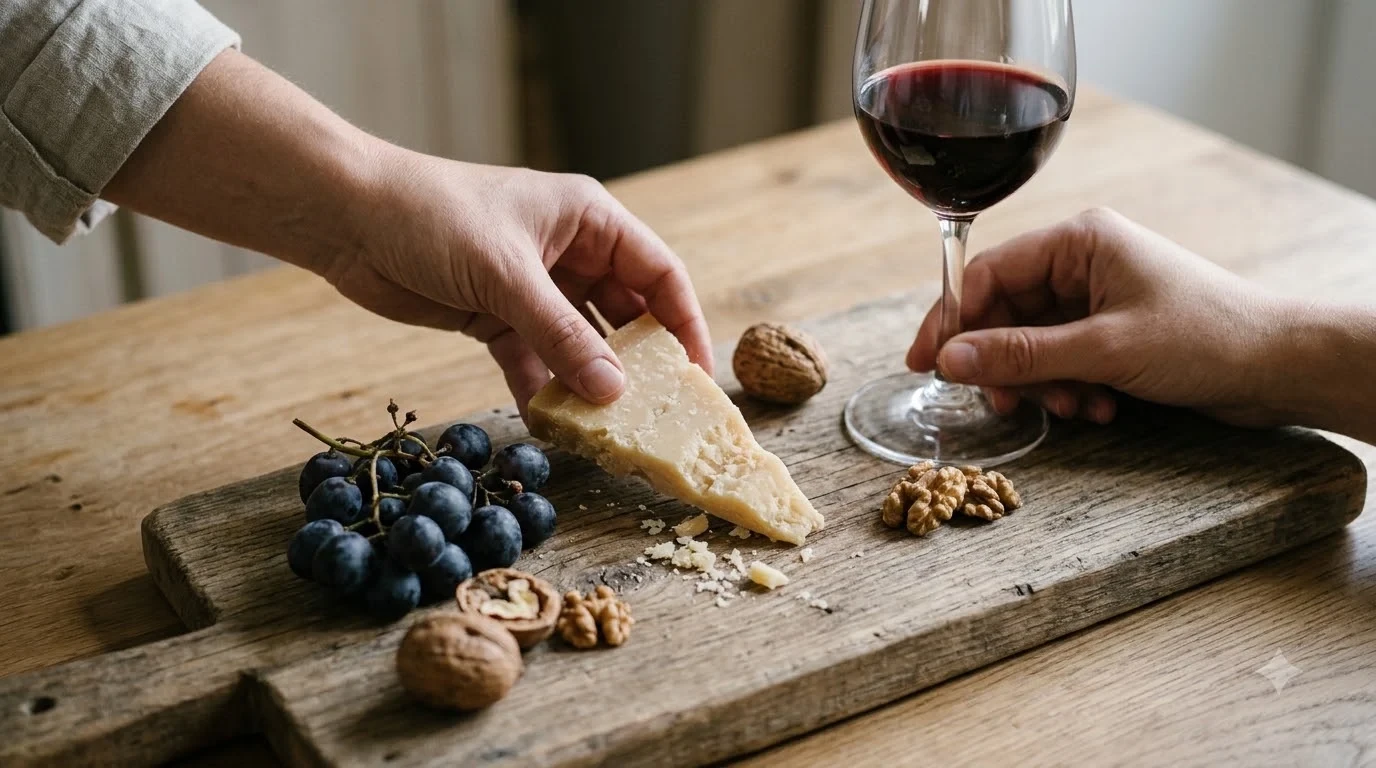
Food pairing works best when the dish has enough flavor to meet the wine’s fruit and herbal character. Grilled beef, pork tenderloin, roast chicken, lamb, and sausages are dependable matches, especially with black pepper, rosemary, oregano, cumin, or smoked paprika. Carménère’s moderate tannin also works well with the salt and fat in burgers, grilled meats, and moderately rich sauces.
For vegetarian meals, try grilled eggplant, roasted mushrooms, lentils, or white beans with herbs. Dishes with kale, garlic, and olive oil echo the wine’s savory side, while roasted red peppers and tomato-based sauces can connect with its fruit and herbal notes. Avoid making a very acidic sauce the dominant element unless the wine has enough freshness to match it; the dish should not make the wine taste flat.
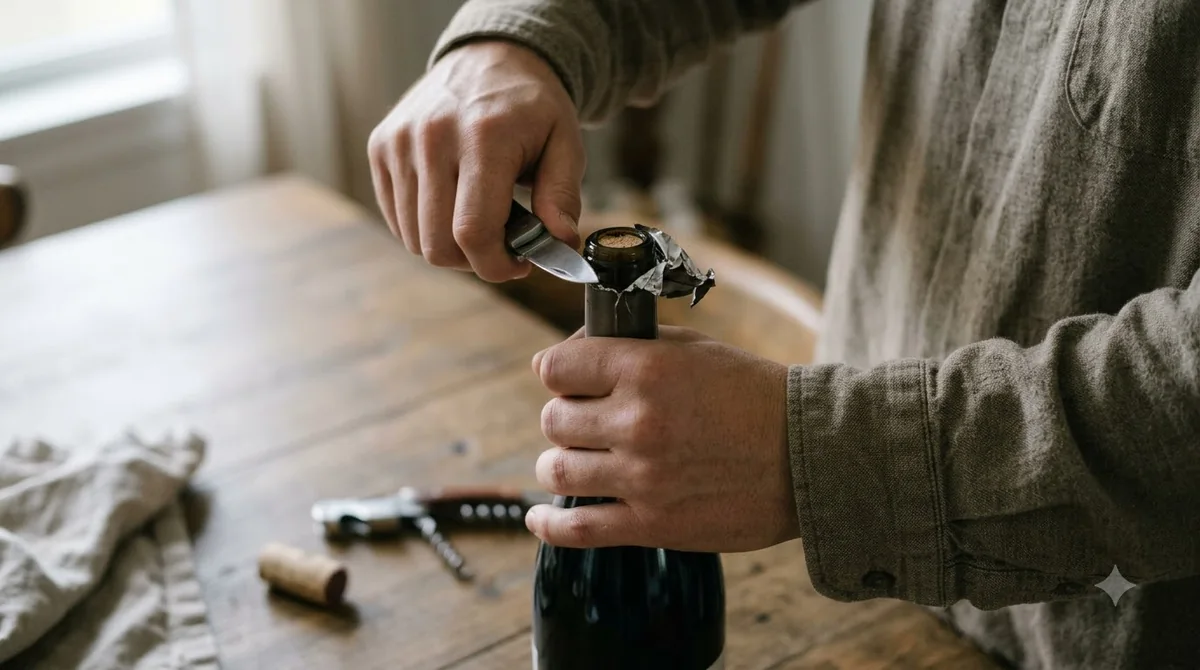
Use caution with intense chili heat. Alcohol and tannin can make chile-driven heat feel stronger, so a mildly spiced bean stew or gently seasoned tacos are safer matches than an extremely hot salsa. Carménère is also not the best default for oily fish, where tannic red wine can create an unpleasant clash; choose a crisp white with higher acidity for salmon, sardines, or tuna served with rich oil-based accompaniments. For a meal with several courses, pour Carménère with the main dish rather than as the first wine of the evening. A 750 ml bottle gives about five 5 oz glasses, so it can be shared at dinner without treating each pour as a large serving. Use a glass with enough space above the wine to swirl; the motion releases aromas that may be less obvious in a freshly poured glass. If the bottle is not finished, recork it and refrigerate it; still wines generally keep for about 3–5 days after opening, although aroma and flavor gradually fade.
| Serving detail | Practical guide | Why it helps |
|---|---|---|
| Serving temperature | 60–65°F | Shows fruit and herbal aromas without warming the wine too much. |
| Standard pour | 5 oz | Leaves room in the glass to swirl and smell the wine. |
| Bottle size | 750 ml | Provides about 5 standard pours. |
| Decanting | 30–60 minutes for a young, full red | Can soften the first impression and let aromas open. |
| Storage | Near 55°F, bottle on its side | Helps maintain stable conditions for an unopened bottle. |
Tip: If the wine seems tight just after opening, pour a small glass and give the bottle 20–30 minutes before deciding it needs a full decant. Serve it around 60–65°F and pair it with a dish seasoned with herbs or black pepper rather than heavy chile heat.
Frequently Asked Questions
The 1994 identification in Maipo and Chile’s 1998 recognition explain the grape’s modern identity. The answers below add context about vineyard terminology, Bordeaux use, grape relationships, and typical bottle age.
Is Carménère the same grape as Merlot?
No. Carménère and Merlot are separate grape varieties, although they are related and can look similar in a vineyard. That resemblance explains why Chilean growers once harvested Carménère among vines identified as Merlot.
What does “Merlot tardío” mean?
The phrase means “late Merlot” in Spanish. Chilean growers used it for vines that ripened later than their other Merlot and showed a stronger green-pepper character; those vines were later identified as Carménère.
Was Carménère once used in Bordeaux blends?
Yes. In Bordeaux, the grape was historically used both as a blending component and for wines made from Carménère alone. Its French origin is one reason it fits naturally alongside varieties such as Cabernet Sauvignon in some Chilean blends.
How long can a bottle of Carménère age?
Many varietal examples are intended to be enjoyed relatively young, often within three to five years after release. More structured wines from selected sites may develop longer, but the producer’s style and the bottle’s storage conditions matter more than the grape name alone.
Does Carménère always have a green bell-pepper aroma?
No. The intensity of the herbal note changes with grape ripeness, vineyard conditions, and winemaking. A ripe example may lead with plum, cherry, and spice, with the green-pepper character appearing as a background note rather than the dominant aroma.
Carménère offers a distinctive mix of ripe fruit, herbs, and moderate structure, with Chile providing its clearest modern reference point. Start with a bottle from Colchagua or Cachapoal, serve it slightly cool, and pair it with a savory dish that lets the grape’s peppery character shine.
More in Wine Types & Grapes
 Zinfandel Sugar Content: Dry Red vs. White Zinfandel GramsUpdated Nov 21, 2026
 Best Zinfandel Substitute Options for Sipping and CookingUpdated Nov 21, 2026
 Zweigelt Food Pairing: Best Dishes, Cheeses, and Serving TipsUpdated Nov 21, 2026
 Zinfandel Tannins Explained: How Structure Shapes Every BottleUpdated Nov 21, 2026
 Zinfandel Sweetness Level: Dry Red vs. Sweet White Zin ExplainedUpdated Nov 21, 2026
 Xinomavro Food Pairing: Best Dishes, Styles, and Serving TipsUpdated Nov 21, 2026