

We may earn a commission when you buy through links on this page, at no extra cost to you. Learn more.
Pouilly Fuisse wine is a dry white made from Chardonnay in the Mâconnais, the southernmost part of Burgundy. It usually offers ripe orchard fruit, a rounder texture than a lean Chablis, and a bit more richness from careful winemaking. It is a good choice for people who like Burgundy-style whites and want a fuller bottle for roast chicken, creamy sauces, or a relaxed dinner.
Pouilly Fuisse wine often gets compared with the more famous white Burgundies of the Côte de Beaune, but it has its own character. This guide explains where the wine comes from, how the Chardonnay is typically styled, what to expect in the glass, and how to serve and pair it. It also helps you decide when this wine is a better fit than a leaner Chardonnay.
Where Pouilly Fuisse Comes From
Pouilly Fuisse is made in the Mâconnais, the part of Burgundy that sits farthest south. Local producers work with Chardonnay grown on limestone slopes, and the wines are known as white Burgundies even though the region is a little different from the north. The appellation is built around one grape, which is why the style is so consistent from bottle to bottle.
The Mâconnais has a reputation as a source of reliable, approachable white Burgundy. Compared with the northern Côte d’Or, its wines often feel warmer and more generous in fruit, while still showing the precise acidity that Chardonnay can carry in Burgundy.
What Pouilly Fuisse Tastes Like
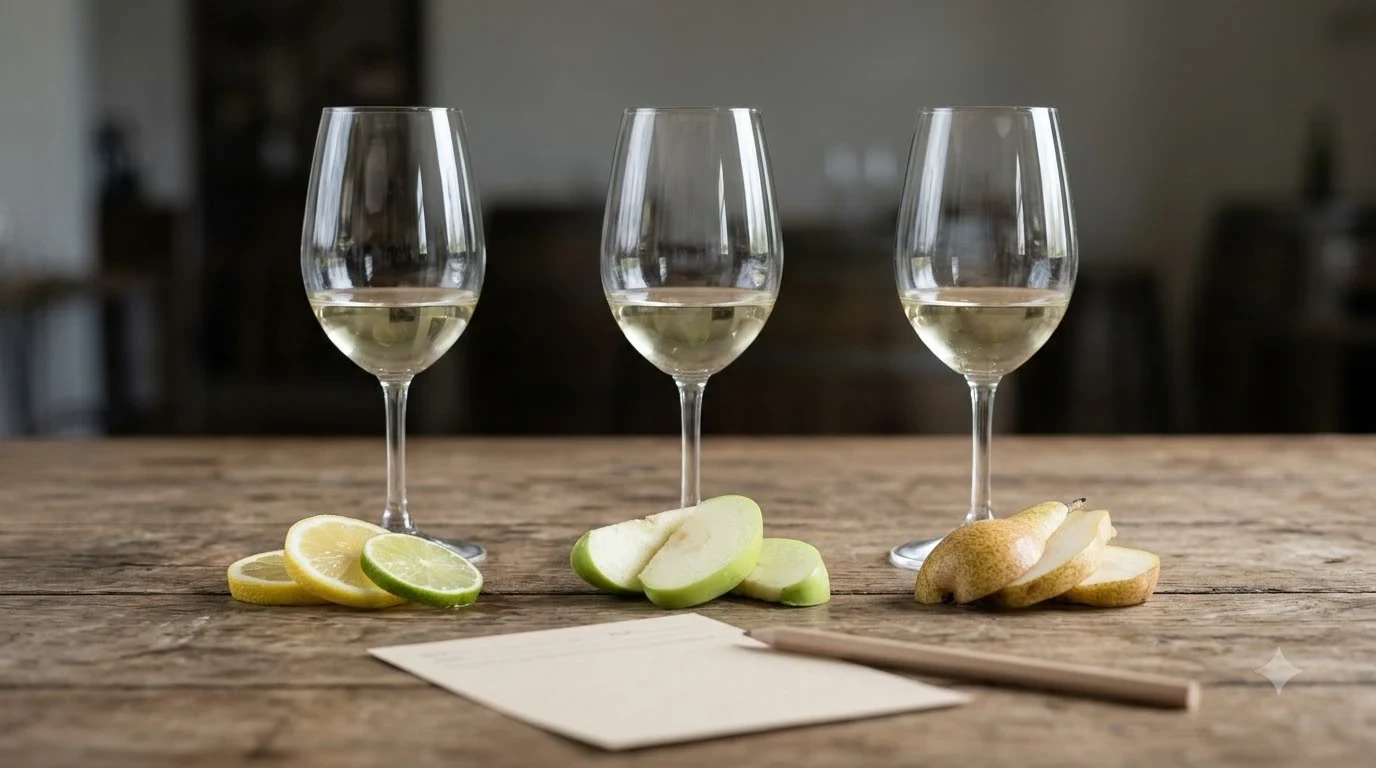
A typical Pouilly Fuisse shows ripe orchard fruit such as apple and pear, with citrus and a touch of stone fruit. Many examples have a subtle floral or mineral note, and the finish can carry a fresh, slightly saline quality that makes the wine feel balanced.
Winemaking shapes the final texture. Wines that go through malolactic fermentation, the process that converts tart malic acid into softer lactic acid, tend to feel creamier and less sharp. Oak aging adds vanilla, spice, and toast, and the amount of oak can range from light to noticeable. Wine Folly notes that oaked Chardonnay has a fuller, creamier mouthfeel with moderate acidity, while unoaked styles are leaner and crisper. Pouilly Fuisse often sits in the middle of that range.
| Element | Typical Pouilly Fuisse | What it means for you |
|---|---|---|
| Grape | Chardonnay | Shares the family flavors of white Burgundy |
| Body | Medium | Fuller than a light Muscadet, leaner than a big Napa Chardonnay |
| Acidity | Medium | Keeps the wine fresh with rich food |
| Oak | Light to moderate | Adds spice and texture in the best examples |
| Serving temperature | Chilled, not ice cold | Lets the fruit and texture come through |
How Chardonnay Shapes the Style
Chardonnay is a flexible grape, and its character changes with climate and winemaking. Wine Folly’s Chardonnay guide lays out how cool and warm climates push the grape in different directions (Wine Folly on Chardonnay). In cool climates it can be lean, crisp, and mineral. In warmer climates it usually turns richer, with stone fruit and tropical flavors. Pouilly Fuisse lands between those poles: it has more fruit and body than a lean, steely Chablis, but it keeps enough acidity to stay fresh.
Oak is the other major influence. The barrel’s size, type, and toast level all shape the result, and American oak adds a coconut note that French oak does not. Most Pouilly Fuisse is made with a restrained touch, so the fruit remains the main story and the oak supports it.
How to Serve Pouilly Fuisse
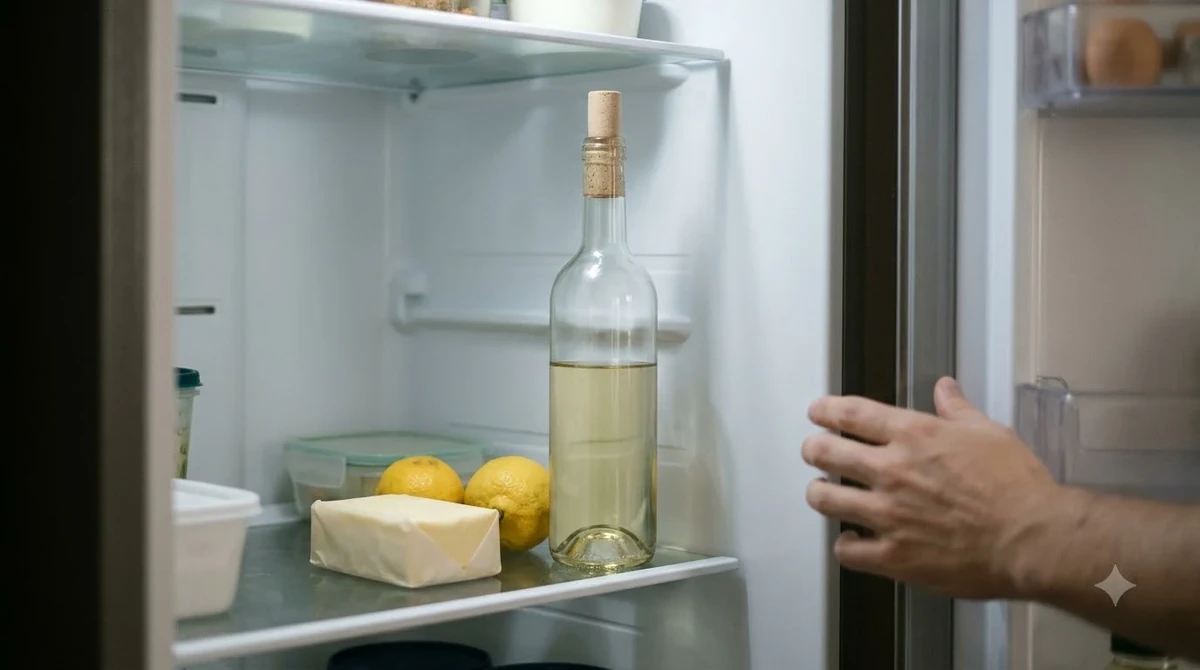
Serve Pouilly Fuisse chilled but not cold. A temperature that is too low tends to mute the aromas and make the wine feel tight, while a slightly warmer glass lets the fruit and texture show. A standard white wine glass works well, and the wine can be opened shortly before serving.
Most bottles are ready to drink when released, though well-made examples often gain depth with a few years in the bottle. If you are unsure, check a recent vintage and ask the producer or retailer about its age.
Tip: Pull the bottle from the refrigerator about 10 minutes before pouring. That short warm-up often brings out more aroma and texture than serving it straight from the cold.
Food Pairings for Pouilly Fuisse
Pouilly Fuisse suits dishes that have some richness but still need acidity to balance them. Roast chicken with herbs, pork tenderloin with apples, and halibut or other firm white fish all work well. The wine also complements creamy sauces, mushroom dishes, and soft cheeses such as a mild brie.
Wine Folly recommends lean Chardonnay with shellfish, especially oysters, and richer styles with heavier dishes such as crab cakes. Pouilly Fuisse, which falls between those styles, is flexible enough for both. Try it with a shellfish starter and a roast main course to see how it moves between them.
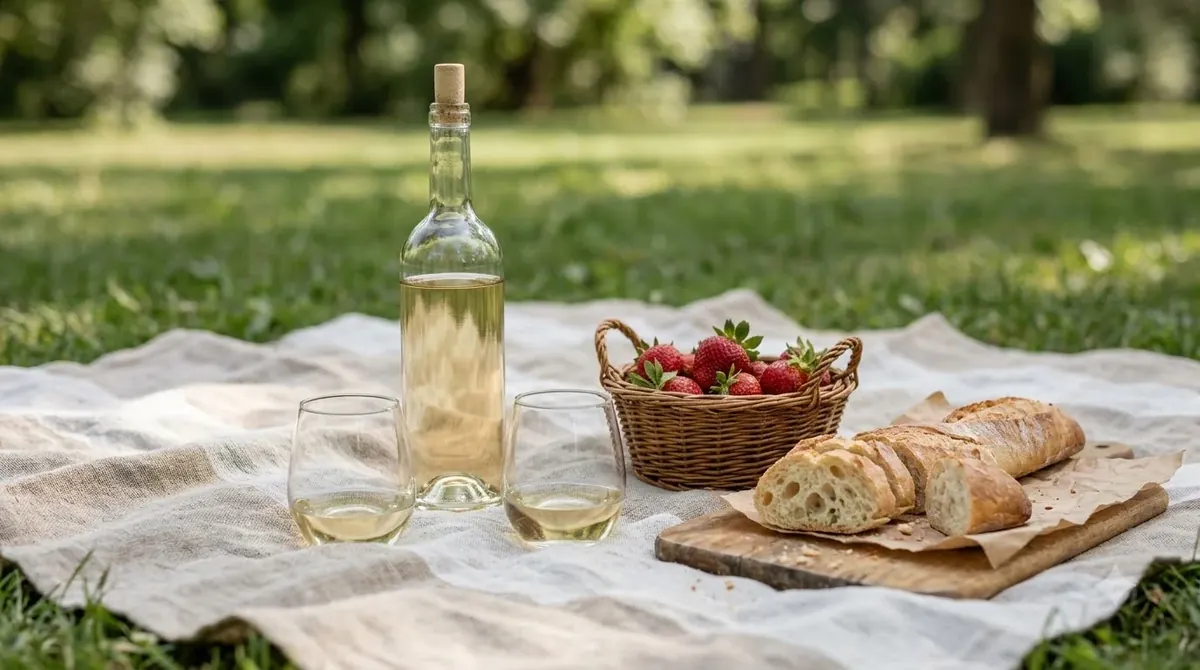
Serving context also shapes how the wine feels. At a casual dinner, a glass of Pouilly Fuisse works well alongside appetizers, bread, and a simple salad, because it has enough body to carry the table without dominating it. At a more formal meal, it can open the course with richness and then step aside for a red or a sweeter dessert wine, depending on the menu.
Pouilly Fuisse Compared With Other Whites
Compared with a Chablis, Pouilly Fuisse usually feels rounder and more fruit-forward, with a softer edge. Compared with a bigger Chardonnay from a warm region, it tends to be more restrained, with less tropical fruit and less oak. That middle position is why many drinkers reach for it when they want a white with weight but not heaviness.
If you enjoy crisp, mineral whites, you may prefer a grape such as assyrtiko grape, which brings a sharper, saline edge. If you want something lighter and more floral, a white with less body may suit you better. Pouilly Fuisse is a good bridge between those styles. Tasting two or three whites side by side is the quickest way to see where your own preferences sit.
How to Choose a Bottle
Look for the appellation name on the label and check the producer. A well-made Pouilly Fuisse should taste clearly of Chardonnay and of its place, with balanced fruit and a clean finish. Older vintages can show more texture and a deeper color, while younger bottles are brighter and more direct.
Think about your meal before you choose. For a rich dinner, a bottle with more body and a little oak will feel satisfying. For a lighter meal, pick a fresher, more lively example. If you are also comparing wines by calorie content, the guide to calories in white wine gives a helpful overview of how white styles differ.
Frequently Asked Questions
What grape is Pouilly Fuisse made from?
Pouilly Fuisse is made from Chardonnay. It is a dry white wine from the Mâconnais in Burgundy.
Is Pouilly Fuisse the same as Pouilly Fumé?
No. Pouilly Fumé is a Sauvignon Blanc from the Loire Valley, while Pouilly Fuisse is a Chardonnay from Burgundy. The names look similar but the wines are very different.
Is Pouilly Fuisse dry?
Yes. Pouilly Fuisse is a dry white wine, with ripe fruit and a rounder texture than many lean Chardonnays.
What food goes well with Pouilly Fuisse?
Roast chicken, pork with apples, firm white fish, and creamy or mushroom dishes all suit the wine. It also pairs well with shellfish as a starter.
Pouilly Fuisse wine is a dependable choice when you want a white with fruit, texture, and a clear sense of place. Serve it chilled, pair it with rich but not heavy food, and compare a few bottles to find the style you like. For a broader look at white grapes and regions, visit the Wine by Type section.
More in Wine Types & Grapes
 Zinfandel Sugar Content: Dry Red vs. White Zinfandel GramsUpdated Nov 21, 2026
 Best Zinfandel Substitute Options for Sipping and CookingUpdated Nov 21, 2026
 Zweigelt Food Pairing: Best Dishes, Cheeses, and Serving TipsUpdated Nov 21, 2026
 Zinfandel Tannins Explained: How Structure Shapes Every BottleUpdated Nov 21, 2026
 Zinfandel Sweetness Level: Dry Red vs. Sweet White Zin ExplainedUpdated Nov 21, 2026
 Xinomavro Food Pairing: Best Dishes, Styles, and Serving TipsUpdated Nov 21, 2026