

We may earn a commission when you buy through links on this page, at no extra cost to you. Learn more.
Sweet white wine sangria is a chilled wine punch made with sweet or fruit-forward white wine, fresh fruit, citrus, and optional juice or sparkling water. The best pitcher tastes fruity rather than syrupy, so balance ripe peaches and grapes with lemon or lime and a wine that has enough acidity. A short chill lets the flavors mingle while keeping the fruit fresh.
White sangria can be crisp and gently sweet or aromatic and dessert-like. Decide the sweetness you want before choosing the wine and adding sweetener.
What Makes Sweet White Wine Sangria Taste Balanced?
Sweet white wine sangria combines wine, sliced fruit, and optional additions such as citrus juice, liqueur, brandy, or sparkling water. Sweetness may come from the wine, ripe fruit, juice, nectar, or syrup; it rarely needs all of them.
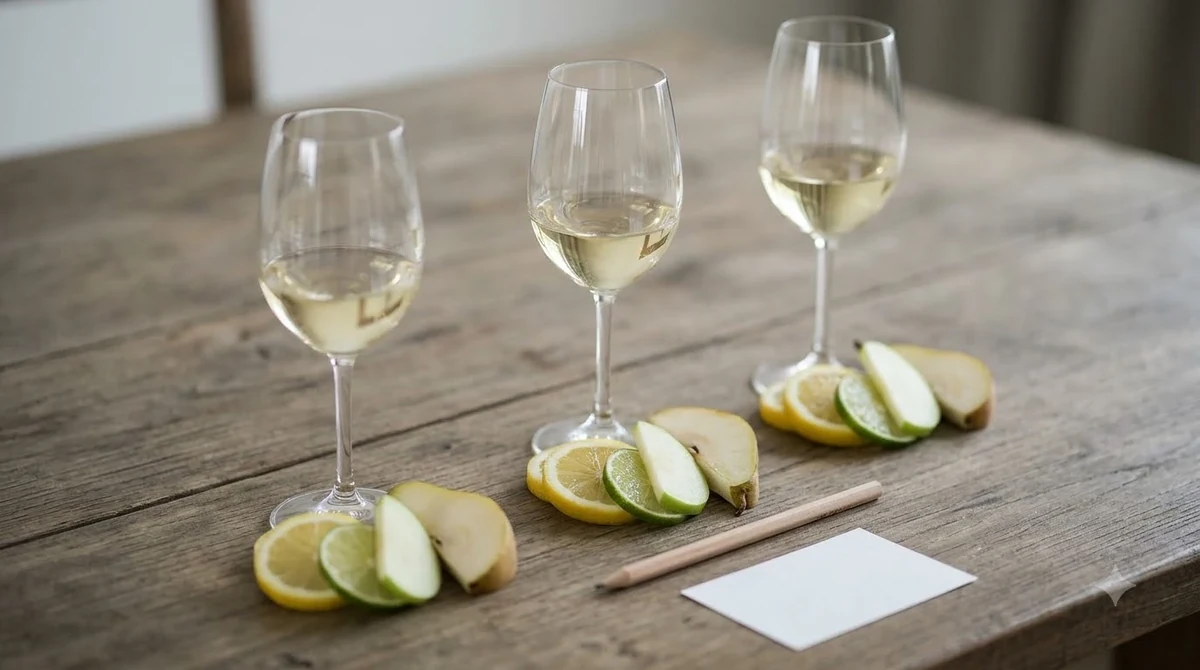
A balanced pitcher has three parts: a wine with clear fruit character, fruit that adds aroma and natural sugar, and an acidic ingredient that keeps the finish lively. Moscato brings peach and floral notes; Riesling often suggests citrus and apple; Pinot Grigio can contribute pear and lemon. Lemon juice, lime juice, and tart green apple sharpen the flavor of ripe peaches or grapes.
Sweetness and acidity balance one another rather than erase one another. If the wine already tastes sweet, start without syrup and use citrus carefully. If the wine is dry, fruit juice or a little sweetener can round it out. Add ingredients in stages and taste after chilling, because the fruit will release some juice as it rests.
Texture matters, too. Club soda lightens a rich mixture, while peach nectar or orange juice gives it a fuller feel. A little brandy adds warmth, but too much can make the pitcher taste spirit-heavy.
Sangria has no fixed sweetness level; a dry Sauvignon Blanc with citrus can be gently sweet, while Moscato with peach nectar can be distinctly sweet. For more context, see whether sangria is sweet or dry.
Choosing the Best White Wine for the Pitcher
Choose a white wine with fresh acidity and fruit flavors that suit the fruit in the bowl. Albariño, Riesling, Sauvignon Blanc, Pinot Grigio, and Chenin Blanc are useful starting points, while Moscato fits a sweeter, more aromatic style.
Moscato is a natural choice for an unmistakably sweet pitcher, with floral aromas and peach, pear, or grape notes. Since it already tastes sweet, use little or no syrup and include lemon or lime to keep the finish fresh. A lightly sparkling Moscato can add lift without a separate soda addition.
Riesling works across several sweetness levels. Dry Riesling gives bright acidity and citrus or green-apple character; off-dry and sweeter styles add more sweetness while retaining freshness. Pair it with green apple, peach, orange, or berries, and taste before adding syrup.
Albariño and Verdejo bring a Spanish accent, with lively acidity and citrus, orchard-fruit, or herbal notes. Sauvignon Blanc suits lime, grapefruit, cucumber, and herbs. Pinot Grigio and Chenin Blanc are easygoing choices when the fruit should lead. Wine Enthusiast recommends high-acid whites such as Albariño, Verdejo, Pinot Grigio, and Sauvignon Blanc for white sangria; its white-wine selection advice explains why acidity is useful.
Chardonnay can work, but heavily oaked, buttery styles may overwhelm delicate peach, pear, or melon. A leaner, unoaked Chardonnay is easier to blend, though an aromatic white is usually a more direct choice. Explore wine types by grape and style to compare the options.
Use a wine you would happily drink by itself. Sangria will not disguise a faulty or tired bottle, and a fresh, fruit-forward wine is a better base than a prized bottle whose subtleties will be covered by juice and fruit.
Fruit, Citrus, and Herbs That Work Together
Build the fruit mix around two or three main flavors rather than adding everything at once. Peaches, green apples, oranges, grapes, strawberries, and melon each bring a different balance of sweetness, acidity, aroma, and texture.
Peaches are a natural match for Moscato, Riesling, and Chenin Blanc. Choose ripe but firm fruit so slices hold their shape. Nectarines work in the same way. Green apples add a tart, crisp contrast; red apples make the blend rounder. Thin slices release flavor sooner, while larger wedges remain firm longer.
Oranges bring familiar citrus aroma and juice. Add thin wheels for fragrance and a little fresh juice for body. Lemon and lime are more assertive, so add their juice gradually. Thick citrus slices can release bitter pith during a long soak, so use thin slices and avoid leaving the pitcher for hours on end.
Strawberries and blueberries bring color and berry notes. Strawberries suit Moscato and off-dry Riesling; blueberries pair with lemon, mint, and a less-sweet base. Green grapes reinforce the orchard-fruit character of Pinot Grigio or Albariño. Honeydew and cantaloupe are gentle partners for mint and citrus, but can be overwhelmed by a large amount of brandy or liqueur.
Use herbs as accents. Mint works with peach, melon, lime, and green apple; press a few leaves lightly to release aroma. Basil suits strawberries and lemon, while rosemary is stronger and works best in small amounts with pear or apple. Cut fruit into easy-to-serve pieces, remove pits and cores, and rinse berries.
How to Sweeten the Sangria Without Making It Heavy
Sweeten in stages because both wine and fruit contribute flavor and sometimes plenty of sugar. Begin with no added syrup when using Moscato or sweet Riesling, then adjust after mixing in the fruit and citrus.
Simple syrup dissolves quickly in a cold pitcher. For a 750-milliliter bottle of wine, start with 1 tablespoon, stir, and taste; add another tablespoon only if needed. A sweet Moscato may need none, while dry Sauvignon Blanc with tart berries might take more. Granulated white sugar works, but can take longer to dissolve in a chilled mixture.
Fruit juice adds sweetness and flavor together. Orange juice gives citrus body, peach nectar makes the drink rounder, and white grape juice sweetens without adding a strong new flavor. Start with 1/2 cup per bottle and increase a little at a time. If the juice is very sweet, use lemon or lime to keep the finish lively.
Liqueurs add both sugar and aroma. Orange liqueur complements orange, peach, and berries; elderflower liqueur suits pear, green grape, and lemon. Add a small measure and taste before adding more. Brandy contributes warmth more than sweetness, so treat it as optional. When using both sweet wine and liqueur, reduce or omit syrup and nectar.
Club soda or seltzer adds bubbles rather than sweetness. Add it shortly before serving so the carbonation stays lively. Lemon-lime soda can make a sweeter sparkling version, but account for its sugar and taste before adding syrup.
Tip: Keep chilled lemon juice and simple syrup beside the pitcher. Adjust a small sample first, then repeat the change in the full batch; this helps prevent over-sweetening.
For a darker-fruited alternative, compare the method with sweet red wine sangria. The same principle applies: let the base wine and fruit determine how much extra sweetness is needed.
A Reliable Sweet White Wine Sangria Recipe
This formula makes about 6 servings, depending on glass size and the amount of soda used. It starts with one 750-milliliter bottle of white wine, orchard fruit, orange juice, citrus, and optional brandy; add sweetness only after tasting.
| White wine base | Orange juice | Lemon juice | Simple syrup to start |
|---|---|---|---|
| Dry Sauvignon Blanc or Pinot Grigio | 1/2 cup | 2 tablespoons | 1 tablespoon, then taste |
| Off-dry Riesling | 1/2 cup | 2 tablespoons | 0 to 1 tablespoon |
| Sweet Moscato | 1/2 cup | 2 tablespoons | 0 tablespoons; add only if needed |
These starting amounts assume one 750-milliliter bottle and the fruit listed below. Keep the citrus measure steady, then vary the syrup according to the wine’s sweetness and the ripeness of the fruit.
Ingredients
- 1 bottle (750 milliliters) chilled Moscato, off-dry Riesling, or dry-to-medium-bodied white wine
- 1 ripe but firm peach or nectarine, pitted and sliced
- 1 small green apple, cored and thinly sliced
- 1 orange, half sliced and half juiced
- 1/2 cup orange juice
- 2 tablespoons fresh lemon juice, plus more to taste
- 1/2 cup green grapes, halved
- 1/4 cup brandy, optional
- 1 to 2 tablespoons simple syrup, only as needed
- 1 to 2 cups chilled club soda or seltzer, to serve
- 4 to 6 mint leaves or 2 small sprigs, optional
Method
1. Prepare the fruit. Wash the apple, peach, orange, and grapes. Core the apple, remove the peach pit, and slice the fruit into pieces that fit easily into a glass. Halve the grapes to help release their juice.
2. Combine the base. Pour the wine into a large pitcher. Stir in the orange juice and lemon juice, then add optional brandy. Add the fruit and mint. Hold back the syrup, especially when using Moscato or sweet Riesling.
3. Chill briefly. Cover the pitcher and refrigerate for 1 to 2 hours. This allows the fruit to perfume the wine without leaving delicate pieces in the liquid for too long. Do not add club soda yet; the bubbles would fade while the pitcher rests.
4. Taste and adjust. Stir from the bottom and taste a small pour. Add syrup a tablespoon at a time if it needs sweetness, or add lemon juice if it tastes too sweet. A ripe fruit mix and Moscato may need neither adjustment.
5. Finish and serve. Add chilled club soda just before serving, starting with 1 cup. Spoon fruit into each glass, pour over the sangria, and garnish with mint or orange. Keep extra soda nearby so guests can choose a fizzier or fuller pour.
To make a larger batch, keep the fruit and juice in proportion to the wine, but do not automatically double the syrup or brandy. Sweetness varies by bottle and by fruit ripeness, so make the final adjustment after chilling.
Chilling, Serving, and Storing the Pitcher
Serve sweet white wine sangria cold, but not so diluted that the wine and fruit lose their character. Sweet white wine is typically served around 43–50°F; a refrigerator rest of 1 to 2 hours is usually enough. Add bubbles at the last moment to keep the texture fresh.
Liquor.com’s white sangria recipe combines peach, green apple, lemon, mint, and dry white wine, and recommends chilling for up to 4 hours so the fruit does not turn mushy. That is a useful upper limit for delicate peach and strawberry. Firmer apple and citrus hold up longer, but a longer soak is not automatically better. Check the fruit after an hour and serve when the wine has taken on the aroma you want.
Use a glass pitcher or nonreactive beverage container with room for the fruit and liquid. Around 2 quarts is a comfortable size for one 750-milliliter bottle plus fruit and juice. Keep the pitcher covered in the refrigerator between pours; do not leave it in direct sun or a warm outdoor serving area.
Pour into stemmed wine glasses, tumblers, or short glasses over ice. A wine glass helps show peach and citrus aromas, while a tumbler is convenient for a casual gathering. Large ice cubes melt more slowly than crushed ice. Frozen grapes are another option when you want to chill each serving without quickly watering it down.
For a lighter finish, top each glass with chilled seltzer instead of diluting the full batch. A small pour of Cava or Prosecco adds more pronounced bubbles. Choose a dry sparkling wine when the base sangria is already sweet. VinePair’s collection of white sangria variations includes both soda-topped pitchers and versions made with sparkling wine.
Refrigerate leftovers promptly in a covered container and aim to finish them while the fruit is firm, preferably within a day. For advance preparation, mix wine, juice, and firm fruit first; add berries, herbs, and carbonation closer to serving.
Pair the pitcher with fruit tarts, grilled peaches, mild cheeses, shrimp, or citrus-dressed salads. A sweeter version can complement spicy dishes, but a high-alcohol mixture may make chili heat feel stronger. For savory food, use a crisp base, extra citrus, and less syrup so the drink refreshes the palate.
Frequently Asked Questions
These answers cover variations beyond the basic pitcher, from alcohol-free adjustments to frozen serving styles. A 750-milliliter bottle makes a convenient starting batch.
Can sweet white wine sangria be made without added liquor?
Yes. Wine, fruit, citrus, and juice are enough to make a complete pitcher, so brandy and liqueur are optional. Replace the liquor with white grape juice for more sweetness or club soda for a lighter finish.
Can frozen fruit be used instead of fresh fruit?
Yes, frozen peaches, berries, and grapes work when fresh fruit is out of season. Add them while frozen so they help chill the pitcher as they thaw and release juice. Their texture will be softer than fresh-cut fruit, so use them when appearance is less important than convenience.
What fruit should be avoided in white sangria?
Banana is usually a poor choice because it browns quickly and turns soft in liquid. Very ripe watermelon can release enough water to dilute the wine’s flavor. Firm honeydew or cantaloupe is easier to handle if you want melon.
Is clericó the same as white sangria?
Clericó is a related fruit-and-wine drink associated with Uruguay, often made with white wine and mixed fruit, sometimes with a sparkling element. It shares the flexible punch format of white sangria, but recipes and local customs vary. It is best thought of as a close cousin rather than one standardized recipe.
Can sweet white sangria be served as a frozen drink?
Yes. Freeze part of the finished mixture in ice-cube trays, then blend the cubes with a little chilled sangria until slushy. Avoid adding too much plain ice, which can mute the fruit and wine flavors. Make the frozen batch shortly before serving for the smoothest texture.
Sweet white wine sangria works best when the wine’s acidity, the fruit’s ripeness, and the added sweetness are in balance. Start with a fresh bottle, chill the pitcher briefly, and make final adjustments just before serving. Then change the fruit and herbs with the season while keeping the same balance of wine, citrus, and sweetness.
More in Wine Types & Grapes
 Zinfandel Sugar Content: Dry Red vs. White Zinfandel GramsUpdated Nov 21, 2026
 Best Zinfandel Substitute Options for Sipping and CookingUpdated Nov 21, 2026
 Zweigelt Food Pairing: Best Dishes, Cheeses, and Serving TipsUpdated Nov 21, 2026
 Zinfandel Tannins Explained: How Structure Shapes Every BottleUpdated Nov 21, 2026
 Zinfandel Sweetness Level: Dry Red vs. Sweet White Zin ExplainedUpdated Nov 21, 2026
 Xinomavro Food Pairing: Best Dishes, Styles, and Serving TipsUpdated Nov 21, 2026