

We may earn a commission when you buy through links on this page, at no extra cost to you. Learn more.
Yes—the answer to “should pinot gris be chilled” is that Pinot Gris should be served between 45°F and 55°F, with lighter, crisper bottles toward the cool end and richer, fuller-bodied styles toward the warmer end. A moderate chill keeps the wine fresh while allowing its pear, citrus, floral, spice, and stone-fruit aromas to show. Avoid serving it ice-cold straight from a very cold refrigerator, especially when the bottle has a round texture or noticeable weight.
Pinot Gris is a versatile white wine, not a single fixed style. The grape appears as crisp Pinot Grigio in many Italian regions, as fuller Pinot Gris in Alsace and Oregon, and in sweet, skin-contact, and other expressions around the world. A small adjustment in serving temperature helps each version feel balanced rather than sharp, muted, or warm.
What Temperature Should Pinot Gris Be Served At?
Most Pinot Gris is best served at 45°F to 55°F, with the exact point depending on body and texture. Start a light, citrus-driven bottle near 45°F to 50°F, and give a richer or more aromatic wine room to open closer to 50°F to 55°F.
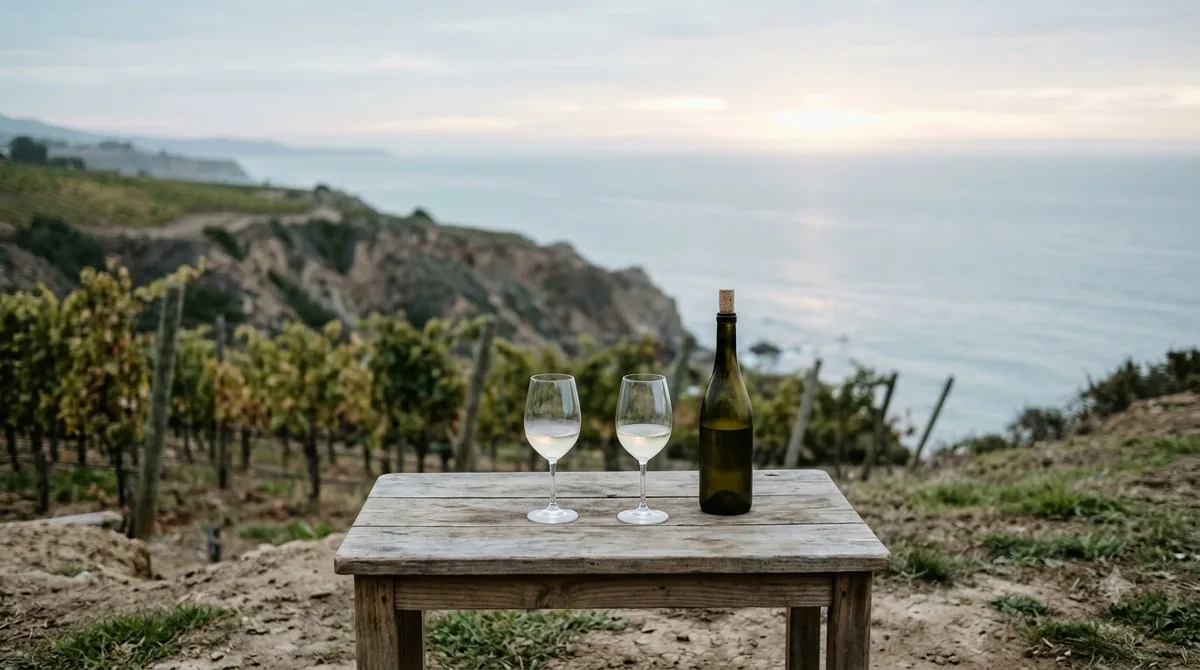
These ranges are practical rather than rigid. Wine Enthusiast’s Pinot Grigio/Gris profile gives a general 45°F to 55°F handling range, while Wine Folly lists the same service window and advises serving fuller, oily, or skin-contact examples slightly warmer. Around 50°F is a useful starting point when the bottle’s style is unfamiliar; the wine will warm gradually in the glass.
Use the lower end for a light-bodied wine with lemon, green apple, or pear flavors. Cool service keeps its freshness lively beside appetizers and seafood. A lean, delicate bottle can start around 45°F to 48°F, then gain aroma as it warms.
Move toward 50°F to 55°F for a rounded style with ripe peach, spice, honeyed fruit, or creamy texture. A fuller Pinot Gris can lose character at refrigerator temperature, so let it warm briefly after chilling. The goal is refreshing, not icy.
| Pinot Gris style | Serving range | What the temperature helps show |
|---|---|---|
| Light, crisp, dry Pinot Grigio | 45°F–50°F | Lemon, green apple, and brisk freshness |
| Fresh, medium-bodied Pinot Gris | 48°F–52°F | Pear, peach, and balanced texture |
| Fuller, rounded Pinot Gris | 50°F–55°F | Floral notes, spice, and a broader palate |
| Skin-contact or copper-toned style | 50°F–55°F | More texture and savory aromatic detail |
| Sweet or late-harvest Pinot Gris | 45°F–50°F | Freshness that balances the wine’s sweetness |
Why Pinot Gris and Pinot Grigio Can Need Different Chilling
Pinot Gris and Pinot Grigio are two names for the same grape, but the wines can taste very different because climate, ripeness, and winemaking shape their body and flavor. A light northern Italian Pinot Grigio often benefits from a firmer chill, while a richer Alsace Pinot Gris usually shows more detail when served a few degrees warmer.
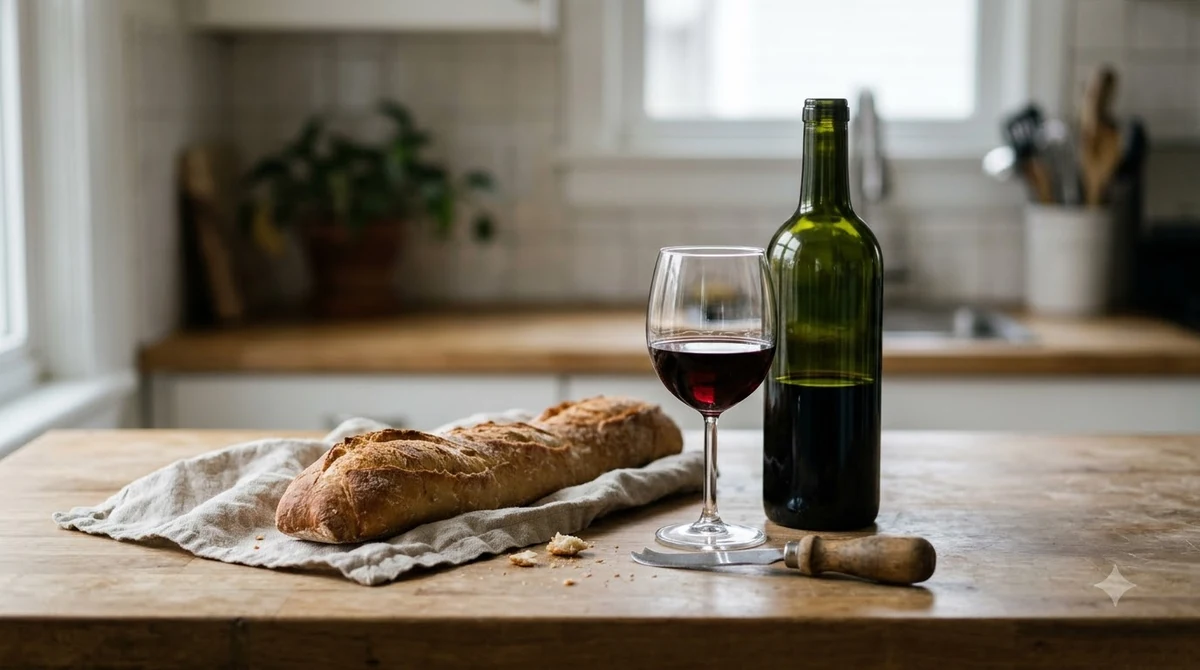
In the broadest stylistic pattern, northern Italian Pinot Grigio is associated with crisp citrus, white flowers, peach, and a light frame. Decanter notes that its heartland is northern Italy and that wines from mountainous parts of the region can show peach, white flowers, and citrus. These bottles generally work well around 45°F to 50°F, where the chill underscores their clean, refreshing character.
Alsace in eastern France is particularly associated with Pinot Gris that has more weight, spice, and aromatic depth. Wine Enthusiast describes Alsace examples as potentially full-bodied with a rich, floral bouquet, while Decanter notes that some can be off-dry or sweet. Oregon offers another range: the Oregon Wine Board describes its Pinot Gris as tangy and light at one end, rich, round, and full-bodied at the other, with Willamette Valley and Southern Oregon among its principal locations. A lean bottle from either region can be served cooler than a broad, textured one.
Winemaking expands the range further. Fermentation and aging choices can build texture, skin contact can give the wine a copper hue and savory detail, and late harvesting can preserve sweetness. Wine Folly describes styles from light and zesty to full-bodied and oily, including orange, rosé, and sweet late-harvest expressions. Decanter’s comparison of Pinot Grigio and Pinot Gris also emphasizes that region names are not guarantees: Friuli and Alto Adige, for example, can produce more complex Pinot Grigio. Start with the wine’s body, aroma, and sweetness rather than the label name alone.
How to Chill a Bottle Without Overcooling It
For a standard 750-milliliter bottle starting at room temperature, allow roughly 90 minutes to 2 hours in the refrigerator, then adjust after the first pour. For a faster chill, use an ice-water bath and check the bottle after about 15 to 20 minutes rather than leaving it unattended.
Refrigerators commonly run around 35°F to 40°F, colder than the ideal serving temperature for most Pinot Gris. After 90 minutes to 2 hours, the bottle may be colder than needed; let it rest on the counter briefly before pouring. An ice bucket works faster when it contains both ice and water, and a little salt can speed the chill. Wine Enthusiast notes that a salt-and-ice-water bath can chill rosé in 15 minutes or less, so begin checking a Pinot Gris bottle before the full interval is up.
A freezer can help in a pinch, but set a timer for 20 to 30 minutes and remove the bottle promptly. Wine expands as it freezes, which can push out a cork or crack the glass. For a planned dinner, refrigerate the bottle around 1½ to 2 hours before serving; if it has been cold for much longer, remove a fuller Alsace or Oregon style 10 to 15 minutes before the first pour.
Tip: Chill the bottle first, then let the first glass guide the final adjustment. If the wine seems muted, give it 5 to 10 minutes in the glass before deciding that it needs more air or a different serving temperature.
What Happens When Pinot Gris Is Too Cold or Too Warm?
Too-cold Pinot Gris can seem muted, with its floral, pear, peach, and spice notes harder to pick out; too-warm Pinot Gris can lose its refreshing edge and feel broader than intended. The best temperature preserves both sides of the wine: lively freshness and enough aromatic openness to show its style.
Cold suppresses aroma, so an icy pour may seem less fragrant than the same wine after a few minutes in the glass. This is especially noticeable in wines built around subtle flowers, orchard fruit, or layered spice. A rich Pinot Gris served at 40°F may taste simpler than it does at 50°F, even though the wine itself has not changed.
Warmth has the opposite drawback. As the wine approaches room temperature, its acidity can feel less vivid and the palate may seem soft or heavy. A light Pinot Grigio can lose its brisk character, while a fuller Pinot Gris can become broad and less balanced in a warm dining room.
Because wine warms naturally in the glass, begin a little cooler than the temperature at which you expect to finish. A crisp bottle might start near 46°F and a richer one near 51°F. If the first sip tastes tight, wait five minutes; if it already feels warm, return the bottle to an ice bucket briefly rather than adding ice directly to the wine.
Food Pairings That Work With a Chilled Pour
Chilled Pinot Gris is particularly versatile with seafood, salads, vegetables, and poultry because its acidity and fruit can refresh the palate without overwhelming delicate flavors. Choose a lighter, cooler style for raw seafood and simple salads, and a fuller, slightly warmer bottle for richer sauces, roast chicken, pork, or mushrooms.
A crisp Pinot Grigio at 45°F to 50°F is a natural match for shrimp, scallops, flounder, ceviche, and grilled white fish with lemon. Its citrus and apple character echo fresh seasonings, while its acidity helps balance olive oil, butter, and creamy dressing. It also works with green salads, asparagus, mild cheeses, and vegetable dishes where a tannic red would feel too firm. Pinot Gris has little to no tannin, making it a more natural partner for oily fish than a tannic red. Salmon, trout, and mackerel can work well grilled or served with herbs and citrus. For a richer fish preparation, choose a fuller style rather than chilling the wine to its coldest point. For a richer Pinot Gris at 50°F to 55°F, choose roast chicken, pork loin, mushroom risotto, or poultry with a cream or herb sauce; the rounder texture can stand up to savory flavors while freshness keeps the dish from feeling heavy.
Sweet or late-harvest Pinot Gris calls for a different strategy: match the wine’s sweetness to the food rather than serving a dessert that is even sweeter. Fruit tarts, poached pears, or lightly sweet pastries can work, while blue cheese or salty aged cheese offers contrast. For a very sweet dessert wine, apply the pairing logic used when deciding whether ice wine should be chilled. Food acidity matters too: lemon, vinegar, and pickled ingredients need a wine with equal or higher acidity so the wine does not seem flat.
Salt and fat can soften acidity and help a richer Pinot Gris feel balanced, while very spicy chili heat can be amplified by alcohol. Keep the bottle in an ice bucket during an outdoor meal rather than leaving it in direct sun. For a pitcher-based drink rather than a straight pour, see guidance on whether sangria should be chilled; for a broader look at grape styles and service, browse Wine by Type.
Glassware, Pouring, and Storing an Open Bottle
A regular stemmed white wine glass suits most Pinot Gris because it gives the wine room to release aromas while keeping the bowl narrower than a typical red-wine glass. Pour a moderate serving, let the wine warm naturally, and return an unfinished bottle to the refrigerator so its freshness is protected between glasses.
Wine Folly recommends a white wine glass for Pinot Gris, including rosé versions, and notes that most examples do not need decanting. A medium-sized bowl gives both crisp Pinot Grigio and aromatic Pinot Gris room to open without exposing a small pour to excess warmth. Hold the glass by the stem when possible, since a warm hand can change the temperature of a chilled white.
A standard pour is 5 ounces, and a 750-milliliter bottle provides about five glasses. After opening, replace the closure and refrigerate the bottle; most still wines keep for about 3 to 5 days in the refrigerator, depending on condition and air exposure. Bring each serving back to the 45°F to 55°F range rather than leaving the whole bottle out to warm.
For unopened bottles, choose a cool, dark location near 55°F and avoid repeated temperature swings; store cork-finished bottles on their sides for longer keeping. Most fresh Pinot Gris is made to enjoy relatively young, though some richer examples can develop additional complexity. If a gathering includes sparkling wine, remember that it is generally served colder than still Pinot Gris; the guidance on whether sparkling wine should be chilled reflects its need to preserve bubbles.
Frequently Asked Questions
Is Pinot Gris the same grape as Pinot Grigio?
Yes. Pinot Gris and Pinot Grigio are regional names for the same grape, which is also called Grauburgunder in Germany. The name alone does not guarantee a particular sweetness level or body, because growers and producers make several styles from the variety.
Does Pinot Gris have to be dry?
No. The grape can produce bone-dry wines, off-dry bottlings, and sweet late-harvest wines. In some late-harvest examples, grapes affected by noble rot contribute concentrated fruit and honeyed character.
Can Pinot Gris be made as a rosé or orange wine?
Yes. Brief or extended contact with the grape skins can create a copper-colored ramato or other skin-contact expression, while rosé versions are also produced. Skin color and production method influence the finished wine’s hue and texture.
Should Pinot Gris be decanted before serving?
Most Pinot Gris does not require decanting, particularly fresh, light-bodied examples intended for early drinking. A forceful decant can expose a delicate young white to more oxygen than it needs; a few minutes in a glass is usually a gentler way to let reserved aromas emerge.
How long can an unopened Pinot Gris age?
Wine Folly gives Pinot Gris a general cellar window of 3 to 5 years. That is a broad reference rather than a guarantee for every bottle; sweetness, concentration, storage conditions, and the producer’s style all affect how well a wine develops.
Pinot Gris should be chilled, but the ideal pour is cool rather than icy: aim for 45°F to 50°F for crisp styles and 50°F to 55°F for richer ones. Start with the wine’s weight and sweetness, let the glass warm naturally, and adjust the next pour to suit the bottle and the meal.
More in Wine Types & Grapes
 What Does Mourvèdre Taste Like? Flavor Profile, Regions, and PairingsUpdated Nov 20, 2026
 What Does Marsanne Taste Like? Flavors, Styles, and Food PairingsUpdated Nov 20, 2026
 What Does Malvasia Taste Like? Styles, Flavors, and Food PairingsUpdated Nov 20, 2026
 What Does Grenache Blanc Taste Like? Flavor Profile, Styles, and PairingsUpdated Nov 20, 2026
 What Does Garnacha Taste Like? Key Flavors, Styles, and Pairing TipsUpdated Nov 20, 2026
 What Does Fruit Wine Taste Like? A Complete Flavor and Style BreakdownUpdated Nov 20, 2026