

We may earn a commission when you buy through links on this page, at no extra cost to you. Learn more.
The phrase santa lucia highlands vineyards refers to east-facing vineyard sites on the coastal terraces of California’s Santa Lucia Mountains, overlooking the Salinas River Valley in Monterey County. These vineyards are best known for Pinot Noir and Chardonnay, although Syrah and several other varieties also contribute to the region’s identity. Cold marine air from Monterey Bay, strong afternoon winds, morning fog, and granite-rich soils create distinctive growing conditions that help grapes develop ripe flavors while retaining freshness.
The Santa Lucia Highlands is one of California’s most recognizable cool-climate wine appellations. Its reputation comes from more than a particular grape variety or collection of famous labels. The geography, weather, soil, and farming traditions work together to create a recognizable regional character. Understanding those elements makes it easier to compare vineyard-designated wines, recognize important producers, and choose bottles that reflect the character of this Monterey County landscape.
Where Santa Lucia Highlands Vineyards Are Located
Santa Lucia Highlands vineyards occupy the eastern-facing slopes and terraces of the Santa Lucia Mountains in Monterey County, California. The vineyards overlook the Salinas River Valley, with River Road running along much of the region between the river and the elevated agricultural benchlands.
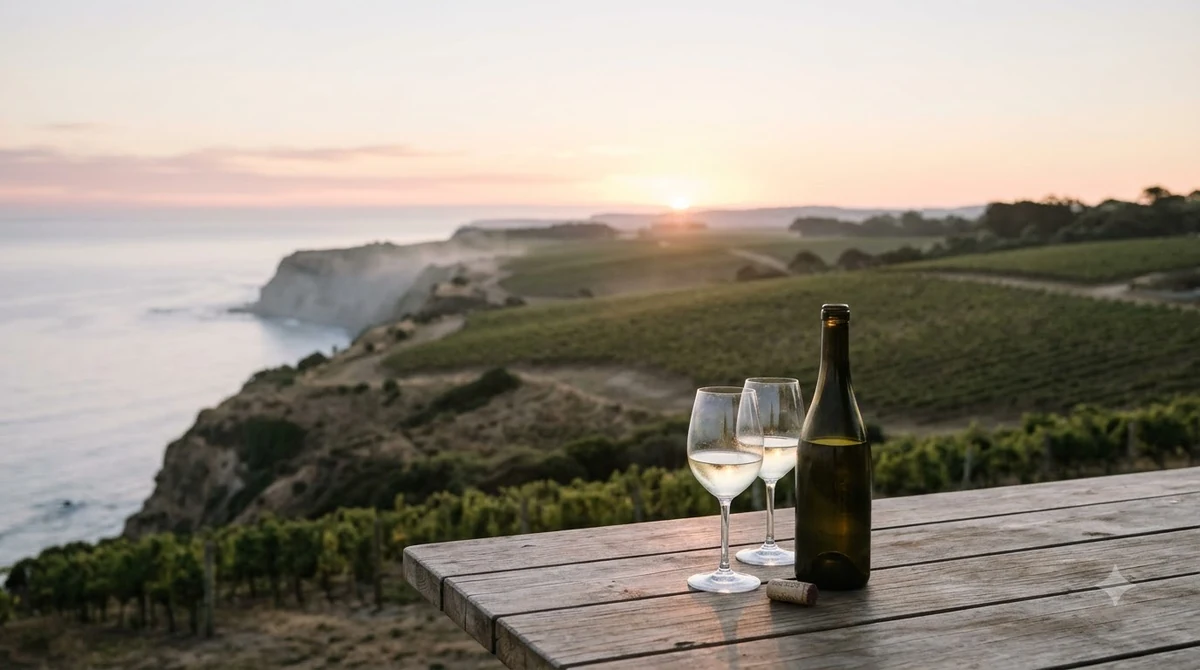
The landscape is particularly easy to understand when approaching the area from the valley floor. The Salinas River runs through an agricultural corridor, while the mountain slopes rise along its western side. Above the lower farmland, the elevated terraces provide the combination of exposure, drainage, and access to coastal air that makes the Highlands suitable for premium wine grapes. The appellation is not simply a collection of mountain vineyards: its identity depends on the relationship between the valley, the terraces, and the Pacific-influenced climate.
The Santa Lucia Highlands received American Viticultural Area approval in 1991. An American Viticultural Area, or AVA, identifies a legally recognized grape-growing region with geographical characteristics that distinguish it from surrounding areas. For wine buyers, the designation provides useful information about grape origin. It does not guarantee that every bottle tastes the same, that every vineyard grows the same grapes, or that every producer follows an identical winemaking approach.
The Santa Lucia Highlands is part of the larger Monterey County wine-growing landscape and the broader Central Coast wine region. Its identity is separate from neighboring appellations, even though they share Monterey County’s general coastal influence. A bottle labeled Santa Lucia Highlands therefore offers a more geographically specific indication than one carrying only a broader regional designation. Understanding the distinction is a useful first step in exploring Wine Regions and learning how American appellations work.
The appellation’s scale is substantial, but its identity remains closely connected to identifiable sites and growers. Its vineyards stretch along an elevated landscape where exposure, elevation, and wind conditions can change over relatively short distances. That variation helps explain why individual vineyard names have become important to the region’s reputation.
The name can sometimes cause confusion because Santa Lucia is also associated with a mountain range and other geographic features. The wine appellation specifically refers to the designated growing area in Monterey County. It should not be confused with the Santa Ynez Valley wine region farther south in California, which has its own geography, climate, growers, and characteristic grape varieties.
Monterey Bay Fog and Afternoon Winds Shape the Growing Season
The defining climatic feature of Santa Lucia Highlands vineyards is the combination of abundant sunshine and persistent coastal cooling. Cold air from Monterey Bay, nighttime fog, and strong afternoon winds slow the growing season and help preserve the acidity that gives the region’s wines their freshness.
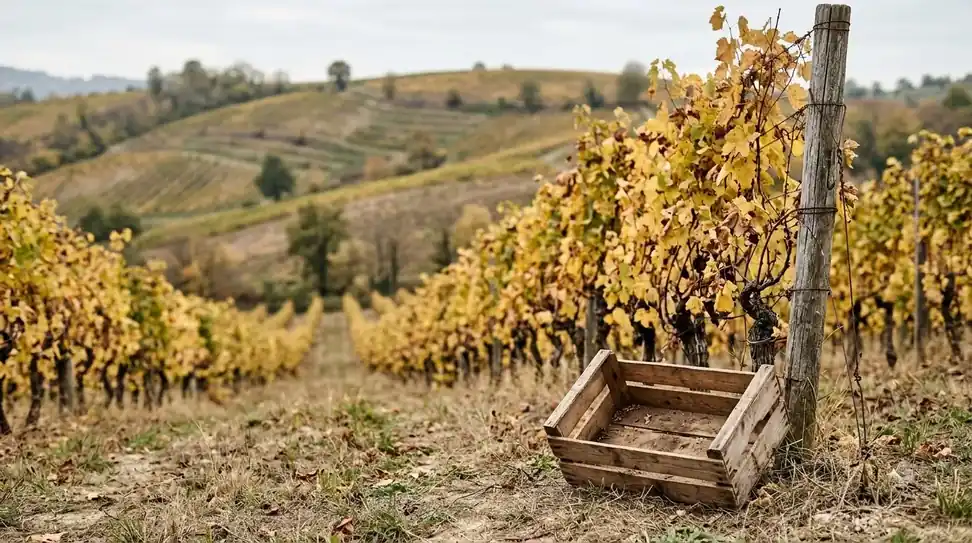
The relationship between the Pacific Ocean and the inland valleys is central to this pattern. As inland areas warm during the afternoon, cool marine air moves from Monterey Bay toward the Salinas Valley and the surrounding slopes. The resulting airflow creates unusually persistent winds through the vineyard corridor. The region experiences significant sunshine, but the vines do not necessarily experience prolonged periods of intense daytime heat.
Fog is another important component. It settles over the landscape at night and often remains into the morning, moderating temperatures during the early part of the day. The fog eventually lifts, allowing sunlight to reach the vines. This combination gives grapes access to the light needed for ripening while limiting excessive warmth. The result is a relatively long period of gradual development rather than a short, hot ripening window.
According to Santa Lucia Highlands Wine Artisans, harvest can trail the rest of California by as much as six weeks. That extended season gives growers more time to monitor flavor development, sugar accumulation, acidity, and grape texture before picking. It also helps explain why the region can produce wines with substantial fruit concentration without relying entirely on high alcohol or excessive ripeness. The organization’s regional explanation of the climate and geography describes how marine influence, fog, and wind work together throughout the growing season.
The afternoon winds have a direct influence on vineyard management. According to the regional organization, afternoon winds typically reach 10 to 15 miles per hour, with gusts up to 25 miles per hour. Persistent airflow can reduce vine vigor, increase physical stress, and affect the size and development of grape clusters. Smaller berries have a higher proportion of skin relative to juice, which can contribute color and structure to red wines. For Pinot Noir, that influence can create a combination of concentrated fruit and noticeable structural presence.
In a Decanter account of the region, winemaker Adam Lee describes the warmest portion of the day as falling between noon and 1 p.m. He also reports approximately 130 days of hang time in some vineyards, compared with roughly 100 days in Burgundy. These figures illustrate the unusual growing conditions rather than establishing fixed rules for every block or vintage.
Weather patterns also vary from vineyard to vineyard. Sites exposed directly to coastal airflow may experience more persistent wind than protected locations. Higher and lower positions on the terraces can have different sunlight exposure and fog patterns. That means the appellation’s shared climate creates a common foundation, but individual vineyard decisions determine how that foundation is expressed in the finished wine.
The interaction of cool air and California sunshine is a major reason the region is associated with both richness and acidity. The fruit can reach considerable ripeness while the natural freshness remains noticeable. That balance is one of the most useful characteristics to look for when comparing Santa Lucia Highlands Pinot Noir and Chardonnay.
Granite-Rich Terraces and Vineyard Soils
The soils beneath Santa Lucia Highlands vineyards are generally well-drained, relatively low in fertility, and influenced by ancient geological deposits. Their combination of sand, gravel, stones, and decomposed granite contributes to the distinctive growing conditions found on the elevated terraces.
The word Highlands can suggest steep alpine terrain, but the main vineyard landscape is better understood as a series of elevated alluvial terraces and benchlands. According to Decanter, these formations sit approximately 50 to nearly 200 feet above the fertile Salinas Valley floor and generally face east. The terraces were formed through geological processes that left deposits of mineral material across the landscape.
Granite-derived material is particularly significant. The ground contains a mixture of sand, gravel, and stones rather than uniformly deep, fertile agricultural soil. These relatively poor soils can restrict excessive vine growth. They also drain efficiently, meaning vineyard managers must pay close attention to irrigation, vine balance, and the development of root systems.
Regional soil descriptions identify Chualar Loam and Arroyo Seco Gravelly Sandy Loam among the characteristic soil types. These names describe different soil series rather than one identical composition covering the entire appellation. Soil depth, texture, mineral material, and water availability can change across relatively short distances.
Good drainage matters because vines need sufficient water without remaining in saturated ground. Growers must maintain a suitable balance between water availability and natural vine stress. Too much vegetative growth can create excessive shade and complicate ripening, while too much stress can interfere with vine health and grape development.
Low soil fertility and wind exposure also influence berry size and skin development. Santa Lucia Highlands Wine Artisans identifies small, thick-skinned berries as one result of the region’s particular environmental conditions. For red varieties, the skins provide the pigments, tannins, and many of the aromatic compounds that shape the finished wine. Their relative proportion to juice can therefore influence structure and concentration.
Elevation and aspect create another layer of variation. East-facing slopes receive morning sunlight, while their position above the valley helps determine how they encounter afternoon winds and coastal fog. The upper and lower sections of a property may ripen differently, even when the same grape variety and farming methods are used.
These differences explain why vineyard-designated bottlings can be particularly interesting. Two Pinot Noirs from the same appellation may share ripe fruit and refreshing acidity but differ in texture, aromatic intensity, and structural weight. The variation is not necessarily evidence that one wine represents the region better than the other. It may simply show how distinct sites and winemaking decisions influence the same grape variety.
Pinot Noir, Chardonnay, Syrah, and Other Varieties
Pinot Noir and Chardonnay are the signature grapes of Santa Lucia Highlands vineyards, with Syrah providing an important red-wine alternative. Gamay, Riesling, and sparkling wine projects also demonstrate that the appellation’s cool climate supports a wider selection of styles.
Pinot Noir: The Regional Signature
Pinot Noir is the grape most closely associated with the Santa Lucia Highlands. Its wines often combine ripe cherry, raspberry, darker berry fruit, floral notes, earthiness, and warm spice. The coastal climate helps preserve acidity, while the region’s sunlight, wind, and lengthy ripening period can produce considerable fruit concentration.
Some examples are relatively silky and aromatic, with red fruit and delicate earthy details. Others have darker fruit, more noticeable structure, and a richer overall impression. Vineyard elevation, clone selection, picking decisions, fermentation techniques, and oak treatment all influence the final result.
Pinot Noir generally has low-to-medium tannin and high acidity. In the Santa Lucia Highlands, the grape’s natural freshness can help balance a ripe fruit profile. That combination makes it useful for people who enjoy generous California fruit but prefer a wine that retains freshness and detail.
Chardonnay: From Citrus Freshness to Richer Styles
Chardonnay is the other major variety. Its regional expressions can range from lean, crisp wines with citrus and mineral impressions to fuller styles with stone fruit, tropical fruit, and subtle oak. The range reflects differences in vineyard exposure, elevation, picking time, fermentation, and maturation.
Some producers emphasize freshness and fruit clarity, using restrained oak to keep the vineyard character prominent. Other winemakers choose barrel fermentation, aging on the lees, or a more pronounced oak influence to create additional texture and richness. Neither approach automatically represents a more authentic regional expression. The vineyard provides the fruit, while the winemaker determines how its qualities are presented.
Santa Lucia Highlands Chardonnay typically has medium acidity. Good examples balance their ripe fruit with enough freshness to avoid becoming heavy. Citrus, stone fruit, and mineral impressions are useful descriptors when comparing bottles, although individual vineyards and producers can produce very different aromatic profiles.
Syrah and Emerging Varieties
Syrah provides another important expression of the region. Its flavor profile can include dark berries, black pepper, savory herbs, and earthy notes. The grape generally has medium-plus to high tannin, giving it more structural weight than Pinot Noir. Its presence demonstrates that the appellation is not limited to delicate red wines and Chardonnay.
Gamay and Riesling are among the varieties receiving additional attention from producers. Gamay offers the possibility of aromatic, fresh red wines, while Riesling can produce lively whites with expressive fruit and high acidity. The region’s growers are also exploring additional varieties and sparkling wine projects, reflecting the potential of its long, cool growing season.
The following table provides practical starting points for understanding the principal varieties and serving them at their best.
| Variety | Typical character | Tannin or acidity | Serving temperature |
|---|---|---|---|
| Pinot Noir | Cherry, raspberry, earth, floral notes, spice | Low-medium tannin; high acidity | 55-60°F |
| Chardonnay | Citrus, stone fruit, mineral notes, possible oak | Medium acidity | 50-55°F |
| Syrah | Dark berries, pepper, savory herbs | Medium-plus to high tannin | 60-65°F |
| Gamay | Fresh red fruit and aromatic character | Generally lighter tannin | 55-60°F |
| Riesling | Aromatic citrus and orchard fruit | High acidity | 45-50°F |
These temperatures are practical serving guidelines rather than strict rules. A fuller Pinot Noir may benefit from slightly less chilling, while a delicate Chardonnay can become muted if served too cold. Allowing a wine to warm gradually in the glass often reveals additional aromas and texture.
For a closer look at the styles and bottles associated with the region, explore our guide to Santa Lucia Highlands wine. The grape variety is an important starting point, but a vineyard name and producer can tell you much more about the wine’s personality.
Historic Vineyards and the People Behind the Appellation
Santa Lucia Highlands vineyards developed through the work of local farming families who recognized the potential of the coastal benchlands. The establishment of Pisoni Vineyard in 1982 and the subsequent development of sites such as Garys’, Soberanes, Sierra Mar, and Rosella’s helped establish the appellation’s modern Pinot Noir reputation.
Before the region became widely recognized for premium wine, Monterey County had a substantial agricultural identity. Farming families worked with livestock, vegetables, and other crops before investing more heavily in wine grapes. The Pisoni and Franscioni families are among the fourth-generation farming families associated with this landscape.
Gary Pisoni’s planting at Pisoni Vineyard in 1982 represents a major milestone in the area’s modern wine history. The initial planting helped demonstrate that the cool, windy mountain terraces could produce distinctive Pinot Noir. The vineyard eventually became closely associated with a distinctive selection of Pinot Noir budwood originating from Burgundy’s Vosne-Romanée.
The resulting Pisoni selection is one of the region’s best-known viticultural stories. According to Decanter, the selection was shared within a small group of associated vineyards rather than commercially distributed throughout the wider wine industry. Those named sites include Pisoni Vineyard, Garys’ Vineyard, Soberanes Vineyard, Sierra Mar Vineyard, and Rosella’s Vineyard. The Decanter account of the region’s vineyard history and Pinot Noir heritage provides additional background on the growers and the distinctive planting material.
The selection is notable for its massal character, meaning it retains variation among vines rather than representing one uniform commercial clone. Mark Pisoni has described its small berries, aromatic depth, and ability to maintain acidity. These characteristics have helped make the vineyard’s planting material an important part of the family’s legacy and the region’s Pinot Noir identity.
Garys’ Vineyard represents another influential chapter. Gary Pisoni and Gary Franscioni, longtime friends, developed prominent vineyard sites together during the 1980s and 1990s. The name refers to the two growers, both named Gary, rather than to a single individual. Its fruit has become associated with a number of respected producers, illustrating how an influential vineyard can have an identity beyond the winery responsible for a particular bottle.
Other sites contribute to the larger story by offering different elevations, exposures, and growing conditions. The result is an appellation with recognizable vineyard names rather than a single homogeneous growing area. Comparing wines from several named vineyards can be an effective way to understand the differences created by site, vine material, and farming practices.
The region’s history is also a story of vineyard maturity. As plantings established during the early expansion of modern winegrowing have aged, their character and influence have developed. Some established vines have developed root systems reaching approximately 20 to 30 feet into the ground, according to winemaker Adam Lee in Decanter’s regional account. That changing landscape gives established producers an opportunity to explore greater complexity while newer producers experiment with different varieties and winemaking techniques.
For wine buyers, producer research can be more valuable than relying on a vineyard name alone. The same vineyard can supply fruit to several wineries, each with its own picking decisions, fermentation methods, and aging program. A comparison of two bottlings from the same site can therefore reveal just as much about winemaking as it does about the vineyard.
Choosing Bottles, Visiting Vineyards, and Enjoying the Wines
The best way to explore Santa Lucia Highlands wines is to compare varieties, producers, and vineyard-designated bottlings rather than judging the whole appellation from one bottle. A little attention to the label, serving temperature, and food pairing can make the differences between individual sites easier to recognize.
How to Read a Santa Lucia Highlands Label
Start with the appellation and grape variety. A Pinot Noir labeled Santa Lucia Highlands identifies the general growing region, while a named vineyard designation gives a more specific indication of the fruit’s source. Producer names are also important because two wineries can create quite different styles from grapes grown in the same vineyard.
Single-vineyard wines are particularly useful for comparing locations. Look for familiar names such as Pisoni, Garys’, Soberanes, Rosella’s, or Sierra Mar. If you encounter several producers offering wines from the same vineyard, comparing their bottlings can show how harvest timing, whole-cluster fermentation, extraction, and oak treatment affect the result.
For a first purchase, Pinot Noir is the natural starting point because it represents the appellation’s strongest historical identity. Someone who prefers a fresher white wine might begin with Chardonnay. Those seeking darker fruit and more structure can explore Syrah. Moving between these varieties provides a practical introduction to the range of growing conditions and wine styles found in the Highlands.
What to Look for When Tasting
With Pinot Noir, pay attention to the relationship between fruit richness and acidity. Dark cherry, raspberry, earth, and spice can create a layered aromatic profile, while acidity gives the wine energy and freshness. Consider whether the texture is silky, firm, or more concentrated. Notice whether oak supports the fruit or becomes a dominant flavor.
With Chardonnay, look for the balance between fruit, texture, and freshness. Citrus and green orchard fruit often suggest a fresher presentation, while stone fruit and subtle oak can point toward a fuller style. A richer wine does not have to be heavy, particularly when its acidity remains noticeable.
Syrah deserves a slightly different approach. Consider the relationship between dark fruit, savory character, pepper, and tannin. The grape’s more substantial structure can make it particularly interesting alongside richer foods. Producers who use careful extraction and balanced oak treatments can preserve freshness while allowing the variety’s natural depth to come through.
Food Pairings and Serving
Santa Lucia Highlands Pinot Noir works particularly well with roast chicken, duck, grilled salmon, mushroom dishes, and preparations involving earthy herbs. Its relatively low tannin makes it more flexible with foods that might be difficult matches for highly tannic reds. The wine’s acidity also provides a useful contrast to richer preparations.
Chardonnay is a natural match for roast poultry, grilled shrimp, scallops, and dishes featuring cream or butter. A leaner example can complement simply prepared seafood, while a fuller, oak-influenced version can stand alongside richer dishes. For meals with noticeable acidity, choose a Chardonnay with sufficient freshness rather than one that tastes soft and heavy.
Syrah pairs well with grilled lamb, beef, roast pork, and dishes containing black pepper or savory herbs. Its higher tannin can feel softer alongside protein, salt, and fat. Very spicy food requires more care because alcohol and tannin can make chili heat seem stronger. Delicate or oily fish generally work better with lower-tannin styles than with strongly structured red wines.
Tip: Serve Santa Lucia Highlands Pinot Noir at 55-60°F and Chardonnay at 50-55°F. Pour approximately 5 ounces per glass; a standard 750 ml bottle provides about five servings. These serving temperatures help preserve aroma while allowing the wines’ fruit and acidity to show clearly.
Planning a Visit to the Region
The River Road corridor provides an important geographic starting point for exploring the appellation. It follows much of the vineyard area, giving visitors a sense of how the Salinas River Valley and the elevated western terraces relate to one another. The combination of farmland, mountain slopes, and coastal influence makes the area particularly interesting to anyone wanting to understand how geography affects wine.
When arranging vineyard visits, distinguish between a winery’s production property, its vineyard holdings, and its public tasting location. A producer may grow or purchase grapes from the Highlands but host visitors in a nearby town. Check the tasting arrangements and availability before setting out, especially when visiting smaller operations that may require appointments.
A useful itinerary includes more than one variety. Tasting a Pinot Noir and Chardonnay side by side provides a foundation, while adding Syrah or Riesling demonstrates the appellation’s broader potential. Comparing wines from different vineyard designations is another way to learn about soil, exposure, and winemaking choices.
Visitors interested in regional wine culture can also investigate the Santa Lucia Highlands wine festival. Events provide an opportunity to encounter several producers and varieties in one setting, although specific participants and schedules can change from one event to another. A tasting-focused visit is particularly valuable when it combines an understanding of the vineyards with conversations about grape growing and cellar decisions.
Whether exploring the region in person or buying bottles elsewhere, the central lesson is that the appellation’s identity comes from the relationship between place and producer. Monterey Bay creates the cooling conditions, the terraces provide distinctive growing environments, and individual growers determine how those conditions translate into grape quality. Paying attention to all three makes the wines much more interesting than simply recognizing the regional name.
Frequently Asked Questions
The history of the Santa Lucia Highlands extends beyond modern winegrowing, while its coastal geography creates several unusual conditions. These additional details help explain the wider Monterey County landscape surrounding the vineyards.
What Indigenous people lived in the Santa Lucia Highlands region before Spanish colonization?
The Te’po’ta’ahl, whom Spanish colonists called the Salinians, inhabited the broader region before Spanish settlement. Their traditional territory extended from the Pacific Coast across the Santa Lucia Mountains toward the Salinas River. Spanish missions were subsequently established at locations including modern-day Soledad and Jolon during the late 1700s.
Why is the water off Monterey Bay particularly cold?
A deep submarine canyon off the coast contributes to the unusually cold marine environment described in regional wine accounts. This cold water influences the coastal air that moves inland through the Salinas Valley. The resulting temperature patterns help distinguish the Highlands from warmer inland California wine-growing areas.
What agricultural products are grown around the wine vineyards?
The broader Salinas Valley is famous for commercial vegetable production and is often called America’s Salad Bowl. Crops include lettuce, broccoli, artichokes, cauliflower, and strawberries. Decanter reports that the region produces more than half of the country’s lettuce, illustrating how winegrowing operates alongside a much larger agricultural economy.
How do older vines change the character of Santa Lucia Highlands wine?
As vineyards mature, their root systems can extend farther into the ground, giving vines access to a greater volume of soil. Decanter reports that roots in some established vineyards reach approximately 20 to 30 feet. Winemakers interviewed in the article associate this development with additional complexity beyond straightforward primary fruit character.
Why is the Pisoni clone unusual among Pinot Noir selections?
The Pisoni selection is a massal selection associated with budwood originating in Vosne-Romanée, Burgundy. Rather than being distributed widely through commercial nurseries, it has remained connected to a small group of associated family vineyards. Its preservation is regarded by the Pisoni family as part of the history of the Santa Lucia Highlands.
Santa Lucia Highlands vineyards demonstrate how coastal weather, mountain terraces, soil composition, and generations of farming can create a distinctive American wine region. Pinot Noir and Chardonnay remain its defining varieties, but Syrah and emerging grape selections make the appellation increasingly interesting to explore. For anyone discovering Monterey County wine, comparing individual vineyard bottlings is one of the best ways to appreciate what makes this region distinctive.
More in Wine Regions
 Willcox Wine Trail: Discover Arizona’s High-Elevation Wine CountryUpdated Nov 20, 2026
 Yakima Valley Wine Region: Find the Best Styles to TryUpdated Nov 20, 2026
 Vosne Romanee Wine Tasting: Identify Aromas and Choose Better PairingsUpdated Nov 20, 2026
 Yakima Valley Wine Festival: Find the Best Seasonal Wine EventsUpdated Nov 20, 2026
 Wales Vineyards: Discover Cool-Climate Wines and Where to VisitUpdated Nov 20, 2026
 Yountville Wine Festival: Discover Napa Wines and Local FoodUpdated Nov 20, 2026