

We may earn a commission when you buy through links on this page, at no extra cost to you. Learn more.
How long does ice wine last unopened? Most quality unopened Icewine bottles can retain their character for 5-10 years when stored properly, while well-made Riesling Icewine and certain exceptional bottles can age considerably longer. High natural sugar concentration and acidity help protect the wine during storage, but grape variety, vintage, production quality, and temperature all influence its lifespan. For the best balance of freshness and development, follow the producer’s recommended drinking window and keep bottles in a consistently cool, dark environment.
Icewine is a special dessert wine made from grapes that freeze naturally on the vine before harvest. The freezing process concentrates the grapes’ sugars, acids, and flavors, creating a sweet, intensely flavored wine that can remain enjoyable for years. Unlike many everyday white wines, a quality bottle of Icewine does not necessarily need to be opened soon after purchase. However, its ability to age depends on more than sweetness alone. Understanding the differences between grape varieties, storage conditions, and aging characteristics helps you decide whether to open a bottle for an upcoming celebration or save it for another occasion.
How Long Unopened Icewine Typically Lasts
Most quality unopened Icewine can age for approximately 5-10 years under suitable storage conditions, although some bottles are intended for earlier enjoyment and exceptional examples can develop over several decades. The producer’s recommended cellaring period is the most useful starting point because different wines have different structures and aging potential.
For a practical household guideline, consider the following general ranges. These are estimates rather than guaranteed expiration dates, and the condition of the wine depends heavily on how consistently it has been stored.
| Icewine category | Typical unopened aging window | General expectation |
|---|---|---|
| Young, fruit-focused Vidal | 2-5 years | Best for fresh tropical fruit and honey notes |
| Quality Vidal Icewine | 5-10 years | Can develop richer dried-fruit characteristics |
| Riesling Icewine | 5-15 years | Good acidity supports longer development |
| Premium Riesling Icewine | 10-20 years or longer | Can develop honey, caramel, and complex mature aromas |
| Cabernet Franc Icewine | 3-10 years | Fruit and color evolve during storage |
| Exceptional, age-worthy Icewine | 15-30 years or longer | Depends on producer, vintage, and bottle condition |
These ranges should not be treated as universal guarantees. A carefully made Riesling Icewine from a strong vintage may remain attractive much longer than a simpler Vidal bottling designed for early drinking. Conversely, an inexpensive bottle that has spent several summers in a warm kitchen may deteriorate well before reaching five years.
Producer guidance offers a more reliable reference than a generic aging chart. For example, Sue-Ann Staff Estate Winery in Jordan, Ontario, describes its Icewine as suitable for immediate enjoyment or cellaring for up to 10 years. Its guidance also explains that properly stored unopened bottles can age for 10 years or more. Gehringer Brothers Estate Winery in British Columbia similarly explains that Riesling and Vidal Icewines can remain in storage for several years because of their acidity.
The important distinction is between being safe to keep and being at its best. A bottle can remain drinkable after its recommended drinking window, but its fresh fruit, aromatic intensity, and balance may have changed. If a bottle is already approaching the end of its suggested aging period, opening it for a special dinner is generally a better choice than assuming another decade will improve it.
Why Icewine Can Age for So Long
Icewine has two important natural characteristics that support its longevity: concentrated residual sugar and substantial acidity. Together, these elements create a structure that can preserve the wine’s balance and allow its flavors to evolve gradually during bottle aging.
Natural freezing is central to this concentration. Under Ontario VQA requirements, grapes must freeze naturally on the vine at -8°C (17.6°F) or colder before they are harvested and pressed. As water freezes inside the berries, the remaining juice becomes concentrated in sugars, acids, and flavor compounds. This produces a wine with a much more intense composition than an ordinary dry white wine.
Natural sugar concentration
Residual sugar contributes to Icewine’s distinctive sweetness and helps create an environment that is less favorable to many spoilage microorganisms. It is one reason a properly made sweet wine can have a longer useful life than an ordinary light white wine.
However, sugar does not make wine immune to deterioration. Oxidation, heat exposure, faulty closures, and microbial problems can still affect a sealed bottle. High sugar should therefore be considered one part of the wine’s protective structure rather than a guarantee of indefinite preservation.
Acidity preserves freshness
Acidity is equally important. A sweet wine without sufficient acidity can taste heavy and unbalanced, especially after extended storage. Quality Icewine combines concentrated sweetness with enough freshness to keep its flavors lively.
Riesling is particularly well suited to this balance. Its naturally high acidity helps the wine retain freshness while its aromatic profile gradually develops additional complexity. Vidal also has useful acidity, although its typical tropical fruit character and aging trajectory differ from those of Riesling.
Gehringer Brothers Estate Winery specifically identifies Riesling and Vidal as varieties with enough acidity to support several years of storage. This explains why some Icewines can mature successfully even though they are often served as relatively young dessert wines.
Concentrated flavor compounds
The concentrated juice also contributes to the wine’s intense aromas and flavors. Depending on the variety, young Icewine can show peach, pineapple, mango, apricot, citrus, strawberry, and honey. These flavors provide the starting point for further development in the bottle.
As the wine ages, some fresh fruit aromas become less prominent while mature characteristics emerge. Honey, dried apricot, caramel, and preserved citrus can become more noticeable. This transformation is part of normal development rather than automatic evidence that the wine has spoiled.
How Grape Variety Changes Icewine Shelf Life
Grape variety is one of the most useful clues when estimating how long an unopened Icewine bottle can age. Vidal, Riesling, and Cabernet Franc each bring different combinations of acidity, fruit intensity, and structure, so they do not necessarily reach their best drinking stage at the same time.
Vidal Icewine
Vidal Blanc is particularly important in Canadian Icewine production. Its thick skins and suitability for cold climates make it a practical choice for grapes that remain on the vine well beyond the normal harvest period.
Vidal Icewine commonly displays tropical fruit, peach, pineapple, citrus, and honey characteristics. These generous aromas make it attractive relatively young, especially when the goal is to enjoy a vivid, fruit-driven dessert wine.
A useful general target is approximately 2-5 years for bottles designed around freshness, with quality examples potentially remaining attractive for 5-10 years. Vidal can develop richer honeyed and dried-fruit notes, although prolonged aging may gradually reduce its fresh tropical character.
Sue-Ann Staff Estate Winery’s Howard’s Icewine Vidal provides a useful example of the style. The winery describes its Vidal bottlings as having stone-fruit and candied-citrus characteristics balanced by lively acidity. Such wines can be enjoyed young without sacrificing the opportunity to cellar a suitable bottle for a later occasion.
Riesling Icewine
Riesling is generally the strongest candidate for extended aging among the common Icewine varieties. Its pronounced acidity provides structure beneath the sweetness, helping preserve freshness as the wine develops.
Young Riesling Icewine may show lime zest, apricot, peach, citrus, and mineral characteristics. After several years, the profile can become more complex, with honey, dried fruit, caramel, and occasionally petrol-like aromatic notes.
A 5-15-year aging window is a useful general guideline for quality Riesling Icewine, while exceptional examples can remain attractive for 20 years or longer. Ontario Wine identifies five to ten years as a useful cellaring period for Niagara Riesling Icewine, during which caramel and petrol notes can develop without necessarily losing the wine’s lively acidity.
Cabernet Franc Icewine
Cabernet Franc produces a red or pink-toned Icewine with a different aromatic profile from white varieties. Strawberry, red currant, rhubarb, and other red-fruit characteristics are common, often accompanied by a rich, sweet texture.
Its aging potential varies by producer and vintage. A general window of 3-10 years provides a reasonable starting point, although some well-made examples may remain enjoyable beyond that period.
Red Icewine can change in both color and aroma during storage. Bright red and pink tones may gradually become deeper or more amber-like, while fresh berry aromas can develop into dried-fruit and jam-like characteristics. These changes are not automatically defects, but excessive heat or oxidation can make the wine taste tired.
Tip: If you own several Icewine varieties and want to decide which bottle to open first, start with a younger, fruit-focused Vidal and consider saving a high-acidity Riesling for longer cellaring. The producer’s recommended drinking window should take priority over a general variety-based estimate.
Best Storage Conditions for Unopened Icewine
Consistent storage conditions matter more than simply placing an Icewine bottle somewhere cool. A stable temperature, protection from sunlight, limited vibration, and an appropriate bottle position help preserve the wine’s original aromas and structure over several years.
A cellar temperature near 55°F (13°C) is a practical target for long-term wine storage. Avoid locations where the temperature repeatedly rises and falls, because fluctuations can stress the closure and accelerate unwanted aging.
Keep the temperature consistent
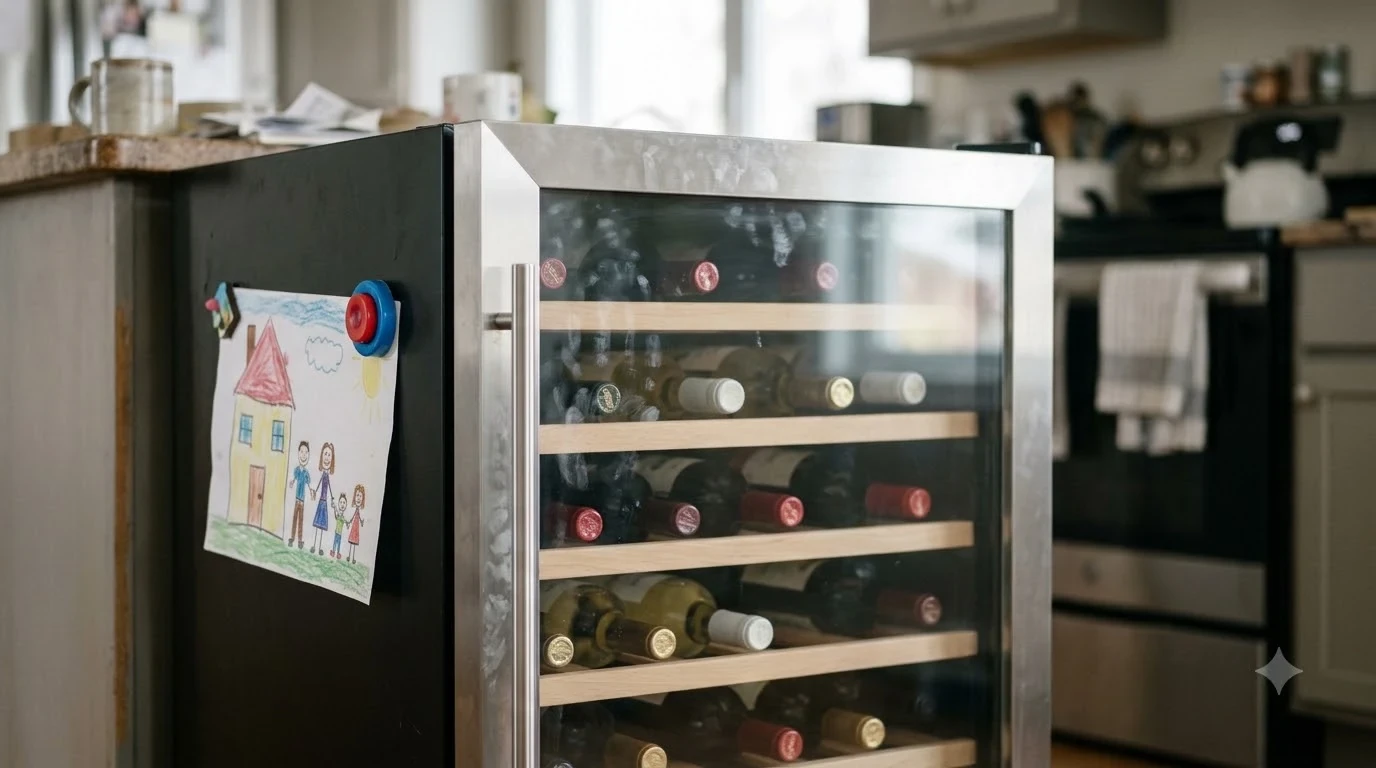
Temperature stability is particularly important for bottles intended to age for 10 years or longer. A cool basement wine cellar or temperature-controlled wine refrigerator is generally more suitable than a kitchen cabinet or pantry near cooking appliances.
Repeated exposure to temperatures above approximately 70°F (21°C) can accelerate chemical reactions that change wine aromas and flavors. Prolonged exposure to substantially higher temperatures creates an even greater risk of premature aging and oxidation.
For example, an Icewine bottle stored in a basement that remains close to 55°F is generally in a better position to age gradually than one kept in a cupboard that becomes hot during summer afternoons. Even if both bottles remain unopened, their development can be very different.
Protect bottles from light
Direct sunlight and strong artificial lighting should be avoided. Light exposure can damage wine aromas and contribute to premature deterioration, especially when bottles are stored in clear or lightly colored glass.
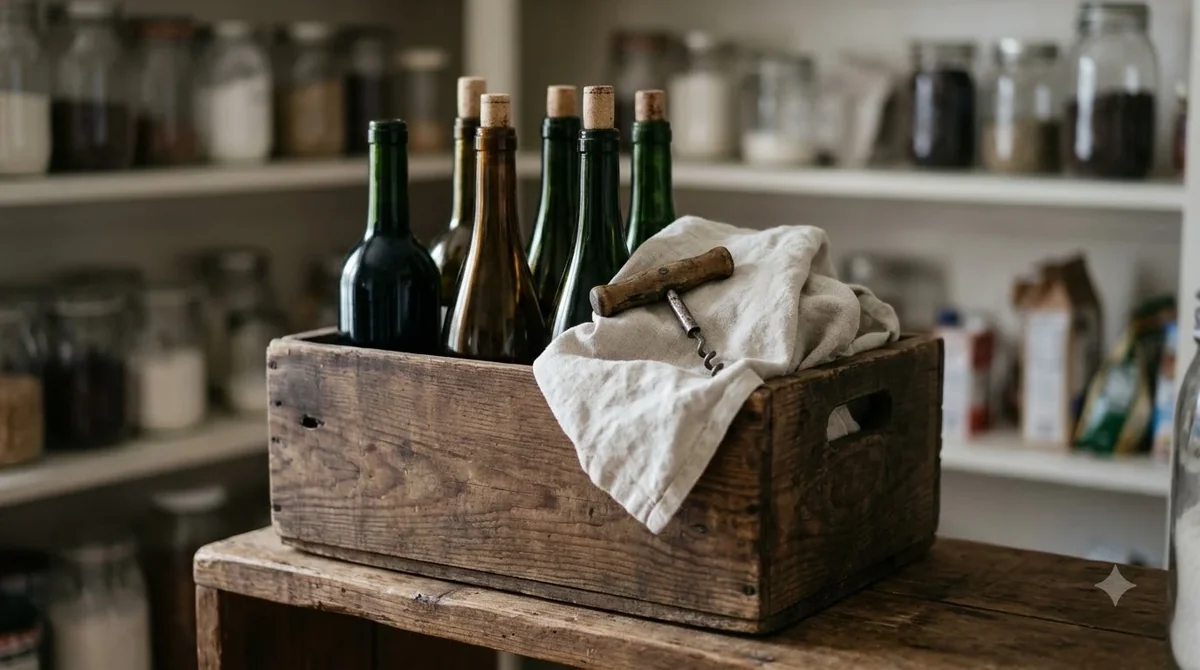
A dark wine cabinet, cellar, or closed storage box provides a simple solution. If your bottle comes in a decorative gift box, keeping the box during storage can provide an additional barrier against light, although it does not replace proper temperature control.
Choose an appropriate bottle position
Traditional cork closures generally benefit from horizontal storage because contact with wine helps keep the cork from drying out. This is particularly relevant for bottles intended for extended cellaring.
Screw-cap and glass-stopper bottles do not depend on the same cork-moisture considerations. They can generally be stored upright or horizontally according to the producer’s guidance and available space.
Regardless of closure type, avoid frequent movement. A bottle that remains undisturbed in a stable environment is easier to manage than one that is repeatedly moved between cupboards, refrigerators, and storage shelves.
Do not use the freezer for long-term storage
Although Icewine is produced from frozen grapes, that does not mean the finished wine should be stored in a household freezer. Freezing the bottled wine can cause expansion, potentially affecting the closure and bottle integrity.
Gehringer Brothers Estate Winery also cautions against freezer storage because excessive cold can suppress the wine’s aromatic bouquet. Refrigeration is useful for chilling a bottle before serving, but a wine cellar or suitable storage cabinet is a better choice for long-term preservation.
For additional storage comparisons, see our explanations of how long boxed wine lasts unopened and how long Cabernet Sauvignon lasts unopened. Different wine styles have different storage requirements, even when they share the same bottle size.
How Icewine Changes During Bottle Aging
Aging does not simply make Icewine better or worse. It changes the balance between fresh fruit, sweetness, acidity, and mature aromas, producing a different drinking experience at different stages of the wine’s development.
Young Icewine: Fresh fruit and brightness
During the first few years after bottling, many Icewines retain their most recognizable primary fruit aromas. Vidal may show pineapple, mango, peach, and citrus, while Riesling can emphasize apricot, lime, and floral notes.
Cabernet Franc generally displays fresh strawberry, red currant, and rhubarb characteristics. These younger wines are particularly appealing when served with fruit desserts, cheesecake, or blue cheese because their bright aromas provide contrast to rich foods.
For drinkers who prefer recognizable fruit flavors and a lively finish, opening Icewine relatively young is often the right decision. There is no requirement to cellar a bottle simply because its category has aging potential.
Middle-aged Icewine: Honey and dried fruit
After approximately five to ten years, suitable bottles may begin showing more mature aromas. Fresh peach and pineapple can become less prominent, while honey, dried apricot, marmalade, and preserved citrus become more noticeable.
Riesling can develop additional mineral and petrol-like characteristics, particularly in wines with strong acidity. These aromas are associated with the variety’s evolution and are not automatically signs of oxidation or spoilage.
Vidal may develop a richer, more concentrated impression, with dried tropical fruit and honey taking the place of some of its original fresh fruit notes. The texture can also seem more integrated as the wine matures.
Older Icewine: Greater complexity and changing freshness
Older Icewine can display caramel, nuts, dried fruit, and deeper honey-like aromas. Its color may also become darker, moving from pale gold toward deeper gold, amber, or copper tones depending on the grape variety and storage history.
These developments can be appealing when the wine has retained sufficient acidity and freshness. However, extended aging is not always beneficial. Eventually, fruit intensity can fade, the wine may become less balanced, and oxidation can introduce flat or unpleasant characteristics.
The best drinking point is therefore a matter of preference. Some people prefer a younger Vidal with fresh tropical fruit, while others enjoy an older Riesling with developed honey and mineral complexity.
There is also a difference between normal aging and damage. A darker color alone does not establish that a bottle is spoiled. A combination of unusual aromas, dull flavor, and obvious oxidation is more concerning than a gradual color change in an otherwise balanced mature wine.
Signs That an Unopened Icewine Bottle May Have Deteriorated
An unopened bottle does not necessarily remain in perfect condition throughout its entire potential lifespan. Storage problems, damaged closures, and excessive heat can cause deterioration even when the wine has never been opened.
Before opening an older bottle, examine its external condition. These checks cannot prove that the wine is good, but they can help identify potential problems before you serve it.
Inspect the closure and bottle
Look for a damaged capsule, a loose closure, leakage, or sticky residue around the neck. These can indicate that wine has escaped or that the seal has been compromised.
For cork-finished bottles, a cork that appears to have moved upward or a capsule showing dried wine residue deserves attention. These signs can suggest exposure to excessive heat or pressure changes during storage.
Also examine the fill level. A noticeably low level in an older bottle can indicate evaporation or leakage. Some gradual variation can occur over time, but a bottle with a substantially reduced fill level deserves caution.
Look for unexpected visual changes
Icewine naturally changes color with age, so a deeper golden or amber appearance is not automatically a problem. However, an unexpectedly brown appearance combined with other signs of oxidation may indicate that the wine has deteriorated.
Cloudiness, unusual floating material, or unexpected deposits should also be assessed carefully. Some harmless sediment can occur in wine, particularly in older bottles, but unusual changes deserve further inspection.
Evaluate aroma after opening
Once opened, smell the wine before serving it. Healthy Icewine should retain recognizable fruit, honey, floral, or other variety-specific aromas, even if those aromas have developed during aging.
Strong vinegar-like smells, stale nut aromas, bruised-apple characteristics, or a distinctly unpleasant musty smell can indicate a problem. A tired wine may also have very little aroma left despite its original sweetness.
Check the flavor and overall balance
A good mature Icewine should still have enough acidity to balance its sweetness. If the wine tastes flat, excessively oxidized, or unpleasantly sour, it may have passed its best drinking stage.
Remember that sweetness can remain noticeable even when the wine has lost much of its freshness. A sweet taste alone is not proof that the bottle is in excellent condition.
For bottles with significant leakage, a compromised closure, or obvious signs of heat damage, it is better to avoid serving them to guests. Proper storage from the time of purchase is the most effective way to reduce these risks.
Frequently Asked Questions
Does Icewine have an expiration date printed on the bottle?
Most Icewine bottles do not carry a conventional expiration date. They usually identify the vintage, which indicates the year the grapes were harvested rather than a guaranteed last-drinking date. Some producers also publish a recommended drinking window on their product pages or technical descriptions. That information is more useful than trying to calculate an exact expiration date from the bottling year.
Can an unopened Icewine bottle still be good after 25 years?
Yes, an exceptional bottle can remain enjoyable after 25 years, particularly if it has strong acidity and has been stored consistently. Certain German Riesling Eisweins and premium Canadian Riesling Icewines have the structure to develop over extended periods. However, a 25-year-old bottle should be treated as a mature wine rather than assumed to retain the same freshness as a recently bottled example.
Does an Icewine bottle need to be stored at exactly 55°F?
No. Approximately 55°F is a practical cellar target, not an exact requirement. A stable environment between roughly 50°F and 59°F is generally suitable for long-term wine storage. Avoid sudden temperature changes, and prioritize consistency over achieving a particular single-degree reading.
Does the bottle size affect how Icewine ages?
Yes. A 375 mL half-bottle has a higher ratio of closure exposure to wine volume than a larger format, so it can develop somewhat differently during extended aging. Large-format bottles often mature more slowly because they contain more wine relative to the closure. Ontario producers commonly use 375 mL formats because Icewine is concentrated and usually served in small portions.
Can an unopened Icewine bottle be stored in a wine refrigerator with dry white wines?
Yes. A wine refrigerator can accommodate both Icewine and dry white wines if its temperature remains stable and the bottles are protected from light. A setting near 55°F is suitable for general long-term storage. Icewine should be chilled further before serving rather than kept at serving temperature throughout its entire storage period.
Most quality unopened Icewine can last 5-10 years, with high-acidity Riesling and exceptional bottles offering the potential for much longer aging. Keep your bottle cool, dark, and protected from temperature fluctuations, and use the producer’s recommended drinking window to guide your decision. Whether you open a young Vidal for fresh tropical fruit or save a premium Riesling for a future celebration, proper storage gives the wine its best opportunity to retain its distinctive sweetness and character. Explore more wine varieties and storage advice in our Wine by Type section, or compare the aging characteristics of another traditional fermented drink with our guide to how long mead lasts unopened.
For further producer-specific information, consult Sue-Ann Staff Estate Winery’s Niagara Icewine guidance and Gehringer Brothers Estate Winery’s Icewine recommendations.
More in Wine Types & Grapes
 Zinfandel Sugar Content: Dry Red vs. White Zinfandel GramsUpdated Nov 21, 2026
 Best Zinfandel Substitute Options for Sipping and CookingUpdated Nov 21, 2026
 Zweigelt Food Pairing: Best Dishes, Cheeses, and Serving TipsUpdated Nov 21, 2026
 Zinfandel Tannins Explained: How Structure Shapes Every BottleUpdated Nov 21, 2026
 Zinfandel Sweetness Level: Dry Red vs. Sweet White Zin ExplainedUpdated Nov 21, 2026
 Xinomavro Food Pairing: Best Dishes, Styles, and Serving TipsUpdated Nov 21, 2026