

We may earn a commission when you buy through links on this page, at no extra cost to you. Learn more.
The malbec grape is a dark-skinned red wine grape that started in southwest France and is now best known in Argentina, where it is the most widely planted red variety. The grape gives deep purple color, dark fruit, and a velvety texture, and its style changes a lot depending on where it grows. In Cahors it is firm and tannic, while Argentine Malbec is usually softer, riper, and more perfumed.
This guide explains where Malbec comes from, how it tastes in different regions, how to serve it, and what to pair it with. It also helps you choose a bottle when you want the grape’s dark fruit without too much heaviness.
Where Malbec Comes From
Malbec is a purple grape used for red wine, and its historic home is Cahors in southwest France. The Wikipedia article on Malbec notes that the grape is one of six varieties permitted in red Bordeaux blends, which reflects its long role in the broader Bordeaux region. The name has changed over time, and the ampelographer Pierre Galet has argued that the original name was Côt, with the variety probably coming from northern Burgundy. Folk stories about its origin are not confirmed, so the safest answer is that Malbec’s roots are in France.
In the modern era, the grape moved far beyond France. Plantings are now found in Chile, the United States, Australia, New Zealand, South Africa, and other countries. In France, the grape is now mainly grown in the southwest, where Cahors is the best-known zone and Malbec is the dominant red variety.
The real turning point came in Argentina. The Wikipedia article says Malbec is today the most widely planted red grape in the country, with Mendoza as the leading producer. That is why many drinkers first meet the grape as an Argentine red, even though its history is rooted in France.
The grape is also called Côt or Auxerrois in southwest France, and it was a natural cross of two less-known varieties. It has long been an important blending grape in Bordeaux, but it never became a leading grape there because it is prone to fungal disease and pests. Its breakthrough in Mendoza followed a planting by the French botanist Michel Pouget in 1868. Wine Folly’s Malbec guide covers these origin details and is a good next read.
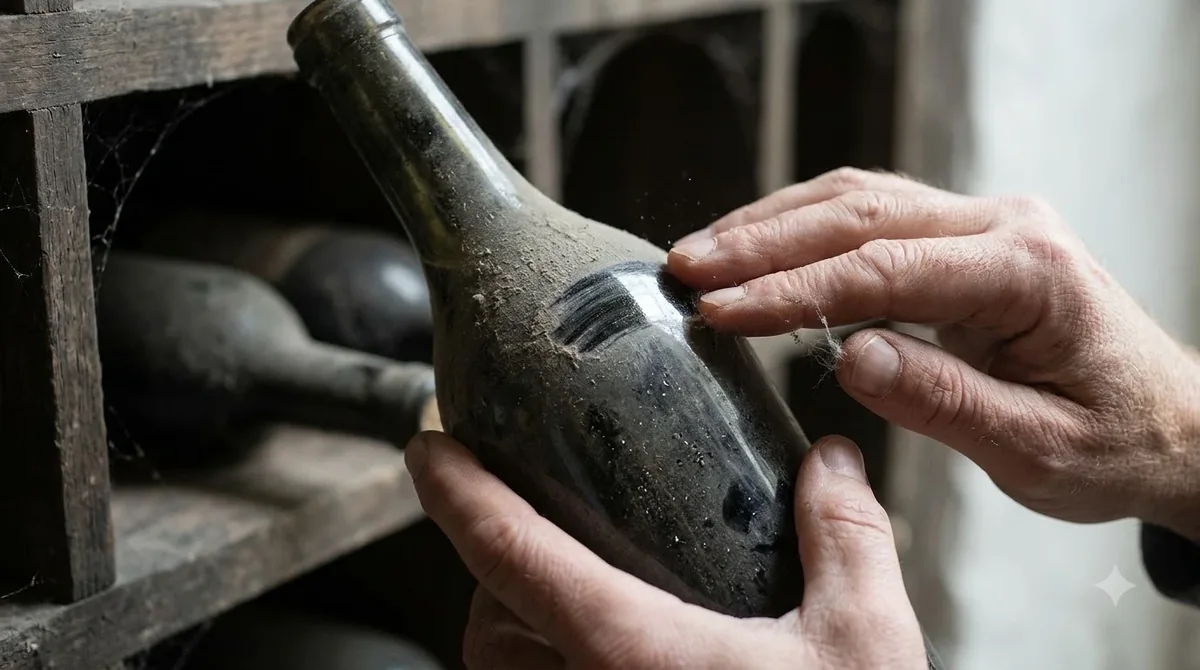
How Malbec Tastes in Different Regions
The same grape can taste very different depending on the place it is grown. Cahors Malbec is dark and tannic. Oz Clarke describes it as deep purple with aromas of damsons, tobacco, garlic, and raisin, which is a firm, savory style that often needs time in the bottle to soften.
In Bordeaux, Malbec plays a supporting role. Jancis Robinson calls it a rustic version of Merlot, with softer tannins, lower acidity, and blackberry fruit when it is young. It usually adds color and structure to a blend rather than taking center stage.
Argentine Malbec is the style most people know. It is typically deep in color, with intense fruit and a velvety texture. The tannins tend to be riper and softer than those of Cahors, and many bottles show violet aromas, dark berry, and plum. Good examples feel generous and approachable, which is why the style became so popular with a wide range of drinkers.
| Region | Typical style | Common flavors |
|---|---|---|
| Cahors, France | Dark, firm, tannic | Damson, tobacco, garlic, raisin |
| Bordeaux blends | Softer, supporting role | Blackberry, plum, a rustic edge |
| Mendoza, Argentina | Deep color, velvety, fruit-forward | Dark berry, plum, violet |
Tip: If a Malbec tastes too heavy, look for one from a cooler site or a producer who emphasizes freshness. Those bottles usually keep the fruit lively without losing the grape’s dark character.
Common Styles of Malbec Wine
Most Malbec is sold as a varietal wine, meaning the bottle is mostly or entirely Malbec. These wines can be inky and intense, and they show the grape’s fruit most clearly. Varietal Malbec is the easiest way to learn the style, and it is widely available at most price levels.
Malbec is also used in blends. In Cahors, the AOC rules require at least 70 percent Malbec in the blend, so the grape stays at the center of the wine. Bordeaux-style blends, sometimes labeled claret or Meritage, may include Malbec alongside Cabernet Sauvignon, Merlot, and other varieties. Blends can add structure and balance, which is useful if you want a more food-friendly wine.
How to Serve Malbec
Malbec is a red wine that benefits from a little time before serving. The Wine Folly guide suggests serving it at 60 to 68 degrees Fahrenheit (15 to 20 degrees Celsius), and it says good bottles can be cellared for five to ten years. Pour it slightly cooler than the room where it is stored, since warm temperatures can make the alcohol and fruit feel heavy. A brief rest in a cool room or a short visit to the refrigerator is usually enough.
Use a large glass so the aromas of dark fruit and spice can open up. Younger, firmer bottles, especially from Cahors, often benefit from decanting for a short time before dinner. Argentine Malbec is usually approachable enough to drink without decanting, though a few minutes of air can help it show more of its perfume.
Food Pairing With Malbec
Malbec is a classic match for grilled and roasted meat. Its dark fruit and soft tannins work well with steak, lamb chops, and sausages from the grill. A richer Cahors can handle braised beef or a stew with root vegetables, where the tannins balance the fat.
Malbec also works with dishes that have smoky or savory flavors. Try it with roasted mushrooms, tomato-based pasta, or a plate of aged cheese and cured meat. For a simple match, pair a fruit-forward Argentine Malbec with grilled vegetables and a sprinkle of herbs. The wine’s dark berry character complements smoke and char.
How to Choose a Malbec
Start with the origin. If you like soft, fruit-driven reds, Argentine Malbec is a reliable choice. If you enjoy firmer, more savory wines, look for Cahors or a Malbec from a producer who describes the wine as structured. Labels usually name the country and region, which gives you a good sense of the style before you open the bottle.
Next, check whether the bottle is a varietal or a blend. A varietal Malbec shows the grape most clearly, while a blend can bring more balance and structure. If you already know the grapes you like, comparing Malbec with a grape such as Pinot Noir can help you see how a lighter red differs from Malbec’s darker profile.
For a wider view of grape families and styles, the Wine by Type section is a useful next stop. It places Malbec alongside other red and white varieties so you can decide what to try next.
Frequently Asked Questions
What does Malbec taste like?
Malbec is usually dark and fruit-forward, with flavors of dark berry, plum, and violet. Cahors versions are firmer and can show damson, tobacco, and savory notes, while Argentine versions tend to be softer and more velvety.
Where is Malbec grown?
Malbec is grown in France, especially Cahors in the southwest, and in Argentina, where Mendoza is the leading producer. It is also planted in Chile, the United States, Australia, New Zealand, South Africa, and other countries.
Is Malbec a good wine for beginners?
Yes. Argentine Malbec is usually approachable, with ripe fruit and soft tannins. It is easy to enjoy with simple grilled food and a good starting point for anyone exploring red wine.
What is the difference between Malbec and Merlot?
Malbec tends to have deeper color and more dark-fruit intensity, while Merlot is often softer and rounder. In Bordeaux, Jancis Robinson describes Malbec as a rustic version of Merlot, which helps explain the difference in style.
Malbec is a versatile red that shows its best side in a glass with grilled food. Start with an Argentine bottle to learn the fruit-forward style, then try a Cahors or a Bordeaux blend to see how the grape changes across regions.
More in Wine Types & Grapes
 Zinfandel Sugar Content: Dry Red vs. White Zinfandel GramsUpdated Nov 21, 2026
 Best Zinfandel Substitute Options for Sipping and CookingUpdated Nov 21, 2026
 Zweigelt Food Pairing: Best Dishes, Cheeses, and Serving TipsUpdated Nov 21, 2026
 Zinfandel Tannins Explained: How Structure Shapes Every BottleUpdated Nov 21, 2026
 Zinfandel Sweetness Level: Dry Red vs. Sweet White Zin ExplainedUpdated Nov 21, 2026
 Xinomavro Food Pairing: Best Dishes, Styles, and Serving TipsUpdated Nov 21, 2026