

We may earn a commission when you buy through links on this page, at no extra cost to you. Learn more.
The Traverse City Wine Festival is not a single fixed event, but the wine-focused festival most visitors plan around today is Traverse City Food & Wine, a five-day August celebration of northern Michigan wine, food, and chefs. Its second annual edition runs August 19 through 23 and centers on the waterfront at Traverse City Open Space. The name also belongs to other Traverse City wine events, including a June wine-and-art festival and a May celebration called Traverse City Uncorked. This guide explains how those events differ and how to plan a wine-focused visit around them.
Searches for the Traverse City Wine Festival usually come from visitors who saw one listing and want to know how it fits with the others. The confusion is understandable because the city hosts several wine-centered gatherings with overlapping names and very different formats. Some are long, food-heavy weekends with chef demonstrations and dinners. Others are self-guided spring tours or single-afternoon tastings in a park. Knowing which event is which helps you choose the right dates, plan how many tasting rooms you can realistically visit, and decide whether you want a crowd or a more relaxed pace.
What the Traverse City Wine Festival Name Covers
Three events have carried Traverse City wine-festival names, and each one suits a different kind of visitor.
The current headline event is Traverse City Food & Wine, which Traverse City Tourism launched in 2025 as an annual celebration of local food, farms, and wine. The second is Traverse City Uncorked, a spring program that turns the region’s wineries into a self-guided tour. The third is the older Traverse City Wine & Art Festival, which started in 2009 and was later renamed the Wine & Cider Festival. The table below compares the three by timing, venue, and scale.
| Event | Timing | Main venue | Scale noted in sources |
|---|---|---|---|
| Traverse City Food & Wine | Five days, August 19 to 23 | Traverse City Open Space | More than 80 events in its first year, with visitors from 34 states |
| Traverse City Uncorked | Daily, May 1 to May 10 | Traverse Wine Coast wineries | Self-guided tour with a digital passport |
| Wine & Art Festival (later Wine & Cider) | One June Saturday, 4 to 9 p.m. | Village at Grand Traverse Commons | 20 wineries and 30 artists in an earlier year; 16 wineries and three cideries after the rename |
Because the summer program runs for five days and Uncorked runs for ten, a first-time visitor should decide early whether they want one big weekend or a longer, flexible wine tour. If you prefer following a map at your own pace, the traverse city wine trail pairs naturally with Uncorked’s self-guided format. Each event rewards planning, but for different reasons.
A simple way to sort the options is to match the event to the kind of trip you are planning. A long August weekend suits visitors who want chef programming, dinners, and a busy waterfront atmosphere. A May trip suits people who prefer a self-guided route with flexible stops and no fixed schedule. The older June format centered on a single venue with a fixed set of pairing stations, which made it easier to plan around one afternoon if you were not staying for the full week.
Traverse City Food & Wine: 2026 Dates, Venues, and Highlights
The August festival runs five days, and its biggest public tasting takes place on August 22 at Traverse City Open Space.
Traverse City Tourism announced an initial lineup for the second annual event, which runs from August 19 through 23 with West Grand Traverse Bay as its backdrop. The 2025 edition featured more than 80 events, most of which sold out, and drew visitors from 34 states. Tickets are sold through TraverseCityFoodAndWine.com, and the festival is presented by 4Front Credit Union. For the complete event list, read Traverse City Tourism’s lineup announcement.
The Grand Tasting is the festival’s signature centerpiece. It fills the Traverse City Open Space with chef demonstrations, dozens of local bites, and more than 100 locally made beers, wines, and spirits. The 2026 version adds a fully redesigned VIP area with its own curated beverage selection and dishes that local chefs prepare only for that space. Visitors who want background on the grape-growing area before choosing tastings can read about the Traverse City wine region, which makes it easier to plan which producers to visit.
The Grand Tasting also shows how the festival blends categories. Wine, beer, and spirits appear alongside produce and dishes built from local ingredients, so a single afternoon can cover a tasting flight and a plate of regional food. Because most 2025 events sold out, check the schedule early and decide which sessions you cannot miss before you arrive.
Wine Events Inside the Food & Wine Program
The wine side of the program opens early in the week with three experiences, each with its own format and level of detail.
The James Beard Foundation Dinner opens the festival on August 19. Nine Michigan James Beard finalists team up to cook an al fresco dinner, and the wine-paired meal benefits the James Beard Foundation. Bubbles by the Bay follows on August 20, when guests toast the sunset over the bay with northern Michigan sparkling wines made in the Méthode Champenoise. Those wines are served with desserts and small bites, which makes the evening a useful lesson in how sweetness affects a pairing.
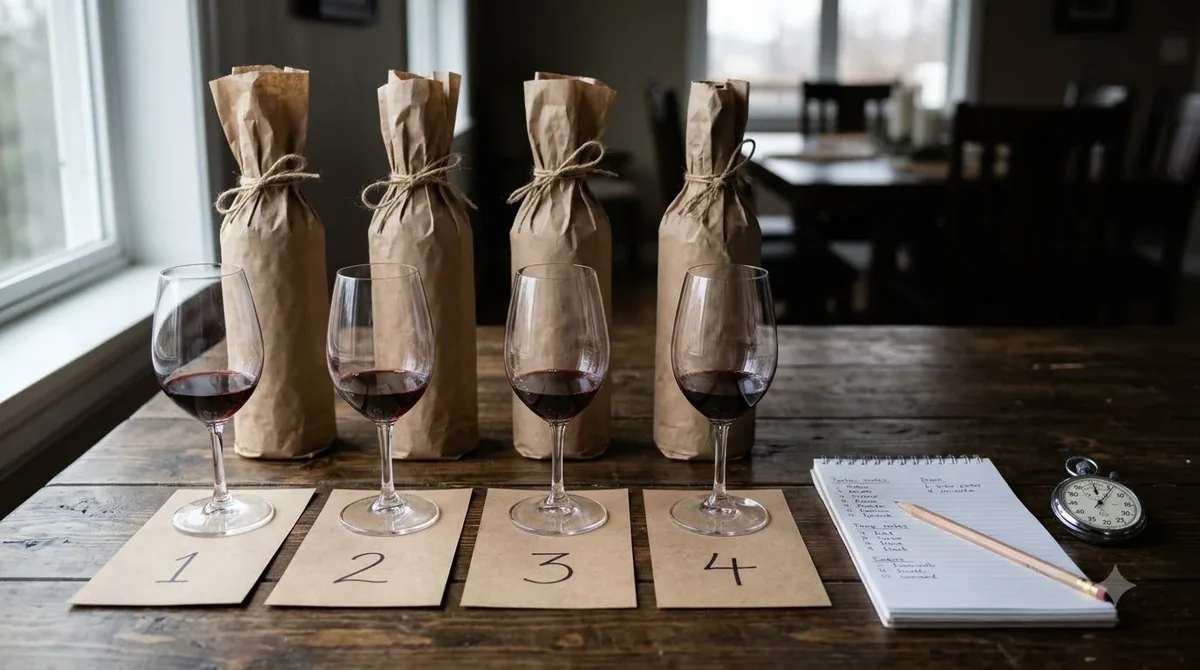
The Dirt to Glass Walk-Around Tasting also runs on August 20. It lines up Michigan wines side by side with benchmark wines that are widely cited as among the best in the world. A walk-around format lets you move at your own pace and compare acidity, body, and finish across several glasses without committing to a seated flight.
Across the program, a sensible order is lighter, higher-acid wines first and richer, more tannic bottles last. Starting with a crisp white or a light red keeps your palate fresh for the bolder wines that follow, and it makes the differences between wines easier to notice.
Pairing sparkling wine with dessert
A general rule for dessert pairing is that the wine should be at least as sweet as the dessert. Brut and drier sparkling wines can taste thin and sour next to rich chocolate, so the sweeter Demi-Sec or Doux styles are the safer match for fruit tarts and cakes. Serve sparkling wine between 40 and 50 F, which keeps the bubbles lively without numbing the fruit.
How the Festival Grew Into a Citywide Program
The inaugural 2025 edition combined wine tastings with boat trips, farm-focused programming, and celebrity chef appearances across the city.
Traverse City Tourism’s chief operating officer said the program had access to more than 50 wineries and distillers using local grapes and grains, which gave the festival a wide base of pairing ideas. Beyond tastings, the schedule included pairing dinners, upscale dining, and sailboat excursions, along with appearances by chefs such as Food Network’s Tyler Florence. Michigan Wine Country’s look back at the first year covers the program in more detail.
Wine anchored the program. At Dune Bird Winery, guests walked vineyard rows with resident ducks that serve as pest control, learning about regenerative farming and sustainable viticulture along the way. Sailboat cruises on Grand Traverse Bay let guests sample Michigan wines with paired food while taking in views of the peninsulas, a reminder that the Great Lakes shape the character of regional wines. The Grand Tasting at the Open Space park wrapped up the week with live cooking demonstrations and main-stage chef interviews.
Organizers also described the storytelling focus for the next edition. The chief operating officer said returning partners would be joined by a few new ones, and that the stories of the people behind the bottles would sit at the center of the program. That emphasis matters for visitors, because the winemakers, farmers, and chefs they meet on stage and at tastings are the substance of the event rather than a backdrop.
For the August 2026 festival, organizers promised more budget-friendly offerings, more farmers market producers, and expanded chef demonstrations at Open Space. Visitors who want general background on how growing areas shape wine style can start with the Wine Regions section before they taste.
The Wine & Art Festival and the Wine & Cider Rename
The older Wine & Art Festival began in 2009 as a celebration of northern Michigan’s wine, food, and culture before its organizers narrowed the focus to wine and cider.
The Leelanau Peninsula Vintners Association hosted the event, and that member-driven winery association was founded in 1998. In its eighth year, the festival ran from 4 to 9 p.m. on a Saturday in June at the Village at Grand Traverse Commons. It featured 20 wineries and 30 artists, and the program emphasized a closer connection between guests and the farmers and chefs who grow and cook local food. The event also earned certification as a local food event, which required local ingredient sourcing and zero-waste initiatives.
The format leaned on learning. A Wine Education Lounge ran four sessions, each limited to 60 tasters. Winemaker-led tastings were capped at about 20 people and started every 15 minutes. Self-guided tasting tours used five cheese or dessert pairing stations, which let guests build their own route through the afternoon.
The art side of the event was just as deliberate. Fine artists were placed throughout the grounds, and a year-long project by painter Stephanie Schlatter depicted vineyards at each of the Leelanau Peninsula Wine Trail’s 24 wineries. Each painting was paired with a wine grown in the vineyard it showed, and visitors could vote for a People’s Choice award.
The festival was later renamed the Wine & Cider Festival. Its organizer said the event was moving away from a day-long concert with some wine and toward a squarely wine-and-cider focus, with 16 wineries and three cideries participating. Music and art stayed on the program, but the emphasis shifted to the people who make the drinks.
Traverse City Uncorked and Planning Your Wine Days
Traverse City Uncorked is a May alternative to the summer festivals, built around a self-guided tour that lets you set the pace.
Traverse City Tourism presents Traverse City Uncorked, which ran daily from May 1 to May 10 and covers wineries across the Traverse Wine Coast. Guests follow a self-guided wine tour powered by a digital passport that offers savings, special offers, and chances to win prizes. Self-guided formats suit visitors who want to split a long weekend among several wineries instead of committing to one ticketed afternoon.
Since the passport carries the savings and prize chances, keep it with you at every stop. Planning one or two winery visits a day keeps the route manageable, and building a meal into the middle of the afternoon keeps the tasting pace comfortable.
For a wider view of where the tasting rooms sit, the traverse city wine country guide can help you map stops before you go, especially if you plan to pair a festival day with a separate winery visit.
Pacing tastings across a day
A standard 750 ml bottle yields about five 5-ounce pours, so a group of three can share one bottle over a tasting stop. Spacing tastings with food breaks gives your palate time to reset, which makes comparing a Riesling and a Pinot Noir more meaningful. Plan your route so the most delicate wines come before bolder reds, since heavy tannin can flatten the lighter wines that follow.
Tip: Serve light reds such as Pinot Noir between 55 and 60 F and full reds such as Cabernet Sauvignon between 60 and 65 F, so the fruit comes through without heat. Pour sweet Riesling between 43 and 50 F to keep its sugar balanced by its high acidity.
Frequently Asked Questions
Who organizes the Traverse City Food & Wine festival?
Traverse City Tourism runs the event, and its office is at 101 West Grandview Parkway in Traverse City. The office can be reached by phone at 231-947-1120 for questions about the schedule. Email questions can go to [email protected].
What did a ticket to the older Wine & Art Festival include?
In an earlier year, a ticket included eight tasting tickets, a food voucher, and a souvenir glass. The art show also gave awards for best of show, second and third place, a People’s Choice honor, and honorable mentions. Those awards gave the art side of the event its own competition alongside the wine.
Is Traverse City Uncorked limited to one town?
No. The listing covers Traverse City and surrounding areas under ZIP code 49684, so you can plan stops in several communities during the ten-day run. That range makes Uncorked practical for visitors who are staying outside the downtown core.
What temperature suits full-bodied white wines like Chardonnay?
Full whites are best served between 50 and 55 F, while light whites and rosé sit between 45 and 50 F. Chardonnay with medium acidity fits the full-white range well. These ranges apply to a glass poured at a tasting room, not one left sitting in the sun.
How long does an opened bottle last in the fridge?
Opened sparkling wine keeps for about one to three days in the fridge, while still wines last three to five days. Fortified wines can last several weeks, and a bag-in-box keeps for four to six weeks. These timelines help if you want to finish festival bottles at home.
Choose the event that fits your dates: Food & Wine for a lively August weekend and Uncorked for a flexible May tour. Book the sessions that matter most to you first, then build the rest of your tastings around the serving and pacing tips above.
More in Wine Regions
 Willcox Wine Trail: Discover Arizona’s High-Elevation Wine CountryUpdated Nov 20, 2026
 Yakima Valley Wine Region: Find the Best Styles to TryUpdated Nov 20, 2026
 Vosne Romanee Wine Tasting: Identify Aromas and Choose Better PairingsUpdated Nov 20, 2026
 Yakima Valley Wine Festival: Find the Best Seasonal Wine EventsUpdated Nov 20, 2026
 Wales Vineyards: Discover Cool-Climate Wines and Where to VisitUpdated Nov 20, 2026
 Yountville Wine Festival: Discover Napa Wines and Local FoodUpdated Nov 20, 2026