

We may earn a commission when you buy through links on this page, at no extra cost to you. Learn more.
The montsant wine region is a Catalan appellation in Tarragona known for expressive reds built chiefly from Garnacha and Cariñena. Set in the hills around neighboring Priorat, it makes wines that range from fresh, mineral-driven reds to generous, full-bodied bottlings. Its varied elevations, soils, and supporting cast of local and international grapes also make its smaller production of white wine worth seeking out.
Montsant is often introduced through its proximity to Priorat, but the two appellations should not be treated as interchangeable. Montsant has its own history, varied landscape, and range of winemaking choices. Understanding its principal grapes and subregional differences makes it easier to choose a bottle, serve it well, and find food that brings out its character.
Where Montsant Sits and How the DO Took Shape
The DO Montsant occupies a broad, curving area in southern Catalonia, in Spain’s Tarragona province, and almost surrounds the separate DOQ Priorat. It became its own denomination in 2001, after previously forming the Falset subzone of the larger DO Tarragona. That distinction matters: a bottle labeled Montsant identifies a defined origin with its own growing area, rather than a general wine from Tarragona. Wine Enthusiast’s overview of Catalan wines also traces the appellation’s shift from the former Falset subzone and describes its balance of power and precision.
The landscape is a succession of villages, hills, valleys, and vineyards rather than one continuous plain. The production area includes places such as Falset, Marçà, Capçanes, Cornudella de Montsant, La Figuera, Cabacés, and Ulldemolins, with vineyards set among olive groves, wooded slopes, and rocky ground. The Oficina de Turisme del Priorat lists approximately 1,900 hectares of cultivated vineyards, while its regional profile places them between 100 and 700 meters above sea level. These figures help explain why a single appellation can produce noticeably different expressions.
Montsant and Priorat share a long viticultural landscape, but their wine identities are not identical: Priorat is especially associated with steep slopes and its famous llicorella slate, while Montsant includes a wider mix of soils and terrain. It is therefore more useful to think of Montsant as a neighboring appellation with its own range of styles than as a lower-cost version of Priorat. The regional name also covers several distinct village settings, so a wine’s village or vineyard information can be as useful as its grape variety.
| Regional detail | Figure | Source context |
|---|---|---|
| Cultivated vineyard area | Approximately 1,900 hectares | Oficina de Turisme del Priorat regional profile |
| Altitude in the regional tourism profile | 100–700 meters | Oficina de Turisme del Priorat |
| Altitude range cited in Decanter’s panel feature | 50–700 meters | Decanter describes vineyard elevation variation |
| Wineries in Decanter’s regional snapshot | 59 | Decanter’s Montsant overview |
| Red share of production | More than 90% | Decanter’s Montsant overview |
Mediterranean Climate, Elevation, and Varied Soils
Montsant has a Mediterranean climate shaped by mountains, inland influences, and cooling air from the sea. The combination of warm growing conditions and differences in altitude and exposure gives growers more than one route to ripeness: lower, warmer sites can produce generous fruit, while cooler slopes can retain a fresher impression.
According to Decanter, the region’s vineyards span elevations from about 50 to 700 meters, while the Oficina de Turisme del Priorat gives a general cultivated range of 100 to 700 meters. The nearest point of the Mediterranean is about 35 kilometers away, and sea breezes help moderate the climate. Conditions are not uniform across the appellation. The mountainous north around La Morera de Montsant and La Figuera is cooler, whereas Marçà and Capçanes have warmer, hilly settings; the southern area around Darmós and Els Guiamets sits at lower elevations.
The soils are equally varied. Growers work with limestone, clay, mixtures of limestone and clay, granitic sand, and patches of slate known locally as llicorella. Some sites are stony, while others are sandy or more clay-rich. This variety is one reason broad claims about a single “Montsant taste” can be misleading. Slate is part of the story, but it does not define every vineyard as it does in parts of neighboring Priorat. Site, aspect, elevation, vine age, and the grower’s choices all influence the final wine.
Garnacha and Cariñena Lead the Grape Mix
Garnacha and Cariñena are the appellation’s central red grapes, planted widely and well suited to its Mediterranean conditions. They appear together in many blends, but both can also make distinctive varietal wines. More than 90 percent of Montsant’s production is red, according to Decanter, which also lists 59 wineries in its regional snapshot. These grapes therefore form the clearest starting point for understanding the region.
Garnacha—known as Grenache in French-speaking regions—often gives Montsant reds ripe cherry, raspberry, plum, and sometimes darker berry notes, along with a rounded, warm impression. Cariñena, also called Carignan, commonly contributes firmer acidity, darker fruit, color, and tannic structure. The balance varies by vineyard and vintage: a Garnacha-led wine may feel open and supple, while a Cariñena-led bottling can seem more tightly framed. Blending the two can combine generous fruit with freshness and grip. Other authorized red varieties broaden the palette. The local list includes Garnatxa Peluda, Tempranillo, Cabernet Sauvignon, Syrah, Merlot, Monastrell, and Picapoll. Their roles differ by producer; they may appear in blends or as smaller parts of a wider range rather than displacing the region’s principal grapes. Syrah can add dark-fruited and peppery notes, while varieties such as Cabernet Sauvignon and Merlot offer familiar reference points for drinkers who know international red blends. Montsant also makes white wine, although it represents a much smaller share of production. Garnacha Blanca and Macabeu are the principal varieties, with Chardonnay, Parellada, Moscatel, Pansal, Picapoll Blanc, and Garnatxa Roja also listed among the white grapes. Garnacha Blanca can produce whites with body and a gently broad texture; Macabeu often gives a more restrained, fresh profile. The exact blend and growing site matter, so the category includes more than one style.
Red, White, and Rosé Styles in the Glass
Montsant reds generally fall along a spectrum from lively, fresh, and mineral to full-bodied, ripe, and structured. The region’s grapes can reach substantial ripeness, but careful choices in vineyard and cellar can preserve freshness rather than turning every wine into a heavy, oak-marked style.
Decanter’s panel tasting of Montsant wines distinguished lighter, fresher, more mineral-driven Garnacha and Cariñena from fuller wines closer in weight to some Priorat bottlings. The panel also favored reds that emphasized fruit and energy over obvious oak character. This is a useful buying clue: if you want a wine for tapas or a weeknight meal, look for a fresher style with moderate oak influence; for a slow-cooked dish, a denser, more structured red may be the better match.
Oak treatment is a stylistic decision, not a guarantee of quality. Some producers use barrels or larger-format wooden vessels to shape texture and allow the wine to mature; others aim to let fruit, acidity, and site speak more clearly. New or strongly flavored oak can add vanilla, toast, or spice, while less conspicuous oak leaves a clearer impression of the grapes. A wine’s body and finish tell you more about its best use at the table than a label that simply says “reserve” or names a grape. White Montsant is less common but can be rewarding for drinkers who enjoy Mediterranean whites with texture. Garnacha Blanca-based examples may feel broad and savory, while blends with Macabeu can be fresher and more restrained. Decanter’s judges noted authenticity and verve in the strongest whites, and suggested seafood as a natural partner. Rosé is not the region’s defining category; the clearest identity remains its red wines, with white bottlings offering a smaller but meaningful alternative.
How to Choose, Serve, and Store a Bottle
Start with the style you want rather than assuming all Montsant tastes alike. A Garnacha-led red is a sensible first choice for generous fruit and a rounded feel; a Cariñena-led wine is worth considering when you prefer firmer structure and a more savory edge. A blend can offer a middle ground, while a white based on Garnacha Blanca or Macabeu gives you a different way into the appellation.
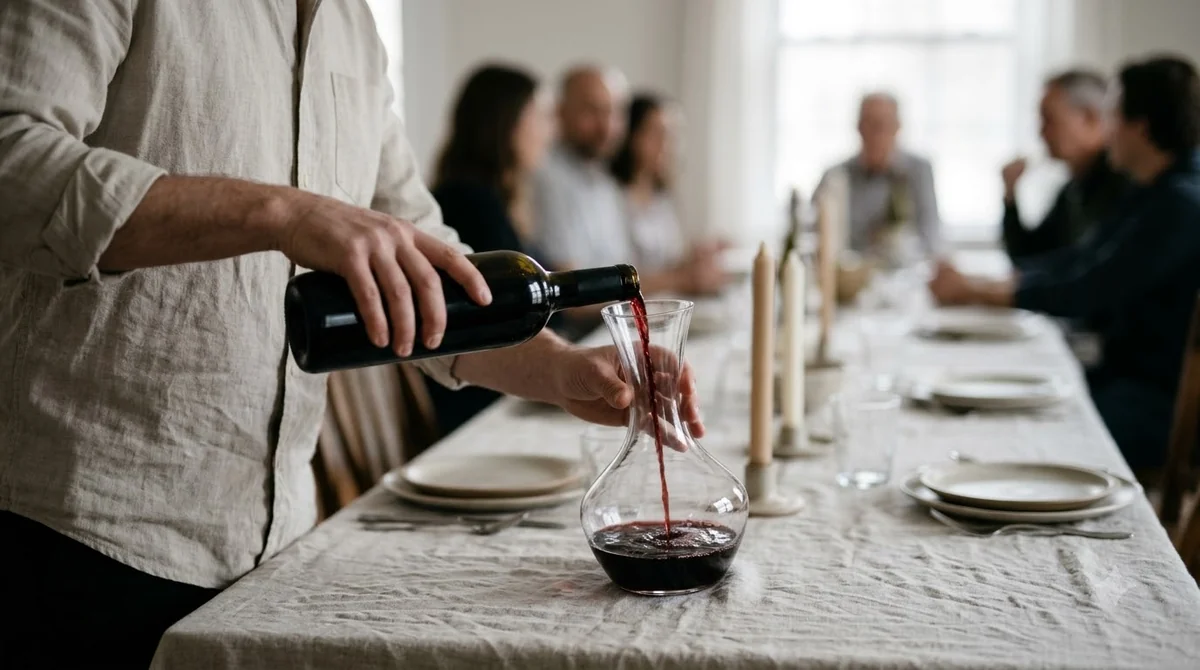
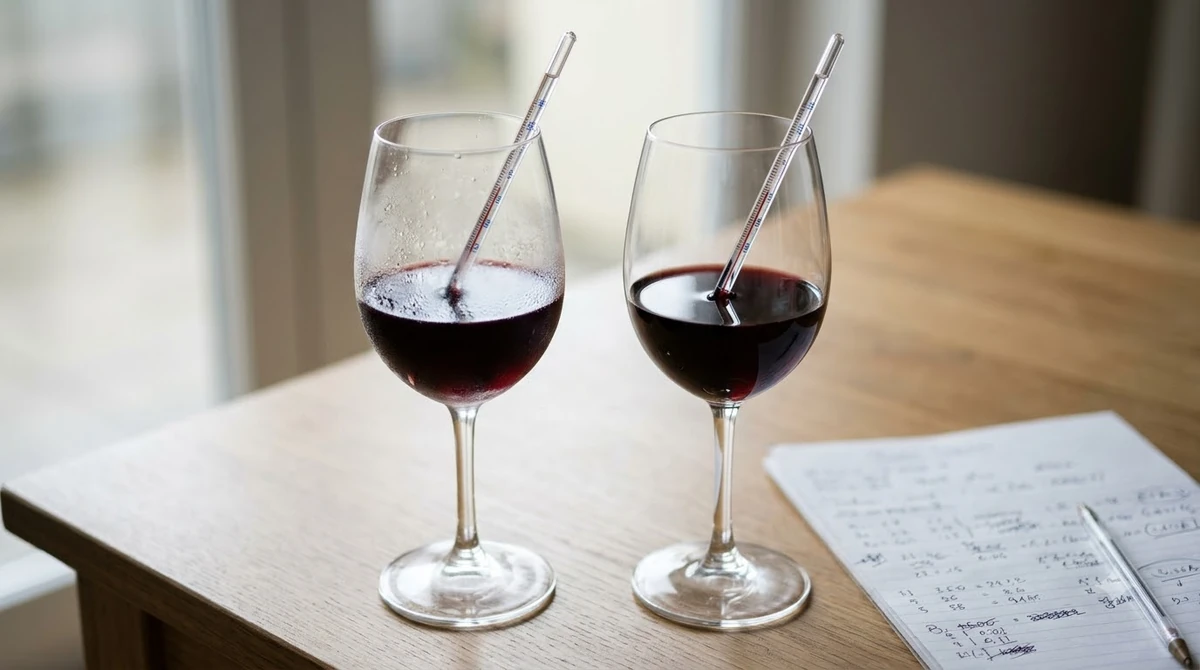
Producer, village, and vineyard details can help narrow the choice. The denomination includes warmer southern sites and cooler northern slopes, so two wines made from the same grape need not have the same weight or freshness. Decanter highlights producers including Celler de Capçanes, Acústic Celler, Celler de l’Era, and Terroir Sense Fronteres as names to explore. Rather than choosing by appellation alone, compare grape composition, alcohol level, vintage, and the producer’s stated approach to oak and extraction. Serve a fuller Montsant red at about 60–65°F; a lighter, fresher red is often more expressive around 55–60°F. If a young red is particularly full-bodied or tightly structured, give it 30–60 minutes in a decanter to let its aromas open. White wines are generally best at 45–50°F when light-bodied or 50–55°F when fuller in texture. Very cold service can mute aromas, so allow a bottle a few minutes in the glass if it comes straight from the refrigerator.
Use a standard 5-ounce pour and expect about five glasses from a 750-milliliter bottle. Once opened, keep still wine in the refrigerator and aim to finish it within 3–5 days; bring red wine back toward its serving temperature before pouring. For longer storage, keep unopened bottles on their side in a cool, dark place near 55°F, away from strong temperature swings and direct light. These simple steps preserve the character that makes a well-chosen bottle enjoyable.
Tip: For a first taste of Montsant, open a Garnacha-Cariñena blend slightly below room temperature, pour a small glass, and give it 10 minutes to settle before deciding whether it needs decanting.
Food Pairings for Montsant Wines
Match the wine’s weight to the dish: fresher Montsant reds work with tapas and grilled foods, while fuller examples suit richer, slow-cooked meat. The appellation’s whites are particularly useful with seafood and strongly seasoned vegetable dishes.
For a lighter red, try tomato-based sauces, grilled vegetables, grilled pork or chicken, and a spread of tapas. The wine’s fruit can meet the sweetness of roasted peppers or tomato, while its acidity helps with savory dishes that include olives, herbs, or cured meat. Decanter also points to tagine and Valencian-style paella made with chicken or rabbit as good matches for fresher red styles. With grilled meat, seasoning and char add enough savory flavor to stand alongside the wine without making the meal feel too heavy. Fuller-bodied Montsant reds are more at home with dishes such as braised beef or ox cheek, venison, wild boar, and hearty stews. The wine’s fruit and structure can stand up to long-cooked meat, browned edges, and concentrated sauces. If the dish is especially rich or salty, the fat and salt can soften the impression of tannin. For tomato-heavy or vinegar-forward recipes, choose a wine with enough acidity to keep the pairing balanced rather than a very ripe, low-acid red.
For white Montsant, follow the region’s Mediterranean setting and reach for grilled or roasted hake, octopus, salt cod, or seafood with olive oil and herbs. Whites can also work with salads built around olives, capers, and artichokes, ingredients that can be awkward with some red wines. A fuller Garnacha Blanca can meet richer fish preparations, while a fresher Macabeu-led blend is a good fit for simply grilled seafood. Avoid serving a strongly tannic red with oily fish; its firm structure can make the combination taste metallic or harsh. For a cheese course, consider the wine’s tannin and the cheese’s salt and fat. Firmer red Montsant can pair more comfortably with aged sheep’s-milk cheese than with delicate fresh cheese, while a white can work with softer cheeses and herbs. Dessert is a separate decision: choose a wine at least as sweet as the dessert, or the wine may taste thin and sour beside it. For readers comparing how mountain settings shape wine styles elsewhere, the Savoie wine region offers a useful contrast, while the wider Wine Regions section can help place Montsant alongside other appellations.
Frequently Asked Questions
These five answers add detail on local grape names, early history, and the appellation’s supporting varieties. They also explain why terms such as Samsó, Picapoll, and Pansal may appear in descriptions of Catalan wines.
Is there evidence of winemaking in Montsant before the medieval records?
Yes. Decanter reports that remnants of Roman amphorae have been found in Marçà, likely connected with transport to Tarraco, the Roman city now known as Tarragona. Those finds offer a different kind of evidence from the written vineyard references recorded in medieval documents.
What does Samsó mean on a Catalan wine description?
Samsó is another name used for Carignan in Catalonia, alongside Cariñena and the Catalan form Carinyena. The grape is the same variety, so the different names do not indicate three separate grapes.
Are Picapoll and Picapoll Blanc the same grape?
They are listed separately in the Montsant variety profile: Picapoll appears among the red grapes, while Picapoll Blanc appears among the white varieties. The color qualifier is important, so do not assume a wine described simply as Picapoll is a white bottling.
What is Pansal?
Pansal is a local name associated with Xarel·lo, a white grape better known as one of the varieties used in Catalan sparkling wine. Its appearance in the Montsant list shows that the appellation’s white-grape range extends beyond Garnacha Blanca and Macabeu.
Why do historic wine cooperatives matter in Montsant?
The cooperative movement expanded in the 20th century as growers rebuilt after phylloxera devastated vineyards. Some cooperative buildings were designed by influential architects such as Cèsar Martinell, linking the region’s wine history with Catalonia’s agricultural architecture.
Montsant rewards a closer look beyond its famous neighbor: Garnacha and Cariñena provide a clear starting point, while village, elevation, soil, and cellar choices explain the differences from bottle to bottle. Choose the style that suits the meal, serve it at the right temperature, and the region’s mix of fruit, freshness, and Mediterranean character comes into focus.
More in Wine Regions
 Willcox Wine Trail: Discover Arizona’s High-Elevation Wine CountryUpdated Nov 20, 2026
 Yakima Valley Wine Region: Find the Best Styles to TryUpdated Nov 20, 2026
 Vosne Romanee Wine Tasting: Identify Aromas and Choose Better PairingsUpdated Nov 20, 2026
 Yakima Valley Wine Festival: Find the Best Seasonal Wine EventsUpdated Nov 20, 2026
 Wales Vineyards: Discover Cool-Climate Wines and Where to VisitUpdated Nov 20, 2026
 Yountville Wine Festival: Discover Napa Wines and Local FoodUpdated Nov 20, 2026