

We may earn a commission when you buy through links on this page, at no extra cost to you. Learn more.
The lirac wine region is a Southern Rhône appellation on the Rhône’s right bank in France’s Gard department, producing structured red wines, fresh rosés, and characterful dry whites. Its vineyards sit across four communes near Avignon, where limestone, red clay, sand, and rounded river stones shape distinct expressions. Grenache leads the red and rosé plantings, but the appellation’s three colors make it more versatile than many drinkers expect.
Often mentioned beside Châteauneuf-du-Pape and Tavel, Lirac has a clear identity of its own. It combines the warmth and herb-scented landscape of the Southern Rhône with varied soils and a rulebook that allows red, rosé, and white still wines. Knowing the geography, grapes, and basic styles makes it easier to choose a bottle for the table rather than assuming every Lirac tastes alike.
Location Along the Rhône’s Right Bank
Lirac is in the Gard department of southern France, on the Rhône’s right bank about 15 kilometers northwest of Avignon. The appellation covers demarcated vineyard parcels in four communes: Lirac, Roquemaure, Saint-Laurent-des-Arbres, and Saint-Géniès-de-Comolas.
The Rhône is a useful point of reference, but the bank matters. Lirac lies west of the river, opposite the better-known Châteauneuf-du-Pape area, and shares the broad Southern Rhône setting of warm summers, Mediterranean vegetation, and blended grape varieties. The two appellations are neighbors across the water, not one continuous vineyard. Lirac’s identity is protected by its own AOC designation, first recognized on October 14, 1947.
Tavel is another close neighbor and an especially useful comparison. Tavel is dedicated to rosé, while Lirac can be red, rosé, or white. That difference matters at the wine shop: a Lirac label does not tell you the color on its own, so look for the word rouge, rosé, or blanc. Lirac is also part of the wider Côtes du Rhône cru family, a group of named appellations with more specific origins than the broad regional Côtes du Rhône designation. Readers comparing French origins can place it within the broader Wine Regions framework.
The four communes are not simply administrative labels. Their parcels include limestone slopes, terraces, and sandy areas, and the resulting wines can vary in structure and texture. A producer may blend fruit from more than one site to build a balanced cuvée, while another may emphasize a particular parcel. In either case, the place name on the bottle points to a defined growing area rather than a single grape or fixed recipe.
Climate, Wind, and the Three Main Soils
Lirac has a Mediterranean climate with about 2,700 hours of sunshine annually, according to Inter Rhône’s Lirac profile. The combination of summer warmth, relatively low rainfall, and the Mistral wind supports ripe grapes while making water availability and harvest timing important parts of vineyard work. This is a very different setting from the cooler Alpine Savoie wine region.
The Mistral is a strong, dry wind from the north. The European product specification describes it as blowing for an average of 180 days per year, while annual rainfall is below 700 millimeters. Wind can help dry the canopy after damp weather, but it also makes exposed sites challenging and can increase the need to manage vine stress. In a climate with abundant sun, growers must balance full ripeness against freshness and alcohol.
Three broad soil settings help explain Lirac’s range. On limestone plateaus, a shallow covering of red clay and stones overlies rocky ground. These well-drained sites can produce wines with firm structure and substantial tannin. The central terraces around Saint-Laurent-des-Arbres include rounded quartz pebbles and red clay deposited by the Rhône, with sand beneath. These are related geologically to the Quaternary terraces found at Châteauneuf-du-Pape.
Other slopes contain sand mixed with smaller stones, including deposits formed by successive landslides. The official regional description associates the Saint-Géniès-de-Comolas area with red wines that are more elegant and less tannic. These are broad tendencies, not guarantees: vineyard aspect, vine age, picking date, grape blend, extraction, and maturation also shape the finished wine. Still, the soil map offers a practical clue. Pebble-rich and clay-covered sites can favor depth and structure, while sandy or less compact slopes may yield a more supple profile.
Grenache and the Appellation’s Grape Rules
Grenache noir is the leading red grape in Lirac, joined by Syrah, Mourvèdre, and Cinsault. White Lirac draws mainly on Grenache blanc, Bourboulenc, Clairette, and Roussanne, with several supporting varieties permitted by the appellation specification.
These grapes contribute different things to a blend. Grenache brings ripe red fruit, warmth, and body; Syrah can add darker fruit, color, pepper, and structure; Mourvèdre contributes depth and firm tannin; Cinsault can bring lift and a softer red-fruit character. The mix changes with the grower’s site and intended style. A warmer, full-bodied red may lean into Grenache and Mourvèdre, while a more fragrant blend may give Syrah and Cinsault a larger role.
Lirac’s rules are more precise than a general description of “GSM” might suggest. The percentages below are planting proportions across an estate’s qualifying vineyard area for the color concerned; they are not a promise that every finished bottle contains those exact percentages. The French appellation specification sets the following key requirements:
| Wine color | Principal grapes | Key planting proportions | Minimum natural alcohol |
|---|---|---|---|
| Red | Grenache noir, Syrah, Mourvèdre, Cinsault | Grenache at least 40%; Syrah and Mourvèdre together at least 25%; Carignan no more than 10%; white grapes no more than 5% | 12.5% ABV |
| Rosé | Grenache noir, Syrah, Cinsault, Mourvèdre | Grenache at least 40%; Syrah and Mourvèdre together at least 25%; Carignan no more than 10%; white grapes no more than 20% | 12% ABV |
| White | Bourboulenc, Clairette, Grenache blanc, Roussanne | No single principal variety over 60%; each accessory variety no more than 25%; accessory varieties together no more than 30% | 12% ABV |
For white wines, Marsanne, Piquepoul blanc, Ugni blanc, and Viognier are among the accessory varieties. Red and rosé producers may also use permitted supporting grapes such as Carignan, Counoise, Grenache gris, or white varieties within their respective limits. For shoppers, read the color and producer information together: two red Liracs can differ in their balance of Grenache, Syrah, Mourvèdre, and Cinsault, just as white bottlings can vary in their use of Bourboulenc, Clairette, and Roussanne. The appellation sets boundaries; vineyard and cellar choices create the personality.
Red, Rosé, and White Lirac Styles
Red Lirac is the best-known style: generally dry, full in flavor, and structured, with aromas that can move from ripe red and black berries to garrigue herbs and spice. Rosé is rounded but lively, while white Lirac tends to combine floral and fruit notes with a broader Southern Rhône texture.
In red wines, look for raspberry, cherry, blackberry, plum, black pepper, dried herbs, and the scent of warm scrubland known as garrigue. Inter Rhône describes mature examples developing notes of leather, licorice, truffle, and cocoa. Tannin can be substantial, especially in wines from structured, pebble-rich or limestone sites, but Grenache’s generous fruit often gives the palate a sense of roundness. Freshness and balance should accompany the power. Vintage and élevage matter too: extended extraction can make a red feel denser and firmer, while a lighter cellar approach can emphasize fresh fruit.
Lirac rosé is not simply a pale, delicate patio wine. Grenache, Syrah, and Cinsault contribute strawberry, raspberry, and other ripe red-fruit flavors, with a fuller palate than many light-bodied rosés and a finish that can remain fresh and vibrant. It works as an aperitif, but its structure also makes it useful with herbs, grilled vegetables, or savory cured meat.
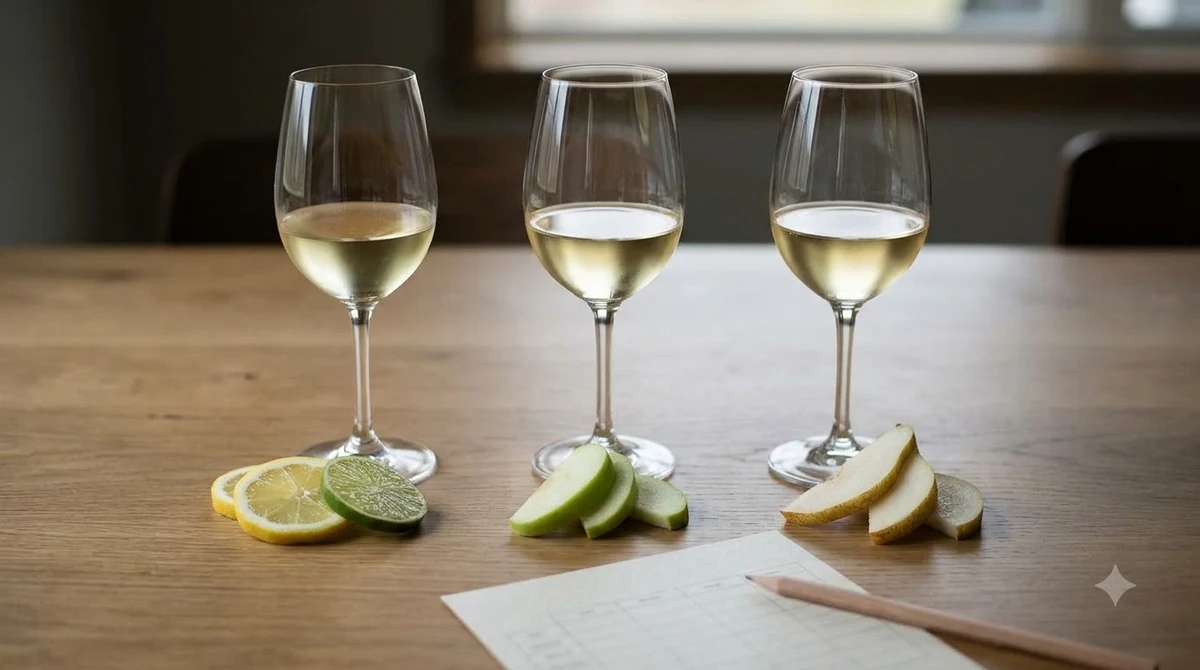
White Lirac deserves attention from drinkers who associate the Southern Rhône with red blends. Grenache blanc, Bourboulenc, Clairette, and Roussanne can create dry wines with floral, citrus, orchard-fruit, and stone-fruit notes. Some have a rounded texture without losing freshness; bottle age can bring honey and dried garrigue herbs. Decanter’s Lirac tasting coverage has highlighted the way Lirac whites combine fullness and freshness. Lees work and barrel maturation can add texture, while a more restrained approach preserves bright fruit, so the producer’s style is useful context when choosing a bottle.
AOC History, Production Rules, and Labels
Lirac’s wine history reaches back to Roman times, and vineyards were established here long before the modern appellation system. The AOC was formally recognized on October 14, 1947, giving the name legal protection and tying it to the defined communes and production requirements.
Inter Rhône recounts the role of the bishops of Avignon, who maintained a vineyard around the village of Saint-Laurent-des-Arbres and sent wine across the river as a tithe. In 1904, Count Henri de Régis de Gatimel inherited Château de Ségriès; the estate at that time was principally a cereal and silkworm property with a modest vineyard. He replanted vines in 1925, reviving a site with a much older viticultural history. These details show how Lirac’s identity includes both local farming traditions and the influence of Avignon’s religious and political history.
The AOC specification controls more than grape names. It requires the principal grape varieties to make up the majority of the blend, sets minimum natural alcohol levels of 12% for whites and rosés and 12.5% for reds, and establishes a base yield of 41 hectoliters per hectare with a higher limit and sanctions for overproduction. The rules also require growers to sort the harvest, removing damaged or insufficiently ripe fruit before or during winery processing. Such requirements help connect the name Lirac to a defined production method as well as a geographic origin.
When shopping, start by identifying the color: rouge, rosé, or blanc. Then consider producer, vintage, grape notes, and site or maturation details. The word Lirac tells you the wine comes from the appellation’s delimited area and meets its rules; it does not say whether the producer favors ripe fruit, herbal detail, oak, or a lighter touch. Châteauneuf-du-Pape shares some river-terrace geology but has separate boundaries and traditions, while neighboring Tavel is known for rosé alone. Lirac’s three-color range makes it a versatile choice for a Southern Rhône red, substantial rosé, or dry white.
How to Serve and Pair Lirac Wine
Serve Lirac according to its color and weight rather than treating every bottle as a room-temperature red. A full-bodied red is best around 60–65°F, a rosé around 45–50°F, and a full white around 50–55°F; a lighter, brisk white can be served closer to 45–50°F.
For red Lirac, match ripe fruit and tannin with grilled lamb, roast beef, sausages, duck, or mushrooms and lentils. Salt and fat soften tannin, so a well-seasoned roast or hard, savory cheese can make a structured red feel more supple. Rosemary, thyme, black olives, and garlic echo garrigue and spice. Rosé suits roast chicken, charcuterie, grilled zucchini, tomato salads, Niçoise-style dishes, and seafood with herbs or olive oil; its red-fruit character bridges savory and fresh flavors. Avoid excessively hot chili dishes, since alcohol and tannin can intensify the sensation of heat.
White Lirac pairs naturally with grilled fish, shellfish, roast chicken, soft cheeses, and vegetables with lemon, fennel, or fresh herbs. A sharp vinaigrette or strongly acidic sauce calls for a wine with equal or higher acidity. Oily fish is generally a safer match for a fresh white than for a tannic red, while a rounded white can work with creamy sauces that do not overwhelm it.
Use a standard 5-ounce pour; a 750-milliliter bottle yields about five glasses. A young, full-bodied red can benefit from 30–60 minutes in a decanter, while rosé and white are usually best served directly from a chilled bottle. Store unopened bottles on their side near 55°F, away from sunlight and temperature swings. Once opened, keep still Lirac in the refrigerator and aim to finish it within 3–5 days, bringing red wine back toward serving temperature before pouring.
Tip: Chill a red Lirac slightly before serving rather than allowing it to sit in a warm room. Starting near 60°F gives a structured wine room to open in the glass without making the alcohol seem more prominent.
Frequently Asked Questions
Are all Lirac vineyards allowed to use the appellation name?
No. The grapes must come from parcels inside the official production area, whose boundaries were approved by France’s appellation authority in 1991. The four communes define the broad geographic area, but not every field within their municipal borders automatically qualifies.
How are Lirac vines traditionally pruned?
The appellation specification calls for short pruning, including goblet or Cordon de Royat methods, with a maximum of six spurs per vine and no more than two buds on each spur. Syrah has additional training requirements and must be supported on stakes or a raised trellis system.
Is grape sorting required for Lirac?
Yes. The rules require sorting either in the vineyard or at the winery, with the aim of separating damaged and unripe grapes. For machine-harvested fruit, the grower must sort manually before picking or use suitable sorting equipment at the winery.
What yield limits apply to Lirac?
The base yield is 41 hectoliters per hectare, and the specification sets a 43-hectoliter-per-hectare upper yield threshold. Production beyond 45 hectoliters per hectare causes the entire crop from the claimed parcels to lose the AOC benefit, so yield control is a formal part of appellation compliance.
Can a Lirac red include white grapes?
Permitted white varieties may be part of red Lirac plantings, but their combined share is capped at 5% of the qualifying vineyard area for red wine. The limit is higher for rosé, at 20%, reflecting the appellation’s separate rules for each color.
Lirac rewards a broader look than its reputation as a Southern Rhône red appellation might suggest. Its Grenache-led reds, full-flavored rosés, and fresh, floral whites reflect the meeting of Mediterranean climate and varied right-bank soils. Compare colors from the same producer to see how Grenache and local sites express themselves across the appellation.
More in Wine Regions
 Willcox Wine Trail: Discover Arizona’s High-Elevation Wine CountryUpdated Nov 20, 2026
 Yakima Valley Wine Region: Find the Best Styles to TryUpdated Nov 20, 2026
 Vosne Romanee Wine Tasting: Identify Aromas and Choose Better PairingsUpdated Nov 20, 2026
 Yakima Valley Wine Festival: Find the Best Seasonal Wine EventsUpdated Nov 20, 2026
 Wales Vineyards: Discover Cool-Climate Wines and Where to VisitUpdated Nov 20, 2026
 Yountville Wine Festival: Discover Napa Wines and Local FoodUpdated Nov 20, 2026