

We may earn a commission when you buy through links on this page, at no extra cost to you. Learn more.
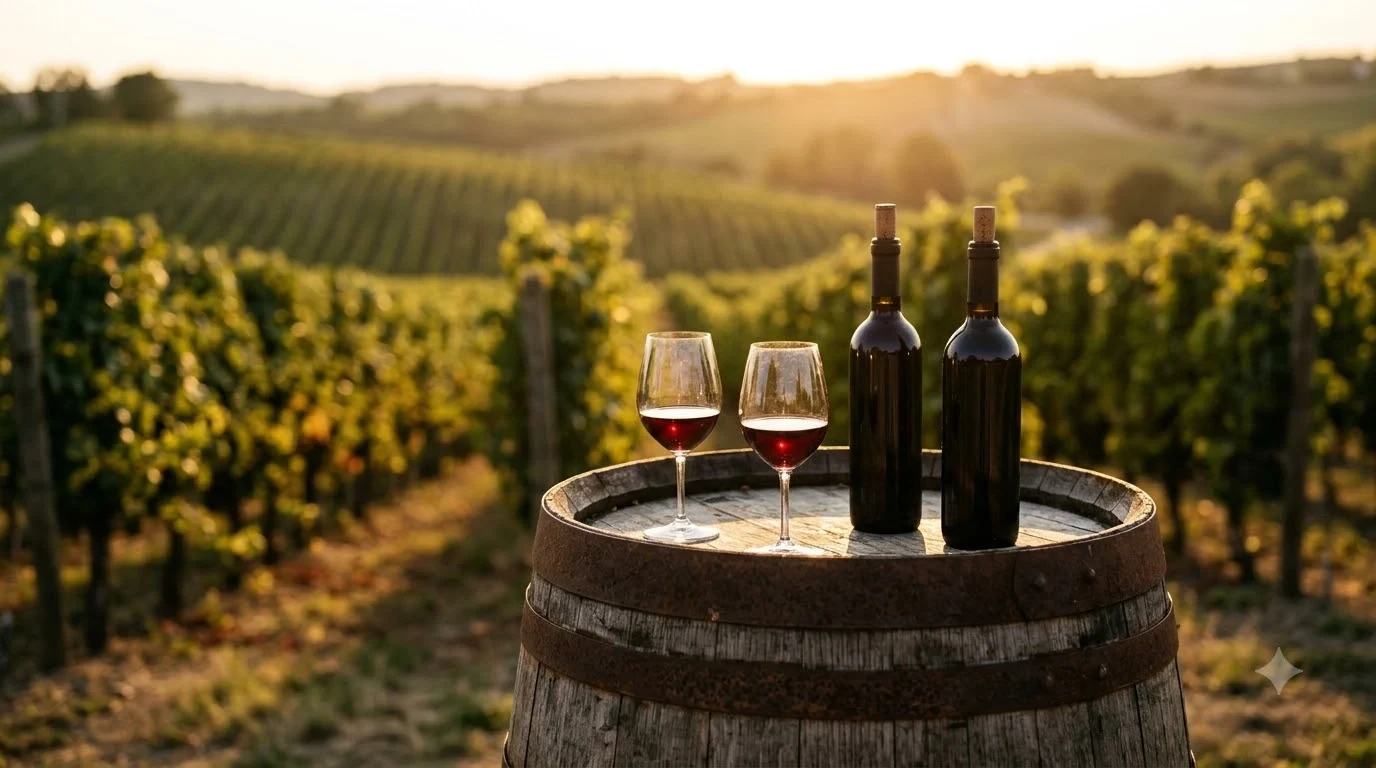
Dao vineyards are located in north-central Portugal, where granite soils, mountain protection, and high-altitude growing sites produce elegant red and white wines with fresh acidity and distinctive native grape varieties. The region is particularly known for Touriga Nacional reds and Encruzado whites, although several other Portuguese varieties contribute to its identity. Its combination of warm summers, cool nights, and elevated vineyards creates wines that can be approachable when young while retaining the structure to develop with bottle age.
For American wine drinkers exploring Portugal beyond Port and Vinho Verde, Dão is an especially rewarding region to understand. Its wines bring together indigenous grapes, varied mountain landscapes, traditional blends, and increasingly distinctive individual-vineyard expressions. Understanding the geography and the grapes makes it easier to choose bottles that match different meals, occasions, and preferences.
Where Dão Sits and What Its Appellations Mean
Dão is an inland wine region in north-central Portugal, occupying a mountainous area associated with the historic province of Beira Alta. Its vineyards sit between several important Portuguese mountain ranges, with Viseu serving as a useful geographical reference point. The official regional description distinguishes the central Dão designation from the neighboring Lafões designation and the broader Terras do Dão geographical indication.
The terminology matters when shopping for Portuguese wines. DOP, or Protected Designation of Origin, identifies wines produced under rules associated with a defined geographical area. The Dão DOP covers the central appellation, while Lafões has its own separate DOP to the north. Terras do Dão is a wider geographical indication that encompasses a broader area and provides a different classification framework. These distinctions help explain why wines carrying closely related regional names can have different characteristics and production requirements.
The Dão DOP is divided into seven official subregions: Alva, Serra da Estrela, Terras de Senhorim, Besteiros, Silgueiros, Castendo, and Terras de Azurara. These names help describe geographical identity rather than guaranteeing that every bottle from a particular subregion tastes the same. Elevation, exposure, soil composition, grape selection, and winemaking decisions all influence the finished wine. For formal details about the classifications, the Portuguese wine authority provides an overview of the Dão wine designations and their geographical distinctions.
| Regional feature | Verified figure or detail | Why it matters |
|---|---|---|
| Typical vineyard elevation | 400–500 meters | Defines much of the region’s elevated growing environment. |
| Higher vineyard sites | Up to 800 meters | Allows substantial variation in exposure and ripening conditions. |
| Official Dão subregions | 7 | Provides a more detailed geographical framework. |
| Regional designations | 3 | Includes Terras do Dão IGP, Dão DOP, and Lafões DOP. |
For buyers, the practical lesson is to distinguish the name Dão from the wider regional terminology. A bottle labeled Dão DOP belongs to the central appellation, while a wine labeled Terras do Dão may come from the broader geographical indication. Neither designation alone tells the complete story of the wine, but both provide useful information about its origin.
Granite Soils, Elevation, and a Mountain-Moderated Climate
The defining environmental features of Dão are its extensive granite soils, mountainous surroundings, and vineyards that commonly occupy elevations between 400 and 500 meters. These conditions help explain why its wines often combine ripe fruit with freshness, firm acidity, and a restrained sense of structure.

Granite is the dominant geological feature across much of the region. These soils are generally low in fertility, with some areas containing schist and other local variations. The Adega de Silgueiros regional profile identifies porphyroid granite, sometimes called horse’s-tooth granite, as a particularly characteristic geological formation. Vineyards established on different granite sites can still vary considerably according to soil depth, rock content, slope, and water availability.
The surrounding mountains play an important climatic role. Caramulo and Buçaco stand to the west, while the Serra da Estrela and Serra da Nave help define the northern and eastern landscape. These barriers reduce direct exposure to humid Atlantic air and harsh continental winds. The resulting environment is temperate overall, with cold, rainy winters and summers that can become quite hot and dry. This seasonal pattern allows grapes to ripen while retaining an important level of natural freshness.
Elevation adds another dimension. According to the regional information published by Portugal’s Institute of Vine and Wine, many vineyards are planted at 400–500 meters, although some reach 800 meters. At these heights, the difference between warm daytime conditions and cooler nights can be substantial. Decanter also identifies cool overnight conditions and morning fog around the Dão, Mondego, and Alva river valleys as distinctive features of the landscape. These changes influence grape development and help preserve aromatic character.
The region should not be treated as a single uniform growing environment. Decanter notes that western sites tend to have smaller daily temperature differences and shorter growing seasons, encouraging earlier picking and fresh wine styles. Farther east, especially in higher areas associated with Serra da Estrela, longer periods of ripening can contribute to more developed tannin and structure. This contrast helps explain why two wines carrying the same broad Dão designation can differ in weight, aroma, and aging potential.
The Native Grapes Behind Dão Vineyards
Dão’s identity comes largely from Portuguese grape varieties that have adapted to its mountainous interior. Touriga Nacional is its best-known red grape, while Encruzado is the leading white variety associated with the region. Jaen, Alfrocheiro, Tinta Roriz, Malvasia Fina, and Bical add further variety to the vineyard landscape.
Touriga Nacional is a key variety for red Dão wines. It is recognized for deep color, concentrated fruit, and pronounced structure. Its floral aromas can include violet-like notes, while its fruit profile often leans toward blackberry, dark cherry, and other ripe dark fruits. It can be bottled on its own, but it also works well in blends. Common partners include Jaen, Alfrocheiro, and Tinta Roriz. The resulting wines can balance aromatic intensity with a more layered texture.
Jaen is another important red grape. It is known in Spain as Mencía and is associated with a more perfumed and often lighter-bodied expression than Touriga Nacional. Cherry, plum, floral notes, and herbal character can all feature in wines made from Jaen. Alfrocheiro contributes attractive fruit and structure, making it a useful blending partner. Tinta Roriz, the Portuguese name associated with Tempranillo, can provide additional structure and fruit. Tinta Pinheira, also known as Rufete, contributes to the region’s traditional red-grape diversity.
Encruzado is the white grape most closely identified with Dão. It can produce wines with texture, freshness, and a recognizable mineral character. Depending on the producer, Encruzado may be bottled as a single-variety wine or included in a blend. Other regional white varieties include Malvasia Fina, Bical, and Cerceal Branco. These grapes contribute different combinations of floral aromas, citrus, white fruit, and acidity.
One reason Dão deserves attention is that it offers more than a single internationally recognizable variety. A Touriga Nacional bottling may appeal to someone who enjoys structured Portuguese reds, while a Jaen-based wine can be more suitable for drinkers looking for aromatic fruit and a gentler texture. An Encruzado white offers a separate experience altogether. Exploring these varieties individually helps reveal the breadth of the region rather than reducing it to one flagship grape.
Dão Red Wines: Fragrant Fruit and Firm Structure
Dão red wines are generally medium to full in structure, with red or dark fruit, integrated tannins, and firm acidity. Touriga Nacional often provides the most recognizable expression, but blends featuring Jaen, Alfrocheiro, and Tinta Roriz are equally important to the region’s traditional identity.
Young Dão reds can display aromas of blackberry, red cherry, plum, violet, and herbs. Some examples also show earthy, spicy, or woodland-like notes. Their acidity gives the fruit definition and prevents ripe flavors from becoming overly heavy. The Portuguese wine authority describes the region’s reds as having moderate to well-integrated tannins, with colors that range from ruby to cherry red and can develop more brick-like tones with age.
Touriga Nacional deserves particular attention because its concentrated fruit and high tannin levels give it considerable structural potential. It is frequently used for serious blends and can also make compelling single-variety wines. Wine Enthusiast explains that the grape is a leading Portuguese red variety and an important component of dry reds from its native Dão region. Its combination of color, floral aromas, and concentrated fruit makes it useful for wines intended to develop in the cellar. Readers can find additional grape information in Wine Enthusiast’s Touriga Nacional profile.
Not every Dão red requires extended aging. Fruit-forward examples made for earlier drinking can be enjoyable while young, especially when the winemaker emphasizes freshness and avoids excessive extraction or heavy oak treatment. More ambitious wines may show greater concentration, structure, and complexity after several years in bottle. A wine’s grape composition, vintage, vineyard elevation, and production method are more useful indicators of its development potential than the regional name alone.
Oak treatment also affects the finished character. Newer barrels can introduce vanilla, toast, spice, and a fuller impression, while older or larger-format vessels generally allow the fruit and site characteristics to remain more prominent. Some producers also use stainless steel or other vessels to preserve freshness. As a result, Dão reds can range from direct, aromatic wines to more structured bottlings with additional layers of savory complexity.
Encruzado and Other White, Rosé, and Sparkling Wines
Although Dão is especially recognized for its red wines, its white wines are a major reason to explore the region. Encruzado leads the category, producing whites that can combine citrus and white-fruit flavors with texture, mineral notes, and refreshing acidity. Rosé and sparkling wines provide additional expressions of the area’s local grape varieties.
Encruzado can make both fresh, unoaked whites and more substantial wines that benefit from lees contact or oak aging. Lees aging can add a fuller texture and subtle savory complexity, while barrel fermentation and maturation may contribute additional spice and toasted notes. These techniques need not overwhelm the grape’s natural character. Well-balanced examples retain freshness alongside their richer elements.
Common aromatic descriptions for Encruzado include lemon, apple, pear, white peach, and mineral impressions. Some bottlings develop greater richness and complexity with time. Wine Enthusiast has highlighted Dão Encruzado wines for the relationship between their mineral character, acidity, and regional granite and schist soils. For American consumers familiar with Chardonnay, Encruzado can be an interesting alternative, particularly when comparing an unoaked version with a more textured, barrel-aged example.
Malvasia Fina, Bical, and Cerceal Branco are important supporting white varieties. They can appear in blends or individual bottlings, providing different combinations of floral aromas, fresh fruit, and acidity. The exact profile depends on the grape mix and winemaking approach. A blend may offer greater aromatic complexity, while a single-variety wine makes it easier to identify the characteristics of one local grape.
Dão rosés generally emphasize fresh red-fruit aromas and a light, balanced palate. Their colors can range from pale pink to deeper cherry tones. These wines are suitable for warm-weather meals and lighter dishes, especially when their acidity provides a refreshing contrast to food. They are not necessarily sweet; a fruit-forward aroma can occur in a dry wine as well.
Sparkling Dão wines offer another reason to look beyond the region’s still reds. The official regional profile describes a fine, persistent stream of bubbles and fruit-driven aromas, with white-fruit character in white sparkling wines and red-fruit character in rosé or red examples. Freshness and balance are central to the style. Sparkling bottlings can be considered for aperitifs, seafood, celebrations, and lighter meals.
How to Choose, Serve, and Pair Dão Wines
The best way to choose a Dão wine is to begin with its grape variety and intended style. Encruzado is an excellent starting point for white-wine drinkers, while Touriga Nacional offers a more structured red option. Jaen and softer blends are useful choices for those who prefer aromatic fruit without the full intensity of a heavily structured red.
For a broader understanding of how geography, grapes, and appellation rules influence wine styles, begin with our Wine Regions overview. Comparing Dão with another established European hillside region can also be useful. Our guide to Chianti Classico vineyards offers a different example of how local grape traditions, site conditions, and regional identity influence the finished wine.
Serving temperature makes a noticeable difference. A white Dão wine with a lighter, crisp profile generally benefits from a temperature around 45–50°F. A fuller Encruzado with lees or oak influence can be served slightly warmer, around 50–55°F, so its texture and aromas are easier to appreciate. Rosé can be served around 45–50°F, while sparkling examples are best kept between 40–50°F.
Red Dão wines are usually more expressive when they are not served too warm. Lighter-bodied examples can be served around 55–60°F, while fuller and more structured reds are better around 60–65°F. Serving at these temperatures helps maintain freshness and keeps alcohol from becoming too prominent. A refrigerator can be useful for bringing a room-temperature bottle down to an appropriate serving range before opening.
Tip: Give a young, full-bodied Touriga Nacional blend 30–60 minutes in a decanter when it tastes especially firm or concentrated. This can help its aromas become more expressive. Avoid assuming that every Dão red needs decanting; lighter Jaen-based wines and ready-to-drink blends may be better opened shortly before serving.
Food pairing is another way to appreciate the region. Structured Dão reds work well with grilled beef, roast lamb, pork, mushrooms, and dishes with herbs or roasted vegetables. Touriga Nacional has the fruit and structure to stand up to richer preparations, while Jaen can be a good partner for roast poultry, grilled pork, and mushroom dishes. Moderate seasoning and a little fat in the food can soften the impression of tannin and create a more balanced pairing.
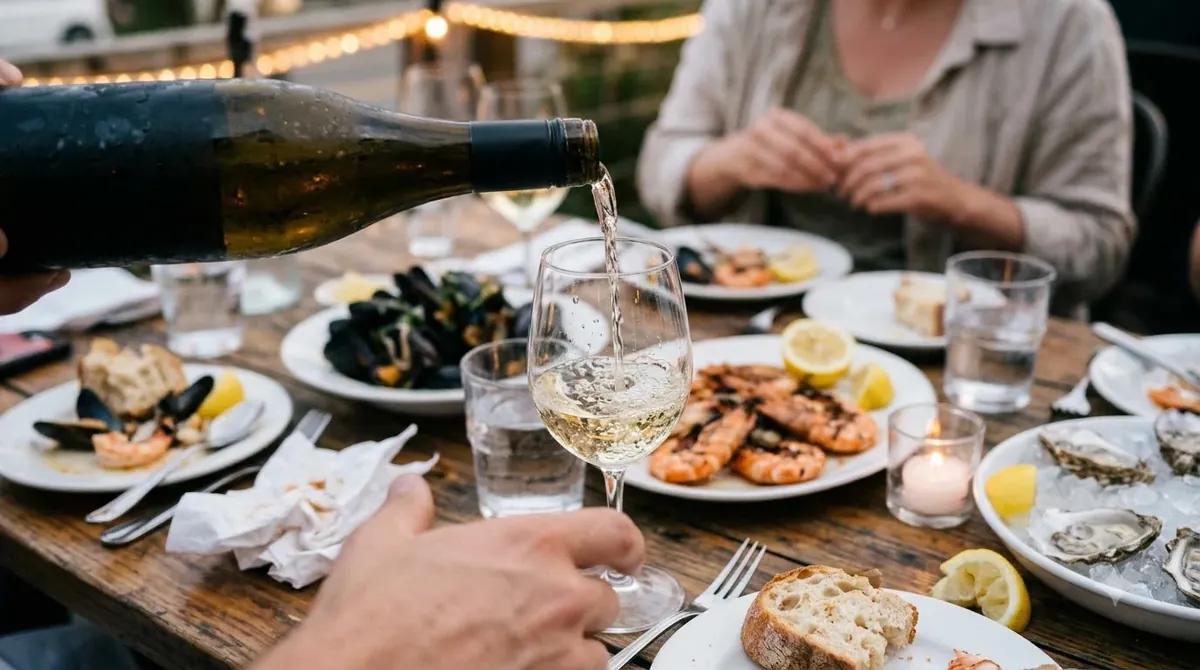
Encruzado is a flexible partner for food. Its acidity suits grilled fish, roast chicken, seafood rice, and dishes prepared with lemon or fresh herbs. A fuller oak-aged example can also complement richer seafood preparations and poultry with cream-based sauces. Lighter rosés work naturally with salads, grilled vegetables, shrimp, and casual summer meals. Sparkling versions are particularly versatile because their acidity and bubbles can refresh the palate between bites.
When storing bottles, keep them in a cool, dark location with a relatively steady temperature near 55°F. Bottles with natural cork closures are generally best stored on their sides. Opened still Dão wines can usually be kept refrigerated for approximately three to five days, with the wine’s condition depending on the style and storage method. A standard 750 ml bottle provides about five glasses when poured at 5 ounces each, making it straightforward to plan servings for a dinner or tasting.
For buyers interested in aging, look for wines with good acidity, balanced fruit, and sufficient structure. More concentrated Touriga Nacional blends and quality Encruzado whites can develop additional complexity with time, although the ideal drinking window depends on the individual wine. Producers may indicate a Reserva or other special selection on the bottle, but these terms should be considered alongside the grape variety, vintage, and production approach. Choosing a selection that matches the meal and occasion is usually more rewarding than automatically seeking the most powerful or oldest bottle.
Frequently Asked Questions
These common questions cover additional details about the region’s history, its most recognized grapes, and some characteristics that are less obvious from a wine label.
When was the Dão wine region formally demarcated?
The Dão demarcated wine region was established in 1908, according to the regional information published by Adega de Silgueiros. That historical recognition makes it one of Portugal’s established wine-growing areas. Its identity is closely connected to the historic Beira Alta region.
Is Touriga Nacional also used to make Port?
Yes. Touriga Nacional is an important grape in Port production as well as in dry Dão red wines. However, grapes intended for Port must be grown in Portugal’s Douro Valley, so Touriga Nacional grown in Dão is not used to make authentic Port.
What makes Touriga Nacional challenging to grow?
Touriga Nacional is naturally low yielding and produces very small, concentrated berries. It requires careful pruning and attentive vineyard management to maintain healthy growth and appropriate fruit development. These characteristics help explain why the grape can produce intensely colored and structured wines.
What is porphyroid granite in Dão?
Porphyroid granite, sometimes referred to as horse’s-tooth granite, is a distinctive geological formation found across much of the region. Adega de Silgueiros identifies it as a particularly important local granite type and estimates that approximately 97 percent of its described vineyard area is associated with this characteristic geology.
Can a white wine from the wider Dão area have a slight natural sparkle?
Yes. The official regional description notes that some white wines from Lafões can show a slight release of gas, which is considered a traditional regional characteristic. This subtle spritz is not a defining feature of every Dão white or every wine from the wider Terras do Dão area.
Dão deserves a place on any exploration of Portugal’s distinctive still wines. Its granite vineyards, mountain landscapes, and native grapes create a broad range of expressions, from lively Encruzado whites to structured Touriga Nacional reds. Start with one white and one red from different local varieties to appreciate how much variation this historic Portuguese region can offer.
More in Wine Regions
 Willcox Wine Trail: Discover Arizona’s High-Elevation Wine CountryUpdated Nov 20, 2026
 Yakima Valley Wine Region: Find the Best Styles to TryUpdated Nov 20, 2026
 Vosne Romanee Wine Tasting: Identify Aromas and Choose Better PairingsUpdated Nov 20, 2026
 Yakima Valley Wine Festival: Find the Best Seasonal Wine EventsUpdated Nov 20, 2026
 Wales Vineyards: Discover Cool-Climate Wines and Where to VisitUpdated Nov 20, 2026
 Yountville Wine Festival: Discover Napa Wines and Local FoodUpdated Nov 20, 2026