

We may earn a commission when you buy through links on this page, at no extra cost to you. Learn more.
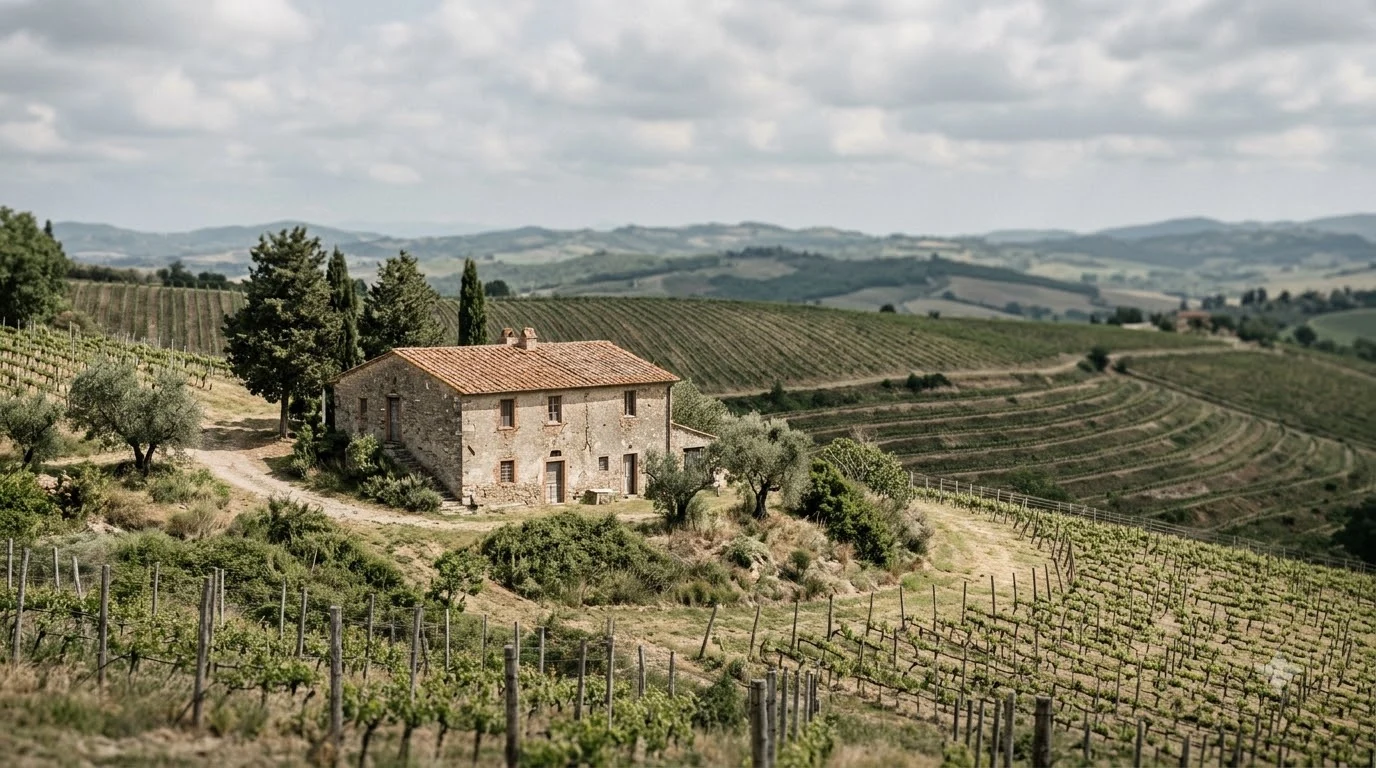
The alabama wine trail is best explored as a set of regional winery routes, not as one continuous road with a single start and finish. The most practical clusters are the North Alabama foothill wineries and the three-stop Shelby Trail near Birmingham, with additional vineyards in central and southern Alabama. Expect muscadine, Norton, hybrid-grape and fruit wines, and confirm each tasting room’s current hours before setting out.
Alabama’s wine scene rewards travelers who plan by region rather than trying to cross the state in a single weekend. A tasting day can combine vineyard scenery, local food and Southern fruit wines, but distances, opening days and the range of wines differ from one part of the state to another.
Understanding Alabama’s Regional Wine Routes
Alabama has several winery clusters and tourism itineraries rather than one uninterrupted trail. The North Alabama Wine Trail has a dedicated passport and winery directory, while the Greater Birmingham Convention & Visitors Bureau identifies a three-winery Shelby Trail around Calera and Harpersville.
The distinction matters for trip planning. The northern stops sit in and around the Appalachian foothills, including Attalla, Albertville, Heflin, Toney and Cullman. The Shelby Trail is centered south of Birmingham, with two wineries in Calera and one in Harpersville. Farther south and east, Alabama tourism and agricultural directories point visitors toward Jemison, Notasulga and Perdido. These are separate drives, not neighboring tasting rooms that can be linked by a short local road. The North Alabama Wine Trail directory is the best starting point for its current passport and stop list.
For a first visit, choose one cluster and give it a full day. A long weekend can cover more of North Alabama, but combining the Birmingham area with the Gulf Coast or the eastern edge of the state creates substantial driving. Travelers comparing destination-based routes elsewhere may also enjoy the Traverse City Wine Trail; Alabama’s layout is more spread out, and its wines reflect a warmer growing climate.
North Alabama’s Foothill Wineries
The North Alabama route is the most clearly packaged regional trail, with a visitor passport and a list of seven winery names. Its remaining listed stops span Heflin, Fruithurst, Attalla, Albertville, Toney and Cullman, although the tourism directory marks Maraella Winery as closed after January 31, 2026.
High Country Cellars in Heflin is promoted as a broad tasting stop, with more than 45 wines made from fruits grown around the region. Fruithurst Winery is associated with a 15-acre muscadine vineyard. Jules J. Berta Vineyards in Albertville combines vineyard wines with a wood-fired pizza oven, charcuterie and wine slushies, making it a useful choice for visitors who want a meal as well as a tasting.
Wills Creek Vineyards & Winery is in the Duck Springs Valley near Attalla. The winery’s own visitor page says it operates two properties about two miles apart: the public winery, with processing facilities, tasting room and gift shop at 10522 Duck Springs Road, and a separate Windmill property used for weddings and private events. The second property requires an appointment, so do not assume that an address on the route is an ordinary walk-in tasting room. The winery’s visitor information also lists nearby attractions such as Noccalula Falls Park and the Big Wills Creek area.
LaFamiglia Vineyards & Winery in Toney adds an estate-focused stop. North Alabama’s tourism directory describes its wines as made from estate-grown native American and European hybrid grapes, with styles ranging from crisp and dry to rich and sweet. Sipsey Vineyard & Winery, associated with the Bankhead National Forest and Sipsey Wilderness, lists a tasting room at 112 Clark Street NE in Cullman. One caution: the directory still displays Maraella Winery in its numbered route, but explicitly says the business closed January 31, 2026. Treat it as a historical entry, not a viable tasting stop, and confirm every other winery’s hours before leaving home.
Birmingham, Calera and the Shelby Trail
The Shelby Trail is the simplest Alabama itinerary for travelers based in Birmingham: it identifies three wineries just outside the city. Ozan Vineyard & Cellars and Corbin Farms Winery are both in Calera, while Morgan Creek Vineyards is in Harpersville, about 26 miles east of Birmingham along U.S. Highway 280.
Ozan Vineyard & Cellars is at 173 Highway 301 in Calera. Alabama’s state travel itinerary describes a vineyard with 2,000 vines and Norton-based red wine aged for one year in American oak. It also names Founders Cut Apple, a dessert wine, and Shelby Blanc, made from scuppernong. The current Ozan website lists weekday hours from 10 a.m. to 6 p.m., Sunday hours from noon to 6 p.m. and Monday closures; its weekend page says walk-ins are welcome but recommends a paid reservation for Saturdays, especially for groups of eight or more.
Corbin Farms Winery, at 800 Highway 87 in Calera, offers a different mix. The state travel profile says the Vizzini family founded it in 2005 and that the winery makes Cabernet Sauvignon, Chardonnay, Pinot Noir and Merlot from purchased grapes, alongside muscadine wine from its own harvest. It also describes an on-site bistro with Italian-inspired dishes, including baked rigatoni, antipasti and pizza. That mix makes Corbin a practical lunch stop rather than a tasting-only visit.
Morgan Creek Vineyards, at 181 Morgan Creek Lane in Harpersville, is the third stop on the Shelby Trail. Its visitor page advertises complimentary tours and tastings Monday through Saturday from 10 a.m. to 6 p.m. and asks parties of six or more to call ahead. Its location works well as the eastern leg of a Birmingham-area day, but the route should be mapped in advance because the three wineries do not share one compact property. For more comparisons with East Coast wine destinations, see the Charlottesville Wine Trail, where the regional wine story is shaped by a different set of grape varieties and growing conditions.
Central and Southern Alabama’s Vineyard Stops
Beyond the two main clusters, Alabama’s wider winery itinerary reaches central and southern communities. The state tourism office’s See & Sip at Alabama’s Wineries itinerary highlights stops from the northern foothills to the coast. These destinations make more sense as stand-alone visits or as part of a wider road trip than as add-ons to a North Alabama tasting day.
Hidden Meadow Vineyard in Jemison, in Chilton County, is profiled by Alabama’s state travel site as a five-acre vineyard. The profile says 85 percent of its vines grow three varieties of muscadines and the remainder grow Cynthiana, also called Norton. Its named wines include a peach wine made from local fruit and Smith Ridge White, made from white Carlos muscadines. The nearby town of Jemison is also home to Petals from the Past, a nursery where visitors can buy grapevines and get growing advice; that makes the area relevant to travelers interested in how wine grapes are cultivated as well as how they taste.
Whippoorwill Vineyards in Notasulga is a useful eastern Alabama stop for visitors around Auburn. Sweet Grown Alabama describes it as a 15-acre vineyard with enough grape varieties to produce more than 11 types of wine, about 20 minutes outside Auburn. The state tourism profile says its wines include muscadine, Norton and Lenoir, and that the vineyard has offered late-summer u-pick days when the muscadine crop is abundant. Those dates depend on the season, so treat u-pick as a special activity to confirm rather than a guaranteed part of every visit.
Perdido Vineyards, near the Gulf Coast in Perdido, has a distinct place in state wine history. Alabama’s tourism profile identifies it as the first farm winery to open in the state after Prohibition, in 1972, and says its grape wines are made exclusively from muscadines, including Scuppernong. The profile also describes dessert wines made from apples, blueberries, blackberries and satsumas, plus fruit vinegars and muscadine juice. Confirm current visitor arrangements before making a long detour.
Muscadine, Norton and the Styles in Your Glass
Muscadine is the grape most closely associated with Alabama wine, but it is not the only style worth seeking out. Expect a spectrum that can include dry or semi-sweet muscadine, Scuppernong, Norton, French-American hybrids, conventional wine grapes and wines made from other local fruit.
Muscadine is native to the southeastern United States and is well suited to the region’s warm, humid growing conditions. Alabama Cooperative Extension describes muscadine cultivars such as Hall, Lane, Paulk, Southern Home and Razzmatazz in its vineyard trials. In central Alabama research plots, Hall began ripening in early August and averaged 61 pounds per vine in the reported trial; Lane harvest began August 18, while Paulk began maturing around September 16. These are research results for specific cultivars and growing conditions, not a promise that every vineyard is ready for picking on those dates.
Scuppernong is a bronze muscadine variety with a long history in the South. Norton, also called Cynthiana, appears in central Alabama wines and is associated with Ozan’s Norton Red and Hidden Meadow’s vineyard plantings. Other producers use grapes such as Cabernet Sauvignon, Chardonnay, Pinot Noir and Merlot, while fruit wines can feature peach, apple, blueberry, blackberry or satsuma. When choosing a flight, ask which wines are fully dry, off-dry or sweet; a winery’s use of “red,” “white” or “fruit” does not tell you how much residual sweetness you will perceive.
Food pairing follows the same basic principles as it does in other regions. A sweet muscadine or peach wine is usually easier with a dish that has some sweetness than with a sharply acidic salad; a high-acid white can work well with tomato, citrus or vinegar-driven dishes. Salt and fat soften tannin in reds, while chili heat can seem stronger beside a high-alcohol or tannic wine. For a broader primer on grape types, climate and regional wine styles, browse our Wine Regions overview before you go.
How to Plan a Tasting Day
Plan around two or three stops, not a race to collect the most tasting-room stamps. The route information below gives you a useful starting point, but winery schedules, tasting formats and food service can change, so confirm details directly before driving.
| Area | Useful stops | Planning detail | Best trip shape |
|---|---|---|---|
| North Alabama | High Country Cellars, Fruithurst, Wills Creek, Jules J. Berta, LaFamiglia and Sipsey | The tourism directory lists seven names but marks Maraella closed after Jan. 31, 2026; Fruithurst is associated with 15 vineyard acres. | One full day for a small selection; a long weekend for a broader loop. |
| Shelby and Birmingham area | Ozan, Corbin Farms and Morgan Creek | Three stops are named on the Shelby Trail; Morgan Creek is about 26 miles east of Birmingham. | A focused day trip from Birmingham. |
| Central Alabama | Hidden Meadow in Jemison and nearby Petals from the Past | Hidden Meadow’s state profile describes five acres of vines, 85 percent muscadines. | A separate half-day or full-day rural outing. |
| Eastern and southern Alabama | Whippoorwill in Notasulga; Perdido Vineyards | Whippoorwill is described as a 15-acre vineyard with more than 11 wine types; it is about 20 minutes from Auburn. | Choose one area and build the rest of the day around it. |
Start early enough to reach the first tasting room near opening time, then leave room for lunch and driving. Three wineries can fill a day once you include tours, flights and time to browse; a slower visit to two stops leaves room for Noccalula Falls Park near Attalla or the Heart of Dixie Railroad Museum in Calera.
Check the address as well as the winery name. Wills Creek has a public winery at 10522 Duck Springs Road and a separate private-event venue two miles away. Ozan recommends Saturday reservations for groups of eight or more, while Morgan Creek asks groups of six or more to call ahead. Verify hours and event calendars directly with each stop.
Tip: Assign a designated driver before the first tasting, and ask whether a winery offers sample pours, a flight or take-home bottles. A tasting itinerary is more enjoyable when the group can compare notes without rushing between appointments.
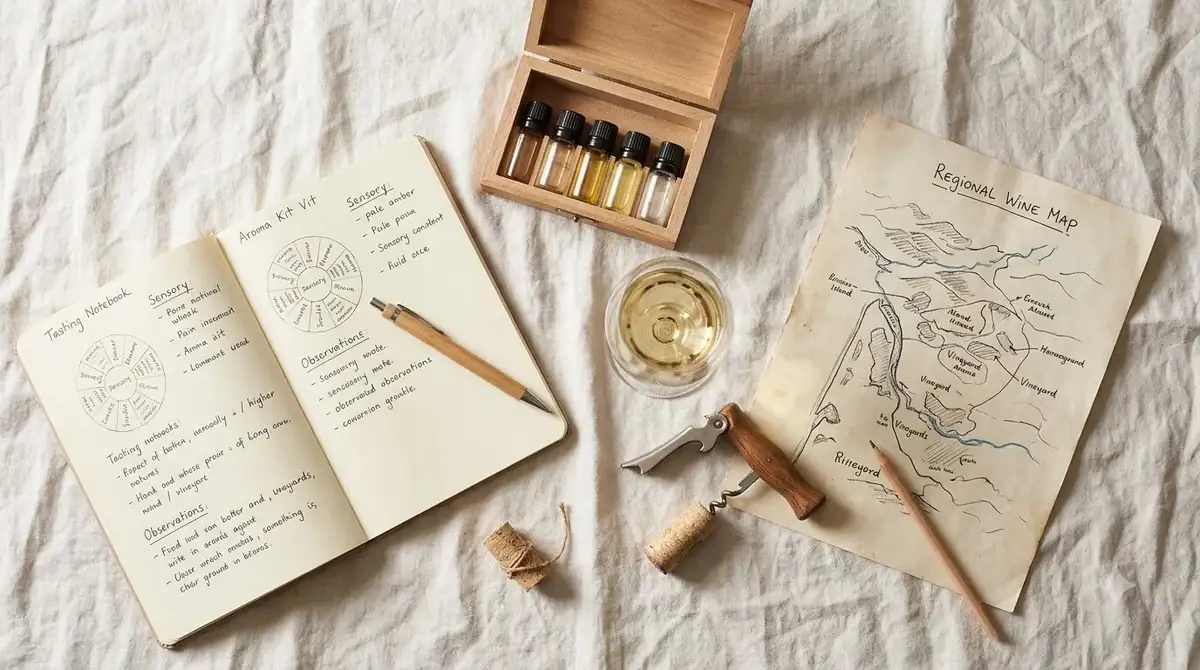
For a tasting, begin with the lightest and driest wines, then move toward fuller reds and sweeter fruit wines. If you compare dry Norton with sweet muscadine, taste the Norton first so the sweetness does not flatten it. Note the grape and sweetness level, bring water and sun protection, and keep purchases out of a hot parked car. Confirm kitchen hours separately from tasting-room hours because food service may end before the winery closes.
Frequently Asked Questions
These answers cover the passport, reservations, harvest timing, local events and wine styles that can affect a visit. Confirm the latest arrangements with each winery before setting a date.
Is there a mobile passport for the North Alabama wine route?
Yes. The North Alabama tourism program promotes a mobile-exclusive “Wines & Vines of North Alabama” passport. Its trail page says visitors who complete the passport can receive a gift, so check the current sign-up details before starting the route.
Do I need a reservation at Ozan Vineyard & Cellars?
Ozan says walk-ins are welcome, but Saturdays can be busy and the winery recommends paid table reservations, particularly for groups of eight or more. Its café lists items such as panini, croissants, piadizza and charcuterie, and the site posts separate event information for train excursions.
Can I visit an Alabama winery during grape harvest?
Harvest and visitor activities depend on the variety and season. In Alabama Extension’s trial, Hall muscadines averaged 11.4 grams per berry, while Paulk averaged 16 grams; individual vineyards may follow a different schedule, so ask about harvest tours or u-pick dates before traveling.
Does Alabama have an annual wine festival?
North Alabama’s tourism organization promotes an annual Alabama Wine Festival in Gadsden at Noccalula Falls Park. The event brings regional wineries together for tastings and entertainment, but its date and participating producers can vary from year to year.
Are Alabama muscadine wines always sweet?
Yes, although the selection differs by producer. For a dry red from a local winery, Morgan Creek’s Red Mountain Red is semi-sweet while its Vulcan Red is dry, making it an easy place to compare two muscadine styles side by side.
The best Alabama wine trip is the one that matches your route, schedule and taste for local grape and fruit wines. Pick one region, verify each stop directly and leave time to enjoy the landscape as well as the glass.
More in Wine Regions
 Willcox Wine Trail: Discover Arizona’s High-Elevation Wine CountryUpdated Nov 20, 2026
 Yakima Valley Wine Region: Find the Best Styles to TryUpdated Nov 20, 2026
 Vosne Romanee Wine Tasting: Identify Aromas and Choose Better PairingsUpdated Nov 20, 2026
 Yakima Valley Wine Festival: Find the Best Seasonal Wine EventsUpdated Nov 20, 2026
 Wales Vineyards: Discover Cool-Climate Wines and Where to VisitUpdated Nov 20, 2026
 Yountville Wine Festival: Discover Napa Wines and Local FoodUpdated Nov 20, 2026