

We may earn a commission when you buy through links on this page, at no extra cost to you. Learn more.
Gigondas wine is a powerful red from a single commune in the southern Rhône Valley of France, where Grenache usually leads the blend and Syrah or Mourvèdre adds structure. The appellation sits under the Dentelles de Montmirail mountains and benefits from a warm Mediterranean climate. Most bottles are red, and the best examples are built to age. This guide explains the style, the grapes, how to serve a bottle, and what to pair with it.
Gigondas is one of the names that shows up when people move beyond the basic Côtes du Rhône and want something richer. It is not a delicate wine, and that is part of its appeal. If you enjoy bold reds with dark fruit, savory notes and a long finish, the appellation is worth learning about.
What Gigondas wine is
Gigondas is an appellation, a legally protected name that defines where the grapes are grown and how the wine is made. It is a red-wine appellation in France’s southern Rhône region, and its wine comes only from the commune of Gigondas in the Vaucluse department. The appellation became a separate AOC in 1971, when it left the Côtes du Rhône-Villages category, which is why you may still see it described as a step up from that broader label.
Red wine is the main product. Very little rosé is made, and the appellation was extended to white wines in 2022, although no white is currently produced. The style is often described as powerful rather than elegant, with dense fruit, firm structure and a warm, spicy character. Those qualities come from the grapes and the climate, which work together to give the wine weight.
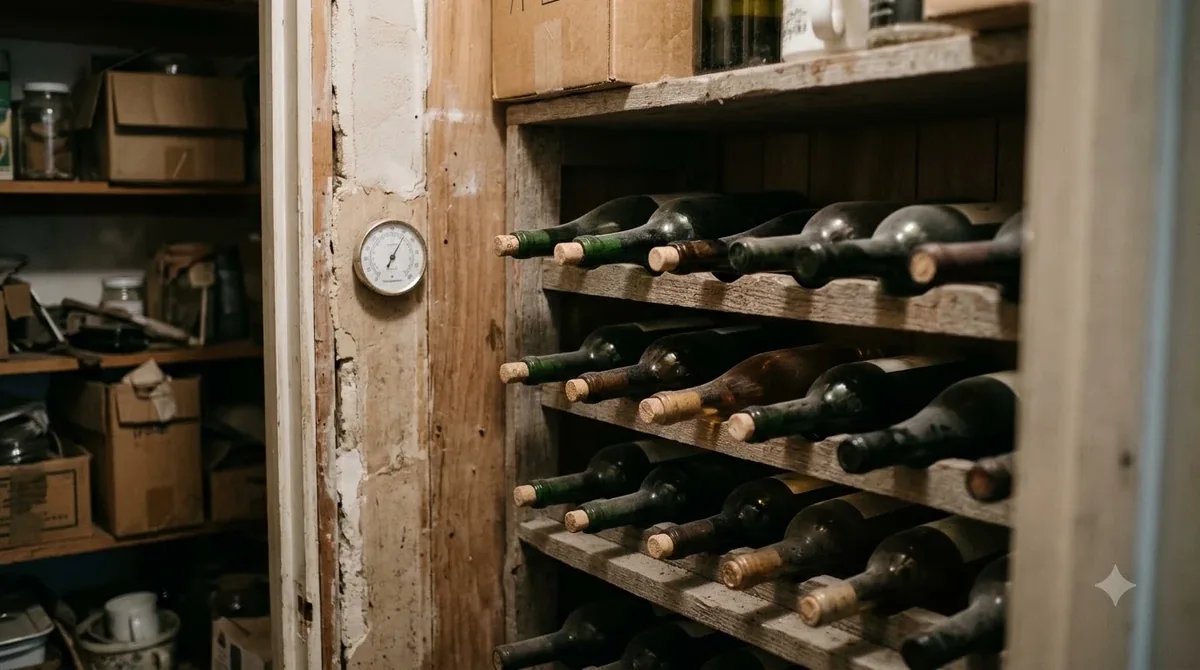
The wines are also made for the cellar. Many Gigondas bottles are meant to rest for years before they reach their best. Younger examples can be enjoyed with food, but the finest wines usually show more balance after about a decade. Lesser bottles are generally best opened sooner, so the producer’s reputation and the wine’s structure are useful clues when you are choosing a bottle to age.
Grapes and the Gigondas blend
The appellation is built around Grenache. Under the rules, red Gigondas can be made with up to 100 percent Grenache, but it must include at least 15 percent Syrah and/or Mourvèdre. Up to 10 percent of other Rhône varieties are allowed, with the exception of Carignan. That framework means producers have room to vary the blend while still keeping the wine within the appellation style.
Grenache brings the fruit, body and warmth. It is a generous grape that tends to produce full-flavored red wines with stewed strawberry, grilled plum, leather and dried herbs on the palate. Syrah and Mourvèdre add color, tannin and spice, and they help the wine hold together over time. A Gigondas dominated by Grenache may feel softer and fruitier in youth, while a blend with more Syrah or Mourvèdre can feel firmer and more structured.
| Component | Role in the wine | What you may notice |
|---|---|---|
| Grenache | Main body and fruit | Ripe strawberry, plum, warmth, medium-full body |
| Syrah | Color, tannin and spice | Dark fruit, pepper, structure |
| Mourvèdre | Backbone and longevity | Earthy, savory notes and firm grip |
| Other Rhône varieties | Small supporting role, up to 10 percent | Subtle aromatic lift and extra complexity |
Climate, terroir and the Dentelles
The vineyards enjoy a Mediterranean climate, which is warmer than the more continental weather found further north in the Rhône. The Dentelles de Montmirail, a mountain range, divide the appellation into a cooler zone and a hotter zone. That split matters because the vines on the cooler side can keep more acidity, while those on the warmer side can ripen more fully. Vines are harvested from sites reaching up to about 600 meters in elevation, which gives growers a range of exposures to work with.
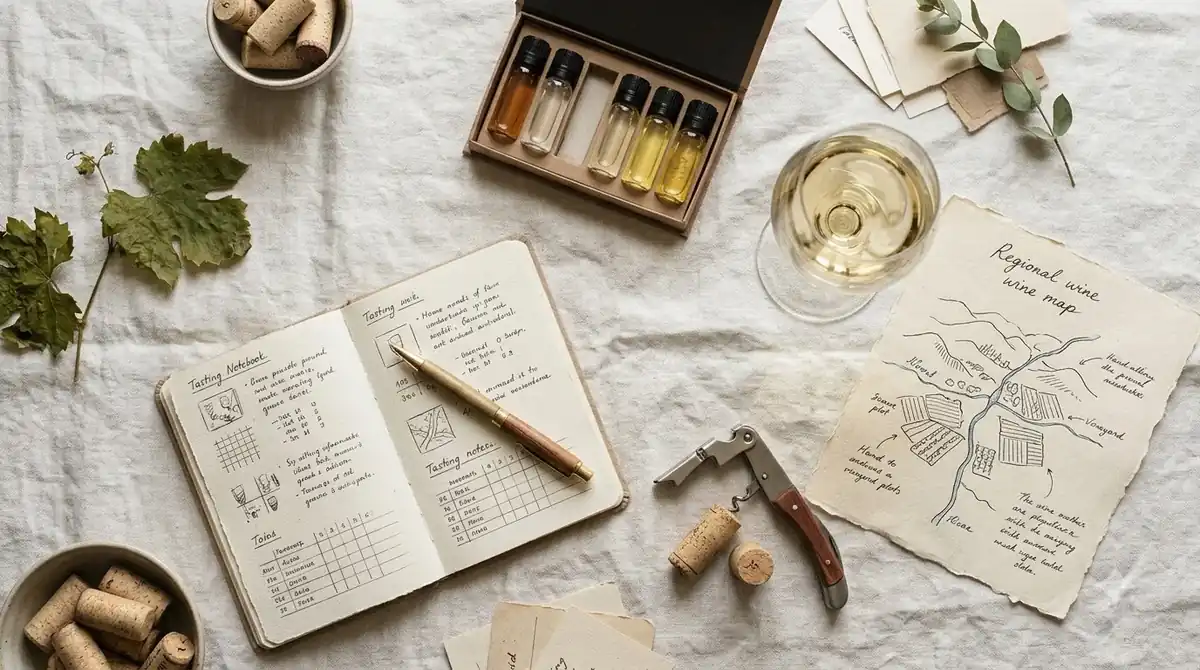
This variation is one reason Gigondas can taste different from one producer to the next. A grower on a cooler site may produce a wine with more lift and brightness, while a warmer site may give a richer and more concentrated bottle. Reading the producer’s description and the blend on the label will help you understand which style you are buying.
How to serve and pair Gigondas
Grenache-based reds are generally best served a little cooler than many people assume. Serving them in the range of about 60 to 68 degrees Fahrenheit, or 15 to 20 degrees Celsius, keeps the fruit lively and stops the alcohol from feeling hot. Because Gigondas is often fairly high in alcohol, a short chill in the refrigerator can help a bottle that has been sitting in a warm room.
Decanting is worth considering, especially for a young bottle or one with visible sediment. Giving the wine about 30 minutes in a decanter or a wide glass allows it to open and soften. Older bottles should be decanted carefully to leave the sediment behind, and they often need less time in the decanter than a young wine.
For food, Gigondas suits dishes that have depth and savoriness. Roasted lamb, beef stews and grilled meats with herbs all match the wine’s richness. Vegetable dishes with roasted peppers, eggplant or mushrooms also work well. The wine’s spice can handle bold seasoning, including warm spice blends, which makes it a good partner for roasted meats seasoned with cumin or similar flavors.
Tip: Use a glass with a generous bowl. The extra space lets the aromas of herbs, spice and dark fruit develop before the first sip.
How to choose a Gigondas bottle
Start with what you want from the wine. If you want a red for dinner tonight, choose a bottle from a recent vintage that the producer describes as approachable. If you plan to keep the wine for several years, look for a producer with a reputation for structure and aging potential, and ask how long the house recommends waiting before opening.
Read the label carefully. The appellation name tells you where the wine comes from, but the producer name and vintage tell you more about the style. A Gigondas labeled as a more powerful or structured wine will usually need food and time, while a softer one may be ready to drink sooner. Pay attention to the grape mix if the producer lists it, since a higher share of Grenache usually means a rounder, fruitier wine.
Finally, consider the occasion. Gigondas is a satisfying choice for a long meal with friends or a winter dinner, when its warmth and weight feel natural. It may feel heavy on a hot afternoon, so plan accordingly.
Frequently Asked Questions
Is Gigondas wine red or white?
Gigondas is mainly known as a red wine, and very little rosé is made. The appellation was extended to white wines in 2022, but no white is currently produced.
What grapes are in Gigondas?
Red Gigondas can be made with up to 100 percent Grenache. It must include at least 15 percent Syrah and/or Mourvèdre, and up to 10 percent of other Rhône varieties are allowed, except Carignan.
How long can Gigondas age?
The finest examples can age ten years or more. Lesser bottles are generally best opened sooner, so check the producer’s guidance before you plan a long rest in the cellar.
What should I serve with Gigondas?
Roasted lamb, beef stews, grilled meats and vegetable dishes with peppers or mushrooms are good matches. Serve the wine slightly cool, around 15 to 20 degrees Celsius, so the fruit stays fresh.
Gigondas rewards patience and good food. Start with a younger bottle to learn the style, then try an older wine when you want more depth. For more on the wider Rhône, read the Calistoga vineyards guide for a contrast with California, or the wine regions overview to see how different appellations shape their wines. For a clear profile of the grape that leads most Gigondas blends, the Wine Folly Grenache guide covers flavors, serving temperature and aging notes.
More in Wine Regions
 Willcox Wine Trail: Discover Arizona’s High-Elevation Wine CountryUpdated Nov 20, 2026
 Yakima Valley Wine Region: Find the Best Styles to TryUpdated Nov 20, 2026
 Vosne Romanee Wine Tasting: Identify Aromas and Choose Better PairingsUpdated Nov 20, 2026
 Yakima Valley Wine Festival: Find the Best Seasonal Wine EventsUpdated Nov 20, 2026
 Wales Vineyards: Discover Cool-Climate Wines and Where to VisitUpdated Nov 20, 2026
 Yountville Wine Festival: Discover Napa Wines and Local FoodUpdated Nov 20, 2026