

We may earn a commission when you buy through links on this page, at no extra cost to you. Learn more.
organic moscato is wine made from Muscat grapes grown under certified organic standards, with the finished bottle’s labeling category determined by its ingredients and production methods. In the United States, organic wine cannot contain added sulfites, while wine made with organic grapes can contain limited added sulfites. Moscato itself comes in sweet, dry, still, and sparkling styles, so organic certification does not automatically tell you how a bottle will taste. Understanding the grape variety, sweetness, and label requirements makes choosing the right wine much easier.
Organic Moscato combines an aromatic grape family with farming and winemaking standards designed to restrict certain synthetic agricultural inputs and regulate production. Piedmont’s gently sparkling Moscato d’Asti is a familiar example of the style, but Muscat wines also come from California, Oregon, Sicily, and other wine regions. The best buying approach is to evaluate the certification, the wine style, and the flavor profile separately.
What Organic Means on a Moscato Label
Organic certification covers more than the farming of Muscat grapes. For American shoppers, the distinction between an organic wine and a wine made with organic grapes is especially important because USDA rules treat these as separate labeling categories, with different requirements for sulfites and organic content.
Under USDA labeling standards, wine in the organic category must contain at least 95% certified organic ingredients, subject to the applicable restrictions on the remaining ingredients and processing aids. A 100% organic category also exists, with all ingredients and processing aids required to meet its stricter organic requirements. These standards apply to the finished product rather than simply the agricultural practices used to grow the grapes.
Wine presents an additional labeling complication because winemakers sometimes add sulfur dioxide, commonly referred to as sulfites, to help protect wine during production and storage. In the United States, a wine containing added sulfites cannot qualify for the USDA organic wine label, even when its grapes and other ingredients meet the organic-content threshold. This distinction matters when comparing an American organic Moscato with an imported European bottle that carries an organic certification from its country of origin.
A separate category allows wine to be labeled as made with organic grapes. This category requires at least 70% organic content under the general USDA labeling framework, while the wine-specific rules require organic grapes and permit added sulfur dioxide up to a total sulfite concentration of 100 parts per million. Such wine cannot carry the USDA organic seal. The USDA organic labeling requirements explain these distinctions and are useful when comparing bottles from different countries.
For a practical purchase, look for the actual wording on the front and back labels rather than relying on a vague environmental claim. A recognizable certification mark is useful, but the name of the certifying organization and the organic claim on the finished wine are also important. A bottle that says it was produced using organically grown grapes is not necessarily identical to one legally labeled organic wine in the U.S. market.
Muscat Grapes and the Styles Behind the Name
Moscato is not a single grape variety with one fixed flavor or sweetness level. It refers to wines made from members of the Muscat family, a diverse group of grapes that includes several white-skinned varieties and some red-skinned varieties.
One of the best-known members of this family is Muscat Blanc à Petits Grains, also called Moscato Bianco in Italy. It is strongly associated with Piedmont and the region’s Moscato d’Asti wines. Its aromatic character commonly includes floral notes, peach, citrus, and honey-like impressions. Those characteristics help explain why Moscato is often chosen by drinkers who enjoy fragrant wines with noticeable fruit.
Muscat of Alexandria is another important variety. It is associated with wines from several Mediterranean regions and can produce both sweet and dry expressions. In Sicily, this grape is also known as Zibibbo. Muscat Ottonel is another member of the family, found in several Central European wine traditions and sometimes used for lightly sparkling wines.
Geography can help narrow down a purchase, but it should not be treated as a guarantee of sweetness. Piedmont’s Moscato d’Asti has a recognizable gently sparkling style, while Muscat wines from California and Oregon can range from sweet to dry. Producers in Spain, France, and southern Italy also make different expressions of the grape. These variations mean that two bottles labeled Moscato can have noticeably different textures, alcohol levels, and finishes.
Organic certification does not change the identity of the grape. A certified organic Muscat Blanc à Petits Grains wine remains the same grape variety as a conventionally farmed example. The difference concerns how the grapes were grown and how the finished wine was produced and handled under the applicable certification rules.
Sweetness, Bubbles, and Alcohol Levels
The most familiar Moscato is sweet and gently sparkling, but shoppers should not assume every bottle has that profile. Moscato can be fermented to different levels of sweetness, and its carbonation can range from still to softly sparkling or more noticeably fizzy.
Moscato d’Asti from Piedmont is a useful starting point for understanding the classic style. Its fermentation is stopped before all the grape sugar is converted into alcohol, preserving sweetness while creating light carbonation. Wine Enthusiast describes typical alcohol levels of approximately 5–6% for this style. Its fresh, fruity character and gentle bubbles distinguish it from fully sparkling wines such as traditional-method Champagne.
Still Moscato follows a different approach. It can be sweet enough to serve with dessert, lightly sweet for relaxed sipping, or fermented dry for a more food-oriented white wine. A dry Muscat can still smell strongly of flowers and citrus even though it has a much less sugary taste. Pét-nat Moscato offers another possibility: the wine is bottled during its first fermentation, which creates a softer sparkle and may produce additional texture from lees contact.
The following comparison provides a useful shopping reference. The figures are representative style characteristics rather than a promise about every producer’s bottle.
| Wine style | Typical characteristics | What to look for | Useful occasion |
|---|---|---|---|
| Moscato d’Asti | Approximately 5–6% ABV; sweet and gently sparkling | Piedmont origin and Moscato Bianco | Brunch, fruit desserts, celebrations |
| Still sweet Moscato | Still wine with noticeable residual sweetness | Muscat Blanc à Petits Grains or Muscat of Alexandria | Fruit tarts and soft cheeses |
| Dry Muscat | Dry finish with floral and citrus aromas | Dry or Sec style descriptions | Seafood and herb-seasoned dishes |
| Pét-nat Moscato | First-fermentation carbonation and softer bubbles | Pét-nat or ancestral-method wording | Casual aperitifs and light appetizers |
| Organic wine | At least 95% certified organic ingredients under USDA rules | Eligible organic claim and certification | Shoppers seeking certified organic wine |
| Made with organic grapes | At least 70% organic content under the general category; wine-specific sulfite limits apply | Organic-grape claim and certification | Shoppers comparing organic-grape wines |
Sweetness is best evaluated independently of alcohol content. A wine with lower alcohol is not automatically dry, and a wine with higher alcohol is not necessarily sweet. In partially fermented Moscato d’Asti, some grape sugar remains because fermentation has been stopped early. In dry Muscat, fermentation continues until much more of the available sugar has been converted into alcohol.
For shoppers who particularly enjoy lighter sweetness, comparing Moscato with options discussed in our low sugar Moscato guide can help clarify the difference between aromatic character and residual sugar. The grape can retain its recognizable fragrance even when the finished wine is much drier than the familiar sweet style.
Flavor Characteristics and Food Pairings
Moscato is known for its expressive aromas and approachable fruit character. The sweetest examples often feature peach, apricot, lychee, tangerine, orange blossom, and honey-like impressions, while dry expressions can emphasize citrus zest, herbs, and fresh flowers.
Muscat grapes are naturally aromatic, which means their distinctive floral character can remain noticeable even when the finished wine contains relatively little residual sugar. Sweet versions generally have a rounder impression, particularly when the wine has preserved grape sugar and gentle carbonation. Dry versions often present a cleaner, more focused finish, with acidity playing a stronger role in the overall balance.
For sweet organic Moscato, start with desserts that are at least as sweet as the wine. A fresh peach tart, fruit salad, lemon pastry, or apple cake can work particularly well. A dessert that is much sweeter than the wine can make the wine seem sour or thin, so matching sweetness levels is more important than simply choosing another fruit-flavored dish.
Soft cheeses provide another useful pairing. Brie, fresh goat cheese, and mild creamy cheeses can complement the floral aromas without overpowering the wine. A lightly sweet Moscato can also work with salty snacks, while the combination of sweetness and refreshing acidity can balance richer food. For a cheese course, consider fruit, honey, and lightly salted crackers rather than very strong or heavily aged cheeses.
Spicy food requires a little more care. A slightly sweet Moscato can soften the impression of chili heat, making it a possible companion for mildly spicy Asian dishes, glazed chicken, or General Tso’s chicken. However, alcohol and tannin can amplify chili heat, so a lower-alcohol Moscato d’Asti will generally be a more comfortable choice than a stronger fortified Muscat alongside a very hot dish.
Dry Muscat calls for a different approach. Its floral and citrus character can work with grilled seafood, fresh salads, herbed vegetables, and lighter Mediterranean dishes. Its acidity can complement foods that have a similar level of acidity, such as lemon-seasoned fish or a salad with a bright vinaigrette. Unlike heavily tannic red wines, white Muscat does not present the same tannin-related clash with oily fish.
The central pairing principle is balance. Let sweetness meet sweetness, let acidic food meet a wine with comparable or higher acidity, and use salt and fat to soften stronger tannins when serving other wines alongside the meal. These principles help identify the right food for both sweet and dry Moscato rather than relying on the name of the grape alone.
Organic Farming and Winemaking Standards
Organic certification focuses on documented production practices, including the management of vineyards and the handling of grapes and wine in the cellar. It is not simply a description of a producer’s environmental intentions or a claim that the finished wine has a particular flavor.
Organic farming standards restrict the use of many synthetic agricultural chemicals, including certain pesticides, herbicides, insecticides, and fertilizers. Organic producers typically rely on permitted natural materials, vineyard management, and other approved methods to maintain soil and vine health. The exact list of permitted substances depends on the certification system and country. Organic therefore should not be interpreted as an absolute promise that no pest-control material or agricultural treatment was ever used.
Certification also takes time. Decanter’s explanation of wine sustainability describes a conversion period of at least three years before organic certification can be granted. Producers must establish the required practices and maintain appropriate records. This is one reason an organic claim is more meaningful than a casual statement that a vineyard follows environmentally friendly methods.
The cellar is just as important as the vineyard. Grapes grown under organic practices do not automatically make the resulting bottle certified organic wine. Fermentation, processing aids, permitted additions, and handling must meet the relevant standards. A winemaker can therefore use organic grapes and still produce a bottle that qualifies only for a made-with-organic-grapes claim under American labeling rules.
Sulfites illustrate why the country of certification matters. European organic wine rules allow controlled additions, while the USDA organic wine category prohibits added sulfites. According to the USDA, wine made with organic grapes can contain added sulfur dioxide up to a total sulfite level of 100 ppm. Consequently, an imported wine carrying an organic claim under a European system may need a different claim when sold in the United States.
Organic, biodynamic, sustainable, and natural are not interchangeable terms. Biodynamic certification involves additional agricultural and philosophical practices, while sustainability programs may assess water use, energy, waste, worker practices, and environmental management. Natural wine generally refers to a broader winemaking philosophy rather than one universal certification system. A bottle can overlap several of these approaches, but one claim does not automatically establish another.
None of these certifications determines whether a Moscato is sweet, dry, sparkling, or still. Those characteristics depend on grape selection and winemaking decisions. For buyers, the strongest approach is to consider certification as evidence of production standards and evaluate taste, alcohol, and sweetness through the wine’s separate product information.
How to Choose, Serve, and Store Organic Moscato
A good buying decision starts with the style you actually enjoy and the certification claim that matters to you. Compare the grape variety, region, sweetness description, alcohol percentage, and organic certification rather than assuming every bottle labeled Moscato will taste alike.
For a classic sweet sparkling wine, look for Moscato d’Asti from Piedmont and a relatively low alcohol percentage around 5–6%. For a still sweet wine, look for descriptions mentioning peach, apricot, tangerine, or floral aromas. Shoppers who prefer a less sugary finish should explore dry Muscat or Moscato expressions instead. Organic certification should then be evaluated separately by examining the exact wording and the certifying organization’s details.
For a wider comparison of certified wines, you can also explore organic Merlot or organic sweet red wine. These styles offer a useful contrast with aromatic white Muscat. Readers who are comparing bottle origins, labels, and production claims can find additional practical information in our Wine Buying Guides.
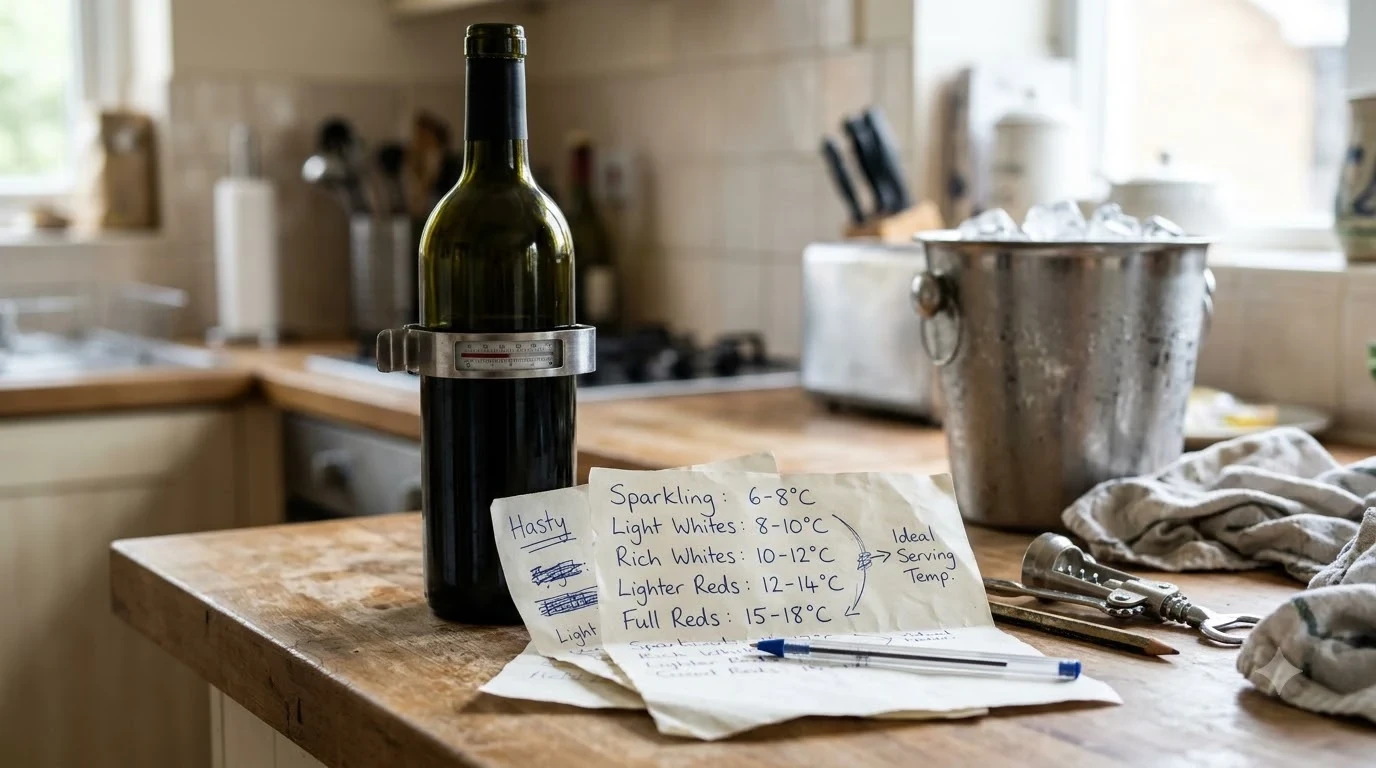
Serving temperature has a noticeable effect on aroma and sweetness. A lightly sparkling Moscato d’Asti is best served around 40–50 degrees Fahrenheit, which keeps its bubbles lively and its sweetness refreshing. Still sweet Moscato is generally best around 43–50 degrees Fahrenheit. Very cold wine can hide delicate floral aromas, so allow the wine to warm slightly in the glass if its fragrance seems muted.
A standard wine serving is about 5 ounces, and a 750-milliliter bottle provides approximately five glasses. Use smaller pours for sparkling Moscato if you want to preserve its bubbles during a longer meal. A tulip-shaped white-wine glass or a standard sparkling-wine glass can both work well, depending on whether aroma or carbonation is your priority.
Tip: Chill sparkling Moscato before opening, then pour slowly into a clean glass. Keep the bottle refrigerated between servings and use a sparkling-wine stopper to help preserve carbonation. For a still Moscato, a regular wine stopper is sufficient.
Storage matters after opening. Keep unfinished Moscato refrigerated rather than leaving it on the counter. An opened sparkling bottle generally retains its best character for about 1–3 days in the refrigerator, while still wines commonly last around 3–5 days. Aroma and freshness gradually decline, so a floral wine that was expressive when first opened may become less lively with time.
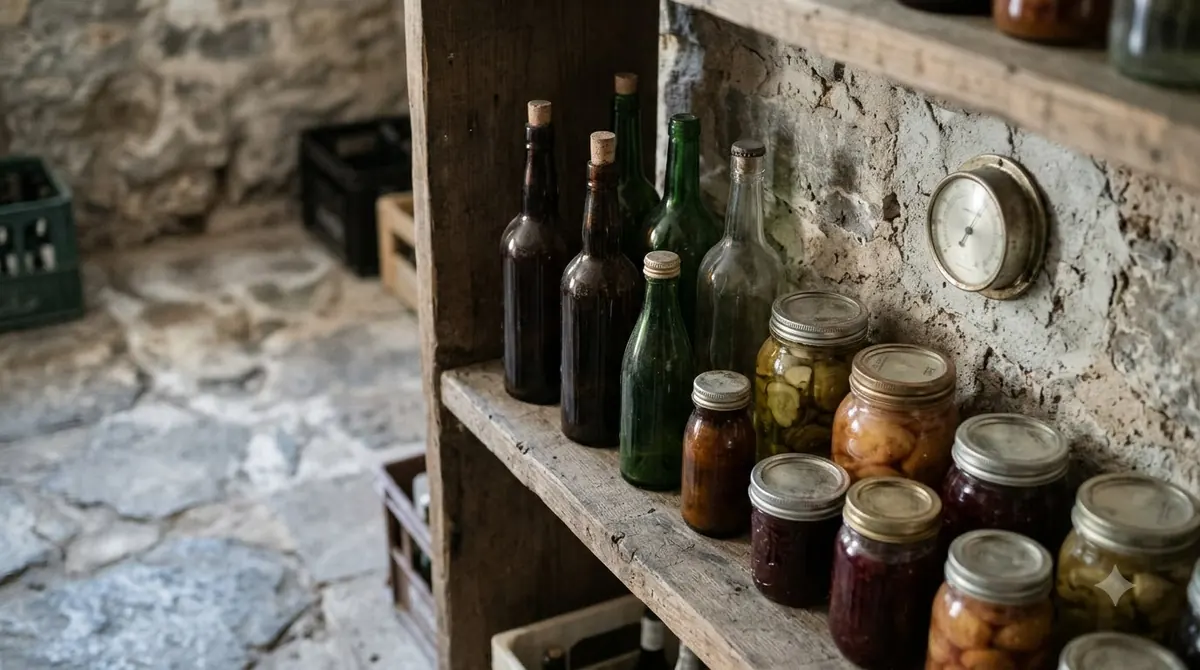
For unopened bottles, choose a cool, dark location away from direct sunlight, heat, and frequent temperature changes. A storage temperature near 55 degrees Fahrenheit is a useful general target, and bottles with natural cork closures are normally stored on their sides. Many fresh, lightly sparkling and aromatic Moscato wines are intended to be enjoyed relatively young rather than stored for extended aging. Buy according to the intended occasion, keep the wine properly chilled, and open it while its fruit and floral characteristics are at their best.
Frequently Asked Questions
Is Moscato always a white wine?
No. The broader Muscat family includes red-skinned varieties as well as white-skinned grapes. Examples include Moscato di Scanzo and Moscato Rosa del Trentino, which demonstrate that Muscat-based wines are not limited to pale white expressions.
What does Zibibbo mean on a wine label?
Zibibbo is the name commonly used in Sicily for Muscat of Alexandria. Wines made from this grape can be sweet or dry, so the name alone does not establish the finished wine’s sweetness level.
Can Moscato be aged for several years?
Many lightly sparkling and fresh-fruit Moscato wines are made for relatively early enjoyment. Fortified Muscat is an important exception because the addition of neutral grape spirit, commonly brandy, stops fermentation and creates a higher-alcohol, age-worthy style that can develop additional complexity.
Does organic certification mean that Moscato is vegan?
No. Organic certification does not automatically establish that a wine is vegan. Some winemaking fining agents can be derived from animal products, including egg whites, gelatin, or milk proteins. Shoppers who require vegan wine should look for a separate vegan certification or an explicit producer statement.
Can organic Moscato use cultured yeast during fermentation?
Yes, certain organic wine standards allow cultured yeasts that are not genetically modified. Decanter distinguishes this from biodynamic winemaking, which follows stricter fermentation practices and may require naturally occurring ambient yeasts instead. The applicable requirements depend on the certification system.
Organic Moscato offers a useful combination of aromatic grape varieties, varied sweetness levels, and clearly defined production standards. The best bottle is one whose certification, grape style, and flavor profile match your preferences. Pay particular attention to the U.S. organic labeling distinction, then enjoy the wine chilled with food that complements its sweetness and acidity.
More in Wine Buying Guides
 Cheap Red Blend: How to Find a Flavorful Bottle for LessUpdated Nov 20, 2026
 Pinot Grigio Gift: How to Choose a Bottle They’ll EnjoyUpdated Nov 20, 2026
 Best White Wine at Total Wine for Every MealUpdated Nov 20, 2026
 Wine Fridge Replacement Shelves: Find the Right FitUpdated Nov 20, 2026
 Best Sparkling Wine Under 20: Find Bubbles Worth BuyingUpdated Nov 20, 2026
 Best Wine For Birthday Celebrations With Perfect Party PairingsUpdated Nov 20, 2026