

We may earn a commission when you buy through links on this page, at no extra cost to you. Learn more.
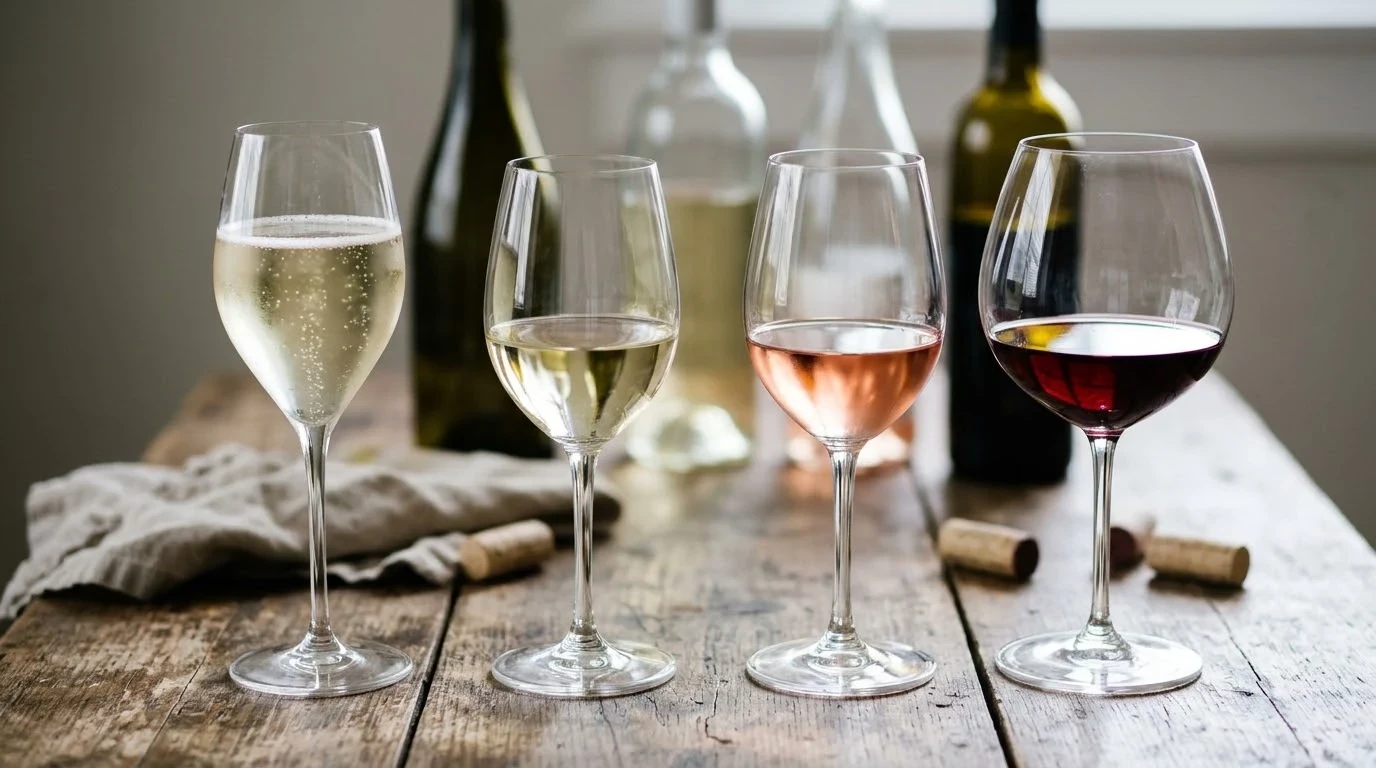
Sutter Home FRE (often searched as sutter home fre wine) is an alcohol-removed wine made from traditionally fermented California wine, with most of the alcohol taken out after fermentation. FRE offers red, white, rosé, and sparkling styles, including Cabernet Sauvignon, Chardonnay, Merlot, Sauvignon Blanc, and Sparkling Brut. The finished wines are typically below 0.5% alcohol by volume (ABV), not necessarily 0.0%, so the exact alcohol statement matters.
Sutter Home FRE is designed for people who want wine’s grape character, familiar varietal names, and food-pairing ritual while choosing a drink with very little alcohol. Understanding how it is made, what the range tastes like, and how to serve it makes it easier to choose a bottle that fits the meal and the occasion.
What Sutter Home FRE Wine Means
Sutter Home FRE is an alcohol-removed wine, not simply grape juice poured into a wine bottle. The wine is first made through fermentation, then processed to take out most of its alcohol; the result retains wine-derived aromas and flavors while finishing at a much lower ABV than conventional wine.
That distinction is useful because “non-alcoholic wine” is a broad category. Some alcohol-free alternatives are assembled from juice, tea, botanicals, or other ingredients without first becoming fermented wine. FRE belongs to the dealcoholized-wine group: the producer says its wines undergo traditional winemaking before alcohol removal. Wine Enthusiast also distinguishes dealcoholized wine from alternatives that imitate wine without starting as a fully fermented wine; its overview of non-alcoholic wine styles explains the difference.
The word “alcohol-removed” should not be read as a guarantee of zero alcohol. FRE describes its wines as typically containing less than 0.5% ABV, which means a small amount can remain after processing. Anyone who needs to avoid alcohol completely should not assume that a product with this description is equivalent to a verified 0.0% beverage.
How the Alcohol-Removal Process Works
FRE makes the base wine first and removes alcohol afterward, using spinning-cone and vacuum-distillation technology. The goal is to separate ethanol while preserving aromatic compounds that help a wine smell and taste like its grape variety.
In the spinning-cone column, the wine moves over rotating cones that spread it into a thin film. FRE says nitrogen gas is introduced to draw off delicate aroma and flavor compounds before the liquid goes through another pass at a higher temperature to remove alcohol. The captured essences are then returned to the dealcoholized wine.
The producer also says it blends unfermented varietal grape juice back into the base to replace volume lost during processing. That step helps explain why alcohol-removed wine can have a fruitier or softer impression than a conventional wine made from the same grape. Alcohol contributes weight and texture, so taking it out changes the balance even when the aromatic components are preserved.
FRE describes the method and its stages on its winemaking-process page. The important point for shoppers is not the machinery’s technical name, but the sequence: fermentation first, alcohol removal second, and aroma restoration and blending before bottling.
Choosing Among FRE Wine Styles
The current FRE collection lists 10 styles, from familiar varietal whites to red blends and sparkling wine. The best starting point is the grape or style you would normally choose, with the expectation that the alcohol-removed version may feel lighter in body and more fruit-forward.
For a crisp white, Sauvignon Blanc is a natural first choice. FRE’s description highlights fresh green-grass notes, tropical fruit, passion fruit, and mango, with bright acidity and a slightly dry finish. It is the sharpest fit for goat cheese, pesto chicken, and grilled fish when you want freshness rather than a rich, creamy texture. Pinot Grigio also suits drinkers who prefer a lighter white, while Chardonnay is rounder, with apple, citrus, and creamy fruit notes.
Chardonnay is the fuller white option in the range. FRE describes its version as golden in color, with tropical aromas, rich apple flavors, crisp citrus, and a tart finish; the producer suggests seafood, pasta, salads, and mild cheeses. Moscato is the fruitier, more aromatic direction, while White Zinfandel and Rosé give shoppers pink-wine alternatives that can work with lighter fare or casual sipping.
For red-wine drinkers, the choices include Cabernet Sauvignon, Merlot, and Red Blend. Cabernet gives a familiar varietal reference, while Merlot is traditionally softer in tannin than Cabernet. FRE’s Red Blend is described as deep ruby, with black-cherry aromas, bright fruit, a subtle smoky note, and a lingering finish. Sparkling Brut is the celebratory option, with green apple and pear aromas, apple and strawberry flavors, fine bubbles, and a dry finish.
These are style descriptions, not a promise that every bottle will taste exactly like its alcoholic counterpart. The removed alcohol changes body and palate weight, and the producer’s grape-juice blending can accentuate fruit. A useful way to narrow the range is to decide whether the meal calls for crisp acidity, round white-wine texture, soft red fruit, or bubbles.
Alcohol Content, Calories, and Serving Size
FRE’s stated alcohol level is typically under 0.5% ABV, but a product’s own label is the right place to confirm the figure for that specific bottle. The number is low compared with ordinary wine, yet it is not the same statement as 0.0% ABV.
The producer publishes nutrition figures for individual products using an 8-ounce serving, which is larger than the standard 5-ounce wine pour. The following figures are useful for comparing three styles within the range; they are product-specific numbers, not estimates for every FRE variety.
| FRE style | Serving listed | Alcohol | Calories | Carbohydrates |
|---|---|---|---|---|
| Chardonnay | 8 oz. | Under 0.5% ABV | 70 | 19 g |
| Red Blend | 8 oz. | Under 0.5% ABV | 70 | 22 g |
| Sparkling Brut | 8 oz. | Under 0.5% ABV | 80 | 21 g |
These figures show why it is important not to assume that every variety has the same calorie or carbohydrate count. The published values differ even among these three wines, and FRE’s pages use an 8-ounce serving rather than the common 5-ounce restaurant pour. For a practical comparison, divide the listed numbers proportionally if you serve a smaller amount, while remembering that an actual pour can vary.
A standard 750-milliliter bottle contains about five 5-ounce glasses. That familiar serving calculation still helps with planning, even though FRE’s nutrition panels may use a larger serving size. The bottle’s ABV statement and nutrition facts answer different questions: one gives residual alcohol, while the other gives calories and carbohydrates.
Tip: Compare the ABV and serving size together. An 8-ounce nutrition panel is not the same as a 5-ounce glass, and “under 0.5%” does not mean “0.0%.”
Pairing FRE With Dinner and Snacks
FRE can be paired by style just like conventional wine, but it helps to account for its lighter body and fruit-forward character. Start with the producer’s suggested matches, then use acidity, sweetness, tannin, and the food’s seasoning to fine-tune the choice.
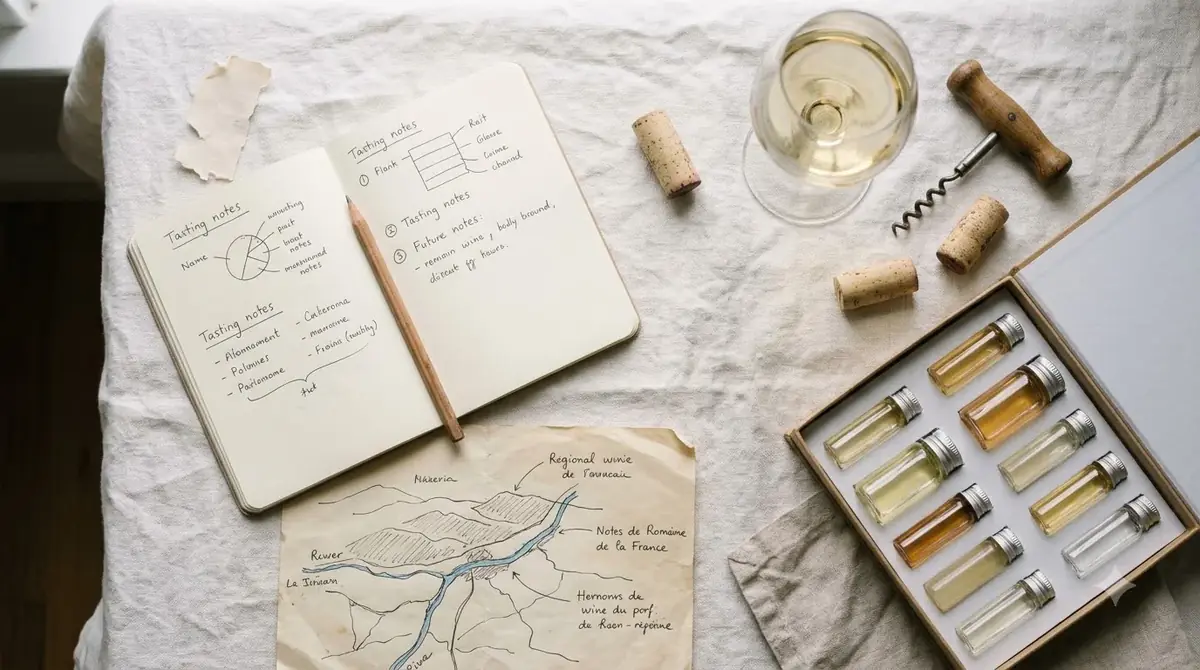
FRE Sauvignon Blanc’s citrus and tropical-fruit profile is a good match for goat cheese, pesto chicken, and grilled fish. Its fresh acidity can stand up to herb sauces and bright dressings, while its lighter texture will not overwhelm a simply prepared dish. Pinot Grigio can fill a similar role with salads, seafood, and vegetables, especially when lemon or fresh herbs are present.
Chardonnay is a better fit for richer textures. Try it with seafood, chicken, pasta with a cream or butter sauce, or mild cheeses; its apple and citrus notes give the pairing a fresh edge. Sparkling Brut is versatile with salty or crisp foods because bubbles and acidity refresh the palate. FRE suggests sushi, fried chicken, creamy seafood pasta, nutty cheeses, potato blinis, and even potato chips for this style.
For red options, the Red Blend is suggested with grilled salmon, roast chicken, mushroom risotto, tomato-based pasta, and glazed ham. Its black-cherry fruit and smoky note can echo browned or grilled flavors. Cabernet and Merlot are natural candidates for tomato dishes, mushrooms, roasted vegetables, and meat-based meals, but remember that alcohol removal can make the finish feel less weighty than in a conventional red.
Sweetness matters with desserts: choose a wine at least as sweet as the dessert, or the wine can taste sharp and thin by comparison. For spicy dishes, a fruity white or rosé is usually an easier fit than a tannic red, since alcohol and tannin can make chili heat feel stronger. Salty foods can also soften the perception of tannin, while oily fish is generally a poor match for strongly tannic reds.
Serving Temperature and Storage
Serve FRE chilled according to its style rather than treating every bottle as a room-temperature red or an ice-cold white. A few degrees can change how sweetness, acidity, bubbles, and fruit come across in the glass.
Use 40–50°F for Sparkling Brut, 45–50°F for lighter whites and rosé, and 50–55°F for the fuller Chardonnay style. A fruity sweet white such as Moscato is best around 43–50°F. For Red Blend, try a light-red range of 55–60°F; this keeps the fruit lively without making the wine seem warm. If a bottle has been stored at room temperature, chill it in advance rather than relying on a few minutes in the freezer.
After opening, refrigerate the bottle and keep the closure snug. FRE’s FAQ recommends enjoying opened wines within 1–2 days, and the Sparkling Brut page gives the same window for maintaining freshness and effervescence. That is a more cautious brand-specific target than the broader 3–5 day guideline often used for still wine. For a sparkling bottle, use a stopper designed for sparkling wine to help retain the bubbles between pours.
For unopened bottles, FRE recommends a cool, dark place and upright storage where possible. Avoid a sunny windowsill, a warm kitchen shelf, or a spot beside an oven, because heat and light can dull freshness. Plan to open the bottle near the time you intend to serve it rather than treating alcohol-removed wine as a cellar-aging project.
How to Choose FRE for Your Occasion
The right FRE bottle depends on what you want the drink to do: replace a familiar wine style at dinner, provide bubbles for a toast, or give guests a non-alcoholic option with the structure and language of wine. Matching the style to the setting is more helpful than expecting one variety to cover every meal.
For a dinner built around grilled fish, herb chicken, or goat cheese, start with Sauvignon Blanc or Pinot Grigio. Choose Chardonnay for creamier pasta, mild cheese, and poultry, and select Sparkling Brut for appetizers, brunch, sushi, or a celebratory pour. If the table has roast chicken, mushrooms, tomato sauce, or glazed ham, the Red Blend is the most directly supported red-wine pairing in FRE’s range.
When buying for guests, offer at least one still option and one sparkling option if you can. A mixed group may include someone who prefers a dry white, someone who gravitates toward a soft red, and someone who wants a celebratory glass with bubbles. Clear labeling also helps guests understand that FRE is alcohol-removed wine and may still contain a small amount of alcohol.
It is also useful to keep the product names distinct. FRE Red Blend is not the same bottling as Sutter Home Sweet Red, and FRE Cabernet Sauvignon is not simply the standard Sutter Home Cabernet with a new label. For conventional bottling details, see the separate pages on Sutter Home Cabernet alcohol content and Sutter Home Sweet Red alcohol content. Readers comparing the broader portfolio can browse the site’s guide to Wine Brands.
As you explore the larger Sutter Home range, keep sweetness and alcohol content separate in your comparison. A sweet-tasting wine is not automatically higher in alcohol, and a dealcoholized wine can still have noticeable fruit sweetness. The separate guide to Sutter Home Sweet Red sugar content is more relevant for that conventional sweet-red bottling than for FRE’s Red Blend.
Frequently Asked Questions
These answers cover practical details such as FRE’s 187-milliliter Chardonnay four-packs, its vegan and gluten-free statement, and its availability in select international markets. They address brand-wide information that may not appear on an individual bottle.
Is FRE vegan and gluten-free?
FRE states in its FAQ that its wines are vegan and gluten-free. That is a brand-wide statement from the producer, rather than a claim inferred from the grape varieties or the alcohol-removal process.
Are smaller FRE bottles available?
FRE lists Chardonnay in both 750-milliliter bottles and 187-milliliter bottles sold in four-packs. The smaller format can be useful when you want several individual servings without opening a full-size bottle.
Can you buy FRE outside the United States?
The brand says FRE is sold through its online shop and selected retail partners, and that it is available in select international locations. Shipping and local availability vary by region, so a retailer or the brand’s store locator is the sensible place to confirm access.
Which California regions are mentioned by FRE?
FRE describes sourcing from California wine areas that include cool, coastal sites in Monterey County and the Mediterranean climate of Napa Valley. Those regional references describe the wider brand sourcing, not a guarantee that every FRE bottle contains fruit from both places.
Does FRE provide drink recipes as well as wine?
Yes. The FRE website has a separate mocktail section with recipes built around its alcohol-removed wines, so the bottles can be used as a base for mixed drinks as well as poured on their own.
Sutter Home FRE is best understood as traditionally fermented wine with most of its alcohol removed, offered in enough styles to suit different meals and occasions. Start with the grape or style you already enjoy, serve it at an appropriate temperature, and use the bottle’s own ABV and nutrition information when those details matter to your choice.
More in Wine Brands
 Is Duckhorn Merlot Good? What to Expect Before You BuyUpdated Nov 21, 2026
 Inglenook Wine Review: Find the Right Napa Valley BottleUpdated Nov 21, 2026
 Is Daou Cabernet Good? Taste, Quality, and Buying TipsUpdated Nov 21, 2026
 Hess Select Wine Review: Find the Right California Wine for Your TableUpdated Nov 21, 2026
 Dows Port Review: Choose the Right Style for Your TableUpdated Nov 21, 2026
 Iron Horse Wine Review: Find the Right Sonoma Wine for Every OccasionUpdated Nov 21, 2026