

We may earn a commission when you buy through links on this page, at no extra cost to you. Learn more.
Malbec alcohol content is usually 13.5% to 15% alcohol by volume (ABV), so most bottles are moderately high in alcohol for a dry red wine. A cooler-climate or earlier-picked Malbec can come in below that range, while ripe fruit from warm vineyards can push a bottling above 14% or even toward 15%. The number on the label is a useful guide to strength, but it does not tell you by itself whether the wine will taste balanced, sweet, or heavy.
Malbec is famous for dark plum, blackberry, and cocoa flavors, especially in Argentina, but the grape does not produce one fixed style. Vineyard elevation, growing-season warmth, harvest decisions, and fermentation all help determine the finished alcohol level. Understanding those influences makes it easier to choose a bottle that suits your palate and the meal on the table.
What Alcohol Level Should You Expect From Malbec?
Most dry Malbec sits around 13.5% to 15% ABV. That is a practical expectation rather than a legal limit: individual wines can fall outside it, and the region and producer matter more than the grape name alone.
ABV means alcohol by volume. A wine marked 14% ABV contains alcohol equivalent to 14% of the liquid’s volume, measured under standard conditions. The figure is not a score for quality, body, ripeness, or sweetness. A 13.5% Malbec can be concentrated and structured, while a 15% bottling can still feel balanced if its fruit, acidity, and tannins are in proportion.
Wine Folly lists Malbec at 13.5% to 15% ABV in its grape profile, a useful baseline for shoppers comparing dry reds. Decanter also notes that Mendoza Malbec commonly exceeds 14% because managing alcohol is a concern in the province’s warm climate. This explains why a 14.5% label is not unusual for Argentine Malbec, even though it may seem high beside a lighter-bodied red.
Think of the range as a starting point, not a guarantee. A 13.5% bottle may taste lively, while one at 14.8% can seem plush and warming. Vintage, elevation, crop exposure, and cellar choices all matter, so the grape name alone cannot predict the wine in the glass.
Where Malbec Grows Changes Its Alcohol Level
Warm, sunny vineyards tend to produce riper grapes with more sugar available for fermentation, while cooler sites can preserve a fresher profile and moderate alcohol. Argentina illustrates the contrast particularly well, with Mendoza, the Uco Valley, Salta, and Patagonia producing distinct expressions.
Mendoza is the center of Argentina’s Malbec story. Wines of Argentina’s national distribution table assigns 84.7% of the country’s Malbec-planted area to Mendoza, with 39,856.4 hectares recorded there. The province includes warm, established zones and higher Andean sites, so the name Mendoza does not point to one alcohol level. Warmer, lower vineyards can produce generous, dark-fruited wines above 14% ABV, while the higher Uco Valley often gives Malbec firmer structure and more natural acidity. Daytime sunshine ripens the fruit, and cooler nights help preserve freshness; Decanter also notes intense red fruit and floral violet in high-altitude Uco Valley wines.
Salta, including the Cafayate area, can produce dark, ripe Malbec in a warm setting, although vineyard elevation and exposure vary. Farther south, the cooler and windier Patagonian regions of Neuquén and Río Negro often show a different balance. Wine Enthusiast describes premium Malbec from those areas at about 14% to 14.5% ABV, compared with 15% or more in some warmer regions. That comparison shows how a change in climate can be reflected in the bottle, without turning the numbers into hard regional rules.
France offers another reference point. In Cahors, southwest France, Malbec is traditionally darker and more firmly structured than the plush Argentine style. It is also grown in Chile and elsewhere, so the specific place on the label matters: a sunny low site, a cool southern valley, and a high Andean vineyard can yield different wines from the same grape.
How Harvest and Winemaking Shape the Final ABV
Alcohol develops during fermentation, when yeast converts grape sugar into ethanol and carbon dioxide. The amount of sugar in the grapes at harvest therefore sets much of the wine’s potential alcohol, while the producer’s fermentation choices determine how much of that potential is realized.
Warm weather and abundant sunshine can speed ripening and raise sugar levels in the berries. Leaving fruit on the vine longer can increase ripeness and potential alcohol, while picking earlier can preserve freshness and limit potential alcohol. The grower still has to judge skin, seed, and flavor maturity. Elevation and exposure matter too: a sunny site in central Mendoza may ripen fruit differently from a cooler Uco Valley parcel. Canopy shade, water availability, crop size, and a late warm spell can all influence the harvest.
In the cellar, yeast strain, fermentation temperature, and fermentation length influence aroma, texture, and how completely sugars ferment. Dry Malbec generally ferments until little fermentable sugar remains; a wine with residual sugar may taste sweeter, but that does not mean it has more alcohol. Fermentation can stop before all sugar becomes alcohol, and blending can adjust the profile without removing alcohol. Oak barrels do not create alcohol either: they can add vanilla, toast, spice, or cocoa and make a wine seem rounder than a stainless-steel version with similar ABV.
How to Read the ABV on a Malbec Label
The percentage printed on the bottle is the quickest way to compare alcohol levels, but small differences should not be treated as a precise ranking of flavor or quality. Use the number to set an expectation, then weigh the region, vintage, and producer information alongside it.
These practical shopping cues are not official classifications. Acidity, tannin, fruit ripeness, and residual sugar can make two wines with similar ABV feel quite different.
| Label ABV | What it may suggest | What to look for |
|---|---|---|
| 12.5%–13.4% | Relatively lighter alcohol for Malbec | Fresh acidity, red-fruit character, or a cooler-site style |
| 13.5%–14.0% | Within the variety’s common range | Balanced fruit, structure, and a moderate warming finish |
| 14.1%–15.0% | Ripe, fuller-feeling style is possible | Dark fruit, body, and enough acidity to keep the wine lively |
| Above 15.0% | High alcohol for a dry table wine | Expect a warmer finish; look for freshness and structure too |
Tip: Use ABV as a first filter, then compare the region and producer. A lower percentage alone does not guarantee fresher flavor or better balance.
A difference of 0.2 percentage points is usually less meaningful than a change in region or style. A 14.2% wine from a cooler site may feel more energetic than a 13.8% bottle from a very ripe harvest. The percentage measures alcohol, not acidity or tannin. For example, Decanter’s Malbec overview discusses Mendoza’s warm-climate alcohol levels and the role of natural acidity.
Also distinguish dry table wine from fortified wine. Marsala and tawny Port are different production categories, so compare them through the guides to marsala alcohol content and tawny port alcohol content, not as direct ABV benchmarks for Malbec. Sweet dessert wine has its own balance of sugar and acidity; the ice wine alcohol content guide covers another distinct style. For a broader overview of grapes and categories, visit Wine by Type. Wine Enthusiast’s regional comparison of Malbec is also useful for seeing how country and subregion can alter a wine’s profile.
How Alcohol Affects Malbec’s Taste and Texture
Alcohol contributes warmth, body, and a sense of weight, but it is only one part of the wine’s texture. In a balanced Malbec, ripe dark fruit, acidity, and tannin can support the alcohol so that the wine feels generous rather than hot.
A higher-ABV Malbec may give a fuller impression, with a warming sensation near the back of the throat and a long, ripe finish. It can also seem rounder because alcohol adds weight to the palate. That does not mean every high-alcohol wine tastes heavy: fresh acidity can make the wine feel more energetic, and firm tannins can provide shape. Decanter points out that Malbec’s natural acidity can help retain balance in Mendoza’s warm conditions when the wine is handled well.
Fruit ripeness affects how people interpret alcohol. Black plum, blackberry, and black cherry are common Malbec flavors, and very ripe fruit can suggest sweetness even in a dry wine. Vanilla, cocoa, and toast may come from oak rather than sugar, so a fruit-rich aroma does not prove that residual sugar remains. Acidity and tannin provide counterweights: acidity brings lift, while tannin gives a drying grip along the gums and cheeks. Malbec often has medium tannin, but vineyard conditions and extraction can change that impression.
Alcohol can also exaggerate the sensation of heat in food pairings. Chili heat feels more intense alongside alcoholic and tannic wines, so a very spicy dish can make a warm Malbec seem hotter. On the other hand, salt and fat soften the impression of tannin, which is one reason rich grilled meats and blue cheese can work so well. Judge the complete combination rather than assuming that a higher number will always taste stronger in every context.
Serving Temperature and Food Pairings for Malbec
Serve most full-bodied Malbec at 60°F to 65°F, cool enough to keep alcohol from dominating but not so cold that the fruit and texture close down. Food with savory richness can balance the wine’s tannin and ripe fruit, making the alcohol feel less prominent.
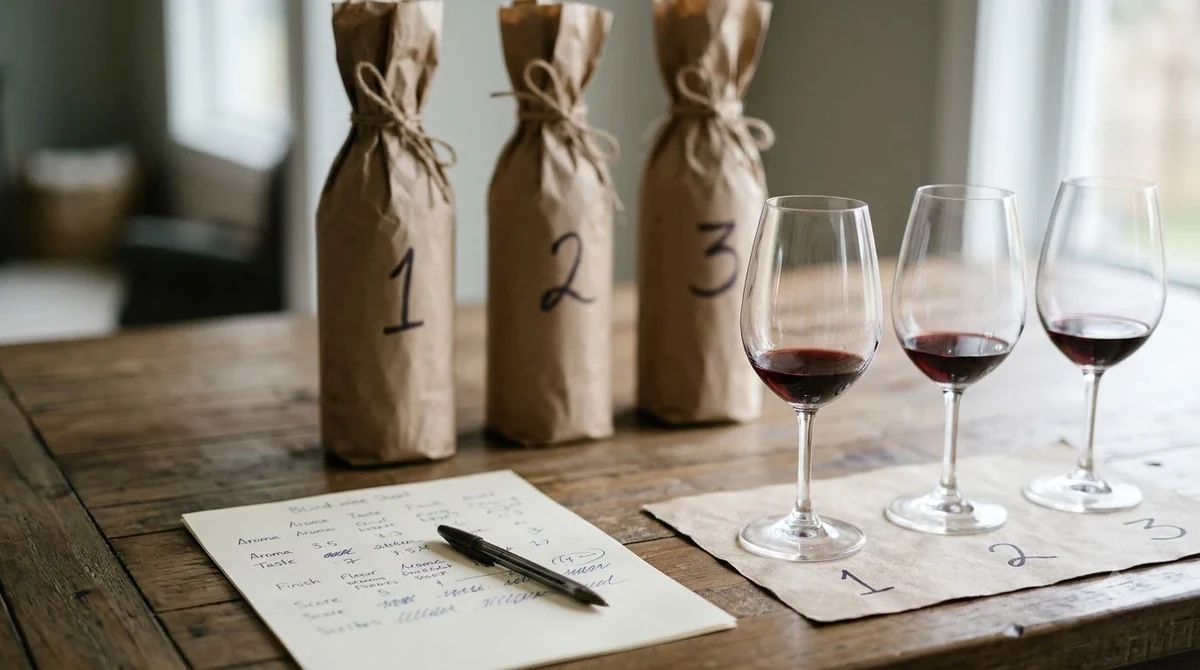
Give a young, full-bodied bottle 30 to 60 minutes in a decanter when it seems tight or especially concentrated. Decanting lets the wine meet oxygen and can help its aromas open, though it does not lower the ABV. An older or more delicate bottle may need less air, so begin with a small pour and see whether the wine is already expressive. A broad-bowled red-wine glass gives the aromas room to collect and makes it easier to notice fruit, floral notes, and oak separately.
Grilled steak is a classic partner because the wine’s fruit and tannin stand up to char and savory flavor. Lamb, beef empanadas, braised short ribs, grilled mushrooms, and a burger with salty blue cheese are good options; salt and fat soften tannin. For lighter dishes, choose a fresher Malbec with roast chicken and mushrooms, lentil stew, or grilled vegetables. Delicate white fish is usually a poor match for a tannic red, and oily fish can clash with firm tannins.
Be cautious with hot chili sauces because alcohol can intensify the burning sensation and tannin may make the combination feel harsher. Pair spicy food with a Malbec of moderate alcohol and softer tannins, or reduce the heat in the dish. A tomato-rich sauce works best when the wine has enough acidity to meet its tang. For a standard pour, use about 5 ounces; a 750-milliliter bottle provides roughly five glasses. Refrigerate an opened bottle and aim to finish it within 3 to 5 days. Store unopened bottles on their sides in a cool, dark place near 55°F, away from sunlight and temperature swings.
Frequently Asked Questions
These answers cover a few useful details beyond the ABV figure, including color, aging potential, blending, growing regions, and the annual celebration of the grape.
Why is young Malbec often such a deep purple color?
Malbec has thick grape skins that contain high levels of anthocyanins, the pigments responsible for red and purple wine color. Wine Folly notes that sunshine helps the skins ripen, and young examples can show an opaque purple center with a bright magenta rim. Color intensity is not a reliable measure of alcohol by itself.
Can a well-made Malbec age for several years?
Yes, although ageability depends on concentration, acidity, tannin, vintage, and the producer’s choices. Wine Folly gives a broad cellar window of 5 to 10 years for Malbec, while structured Cahors wines can need longer for their tannins to soften. An everyday, fruit-forward bottle is generally a better choice for drinking young.
Is Malbec used in blends with other red grapes?
Yes. Malbec can be blended with Cabernet Sauvignon, Merlot, or Cabernet Franc, depending on the region and the producer’s aims. Decanter identifies Cabernet Franc as a frequent partner in some Argentine Malbec blends, where it can contribute aromatic lift and additional structure.
Is Malbec grown in the United States?
Yes. Wine Folly points to Walla Walla, on the Washington–Oregon border, as a place to look beyond Argentina and Cahors. American bottlings can differ by site and producer, so the same ABV range does not guarantee the same flavor profile.
When is World Malbec Day?
World Malbec Day is celebrated on April 17. The date is associated with the grape’s rise in Argentina and is often used by wineries and wine organizations for tastings and educational events. It is a useful occasion to compare Malbec from different regions side by side.
For most shoppers, 13.5% to 15% ABV is a reliable expectation for Malbec, with cooler sites and warmer vineyards offering different expressions around that range. Read the percentage alongside the region and style, then serve the wine slightly cool and pair it with food that suits its fruit and tannin.
More in Wine Types & Grapes
 Zinfandel Sugar Content: Dry Red vs. White Zinfandel GramsUpdated Nov 21, 2026
 Best Zinfandel Substitute Options for Sipping and CookingUpdated Nov 21, 2026
 Zweigelt Food Pairing: Best Dishes, Cheeses, and Serving TipsUpdated Nov 21, 2026
 Zinfandel Tannins Explained: How Structure Shapes Every BottleUpdated Nov 21, 2026
 Zinfandel Sweetness Level: Dry Red vs. Sweet White Zin ExplainedUpdated Nov 21, 2026
 Xinomavro Food Pairing: Best Dishes, Styles, and Serving TipsUpdated Nov 21, 2026