

We may earn a commission when you buy through links on this page, at no extra cost to you. Learn more.
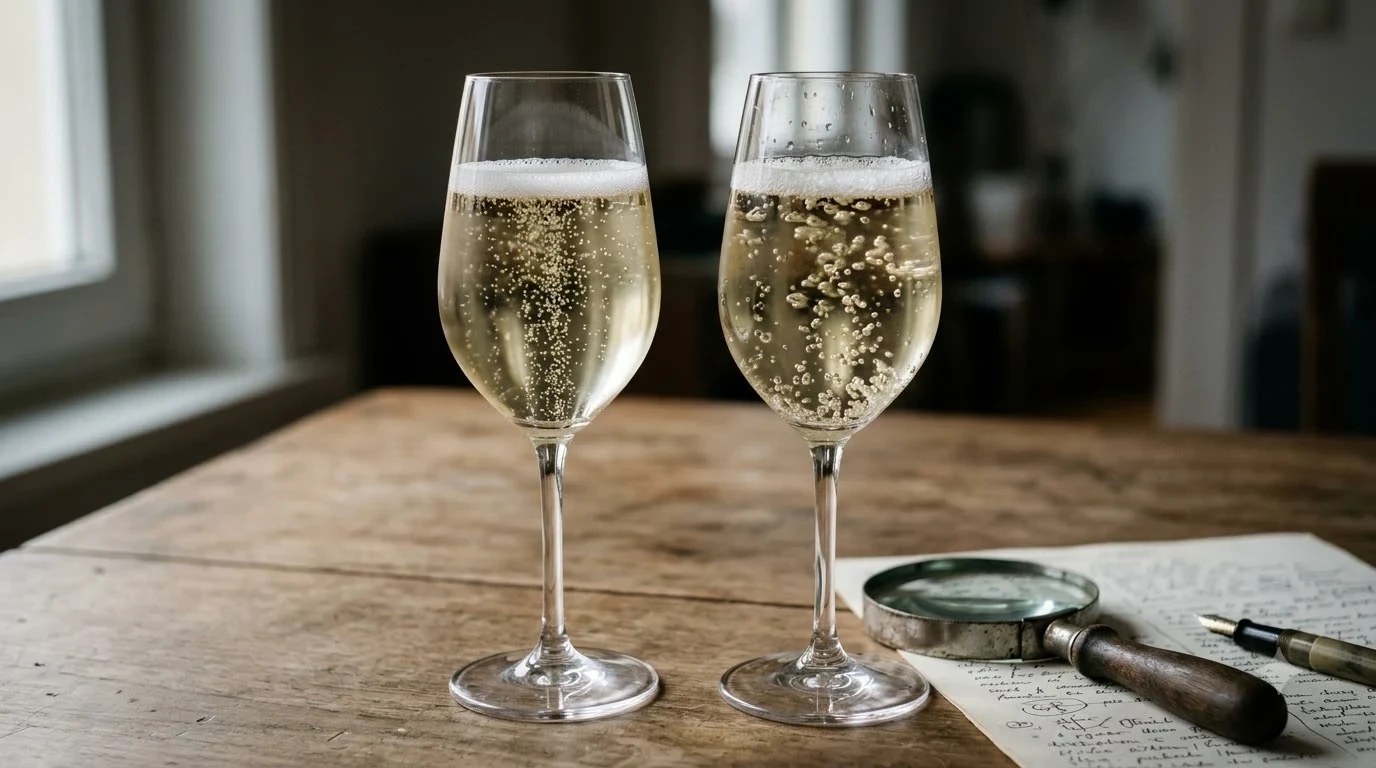
What is apple wine? It is a fruit wine made by fermenting apple juice with wine yeast, and it usually reaches 10 to 14 percent alcohol by volume. That is well above the 4 to 8 percent typical of hard cider. Apple wine is usually still rather than sparkling, and it is usually fermented fully dry, which gives it a rounder, heavier feel than cider.
Apple wine often gets lumped in with hard cider, and the confusion is understandable. Both start as apple juice, both are fermented, and both are sold in the same aisles of many shops. The differences in strength, production, and serving style are large enough, though, that the two drinks deserve separate attention. This guide explains what the term means under US rules, how the wine is made, how it compares with cider, and how to serve and pair it at the table.
Apple Wine Defined: Fermented Apple Juice With Wine Yeast
Apple wine is wine made from apples rather than grapes, and its basic recipe is simple: apple juice, yeast, and time. US federal rules define it with more precision than most people expect, and that definition shapes how a bottle can legally be named.
The Alcohol and Tobacco Tax and Trade Bureau, known as TTB, sets the official standard. Its Cider FAQs explain that apple wine or cider is a fruit wine produced by the normal alcoholic fermentation of the juice of sound, ripe apples. The same guidance says cider must come wholly from apples, apart from sugar, water, or added alcohol. A product that adds pear or berry juice therefore cannot simply be called apple wine or cider.
Blends follow their own naming rules. A wine made from both apple and pear juice must carry a statement of composition, such as “apple-pear wine,” “apple perry,” or “pear cider.” A wine made only from pears has to be called pear wine or perry instead. These details can look like paperwork, but they tell you what is actually in the bottle, which is the reason the rules exist.
Apple wine also sits within the wider family of fruit wines, which includes pear, berry, and other fruit styles. For a broader look at how these drinks fit beside grape wines, our Wine by Type overview gives useful context. Keeping that bigger picture in mind helps when you compare a bottle of apple wine with a glass of Pinot Noir or Riesling.
How Apple Wine Is Made, From Juice to Bottle
Winemakers start with sound apple juice, add sugar when they need more alcohol, ferment with wine yeast, and then clear and age the wine. The whole process runs for months rather than weeks.

Apple wine and cider begin with the same two ingredients, apple juice and yeast. The yeast consumes the natural sugar in the juice and converts it into alcohol and carbon dioxide, and that shared step is what makes both drinks fermented. According to Cork It, a winemaking shop in North Vancouver, everything that separates the two drinks happens after that point: how much sugar is added, which yeast is chosen, how long the ferment runs, and how the wine is finished.
Sugar is the lever that matters most. Fresh apple juice contains only so much natural sugar, and that limits how much alcohol the yeast can produce. Apple wine producers therefore add sugar or honey before fermentation, giving the yeast more fuel. Cork It puts the typical result at 10 to 14 percent alcohol by volume. Wine yeast is chosen because it tolerates that higher alcohol, and the ferment is usually run to full dryness, so the finished wine carries little or no leftover sugar.
Clearing and aging
After fermentation, the young wine is racked, meaning it is drawn off the sediment that settles at the bottom of the vessel. It then rests so the remaining particles drop out and the wine clears. Cork It describes the full timeline as several months of fermenting, clearing, and aging, compared with a few weeks to a couple of months for cider. That patience is what separates a well-made apple wine from a quick, rough batch.
Aging also changes the texture. Over several months the sharp edges soften and the body becomes smoother, which is why apple wine often tastes rounder than a freshly bottled cider. Careful producers bottle only after the wine is fully clear, because sediment left in the bottle spoils both the appearance and the drinking experience. Home makers who follow the same logic and allow each stage enough time usually end up with a more balanced glass.
Apple Wine Versus Hard Cider: The Practical Differences
Hard cider and apple wine share an ingredient list, but they land in different places in the glass. Cider tends to be lighter and fizzier, while apple wine is stronger, usually still, and built for sipping.
The most noticeable difference is alcohol. Cork It puts hard cider at roughly 4 to 8 percent ABV, close to beer, while apple wine typically reaches 10 to 14 percent, which is white-wine territory. That gap changes mouthfeel as well as strength. Apple wine feels rounder and weightier, while cider comes across as crisp and refreshing and is often finished slightly sweet. For the flavor side of the comparison, see what does apple wine taste like.
| Feature | Hard Cider | Apple Wine |
|---|---|---|
| Typical alcohol by volume | 4 to 8 percent | 10 to 14 percent |
| Added sugar | Little or none | Added to raise strength |
| Usual carbonation | Sparkling | Still |
| Typical yeast | Cider, ale, or champagne yeast | Wine yeast |
| Time before drinking | A few weeks to a couple of months | Several months, with aging potential |
| Serving temperature | 40 to 50 degrees Fahrenheit | 45 to 50 degrees Fahrenheit |
| Typical glass | Pint glass | Wine glass |
Bubbles, yeast, and everyday use
Cider is usually sparkling, and its fizz is part of its appeal. Apple wine is usually still, although a sparkling version is possible. The two drinks also suit different occasions. Cider works well for a casual afternoon, while apple wine belongs at the dinner table, where its higher alcohol and dryness can carry through a full meal.
Naming is where most of the confusion starts. Under TTB rules, the labels “apple wine” and “cider” can both describe a still apple wine that meets the federal standard, so a bottle may use either name. The alcohol percentage on the label is a more reliable guide to what is inside than the word printed on the front.
Choosing Apples for a Fuller Apple Wine
The variety of apple shapes the finished wine more than many people expect. Common eating apples rarely produce the most balanced results, so winemakers look for fruit with more acidity and tannin.
In a Wine Enthusiast feature on cider, the writer makes the comparison directly. Much like grape wine, variety selection matters, and common eating apples such as Fuji, Gala, and Pink Lady are not the best choice for the most complex or balanced result. The article argues that high-tannin and high-acid fruit is key to quality, and that many of the best cider apples are obscure, very firm, and grown mainly for drinks.
Blending is the usual approach for better bottles. A single variety can work, but many strong results combine several apples, each contributing juice, acidity, tannin, or structure. The idea mirrors Bordeaux, where Merlot brings roundness and Cabernet adds structure and grip. A home maker can borrow the same principle by mixing a sweet, aromatic apple with a sharp or bittersweet one.
Acidity deserves special attention. Apples are generally lower in acid than grapes, so a fruity apple wine can taste flat unless the balance is considered. Winemakers can correct this by blending in tart fruit or by adding acid before fermentation. Because acidity controls how well a wine handles rich food, getting this balance right also shapes the pairing advice later in this guide.
How US Rules Define and Label Apple Wine
Alcohol content decides which federal labeling rules apply to an apple wine. At 7 percent alcohol by volume, full wine labeling standards take over, and below that point FDA food labeling rules apply instead.
The TTB draws the first line at 7 percent. Wine between 7 and 24 percent falls under the full labeling regulations for wine. Those labels need a brand name, a class or type designation, the name and address of the bottler or importer, net contents, and an alcohol statement. A wine below 7 percent does not need a Certificate of Label Approval, but it must still meet FDA food labeling requirements, including ingredient, nutrition, and allergen information.
Naming follows the bubbles. A wine made fizzy by carbon dioxide from a second fermentation inside a closed bottle, tank, or container counts as sparkling, and it must be labeled “sparkling cider” or “sparkling apple wine.” Carbon dioxide injected into the wine is classed as carbonated and must be labeled that way, such as “carbonated cider.” Neither sparkling nor carbonated cider qualifies for the lower hard cider tax rate, which applies only to still wine.
Flavors and blends change the designation as well. Adding honey or spices usually requires formula approval from TTB, and the product can no longer be called plain cider. The agency may suggest a statement such as “apple cider with honey and spices.” Adding a fruit flavor other than apple also removes eligibility for the hard cider tax rate. Finally, containers of wine at 7 percent or more must follow the standard of fill, which means a 12-ounce bottle has to state 355 mL on its label.
Tip: Scan the front and back labels for the words sparkling, carbonated, or a flavor name, then look at the alcohol percentage. Those few details reveal more about what is in the bottle than the artwork does.
Serving and Storing Apple Wine at Home
Apple wine is best served slightly chilled, around 45 to 50 degrees Fahrenheit, in a standard wine glass. Unopened bottles keep best in a cool, steady spot away from light.
Because apple wine is usually still and light to medium in body, serve it the way you would a light white or a rosé. A range of 45 to 50 degrees Fahrenheit keeps the aromas present without making the wine taste thin or sharp. If a bottle has been sitting at room temperature, a stay in the refrigerator will usually bring it into range before you pour.
Storage follows the same logic. Keep unopened bottles on their sides near 55 degrees Fahrenheit, away from direct light and temperature swings. Lying the bottle down keeps the cork in contact with the wine, which helps prevent it from drying out. A bottle stored upright in a warm kitchen cabinet will age unevenly and lose freshness sooner.
Glassware helps too. A glass with a moderate bowl concentrates aroma without trapping too much heat from the hand. Pour about 5 ounces at a time and return the rest of the bottle to the refrigerator between glasses, so the wine warms slowly and stays crisp through the evening.
Tip: Chill the bottle in the refrigerator for about two hours before serving. A freezer can chill the wine unevenly and put pressure on the cork, so it is better to plan ahead.
Pairing Apple Wine With Food
Apple wine pairs best with food that matches its acidity and fruit, such as roast pork, chicken with apples, and soft cheeses. The main rules are sweetness, acidity, and the balance between salt and fat.
Two rules drive most successful pairings. A wine should be at least as sweet as the dessert it accompanies, and an acidic dish needs a wine with equal or higher acidity. Apple wine’s natural tartness suits roast pork shoulder, roast chicken finished with cider vinegar, and grilled sausages served with mustard. For a deeper walk through dish-by-dish matches, see our guide to apple wine food pairing.
Fat and salt soften tannin, which matters because apple wine usually carries less tannin than a Cabernet Sauvignon. Creamy cheeses such as Brie or Camembert, and salty foods like ham, suit it well. Be more careful with chili heat, since both alcohol and tannin amplify spice, and avoid pairing oily fish with a tannic bottle.
For dessert, choose an apple dish with restraint. A dry apple wine is a better partner for a plain apple tart than for a heavy, sugar-topped crumble, because the wine will taste thin next to a sweeter dessert. If you want a sweet match, choose a sweeter bottle and make sure it is at least as sweet as the dish.
Frequently Asked Questions
Do I need a permit to sell apple wine?
Yes, if you sell it commercially. TTB requires anyone producing wine of at least 0.5 percent alcohol for commercial purposes to establish winery premises, obtain a bond, and receive permission to operate. Making wine at 7 percent or more also requires a federal basic permit, although producers who make only wine below 7 percent do not need one.
Does apple wine have to say it contains sulfites on the label?
Where sulfites are present, the label must carry a sulfite statement, typically written as “Contains Sulfites,” for wines at 7 percent or more. The federal health warning statement is a separate requirement that applies to any product containing 0.5 percent or more alcohol by volume. Both appear on the label alongside the alcohol content and net contents.
How long does an opened bottle of apple wine last?
Still apple wine usually keeps for three to five days after opening when it is refrigerated. Reseal the bottle tightly and return it to the fridge between pours. Sparkling versions fade faster, typically within one to three days.
How many glasses are in a standard bottle?
A standard 750 ml bottle holds about five 5-ounce pours, so it covers roughly five servings at a dinner. Use that number when buying for a group. It makes planning simpler, especially if guests are pacing themselves across a long meal.
Can I cook with apple wine?
Yes. Its acidity and fruit make it a sensible choice for deglazing a pan after searing pork chops or chicken. Reduce it with stock and a spoonful of mustard for a quick sauce. Choose a dry bottle, because a sweet one can turn sticky and cloying as it reduces.
Apple wine sits between hard cider and grape wine, with more body than the first and a fruit-driven character that sets it apart from the second. Read the alcohol percentage on the label, serve the wine cool, and pair it with food that matches its tartness and sweetness. With those basics in hand, the bottle becomes much easier to choose.
More in Wine Types & Grapes
 Zinfandel Sugar Content: Dry Red vs. White Zinfandel GramsUpdated Nov 21, 2026
 Best Zinfandel Substitute Options for Sipping and CookingUpdated Nov 21, 2026
 Zweigelt Food Pairing: Best Dishes, Cheeses, and Serving TipsUpdated Nov 21, 2026
 Zinfandel Tannins Explained: How Structure Shapes Every BottleUpdated Nov 21, 2026
 Zinfandel Sweetness Level: Dry Red vs. Sweet White Zin ExplainedUpdated Nov 21, 2026
 Xinomavro Food Pairing: Best Dishes, Styles, and Serving TipsUpdated Nov 21, 2026