

We may earn a commission when you buy through links on this page, at no extra cost to you. Learn more.
kadarka wine is a light- to medium-bodied red from Central Europe, best known for bright acidity, restrained tannins, red-berry fruit, and savory spice. The grape has deep roots in Hungary, especially Szekszárd and the Great Plain, though its ancestry reaches into the Balkans. Expect a lively, often pale ruby wine rather than a dense, heavily extracted red, with styles ranging from fresh single-varietal bottlings to rosé and the Hungarian Bikavér blend.
Kadarka suits drinkers who like fragrant, food-friendly reds but want less tannin than Cabernet Sauvignon or Syrah. Its cherry-like fruit, peppery detail, and fresh acidity give it a clear place at the table.
What Is Kadarka Wine?
Kadarka is a red wine made from a thin-skinned grape variety associated most strongly with Hungary and the wider Balkan-Pannonian region. Its wines are typically light to medium in body, bright in acidity, and modest in tannin, with red berries, gentle spice, and floral notes at the center of the profile.
The grape is not defined by deep color or forceful structure. Hungarian Wine describes Kadarka as pale and elegant, while the Hungarian Wine grape profile rates its acidity at 4 out of 5 and its body at 2 out of 5. A glass may show cherry, raspberry, rose-like florals, paprika, or baking spice rather than the blackcurrant, oak, and firm grip associated with fuller reds. The official Hungarian Kadarka profile also highlights its fresh acidity and low tannins.
Think of Kadarka as a grape whose appeal comes from lift and aroma. It can remind drinkers of Pinot Noir in its lighter color and softer tannins, but the comparison is only a starting point: Kadarka has its own Balkan spice character and a strong connection to Hungarian food culture. Its acidity is considerably more noticeable than its tannin, which is why the wine can remain bright alongside savory dishes without needing the rich fat that often helps soften a highly structured red. Individual wines vary with site, harvest conditions, skin contact, fermentation vessel, and the producer’s choice to bottle the grape alone or blend it; the kadarka grape profile offers more detail on the variety itself.
The grape name may appear on a single-variety bottling, but Kadarka is also used in regional blends and rosé. A pale, juicy red and a deeper, oak-influenced blend can both include Kadarka while offering different weight and texture.
Balkan Roots and Hungarian History
Kadarka’s precise birthplace remains uncertain, but specialist sources place its roots in the Balkans and trace its arrival in Hungary to Serbian migration. It became embedded in Hungarian red-wine traditions, particularly around Eger and Szekszárd, before disease and changing vineyard choices reduced its dominance.
Hungarian Wineculture explains that Kadarka was probably brought to Hungary by Serbs fleeing the Ottoman advance and associates the variety with Shkodra, in present-day Albania. The same source notes several historic names, including Törökszőlő and Fekete Budai, as well as Skadarka in Serbia and Gamza in Bulgaria. These names reflect a grape that moved across borders long before modern wine regions and appellation rules gave varieties more fixed identities.
The European Union’s published Eger product specification records Kadarka’s introduction to Eger in the 15th century by Serbs fleeing Turkish occupation. It also credits those settlers with bringing red-wine production methods to an area that had chiefly grown white grapes. That link matters because Kadarka was not simply another variety added to local vineyards; it helped establish a red-wine tradition in a place later associated with Egri Bikavér, or Bull’s Blood.
Kadarka became a major presence in Hungary. A Hungarian Wineculture article describes it as occupying almost 70 percent of Hungarian vineyards before the phylloxera epidemic. The pest devastated vineyards across Europe, and Kadarka’s sensitive nature made recovery difficult. Sturdier varieties, especially Kékfrankos, later replaced much of its acreage, though growers continued to maintain selected plantings. That long retreat helps explain why Kadarka is now treated as a heritage variety rather than one of Hungary’s dominant red grapes.
Where Kadarka Grows Today
Hungary remains the grape’s best-known home, with Szekszárd and Kunság playing different roles in its modern cultivation. Kadarka is also grown in Bulgaria, North Macedonia, Albania, and Romania, where related names and regional traditions show how widely the variety has traveled.
Kadarka is grown across Hungary, with important plantings on the Great Hungarian Plain in Kunság, Csongrád, and Hajós–Baja. Szekszárd and Eger are especially important to the grape’s identity because both regions make Bikavér, the Hungarian red blend in which Kadarka is often one component. Hungarian Wineculture identifies Szekszárd as the district where Kadarka has the strongest local profile, while other growing areas contribute fresh, fruit-led examples. Published estimates of total plantings differ between specialist sources, so regional identity is a more dependable guide than a single acreage figure.
Szekszárd is particularly associated with single-varietal Kadarka and the regional Bikavér blend. A local wine-region account points to loamy soils and varied hillside microclimates as influences, while stressing that the grape is sensitive and difficult to cultivate. Different slopes can therefore produce wines with noticeably different perfume, fruit concentration, and spice. The Szekszárd regional profile explains how local growers work with the variety.
Beyond Hungary, the Bulgarian name Gamza is especially important. The Institute of Vine and Wine in Pleven describes Gamza as an old local variety grown historically across Northern Bulgaria and lists Kadarka among its synonyms. It also records the grape in Romania, Serbia, and Hungary. The regional names reflect its shared history across Central and Southeastern Europe.
Flavor, Acidity, and Tannin
Kadarka’s typical profile is fragrant, fresh, and gently spicy rather than dark, heavy, or aggressively tannic. Red cherry and other red berries lead, with paprika, fresh spice, herbs, and delicate floral notes adding detail around the fruit.
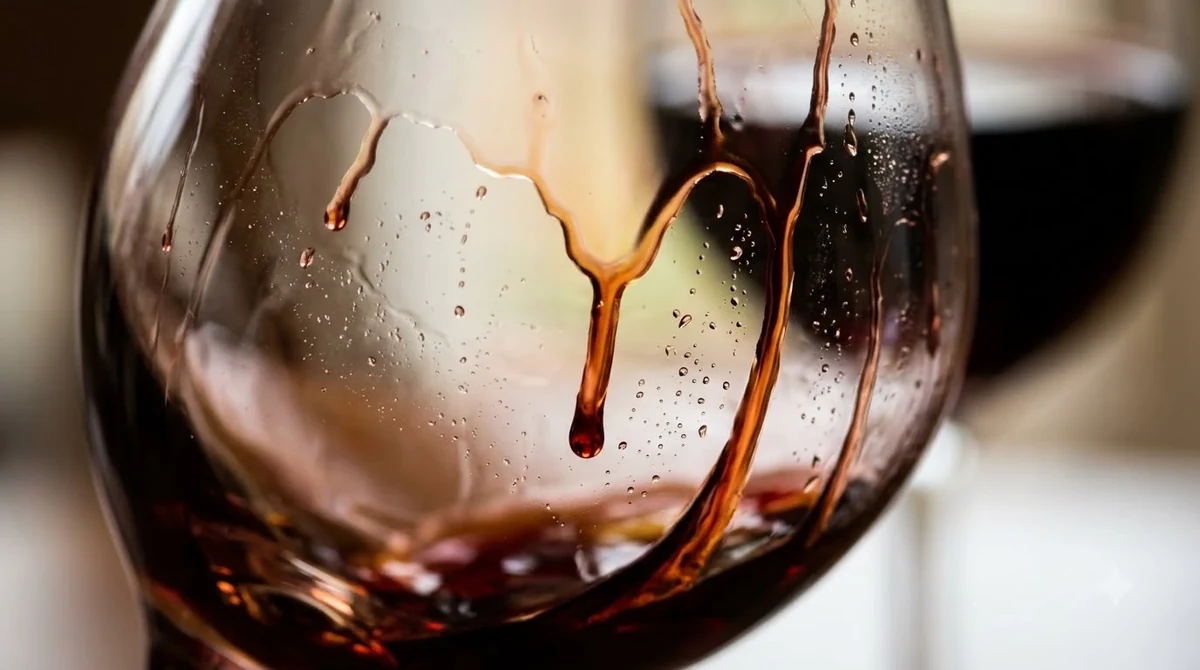
Color is often medium ruby to ruby-purple, but the grape’s thin skins and relatively modest color extraction can produce a paler appearance than many familiar red varieties. The Hungarian Wineculture description highlights cherry, fresh spices, paprika, gingerbread, herbs, and delicate flowers. In the glass, those aromas can come across as bright and lifted: think sour cherry, crushed red berry, a little dried herb, and a soft peppery edge rather than dense jam or pronounced vanilla.
Acidity is one of Kadarka’s defining structural features. It gives the wine energy, keeps the fruit from seeming heavy, and makes the finish feel brisk. Tannin is usually restrained, so the texture tends to be gentle and easy to drink. A producer can make a more structured example through vineyard selection, lower yields, extraction, or oak, but the variety’s customary identity is still more about freshness than muscular grip.
There is variation within the category. An early-drinking bottling may be pale and juicy, while a carefully selected vineyard wine can have more depth and layered spice. Ripe fruit and longer skin contact can add color and body; a fresher harvest and gentler extraction can keep the style lighter. Neither approach is automatically better: the right choice depends on the meal and the texture you prefer.
Winemaking Styles and Kadarka Blends
Producers make Kadarka as fresh red wine, rosé, and siller, a Hungarian style that sits between rosé and red. Fermentation in stainless steel emphasizes clean fruit, while used oak can add a little spice and texture without making the grape taste like a heavily oaked international red.
In Szekszárd, a short skin-contact period can produce rosé, while a few additional hours of maceration can create siller, a style deeper than rosé but lighter than conventional red. Siller is pronounced roughly “shill-er” and suits drinkers who want more color and grip than rosé without the weight of a full red.
For still reds, stainless-steel fermentation preserves fresh fruit and a clean profile. Used oak can add seasoning and roundness while keeping the variety’s perfume visible; some producers also experiment with barrique barrels. The choice of vessel is important because Kadarka’s scent can be subtle, and oak aromas should support rather than bury cherry, floral, and peppery notes. Kadarka contributes to Bikavér, Hungary’s best-known red blend from Eger and Szekszárd. Decanter notes that its thin skin, disease susceptibility, and late ripening have led many growers to replace it with Kékfrankos, although carefully managed plantings remain in Szekszárd. In the blend, Kadarka adds fragrance, freshness, and spice alongside varieties that supply more color, tannin, or body.
Single-varietal bottles are the clearest way to understand Kadarka’s own voice, while Bikavér offers a more structured regional blend whose balance depends on the producer and rules. For a broader introduction to red, white, rosé, and sparkling categories, the site’s Wine by Type overview can help place both styles in context.
Food Pairings and Serving Temperature
Kadarka is especially good with paprika-seasoned food, poultry, mushrooms, fish soup, and tomato-based dishes. Its bright acidity and restrained tannin make it flexible at the table, while its lighter body is best matched with foods that do not overwhelm its delicate fruit and spice.
Traditional Hungarian pairings include chicken paprikash, spicy fish soup, and lecsó, a tomato-and-pepper ragout. Try Kadarka with roast chicken, duck, grilled mushrooms, roasted peppers, vegetable stews, tomato lasagna, or pork tenderloin with herbs. Its acidity keeps pace with tomato and pepper sauces, while modest tannin suits lean poultry. Very rich red meat and assertive sauces can overwhelm the grape; oily fish is usually safer with a crisp white, although a light Kadarka can work with paprika-rich fish soup.
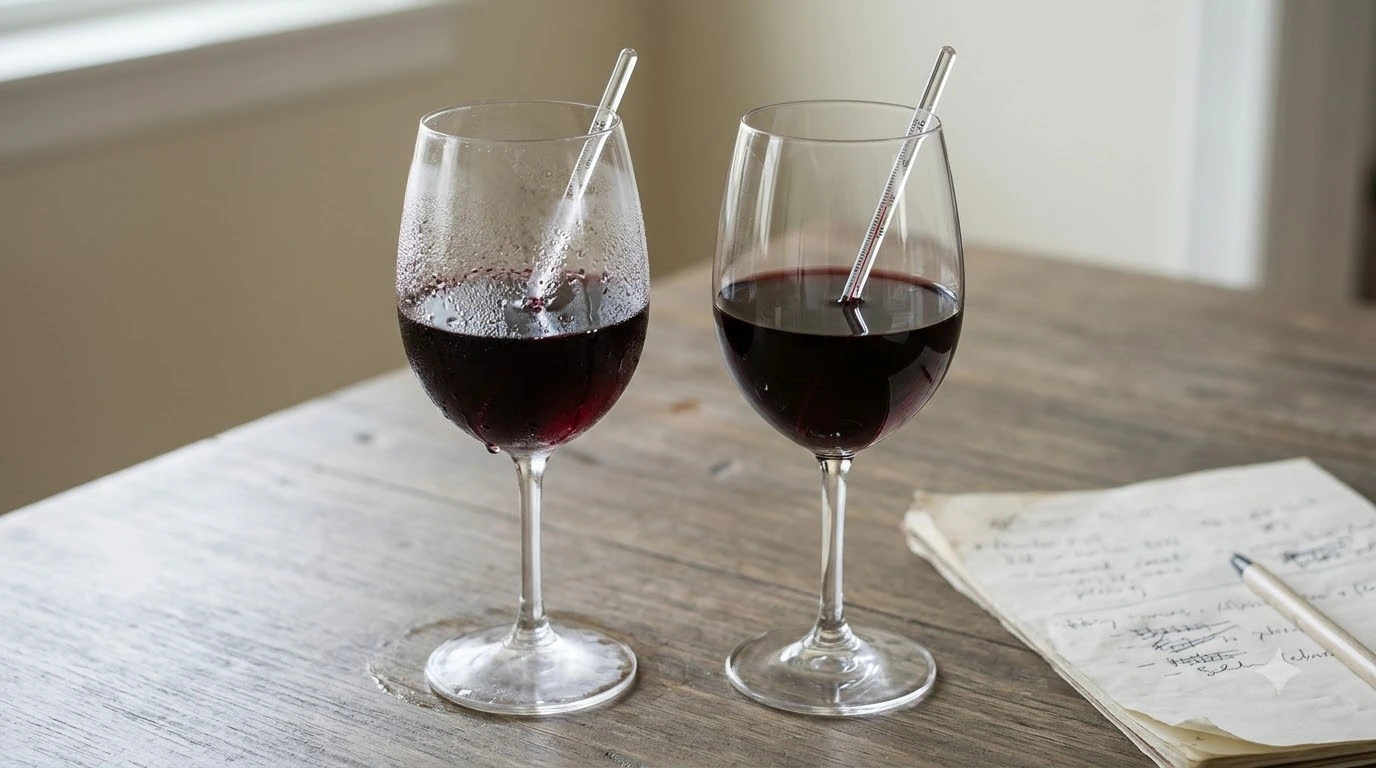
Serve a fresh red Kadarka slightly cool, around 55–60°F. Hungarian Wineculture gives a range of 14–16°C, or approximately 57–61°F; a Kadarka rosé can be served cooler, around 45–50°F. Fuller, oak-influenced bottles may show better a little warmer than a very light, fruit-forward example, so use these temperatures as starting points rather than rigid rules. A standard 5-ounce pour gives enough space in the glass to follow how the aroma changes as the wine warms, and a 750-milliliter bottle yields about five such pours.
| Wine or serving detail | Useful target | Why it helps |
|---|---|---|
| Fresh red Kadarka | 55–60°F | Keeps red fruit and acidity lively |
| Kadarka rosé | 45–50°F | Preserves a crisp, refreshing feel |
| Standard wine pour | 5 oz | A measured serving for tasting with food |
| 750 ml bottle | About 5 glasses | Based on five pours of roughly 5 oz |
Most young Kadarka does not need a long decant. Open it shortly before serving and give it a little air only if the aromas seem closed. After opening, keep the bottle in the refrigerator with a stopper; for unopened bottles, choose a cool, dark place with a steady temperature away from sunlight and kitchen heat. The grape’s delicate aromas fade with heat and oxygen, and the Hungarian wine profile warns that the wine oxidizes relatively quickly.
Tip: Chill a room-temperature bottle in the refrigerator for about 20 minutes before serving. Pour a small taste first; if the fruit seems muted, let the glass warm for a few minutes rather than serving the whole bottle too warm.
Frequently Asked Questions
These answers cover regional naming, wine regulations, glassware, and aging potential to help make sense of a Kadarka bottle.
What other names are used for Kadarka?
Regional records use Cadarca in Romania, Scadarka in Serbia, and Mor Kadarka in Turkey. The Bulgarian Institute of Vine and Wine also lists names such as Vratsa Black and Cherna Gizha, while Austrian sources use Blaue Kadarka. These names can help identify the grape in Central and Southeastern European wine lists.
Is Kadarka included in Eger’s official wine specification?
Yes. The European Union’s Eger product specification lists Kadarka among the permitted varieties for Classicus vörös, the region’s classic red-wine category. The same specification sets a minimum potential alcohol strength of 10.60 percent by volume for that group of red varieties, expressed through the required grape-must grade.
What kind of glass suits Kadarka?
Hungarian Wine recommends a red-wine glass with a wide bowl and a narrower opening. The broad bowl gives the wine room to release its cherry, spice, and floral aromas, while the narrower rim directs those aromas toward the nose. A standard medium-sized red-wine glass is a practical substitute.
How soon should a bottle of Kadarka be enjoyed?
Hungarian Wine recommends choosing recent vintages and drinking the wine within a year or two to retain its fresh style. That window is a useful guide for everyday, fruit-forward bottlings rather than a rule for every producer. More concentrated single-vineyard selections may be made with a different aging goal, so follow the producer’s guidance for those wines.
Can Kadarka age longer than two years?
Yes, although it is not the default style. A Hungarian specialist grape guide says carefully restricted yields and precise winemaking can give Kadarka long aging potential, and cites vertical tastings in Szekszárd and other regions. That potential belongs to selected wines, not to every everyday bottling.
Kadarka offers a distinctive way to explore Hungary’s wine heritage through a red that is fragrant, lively, and naturally suited to food. Start with a fresh Szekszárd or Kunság bottling, serve it slightly cool, and let its red fruit and spice take the lead. A single-varietal bottle is a good introduction; a Bikavér blend shows how the grape contributes to a broader regional tradition.
More in Wine Types & Grapes
 Zinfandel Sugar Content: Dry Red vs. White Zinfandel GramsUpdated Nov 21, 2026
 Best Zinfandel Substitute Options for Sipping and CookingUpdated Nov 21, 2026
 Zweigelt Food Pairing: Best Dishes, Cheeses, and Serving TipsUpdated Nov 21, 2026
 Zinfandel Tannins Explained: How Structure Shapes Every BottleUpdated Nov 21, 2026
 Zinfandel Sweetness Level: Dry Red vs. Sweet White Zin ExplainedUpdated Nov 21, 2026
 Xinomavro Food Pairing: Best Dishes, Styles, and Serving TipsUpdated Nov 21, 2026