

We may earn a commission when you buy through links on this page, at no extra cost to you. Learn more.
So, what is muscadine? Muscadine is a native North American grape species, Vitis rotundifolia, that grows wild and is cultivated across the Southeastern United States. Its wines are usually off-dry, with ripe fruit, medium acidity and a distinctive aroma that many people describe as bold and unlike the European grapes they know. Muscadine is eaten fresh, made into juice and jelly, and turned into wine.
If you have seen muscadine on a Southern wine list or a farm-stand table, you have met a grape that developed separately from the vinifera varieties that dominate Europe. This guide explains what the grape is, what its wines taste like and how to serve them.
The information below comes from grape reference material and general wine guidance. It is written for shoppers and home cooks who want to understand the grape before they buy.
What Muscadine Is
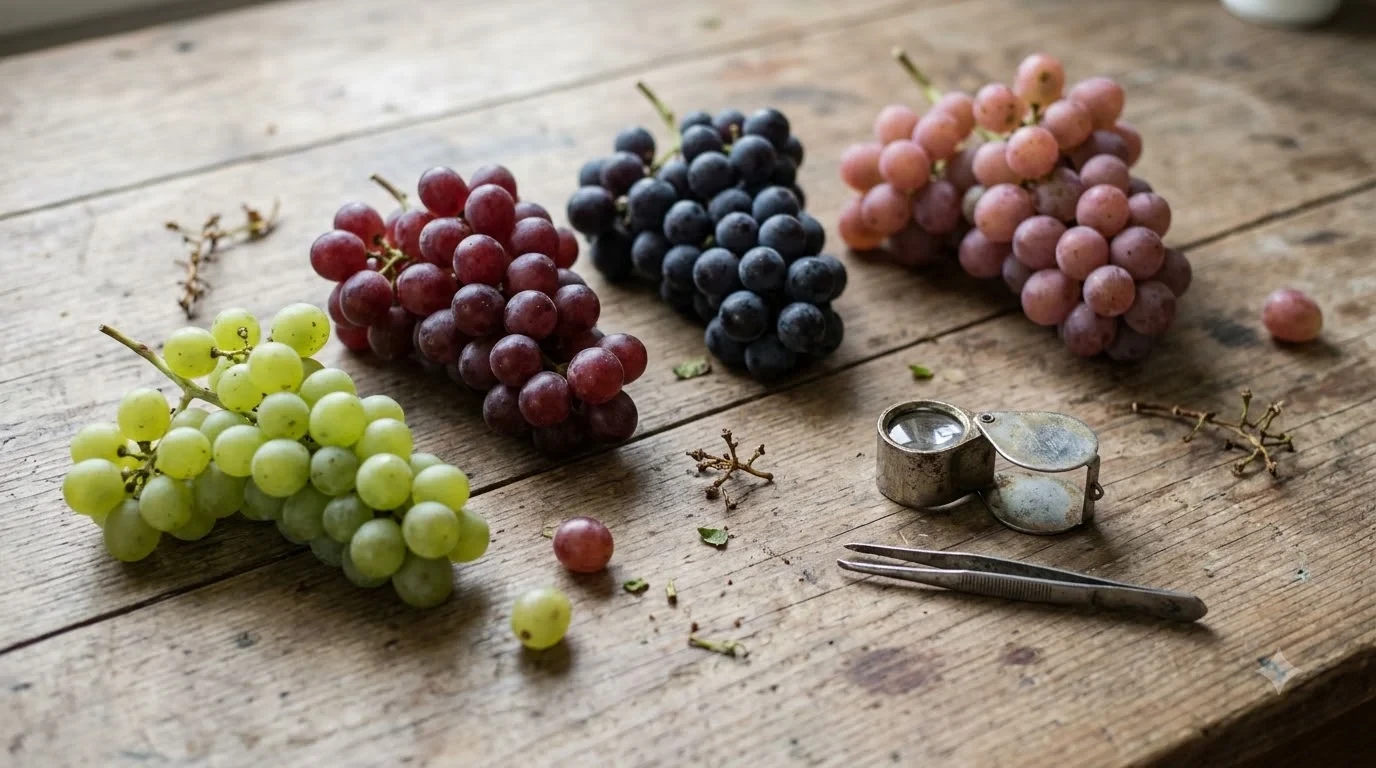
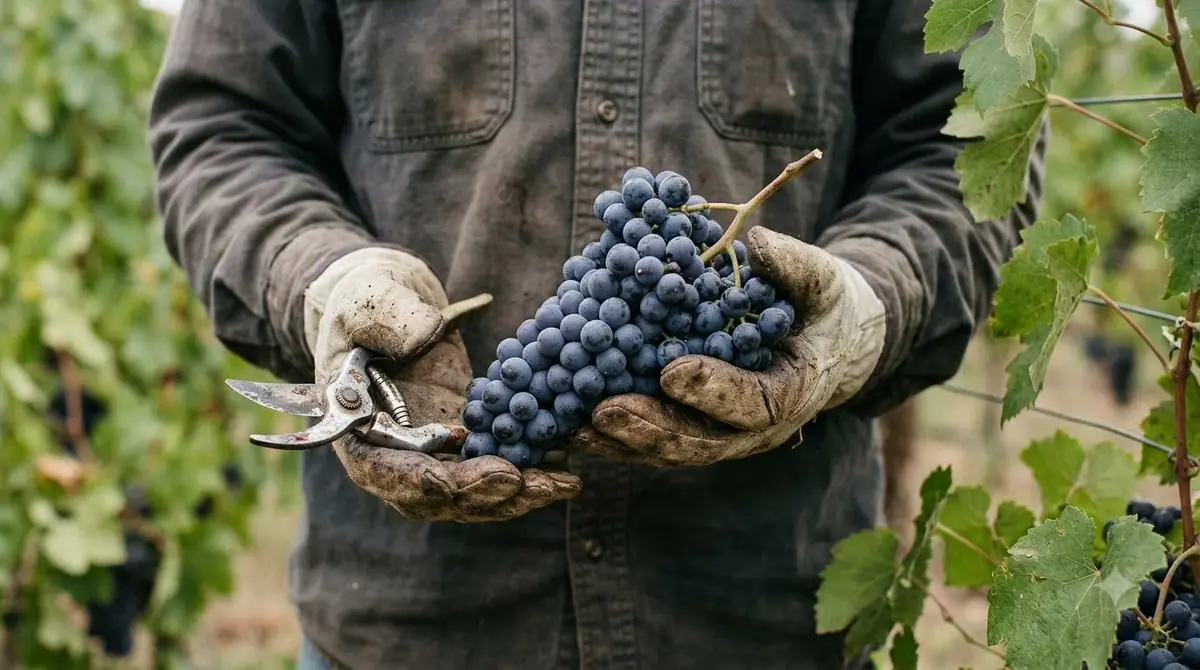
Muscadine is a grape species, not a single variety. Its scientific name is Vitis rotundifolia, and it belongs to a group of American grapes that differs from the European species used for most fine wine. The grapes grow in clusters that are smaller and looser than many table grapes, and the berries are often thick-skinned.
Because the species is native to the Southeast, muscadine vines are well suited to hot, humid summers and the sandy soils of that region. Growers have bred selections for years, so the fruit can range from sweet and fragrant to tart and sharp depending on the variety and the season.
Flavor and Style
Muscadine wine has a flavor profile that stands apart from common European whites and reds. Wine Folly’s grape reference lists ripe banana, yellow apple and lime peel as primary notes, with cranberry and a slightly unusual rubbery note that some drinkers find striking. The overall impression is fruity and fragrant rather than dry and mineral.
Most muscadine wines are classed as off-dry, which means they carry a noticeable touch of sweetness without tasting like a dessert wine. Winemakers can also make drier or sweeter versions, so reading the label or asking the shop staff helps you find the right style.
| Feature | Typical Muscadine Wine |
|---|---|
| Grape species | Vitis rotundifolia |
| Origin | Southeastern United States |
| Sweetness | Off-dry, sometimes sweeter |
| Body | Medium |
| Tannins and acidity | Medium on both |
| Alcohol range | About 10% to 11.5% ABV |
| Main flavors | Banana, yellow apple, lime peel, cranberry |
Where Muscadine Grows
The grape is native to the Southeastern United States, and it has long been part of the regional landscape. Hot, humid summers suit the vines, and the species is well adapted to conditions that can be hard on many European vines. That adaptation is one reason muscadine has stayed popular with growers working in a demanding environment.
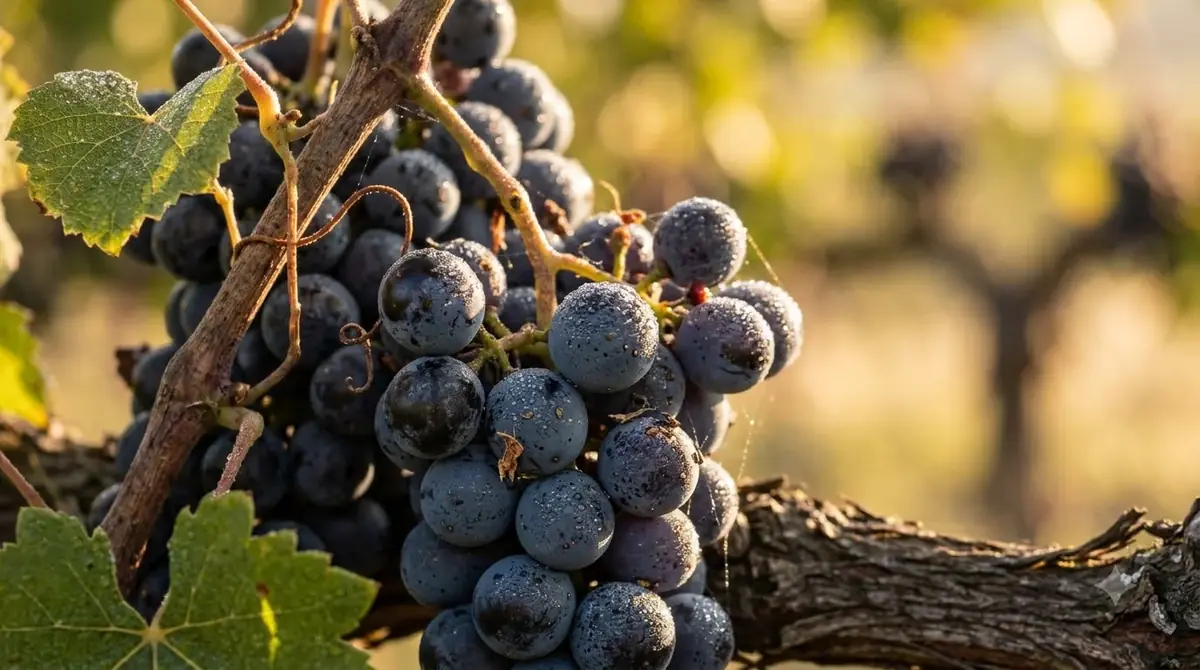
Muscadine vineyards are found across several Southern states, and the grape is also grown in home gardens. Many wineries in the region build their tasting rooms around muscadine, so visitors often get their first taste of the grape at a local winery rather than in a supermarket.
Muscadine Wine Versus Other Grapes
People sometimes assume muscadine is simply another style of muscat, but the two are different. The name is easy to confuse, and the aromas can share some fruity notes. Muscadine, however, comes from a separate American species and has a flavor profile that is harder to place in a standard European category.
If you already know European whites, muscadine can feel closer to a fruit-forward off-dry white than to a crisp, dry style such as a sauvignon blanc. For a clear contrast, the assyrtiko grape guide covers a dry, high-acid white from Greece, while muscadine sits at the other end of the spectrum with its sweetness and fruit.
How to Serve Muscadine Wine
Serve muscadine at about 55 to 60°F (12 to 15°C), which is cooler than room temperature and warmer than a very cold white. At that range the fruit feels bright without becoming heavy or syrupy. A universal glass lets the aromas show, and there is usually no need to decant.
Muscadine is best enjoyed young. The fruit is the main attraction, and the wine loses some of its brightness over time. Keep the bottle cool and drink it within a year or two of the vintage for the freshest flavor.
Tip: Muscadine works well as a chilled sipping wine on a warm afternoon. Pour a small glass, let it warm for a few minutes, and the fruit will open up.
Food Pairing Ideas
The sweetness of muscadine makes it a natural match for fruit-based desserts. Wine Folly suggests a sweeter style with a flavorful dessert such as a trifle built on fruit, custard and a splash of brandy. Fresh fruit tarts, peach cobbler and berry crisp also suit the wine’s bright profile.
Savory pairings work too, especially with salty and spiced foods. A mild, creamy cheese, grilled chicken with a sweet glaze or a plate of roasted pork can balance the wine’s sweetness. Avoid very rich, heavy sauces, which can make the wine taste thin.
How to Choose a Muscadine Wine
Start by deciding how sweet you want the bottle to be. Read the label for the sweetness level and the winery’s description. If you prefer a drier wine, look for a bottle that calls itself dry or semi-dry. If you want something sweeter for dessert, choose a clearly labeled sweeter style.
Because the grape’s character is strong, a small glass often satisfies. Many shoppers also buy muscadine juice or jelly to sample the flavor before committing to a full bottle. For a broader view of wine styles, the Wine by Type section groups the main categories and helps you place muscadine among them.
Buying and Storing Muscadine
Muscadine is sold in several forms, including bottled wine, juice, jelly and fresh grapes during the local harvest season. If you are new to the flavor, a small bottle or a sampler from a regional winery lets you judge the style without a large commitment. Look for the vintage and the sweetness statement on the label, because those two details tell you the most about how the wine will taste.
Store unopened bottles in a cool, dark place away from heat. Once opened, refrigerate the wine and finish it within a few days. The fruit character fades over time, so the first glass after opening is usually the most vibrant. Fresh muscadine grapes, when you find them, should be refrigerated and eaten within a short period because they are delicate.
Common Mistakes When Trying Muscadine
The most common mistake is expecting a dry, European-style wine. Muscadine is fruit-forward and off-dry, so a first taste can surprise people who are used to crisp whites. Another mistake is serving it too cold, which mutes the aroma. Aim for the cooler end of the serving range so the fruit can show clearly.
Some people also pour muscadine with dishes that are very spicy or very fatty. Those dishes can overpower the wine. Choose simpler foods that match the fruit, and let the bottle do the talking.
Frequently Asked Questions
Is muscadine a wine grape or a table grape?
Both. Muscadine is eaten fresh and made into juice, jelly and wine. Its thick skins and strong aroma set it apart from many table grapes sold in supermarkets.
Is muscadine wine sweet?
Most muscadine wines are off-dry, meaning they have a noticeable touch of sweetness. Some producers make sweeter styles, so check the label if you want a particular level.
Is muscadine the same as muscat?
No. Muscadine comes from the American species Vitis rotundifolia. Muscat refers to a family of European grapes. The aromas can overlap, but the grapes are not the same.
Where does muscadine grow?
Muscadine is native to the Southeastern United States and grows well in hot, humid conditions. It is found in vineyards and home gardens across several Southern states.
Muscadine is a distinctive American grape with a fruit-forward character and an off-dry style that suits warm weather and simple desserts. Try a chilled bottle from a local producer, and you will see why the grape has such a loyal following in the Southeast.
More in Wine Types & Grapes
 Zinfandel Sugar Content: Dry Red vs. White Zinfandel GramsUpdated Nov 21, 2026
 Best Zinfandel Substitute Options for Sipping and CookingUpdated Nov 21, 2026
 Zweigelt Food Pairing: Best Dishes, Cheeses, and Serving TipsUpdated Nov 21, 2026
 Zinfandel Tannins Explained: How Structure Shapes Every BottleUpdated Nov 21, 2026
 Zinfandel Sweetness Level: Dry Red vs. Sweet White Zin ExplainedUpdated Nov 21, 2026
 Xinomavro Food Pairing: Best Dishes, Styles, and Serving TipsUpdated Nov 21, 2026