

We may earn a commission when you buy through links on this page, at no extra cost to you. Learn more.
The core priorat grape varieties are Garnacha (Grenache) and Cariñena (Carignan), the two red grapes that the DOQ Priorat officially recommends and the pair most often blended together in its wines. Priorat is a mountainous enclave in Catalonia where old, low-yielding vines grow on steep slate slopes. The regional rules allow several other red and white varieties, but the older Garnacha and Cariñena vines set the character of the wines. Knowing how these two grapes behave will help you buy, store, and serve Priorat with much more confidence.
Priorat takes its name from a priory established by Carthusian monks in the 12th century, and the region has been known for wine for a very long time. For much of the twentieth century, though, it was a quiet corner of Spain where vineyards were being pulled out and replaced with olive and almond groves. The modern reputation began when a few determined producers saw what the old vines could do. Today the region sits less than 40 km from Tarragona, sheltered by the Sierra de Montsant, and its wines are known for power and concentration with a freshness that surprises many first-time drinkers. Much of that character starts in the vineyard. The vines are mostly old, grown on steep slopes, and so low-yielding that each grape carries intense flavor. This guide walks through the main grapes first, then the other permitted varieties, the soil and terrain that tie everything together, the aging rules, and the way these wines should be served at home.
Garnacha: The Old-Vine Backbone of the Region
Garnacha, known as Grenache, is the grape most closely tied to the reputation of Priorat, and its old vines produce some of the most concentrated fruit in the region.
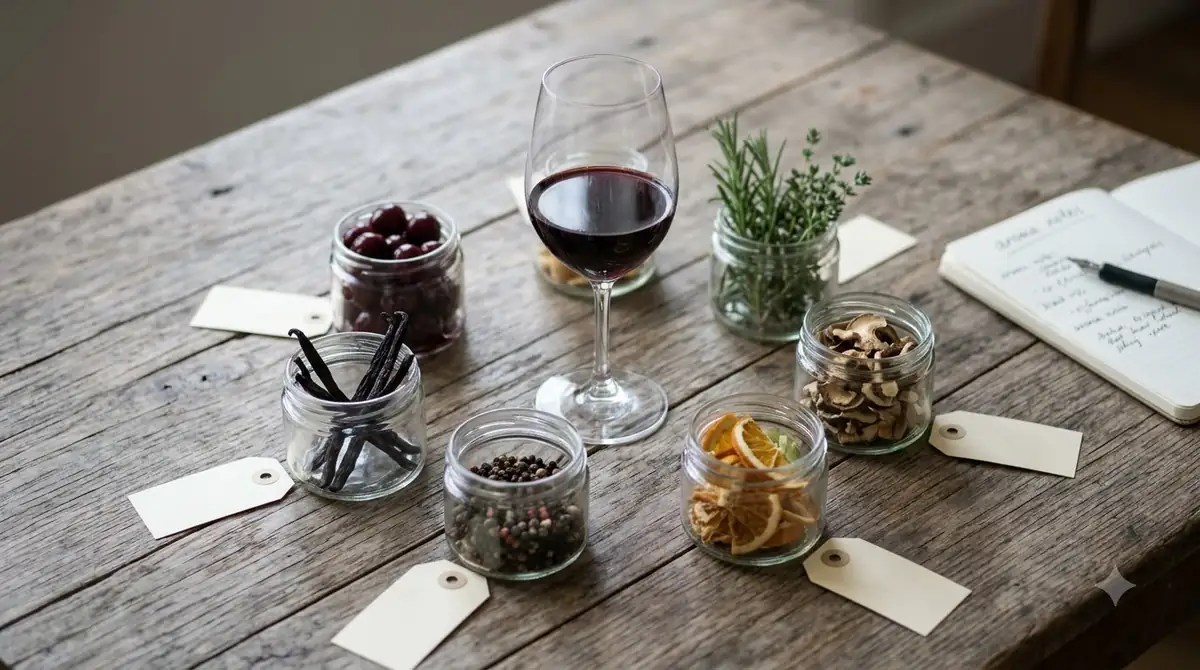
The Consell Regulador de la DOQ Priorat, the body that governs the appellation, lists Grenache and Carignan as the recommended red varieties, and its varietals page describes the pair as the DNA of the appellation. Garnacha Tinta is the variety that most people picture when they think of Priorat. Jeroboams describes the typical aromas as raspberry, dark cherry, and thyme, and says old vines planted on cooler sites give balanced freshness alongside the concentration. The best examples can keep improving in the bottle for more than a decade, which is one reason serious collectors watch the region closely.
Old vines are the real story behind these wines. Yields are tiny, and the roots work through poor, ancient soil to find water. Jeroboams notes that old bush vines on infertile ground produce an immensely concentrated, chewy style of wine with few parallels in Europe. Garnacha ripens well in the warm, dry climate, so the fruit usually reaches full maturity, and winemakers then have to manage the high alcohol that results. Many Garnacha-led wines from the region carry a lot of structure, and the freshness comes from the slate soil rather than from any single winemaking trick.
If you are buying your first bottle, a single-variety Garnacha or a Garnacha-led blend is a good place to begin. Jeroboams points to Scala Dei’s Garnatxa as a delicious and affordable example that still shows the regional character. Look for producers who name the vineyard or the village on the label, because that detail usually means the grapes come from specific old plots rather than a generic blend of purchased fruit.
Cariñena: Structure, Garrigue, and a Long Wait
Cariñena, also called Carignan, is the most widely planted red grape in the region and provides much of the herbal lift and structure found in Priorat reds.
Jeroboams describes Carignan wines as garrigue-scented, with flavors of cranberry and liquorice. Garrigue is the wild, herbal scrub of the Mediterranean hills, and in a glass it shows up as a savory, dried-herb edge that sits alongside the dark fruit. That edge is part of what makes Priorat reds feel distinct from the riper, more plush wines of warmer regions. Because Cariñena is so often blended with Garnacha, it is usually the variety that gives the wine its backbone, while Garnacha supplies the fruit weight.
Growers are cautious about planting Cariñena. Decanter’s long-running feature on Priorat explains that the variety needs time to develop, so many producers hesitate to put new vines in the ground. Those who do often choose massal selections from old vineyards rather than high-yielding clones, because the old material brings more complexity. Some producers worry that losing their old Cariñena vines will change the typicity of the region for good. For anyone buying Priorat, that makes older-vine Cariñena a good quality marker, since it reflects both the work of the vineyard and the patience of the grower.
Permitted Reds and Whites Beyond the Core Pair
The DOQ rules allow a longer list of red and white varieties, though most of them play supporting roles rather than starring ones.
The council’s list of permitted reds includes Hairy Grenache, Tempranillo, Piquepoul, Cabernet Sauvignon, Cabernet Franc, Pinot Noir, Merlot, and Syrah. Jeroboams describes Priorat-grown Cabernet Sauvignon as rich and chocolatey, with very ripe tannins and moderate acidity, which is quite different from the Médoc benchmark. Syrah is described as bringing black pepper, chocolate, and violets, with a mineral core and a sense of freshness that keeps the wine lively. Tempranillo appears in the region under the Catalan name Ull de Llebre, and Jeroboams calls the local examples very concentrated versions of the variety.
Cabernet Franc is an early-ripening grape, so it needs a cooler site to thrive in the heat. When it succeeds, Jeroboams says it produces silky, fruit-forward wines with damson and rosemary aromas. Pinot Noir can be planted at higher elevations, where the wines take on a more voluptuous texture and notes of crushed red berries and thyme. Merlot in the region tends toward a plummy, soft, and accessible style with silky tannins. None of these varieties replace the core pair, but each one gives a winemaker another tool for building a blend.
White wines are a small share of production, but they have real character. The council allows White Grenache, White Carignan, Macabeu, Pedro Ximénez, Chenin Blanc, Muscat of Alexandria, Muscat Blanc à Petits Grains, Xarello, Piquepoul, Verdiell, and Viognier. Jeroboams highlights Garnacha Blanca, often blended with Macabeo and Picpoul, as capable of full-bodied whites with a spicy finish. Chenin Blanc from older vines is one of the region’s biggest surprises, producing a honeyed, dry white. If you want to compare these with another Spanish white grape, the airen grape offers a useful reference point for a crisp, neutral style.
Llicorella Slate and the Steep Terraces
The soil is the most distinctive feature of the region, and the steep terraces that hold it in place determine how the vines can be farmed.
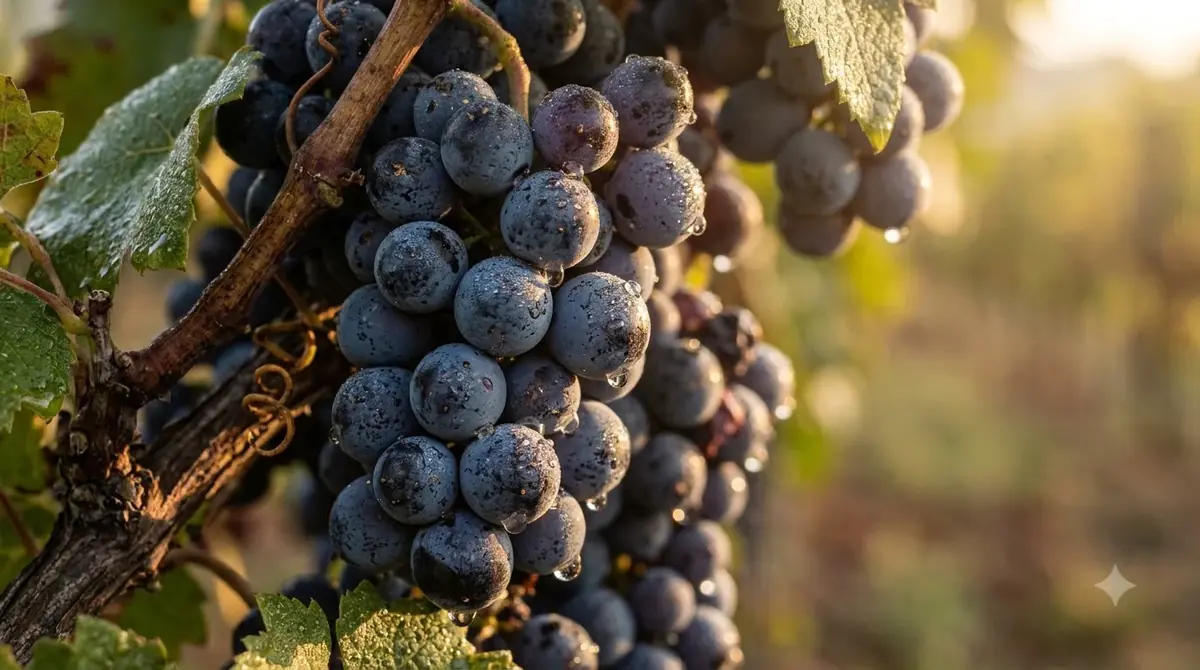
Llicorella is the local name for dark-brown metamorphic slate that covers most of the vineyards. Jeroboams describes it as free-draining, and says it reflects heat back into the vine canopy, so ripeness is seldom a problem even during hot summers. Decanter’s feature adds that the soil is pure slate or schist with virtually no topsoil, yet there is plenty of water below ground. The vines send their roots down many meters to reach that moisture, which helps keep them alive through dry spells.
The landscape is just as important as the soil. Most vineyards are worked as costers, the Catalan word for steep slope. The council’s varietals page notes that slopes are more than 15 percent in most cases, and some estates reach 60 percent. Some terraces are so narrow that only two rows of vines fit, which means farm machinery cannot work them. That is why these vineyards are labor-intensive, and why yields stay so low. Vines in the region average less than 1 kg of grapes per plant, and the wines that come from such vines have a concentration that is hard to match elsewhere.
Harvest timing follows altitude and exposure. The council says picking begins around mid-September in Bellmunt and El Lloar and continues into late October or early November in Porrera and La Morera de Montsant. That long window lets growers pick each plot when its grapes are ready, which is part of why the valleys show such varied character. For a deeper look at how the soils and the revival of the old vineyards came together, Stephen Brook’s Decanter feature on Priorat is a thorough read.
How Altitude, Yield, and Rainfall Shape the Vines
A handful of measurable numbers explains why Priorat vines produce such intense fruit, and the table below lists the figures that matter most.
| Measure | Typical Priorat figure |
|---|---|
| Vine altitude | 75 to 750 meters above sea level |
| Vineyard slope | Over 15 percent in most cases; some estates reach 60 percent |
| Average yield | Less than 1 kg of grapes per vine |
| Annual rainfall | Often under 500 mm |
| Summer temperatures | Frequently above 35°C |
| Harvest window | Mid-September to early November |
| Vineyard area | More than 1,900 hectares |
| Wineries | More than 100 |
The altitude range is a big part of the story. Vines planted at the lower end, around 75 meters near Bellmunt and El Molar, ripen earlier and experience more heat. Vines in the highlands of La Morera de Montsant and Porrera, close to 750 meters, ripen later and keep more acidity, which is why harvest there runs into November. Winemakers use that variation to build blends that combine ripe fruit with lift.
Rainfall is low, often under 500 mm a year, and summer temperatures frequently climb above 35°C. Jeroboams notes that the subsoils stay cool and damp, which supplies moisture through the summer even when rain is scarce. The combination of dry air and damp deep soil gives the grapes concentration without the baked character that heat alone can cause. For a buyer, that balance is one of the clearest reasons Priorat reds can be big and still fresh.
Yield is the most important number for quality. When a vine gives less than a kilogram of fruit, the grapes carry more skin, more color, and more flavor per berry. That is why the region treats old, low-yielding vines as its most valuable resource, and why even modest vineyards can produce wines with a lot of depth.
Aging Tiers and the Village Classification
Priorat wines follow the standard Spanish aging categories, and the region adds its own village and vineyard levels on top of them.
Under the Spanish categories, a Crianza must be at least two years old before release, with at least six months in oak and the rest of its time in bottle. A Reserva must be at least three years old, with a minimum of one year in oak. A Gran Reserva must spend at least two years in oak and three years in bottle before it is released. These categories tell you how long a producer has held the wine before it reaches you, which is useful information when you are deciding whether a bottle needs more time or is ready to open.
Priorat adds its own structure. The region is divided into 12 village zones called Vi de Vila, a system set up after a study of the area’s soils and mesoclimates. Above those sit the Vinya Classificada and Gran Vinya wines, which reflect single-vineyard origin. Jeroboams lists Gran Vinyas including Alvaro Palacios L’Ermita, Clos Erasmus, and Tossal d’en Bou at the top of the pyramid, with Clos Mogador, Mas Martinet, and Mas Doix one step below. Many producers follow this guide, but many DOQ Priorat labels without those top classifications still offer strong quality at a lower price point.
If you want a broader look at how wine styles are grouped, our Wine by Type guide explains how style, body, and region tend to connect. When you read a Priorat label, the aging tier and the village or vineyard name will tell you more about the wine than the vintage alone.
Serving, Decanting, and Pairing Priorat Reds at Home
Serve Priorat reds at 60 to 65 degrees Fahrenheit, decant young bottles for at least half an hour, and pair them with rich, savory food.
Full reds like these show their best at 60 to 65 F, which is a little cooler than the room temperature in many homes. Pour about 5 ounces per glass, which gives roughly five glasses from a 750 ml bottle. Young full reds benefit from decanting for 30 to 60 minutes, which softens the tannins and lets the aromas open up. Older bottles with more age usually need less time, so check the wine after a short pour before deciding how long it should breathe.
Storage matters just as much. Keep unopened bottles on their side in a cool, dark place near 55 F, which keeps the cork moist and the wine stable. Once opened, a still wine kept in the fridge will usually stay good for three to five days, so finish the bottle within that window or use a good stopper to slow oxidation. Priorat’s natural freshness helps it hold up a little longer than many full reds, but it still deserves prompt attention.
Pairing comes down to matching weight and fat with the wine’s structure. Jeroboams recommends slow-cooked ox cheek, venison, well-hung game, and hard cheeses, and notes that Catalans often serve the wines with richly flavored roasts of wild boar, lamb, or suckling pig. Salt and fat soften tannin, so a roast with crisp fat or a dish with a little salt will feel smoother alongside a firm Priorat. Oily fish, on the other hand, clashes with the grip of a tannic red and tends to leave the wine tasting metallic.
Tip: Chili heat is amplified by both alcohol and tannin, so Priorat can make a spicy dish taste much hotter than it is. Pair these reds with mild spice, or keep the chili on the side so each guest can adjust the heat.
Frequently Asked Questions
How old do Cariñena vines need to be before they become expressive?
Decanter’s Priorat feature says Cariñena needs at least 15 years of vine age before it has a real chance of becoming expressive and interesting. That slow start is one reason growers hesitate to plant it, and why the old vineyards carry so much value in the region.
How much alcohol do Priorat reds contain, and why do they still feel fresh?
Decanter reports alcohol levels up to 15.5 percent, especially in Garnacha-based wines, and one winemaker says her wines average around 14.2 percent. The same winemaker notes a pH of about 3.4 or lower, compared with 3.9 to 4.0 for a Napa Cabernet, and credits the llicorella soils with keeping the wines fresh and disguising the alcohol.
What is Vino de Licor Dulce from Priorat?
Vino de Licor Dulce is a sweet fortified wine with a minimum alcohol of 15 percent. Winemakers add grape spirit to stop fermentation before all the sugar is converted, which leaves residual sweetness in the finished wine. It is a traditional style that has survived into the modern era alongside the dry reds.
What is Vino Rancio, and how is it made?
Vino Rancio is an oxidized wine aged for five years in glass demijohns, which exposes it to air in a controlled way. Jeroboams says it can be delicious, especially around the festive season. It is a niche style rather than an everyday pour, so it is best approached as a special bottle to share.
What does “vino de guarda” mean on a Priorat label?
Under the regional regulations, vino de guarda wines must spend at least 12 months in oak before bottling. Jeroboams explains that this sits within a hierarchy that also weighs time spent in oak and bottle. The term describes wines made for aging rather than early release.
The grapes Garnacha and Cariñena give the priorat grape its character, and everything else in the region, from llicorella slate to the village classification, builds on that core. Start with a Garnacha-led blend from a producer who names the vineyard, serve it between 60 and 65 F, and pair it with rich food. Those three steps will show you why Priorat has such a loyal following.
More in Wine Types & Grapes
 Zinfandel Sugar Content: Dry Red vs. White Zinfandel GramsUpdated Nov 21, 2026
 Best Zinfandel Substitute Options for Sipping and CookingUpdated Nov 21, 2026
 Zweigelt Food Pairing: Best Dishes, Cheeses, and Serving TipsUpdated Nov 21, 2026
 Zinfandel Tannins Explained: How Structure Shapes Every BottleUpdated Nov 21, 2026
 Zinfandel Sweetness Level: Dry Red vs. Sweet White Zin ExplainedUpdated Nov 21, 2026
 Xinomavro Food Pairing: Best Dishes, Styles, and Serving TipsUpdated Nov 21, 2026