

We may earn a commission when you buy through links on this page, at no extra cost to you. Learn more.
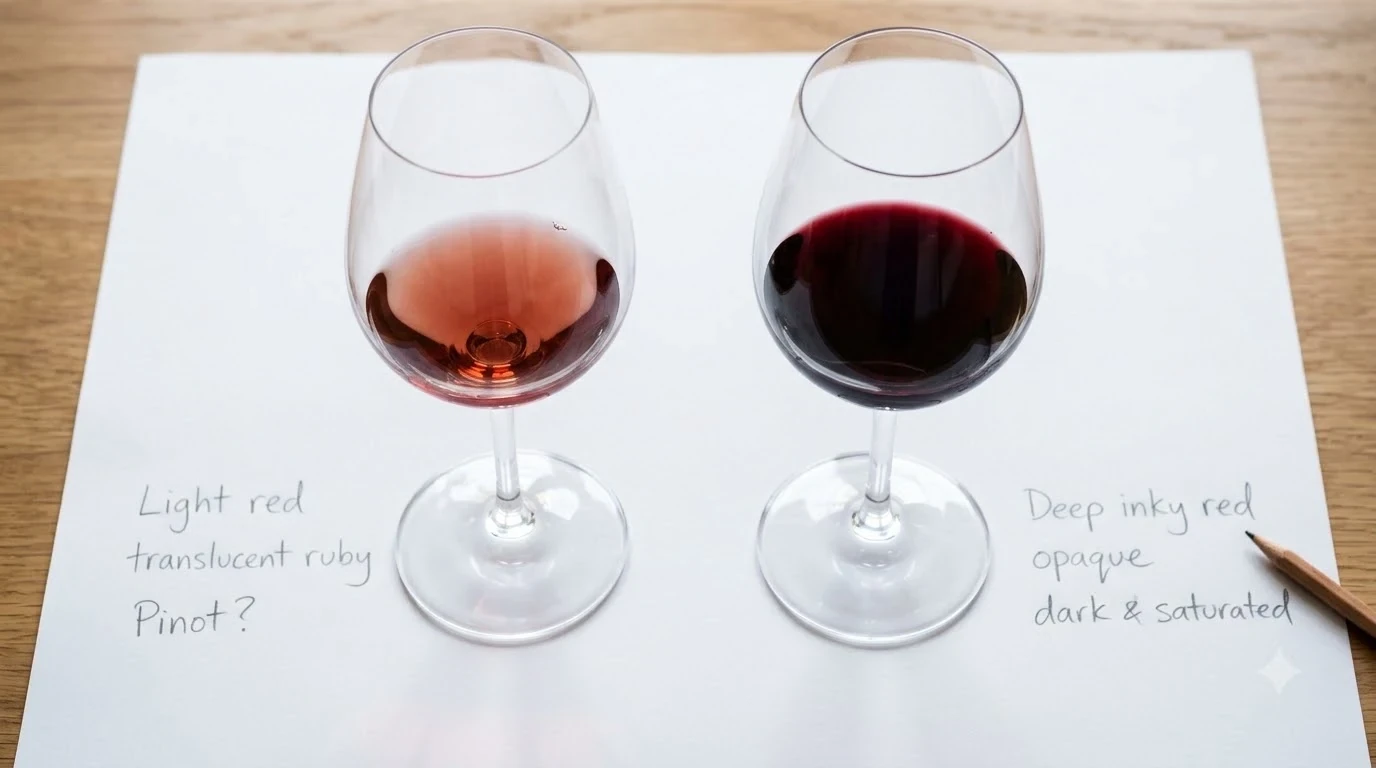
The short answer to how long does pinot noir last unopened is three to five years for most everyday bottles, while well-made Burgundy and a small share of cool-climate bottles can keep improving for much longer. Halliday Wine Companion places pinot noir in that three-to-five-year group, and PinotFile suggests that probably less than 20 percent of domestic pinot noir benefits from more than three years in the cellar. Storage plays a large role too, so a bottle kept cool, dark, still and lying down has a much better chance of reaching its window than one left near a stove or a sunny window.
Pinot noir occupies an unusual place on the shelf. It is one of the most admired red grapes in the world, yet most of the bottles people buy are made to be opened soon after release. If you are holding an unopened bottle and wondering whether it is still in good shape, or whether it deserves a spot in the cellar for a special occasion, the answer depends on the style, the producer, the vintage and the way the wine has been stored since it left the winery.
Typical Unopened Lifespan for Pinot Noir
Most pinot noir is meant for the middle of its life rather than the far end. Everyday bottles hold their best fruit for about three to five years, and that is the window most cellaring guides give first.
Halliday Wine Companion places pinot noir among the reds that can be laid down for three to five years. It puts light styles such as gamay at one to three years, and the heavier reds such as cabernet sauvignon, merlot and shiraz/syrah at 10 to 20 years. Think of that range as a planning tool rather than a hard deadline, because a bottle’s own structure and storage history will shift the real answer.
The reason most bottles stop at that point is that they are made for approachability. VinePair reports that roughly 98 percent of the world’s wine is meant to be consumed in its youth, which it puts at no more than three to five years after purchase. Past that stretch a bottle is rarely spoiled, but there is usually no real gain from waiting. Pinot noir follows the same logic in most cases, and the exceptions are what make the rest of this guide worth reading.
| Wine style | Typical unopened window | Where the figure comes from |
|---|---|---|
| Everyday pinot noir | 3 to 5 years | Halliday Wine Companion |
| Medium-bodied pinot noir | 2 to 5 years | Yalumba cellaring guidance |
| Light red such as gamay | 1 to 3 years | Halliday Wine Companion |
| Cabernet sauvignon, merlot or shiraz/syrah | 10 to 20 years | Halliday Wine Companion |
Yalumba’s two-to-five-year figure for medium-bodied pinot overlaps with Halliday’s three-to-five-year range, so both sources point to the same middle ground. The gap between pinot and the heavier reds is the more important lesson. A pinot bought for a dinner next spring is a different kind of wine from a cabernet bought as a long-term hold, and it should be planned for accordingly.
Why Pinot Noir Ages Differently From Bolder Reds
Pinot noir is thin-skinned and low in tannin, and that changes how it behaves over time. The structural armor that lets a bold red sit for decades is not present in the same amount, so the wine depends more on acidity, balance and the quality of its fruit.
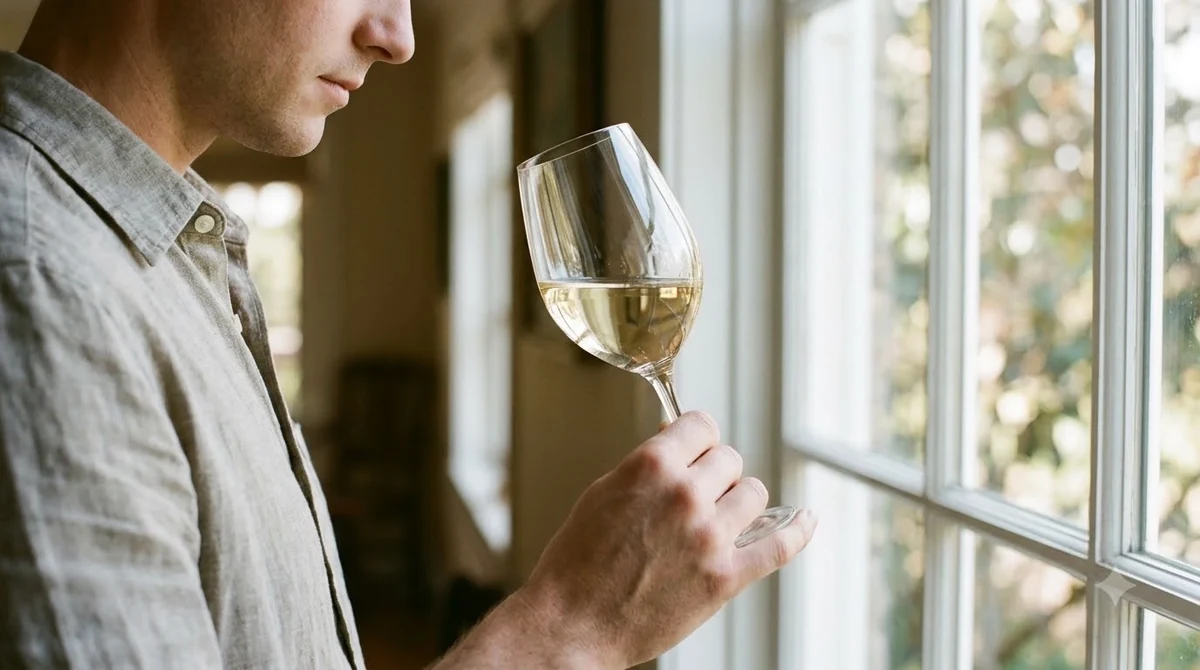
Decanter describes wine aging as the interaction of oxygen with polyphenols, acids and alcohol, and it says the longevity of a wine depends on the quality and concentration of those components. Pinot noir is low in polyphenols and prone to oxidation, which is one reason its aging is harder to predict than that of a classed-growth Bordeaux. The mechanisms that protect a cabernet are weaker in pinot, so the wine has less room for error in the cellar.
Yalumba makes a similar point in plainer terms. Cabernet sauvignon and petit verdot generally carry more tannin than grenache and pinot noir, and the more tannin a red has, the longer it typically ages. Over time the tannin molecules combine, form fine sediment in the bottle and soften the wine on the palate. A pinot with less tannin to begin with reaches that softer stage sooner, and its freshness is often the first thing to fade if the bottle is not handled well.
Wine Folly treats acidity as the key structural element for age-worthy reds, describing it as moderate to high. It also points to alcohol in the 12 to 14 percent range for wines that age well. Those two checkpoints make a useful filter when you are deciding whether a particular pinot has the structure to wait. For a comparison with lighter whites that follow their own rules, see how long does pinot grigio last unopened.
Burgundy, Cool-Climate and Everyday Bottles Age Differently
Origin and producer shift the timeline more than most shoppers expect. Two pinots with similar label styles can have very different futures, depending on where the grapes grew and who made the wine.
Decanter raises a puzzle here: pinot is low in polyphenols, yet Burgundies age remarkably well. The magazine names great Burgundies among the classic old-world keepers, alongside classed-growth Bordeaux, top Rhône wines and great Barolo. That list shows where the safest long-term bets sit, even though it does not give a single year count for pinot. Decanter also notes that no one fully understands the process, which is a reminder that Burgundy’s aging is partly a matter of experience and of trusting the producer.
Wine Folly lists red Burgundy and other cool-climate pinot noir among the varieties that improve over time. It also describes pinot noir as split roughly 50/50 between styles made for aging and styles made for drinking young, depending on producer and region. That split is why the label alone rarely tells you much. The more useful question is whether the bottle comes from a serious producer making wine with long cellaring in mind.
Domestic bottles deserve their own caution. PinotFile observes that North American winemaking today favors fruitiness and approachability on release, and it estimates that probably less than 20 percent of domestic pinot noir benefits from more than three years of cellaring. For most American bottles, then, the sensible plan is to drink within a few years. Vintage matters too: Wine Folly warns that hot or ripe vintages taste delicious early but often lose acidity and turn flabby sooner. If you want to explore more styles in a structured way, start with Wine by Type.
Storage Conditions That Protect an Unopened Bottle
Storage often does more for an unopened bottle than any date printed on the label. Cool, dark, still and lying down gives the wine the best chance of reaching the window its structure allows.
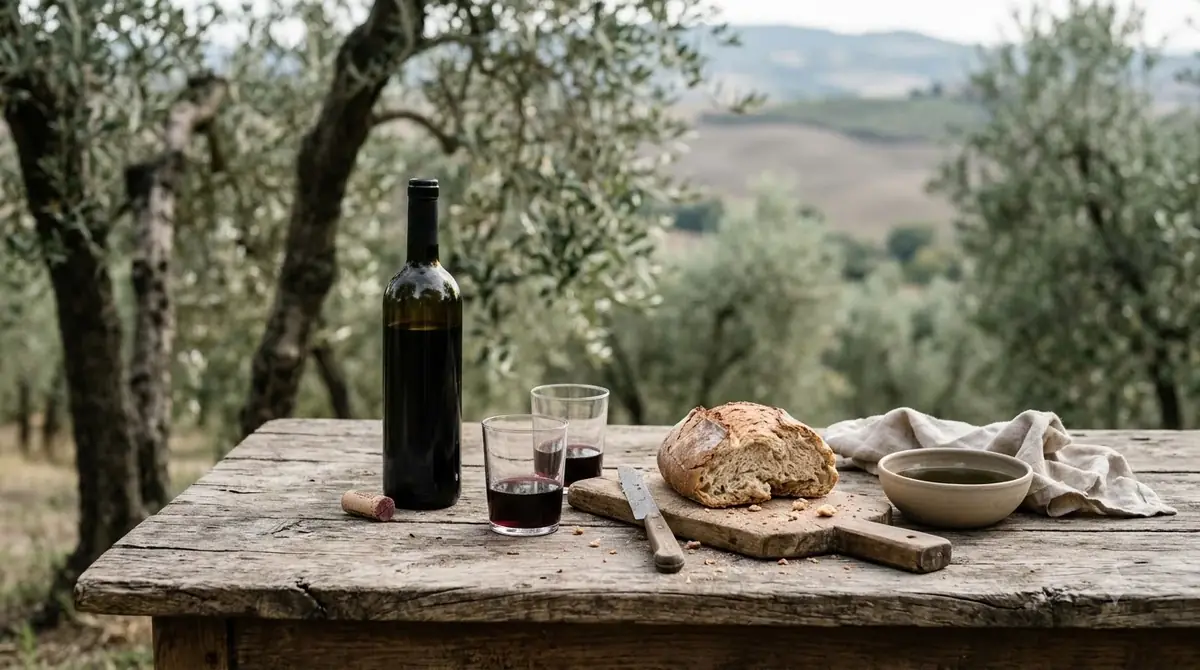
Halliday recommends a cool, dark place with a consistent temperature of up to about 15 degrees Celsius and relative humidity near 75 percent. It also advises limiting light exposure and avoiding spots that get vibration. PinotFile gives a similar target, recommending undisturbed cellaring at about 55 degrees Fahrenheit. Those two figures land in the same comfortable range, which is cooler than most living rooms and kitchens.
Yalumba adds two practical points. First, cork-sealed bottles should be stored lying down, which keeps the cork moist and stops it from drying out and crumbling when you open it. Second, consistent temperature and humidity matter more than hitting an exact number, so a steady spot beats a perfect spot that swings up and down. Light is also a concern, since exposure can cause some wine to develop prematurely. VinePair gives the same instruction, advising that bottles be stored on their side in a cool, dark place with fairly stable conditions.
The practical problem for most people is that a home rarely has a basement. Choose the most stable spot available: an interior cupboard away from outside walls, a wine fridge if you own one, or a cabinet away from appliances and sunny windows. Bag-in-box packs follow different rules and timelines, which are covered in how long does boxed wine last unopened. Consistency matters more than perfection, so a shelf that stays steady is worth more than a cupboard that is ideal one week and warm the next.
Tip: Yalumba recommends keeping more than one bottle of the same vintage. Opening one bottle now and then lets you see how the wine is changing, which helps you catch the window before it closes.
Checking Whether a Bottle Is Still Worth Holding
Before you commit a bottle to the cellar, a few quick checks show whether it has the structure to wait. None of them is a guarantee, but together they filter out most wines that will not improve.
PinotFile offers a simple persistence test. Count how many seconds the aroma lasts on your palate after you spit or swallow. The newsletter says that a finish longer than six seconds signals good aging potential, and that more than eight seconds suggests the wine will likely keep for several years in the cellar. You can read PinotFile’s full discussion of aging for the reasoning behind these thresholds.
Wine Folly’s structural checks are equally practical. Acidity should be clearly tart and mouthwatering, tannin should be moderately high without overshadowing the fruit, and the wine should still show some fruit beneath the structure. A wine with plenty of tannin and acid but no fruit to carry it is out of balance, and Halliday makes a related point: a young wine that leans too hard on tannin, alcohol or acid may become more lopsided over time, since time magnifies what is already there.
PinotFile is blunt on one point. Cellaring a bad bottle for five years will not turn it into a better wine, so a pinot that lacks balance and fruit when young is unlikely to improve by waiting. Wine Folly also suggests that a bottle already tasting perfect is probably one to drink now rather than hold.
Signs an Unopened Bottle Has Declined
An unopened bottle that has passed its best rarely shows dramatic warning signs. The changes are quiet, so the cork, the storage history and the wine’s age tell you more than a single look at the label.
Start with the cork. Yalumba notes that a cork which dries out may crumble when you open the bottle, so a cork that looks dry, shrunken or pushed up out of the neck is a reason for caution. Storage history matters just as much. Wine Folly reports that improper storage can lower a wine’s lifespan by up to 75 percent, which means a bottle that spent a summer in a hot car or a sunny window may have aged far faster than its vintage suggests. If you cannot verify how a bottle was kept, assume it has aged faster than expected.
VinePair notes that a bottle kept past its intended window will generally not be spoiled, but it will offer no perceived benefit from the extra time. Halliday describes time as a great magnifier, meaning a small fault in a young wine can grow large after years in storage. That is why a bottle with obvious problems in its youth should not be expected to improve. When in doubt, the simplest decision is often to open the bottle and judge it fresh rather than hold it longer on hope.
Frequently Asked Questions
Here are five quick answers to the questions cellar owners ask most often about unopened pinot noir.
Can an unopened pinot noir go bad before its window closes?
Yes, although poor storage is usually the real cause rather than age alone. Decanter notes that red wines with very low tannin levels tend to degrade fast because they are less stable. Lighter pinots, especially those made for early release, are the ones most likely to fall into that group.
Does a magnum age better than a standard bottle?
PinotFile says magnums offer a significantly increased chance of preservation and improvement in the cellar. The larger volume means proportionally less air in the bottle, which slows the oxidation that drives change. For a special pinot you plan to hold for many years, a magnum is a sensible choice when one is available.
Does alcohol help a pinot noir last?
Halliday Wine Companion describes alcohol itself as a preservative, which is why fortified wines such as vintage port can keep for decades. A light, low-alcohol wine has less protection to lean on. That is one reason it pays to check the structure of a pinot before deciding to hold it.
Does sulfur help a bottle last?
Halliday lists sulfur among the preservatives that help a wine keep, alongside acid and tannin. Decanter adds that sulfur dioxide has an antioxidant effect that limits oxidation. Both sources point to winemaking decisions as part of why some bottles last longer than others, so the producer’s approach matters.
How do I keep track of the bottles I plan to hold?
Yalumba suggests keeping a record of your aging wines so you are less likely to miss an optimal drinking window. You can also ask the person selling you the wine, or contact the winery directly, about a bottle’s aging potential. A simple note of the vintage, the purchase date and a planned check-in year is enough to start.
For most pinot noir, the practical answer is simple: plan on three to five years, store the bottle cool, dark, still and lying down, and open it while the fruit is still lively. If you are holding a serious Burgundy or a well-made cool-climate bottle from a respected producer, you have more room to be patient. Keep an eye on the wine, and let the bottle tell you when it is ready.
More in Wine Types & Grapes
 Zinfandel Sugar Content: Dry Red vs. White Zinfandel GramsUpdated Nov 21, 2026
 Best Zinfandel Substitute Options for Sipping and CookingUpdated Nov 21, 2026
 Zweigelt Food Pairing: Best Dishes, Cheeses, and Serving TipsUpdated Nov 21, 2026
 Zinfandel Tannins Explained: How Structure Shapes Every BottleUpdated Nov 21, 2026
 Zinfandel Sweetness Level: Dry Red vs. Sweet White Zin ExplainedUpdated Nov 21, 2026
 Xinomavro Food Pairing: Best Dishes, Styles, and Serving TipsUpdated Nov 21, 2026