

We may earn a commission when you buy through links on this page, at no extra cost to you. Learn more.
Learning how to pronounce ugni blanc comes down to saying “OO-nee BLAHNK” (or “OON-yee BLAHNK”), with a silent “g” and a soft nasal ending on the second word. In French, the letter combination “gn” blends together much like the “ny” sound in the English word “canyon,” rather than a hard “g” sound. Whether you are ordering a crisp white blend from southwestern France or discussing the base grape behind Cognac and Armagnac, dropping the hard “g” immediately signals wine fluency.
Walking into a wine shop or scanning a bistro list can feel intimidating when French grape names refuse to follow English phonics. Ugni Blanc is one of the most widely planted white wine varieties on the planet, yet its spelling trips up casual drinkers and seasoned enthusiasts alike. Once you break the two words into simple syllables and understand the grape’s dual identity across Europe, you can say it smoothly in any tasting room.
Breaking Down the Exact Pronunciation
The clearest phonetic way for an American English speaker to say Ugni Blanc is OO-nee BLAHNK, placing gentle emphasis on the first syllable of “Ugni” and finishing “Blanc” with a soft, nasalized vowel. Wine educators at Wine Folly spell the pronunciation phonetically as “ooo-nee blonk,” which captures how the words flow together in everyday wine conversation.
The biggest stumbling block in the first word is the “gn” consonant cluster. In English, words like “signal” or “ignite” pronounce both the “g” and the “n” distinctly, which leads many newcomers to say “UG-nee.” In French orthography, however, “gn” represents a palatal nasal sound, identical to the Spanish “ñ” in “jalapeño” or the middle of the English word “onion.” Your tongue presses lightly against the roof of your mouth so the “g” disappears into a smooth “ny” glide, yielding “OO-nee” or “OON-yee.”
The second word, “Blanc,” simply means “white” in French and follows the exact same rule you hear in Sauvignon Blanc or how to pronounce pinot blanc. The initial “u” in “Ugni” is a pure, rounded “oo” sound—never “uh” like in “ugly.” Meanwhile, the final “c” in “Blanc” is completely silent in standard French speech, though a very faint “k” sound often slips into casual American wine parlance without raising eyebrows.
Common Mistakes and Regional Variations
Most mispronunciations happen when readers apply English spelling rules directly to the page, resulting in harsh sounds like “UG-nee BLANK” or “YOOG-nee BLAHNK.” Comparing the French name alongside its Italian twin makes it much easier to keep the sounds straight when switching between wine lists.
| Name or Term | Language | Phonetic Guide | Common Error to Avoid |
|---|---|---|---|
| Ugni Blanc | French | OO-nee BLAHNK | Saying “UG-nee” with a hard G |
| Trebbiano Toscano | Italian | treh-bee-AH-no toe-SKAH-no | Slurring the double B into one |
| Saint-Émilion | French (Charente) | sahn-tay-mee-LYOHN | Confusing it with the red Bordeaux town |
| Blanc | French | BLAHNK (nasal N) | Pronouncing it like English “blank” |
In native French speech, the “u” in Ugni is actually a tight, front-rounded vowel (written as /y/ in the International Phonetic Alphabet) formed by shaping your lips for “oo” while trying to say “ee.” American speakers rarely need to strain for that exact Parisian lip position; a clean “oo” as in “boot” is universally understood by sommeliers, bartenders, and retail staff across the United States.
You may also encounter historical synonyms on older European labels or technical reference sheets. In the Cognac region of western France, growers traditionally referred to the vine as Saint-Émilion—not to be confused with the famous red-wine village in Bordeaux. Across the border in Italy, the exact same genetic variety goes by Trebbiano Toscano, pronounced “treh-bee-AH-no toe-SKAH-no”. Knowing both pronunciations prevents confusion when comparing French and Italian bottles on the same shelf.
What Ugni Blanc Actually Is
Ugni Blanc is a high-acid, late-ripening white wine grape that originated in Italy as Trebbiano Toscano before migrating to France during the fourteenth century. If you have ever wondered what is ugni blanc in the broader hierarchy of Wine by Type, it stands as one of Europe’s foundational workhorse varieties, prized far more for its crisp natural acidity and agricultural resilience than for flashy aromatics.
Viticulturally, the vine buds relatively early in spring and takes its time reaching full maturity in autumn, allowing grapes to retain vibrant tartness even in warm climates. According to Wine Enthusiast, the broader Trebbiano family encompasses several distinct Italian varieties, with Trebbiano Toscano serving as the exact genetic counterpart to France’s Ugni Blanc. Its thick skins and sturdy yields made it an essential replanting choice in western France after the phylloxera crisis devastated nineteenth-century vineyards.
Today, Ugni Blanc is the most widely planted white grape in France, though the vast majority of its harvest never enters a standard table wine bottle. In Cognac, Wine Folly notes that Ugni Blanc accounts for roughly 98 percent of the region’s vineyard acreage, where its low sugar, high acid, and neutral flavor profile create the ideal base wine for double distillation in copper pot stills. In Italy, that same high-acid juice also forms the traditional base for authentic balsamic vinegar of Modena.
Flavor Profile and Wine Styles
As a still dry table wine, ugni blanc wine is light-bodied, bone-dry, and driven by brisk, mouthwatering acidity rather than heavy fruit or oak. Its aromatic profile leans subtle and refreshing, offering clean notes of lemon zest, green apple, white peach, and a faint salty minerality reminiscent of crushed seashells.
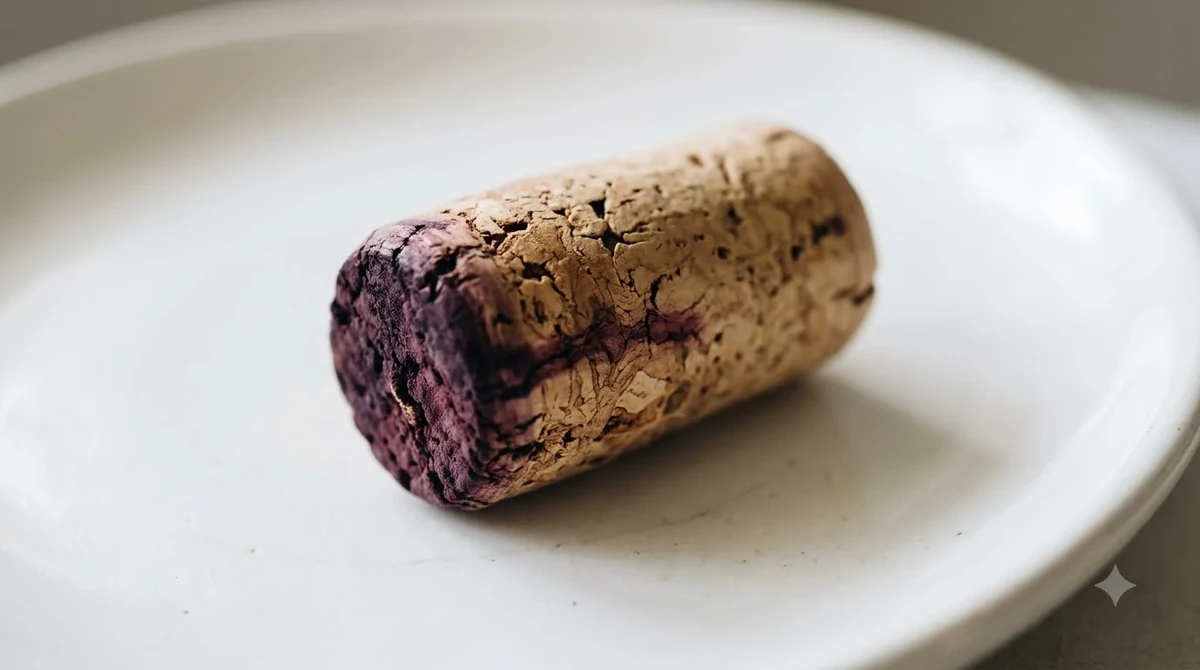
Because single-varietal Ugni Blanc can taste quite lean and neutral on its own, winemakers frequently blend it with more aromatic white grapes. In southwestern France—especially in Côtes de Gascogne—producers pair Ugni Blanc with Colombard, Gros Manseng, or Sauvignon Blanc. The partner grapes supply bursts of grapefruit, passionfruit, and floral lift, while Ugni Blanc provides the structural backbone and crisp finish that keep the blend lively.
Winemakers almost always ferment table-wine Ugni Blanc in temperature-controlled stainless steel tanks to preserve its delicate citrus character and fresh snap. Oak aging is rare for everyday French bottlings, though a handful of ambitious Italian producers working with Trebbiano Toscano experiment with skin contact or neutral barrels to coax out richer textures of dried herbs, toasted almond, and ripe orchard fruit.
Tip: When ordering at a French bistro, link the two words smoothly as “oon-yee-BLAHNK” with a tiny pause, and avoid hitting the “g” sound—even a slight softening of the “gn” makes your pronunciation sound natural.
Where It Grows and How to Serve It
Ugni Blanc thrives across southwestern France, Provence, and central Italy, adapting easily to diverse soils ranging from chalky limestone to sandy coastal plains. Beyond its massive footprint in Cognac and Armagnac, it appears in crisp coastal whites from Provence and Cassis, as well as the everyday bistro blends of Gascony. Across Italy, under the Trebbiano banner, it anchors regional blends in Tuscany, Umbria, Emilia-Romagna, and Lazio.
Because this grape relies on brisk acidity and delicate aromatics, serving it well chilled brings out its sharpest, cleanest qualities. Aim for refrigerator temperature—around 45 to 50 degrees Fahrenheit—and pour it into a standard tulip-shaped white wine glass that concentrates its subtle citrus and white-blossom notes. Most everyday bottles are crafted for immediate enjoyment within three to five years of the vintage date rather than long cellar aging.
At the dinner table, Ugni Blanc shines alongside lighter, high-acid, or briny dishes that would overwhelm a heavy, oaked white. Fresh oysters, grilled white fish, shrimp scampi, goat cheese salads, and herb-driven pesto pasta all play to its zesty strengths. Its clean, palate-cleansing snap also cuts effortlessly through fried calamari, roasted chicken with lemon, and hard aged cheeses.
Frequently Asked Questions
Is the G silent in Ugni Blanc?
Yes, the “g” is never pronounced as a hard sound like in “go” or “ugly.” Instead, the “gn” pair merges into a soft “ny” glide similar to the middle of “canyon” or “onion,” making the first word sound like “OO-nee” or “OON-yee.”
Are Ugni Blanc and Trebbiano the exact same grape?
Ugni Blanc is the French name for Trebbiano Toscano, Italy’s most widely planted white wine grape. While Italy grows several distinct grapes under the broader Trebbiano umbrella, Trebbiano Toscano and Ugni Blanc are genetically identical.
Why is Ugni Blanc mostly used for Cognac instead of regular wine?
Ugni Blanc naturally produces high acidity, low sugar levels, and neutral fruit flavors, which are ideal traits for double distillation. High acidity protects the base wine from spoilage without needing sulfur additives, allowing distillers to concentrate pure, clean aromas in copper pot stills.
How do you pronounce Blanc at the end of Ugni Blanc?
Pronounce “Blanc” as “BLAHNK” with an open “ah” vowel and a soft, nasalized finish where the final “c” is silent. It rhymes roughly with the first syllable of “honk” rather than the flat English word “blank.”
Saying “OO-nee BLAHNK” with confidence takes the guesswork out of one of wine’s trickiest spellings. Whether you spot the name on a crisp Gascon white blend, a Provençal coastal bottle, or the back label of a fine Cognac, you now have both the phonetic rhythm and the grape’s backstory ready for your next pour.
More in Wine Types & Grapes
 Zinfandel Sugar Content: Dry Red vs. White Zinfandel GramsUpdated Nov 21, 2026
 Best Zinfandel Substitute Options for Sipping and CookingUpdated Nov 21, 2026
 Zweigelt Food Pairing: Best Dishes, Cheeses, and Serving TipsUpdated Nov 21, 2026
 Zinfandel Tannins Explained: How Structure Shapes Every BottleUpdated Nov 21, 2026
 Zinfandel Sweetness Level: Dry Red vs. Sweet White Zin ExplainedUpdated Nov 21, 2026
 Xinomavro Food Pairing: Best Dishes, Styles, and Serving TipsUpdated Nov 21, 2026