

We may earn a commission when you buy through links on this page, at no extra cost to you. Learn more.
Knowing how to pronounce pedro ximenez comes down to saying “PEH-droh hee-MEH-neth” in central Castilian Spanish or “PEH-droh hee-MEH-nez” (or “hee-MEH-nes”) in southern Andalusian Spanish. The initial “X” is an archaic Spanish spelling that sounds like a throaty English “H,” never a “Z” or “KS,” and the stress lands squarely on the second syllable of the surname. In wine bars and shops across the United States, bartenders and sommeliers also frequently shorten the name to simply “PX” (pronounced “pee-ex”).
Ordering a glass of this famous Spanish dessert sherry can feel intimidating when the label confronts you with an unfamiliar “X” and an accent mark over the “e.” Because Spain preserves historical orthography in traditional wine names, English speakers often stumble over the second word or hesitate at the counter. Once you understand the two phonetic rules behind the spelling, you can say the name smoothly in any restaurant, wine shop, or tasting room.
Syllable-by-Syllable Pronunciation Breakdown
Pronouncing the full name requires just two simple adjustments from standard English phonics: turning the “X” into a soft throat-clearing “H” sound and placing the emphasis on the middle of Ximénez. Whether you adopt the northern Spanish lisp on the final letter or the softer southern ending, both versions are completely natural and respected in the wine world.
Start with the first name, Pedro, which is straightforward for most American speakers. Say “PEH-droh,” keeping the first vowel crisp like the “e” in “pet” rather than dragging it out into a long “ay” sound. Give the “d” a light touch against the back of your upper teeth and finish with a clean, short “oh” sound. Avoid sliding the ending into an English “ow” diphthong, as Spanish vowels stay pure and clipped from start to finish.
The surname Ximénez is where nearly all hesitation happens, largely because modern Spanish spells the exact same surname as Jiménez. In older Spanish orthography, the letter “X” represented a voiceless velar fricative—the exact same raspy “H” sound heard at the beginning of “jalapeño” or “Jerez.” Pronounce the first syllable as “hee,” move smoothly into the stressed middle syllable “MEH” (guided by the written accent mark over the “é”), and close with either “neth” (Castilian) or “nez” / “nes” (Andalusian and Latin American).
| Regional Style | Phonetic Spelling | Final Consonant Sound | Where You Hear It |
|---|---|---|---|
| Castilian Spanish | PEH-droh hee-MEH-neth | Soft “th” as in “thin” | Madrid, northern and central Spain |
| Andalusian Spanish | PEH-droh hee-MEH-nes | Crisp “s” as in “sun” | Jerez, Montilla-Moriles, southern Spain |
| American Wine Trade | PEH-droh hee-MEH-nez | Light “z” or “s” | US restaurants, retail shops, wine schools |
| Sommelier Shorthand | Pee-Ex (PX) | Two English letters | Wine lists, tasting notes, bottle back labels |
According to pronunciation guides from Vinolingo, both the Castilian “th” ending and the southern “s” ending are accurate, so you do not need to force a lisp if it feels unnatural in American English. Focusing on the “hee-MEH” opening and keeping the stress on the second syllable will immediately signal to any wine professional that you know what you are ordering.
Why Is It Spelled With an X Instead of a J?
The unusual “X” in Ximénez is a linguistic fossil from sixteenth- and seventeenth-century Spanish, preserved because wine regions and grape registries rarely modernize historical names. Back when the grape was first documented in Andalusia, scribes used “X” to write a sound that later shifted in spoken Spanish and was standardized as the letter “J” by the Royal Spanish Academy.
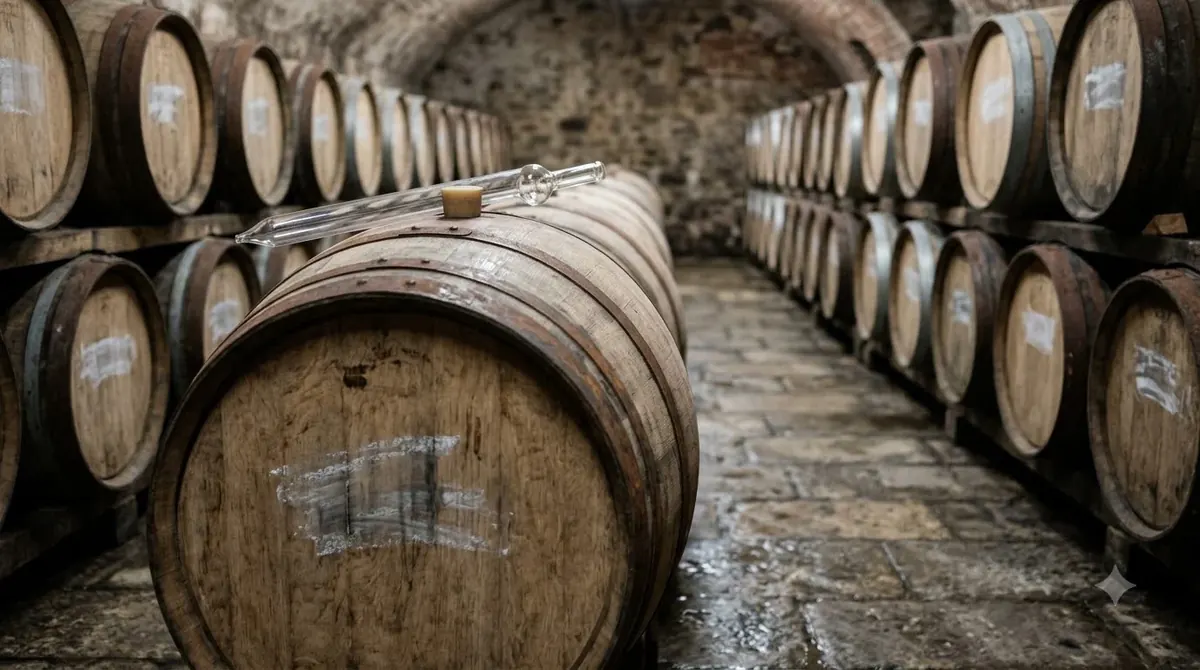
You can see this exact same historical spelling rule across other famous Spanish wine regions. The city of Jerez itself was historically spelled Xerez, which is why the official regulatory council still carries the formal title Denominación de Origen Jerez-Xérès-Sherry. Similarly, the Catalan white grape Xarel-lo and the regional wine name Txakoli retain older consonant spellings that trip up modern readers until they learn the local phonetic history.
In everyday Spanish phone books, the surname is almost universally spelled Jiménez, while wine labels in Jerez and Montilla-Moriles keep the traditional Ximénez spelling intact. Interestingly, when the Pedro Ximénez grape traveled to South America centuries ago, the spelling modernized along with local language conventions. Today, Chilean and Argentine producers routinely spell the exact same variety as Pedro Jiménez on their labels, which makes the pronunciation instantly obvious to anyone familiar with standard Spanish.
Common Pronunciation Mistakes to Avoid
Most mispronunciations happen when English speakers apply American phonics rules to Spanish vowels and consonants. Catching three frequent habits will keep you from stumbling when reading a dessert menu out loud.
- Pronouncing the “X” like a “Z” or “KS”: Saying “zy-MEH-nez” or “eks-ih-MEH-nez” is the single most common error in English-speaking wine bars. Remember that the initial “X” functions purely as a strong “H” sound.
- Putting the stress on the first syllable: Without noticing the accent mark over the second “e,” many readers say “HEE-meh-nez.” The acute accent on “é” explicitly instructs you to lift your voice on “MEH.”
- Pronouncing “Pedro” like “Pee-droh”: In Spanish, the letter “e” never sounds like the English double-e in “see.” Keep the first syllable short and grounded as “PEH-droh.”
- Dropping the final syllable: Because French wine terms drop trailing consonants, some drinkers mistakenly clip the ending into “hee-MEH-nay.” Spanish pronounces every written letter, so always voice the final “z” or “th.”
Tip: If you ever feel tongue-tied in a noisy restaurant, simply ask your server for a glass of “PX.” Every sommelier, bartender, and wine shop clerk recognizes those two letters immediately, and many bottles print “PX” larger than the full name on the front label.
Who Was Pedro Ximénez?
Behind the tongue-twisting name sits one of the wine world’s favorite origin legends—and a modern genetic twist that surprised historians. For centuries, Andalusian winemakers told the story of a sixteenth-century German soldier named Peter Siemens who served in the Spanish army in Flanders and carried vines from the Rhine Valley back to southern Spain in his knapsack.

According to the folklore shared by the Montilla-Moriles Regulatory Council, local Andalusian farmers adapted the soldier’s foreign name into Spanish, turning Peter into Pedro and Siemens into Ximénez. Because winemakers noticed that aged bottles could occasionally develop petrol-like aromas reminiscent of mature German Riesling, the soldier story lingered in wine books for generations.
Modern DNA profiling eventually overturned that romantic tale. Ampelographers proved that the grape has no genetic link to Riesling or any German variety; instead, it is a direct descendant of Gibi, an ancient white table grape brought to southern Iberia during the Moorish period of Al-Andalus. While historians now believe the grape likely took its name from a prominent local grower or a small village near Sanlúcar de Barrameda, the centuries-old spelling remained locked in place.
What Pedro Ximénez Wine Actually Tastes Like
Once you order it with confidence, knowing what arrives in the glass helps you appreciate why this grape holds a unique place among fortified and sweet wines. To understand what Pedro Ximénez is in the glass, it helps to look at the traditional Andalusian drying process known as asoleo. Winemakers harvest the thin-skinned white grapes at peak ripeness and lay the bunches out on woven esparto grass mats under the intense southern Spanish sun for one to two weeks.
As the grapes shrivel into dark raisins, water evaporates and natural sugars concentrate dramatically before pressing. Winemakers then partially ferment the thick, syrupy juice and fortify it with neutral grape spirit, bringing the final alcohol level to between 15% and 22% ABV according to the official Jerez regulatory council. The young wine then spends years aging oxidatively in oak barrels through the fractional blending solera system.
The finished wine pours an opaque, glossy ebony or deep mahogany color that coats the glass like warm maple syrup. Despite starting from a white grape, Pedro Ximénez sherry delivers intense aromas and flavors of sun-dried raisins, Medjool dates, dried black figs, roasted espresso, dark chocolate, molasses, and sweet licorice. A gentle streak of natural acidity keeps the lush sweetness balanced, and serving a small pour slightly chilled between 50°F and 57°F (10°C to 14°C) highlights its velvety texture alongside blue cheese, dark chocolate desserts, or a scoop of vanilla bean ice cream.
Frequently Asked Questions
Is it okay to just call it PX at a restaurant or wine shop?
Yes, calling the wine “PX” is standard practice among sommeliers, bartenders, and Spanish producers alike. The abbreviation appears directly on many bottle labels, dessert menus, and tasting notes, so asking for a glass of PX is completely natural and widely understood.
Does the X in Pedro Ximénez sound like the X in Mexico?
Yes, both words preserve the exact same historical Spanish spelling rule where an “X” represents a soft, throaty “H” sound. Just as Mexico is pronounced “MEH-hee-koh” in Spanish, Ximénez begins with that identical “hee” sound rather than an English “Z” or “KS.”
Should I pronounce the final Z as a TH or an S?
Both pronunciations are correct in Spanish, depending on regional accent. Speakers from Madrid and northern Spain pronounce the final “z” like a soft “th” (“hee-MEH-neth”), while speakers in Andalusia—where the wine is actually made—pronounce it like a crisp “s” (“hee-MEH-nes”).
Why are some bottles from Chile spelled Pedro Jiménez instead?
Chilean and Argentine winemakers use the modernized Spanish spelling Jiménez, which replaced the archaic “X” with a “J” while keeping the pronunciation identical. Despite sharing the same name and pronunciation, South American versions are usually fermented into crisp, dry aromatic white wines rather than sweet fortified sherry.
Mastering how to say “PEH-droh hee-MEH-neth” turns one of the most intimidating spellings on a wine list into an easy, rewarding order. Whether you pronounce the final letter with a Castilian “th,” an Andalusian “s,” or simply ask for a glass of PX, you will be greeted with one of Spain’s richest, most memorable dessert wines.
More in Wine Types & Grapes
 Zinfandel Sugar Content: Dry Red vs. White Zinfandel GramsUpdated Nov 21, 2026
 Best Zinfandel Substitute Options for Sipping and CookingUpdated Nov 21, 2026
 Zweigelt Food Pairing: Best Dishes, Cheeses, and Serving TipsUpdated Nov 21, 2026
 Zinfandel Tannins Explained: How Structure Shapes Every BottleUpdated Nov 21, 2026
 Zinfandel Sweetness Level: Dry Red vs. Sweet White Zin ExplainedUpdated Nov 21, 2026
 Xinomavro Food Pairing: Best Dishes, Styles, and Serving TipsUpdated Nov 21, 2026