

We may earn a commission when you buy through links on this page, at no extra cost to you. Learn more.
Airen wine is a typically dry, light-bodied Spanish white wine made from the Airén grape, known for its gentle fruit flavors, moderate acidity, and refreshing versatility. The grape thrives in the hot, dry vineyards of Castilla-La Mancha, where it has long been one of Spain’s most important white varieties. Although Airén has traditionally been associated with high-volume wine production and brandy distillation, modern winemaking has brought renewed attention to its potential for producing appealing, characterful white wines.
Airén offers a different experience from more aromatic Spanish whites such as Albariño or Verdejo. Its flavor profile tends to be softer and more understated, with apple, grapefruit, banana, and sometimes tropical fruit notes. For wine drinkers looking for an approachable Spanish white to serve with seafood, salads, or casual meals, Airén is a grape worth discovering. Understanding its origins, typical taste, and different production styles makes it easier to recognize what this distinctive variety can offer.
What Is Airén Wine?
Airén wine is a white wine produced from the Airén grape, a Spanish variety particularly associated with Castilla-La Mancha. It is generally made as a dry, still white wine, although the grape is also used in blends, sparkling wines, and distillation.
Airén has historically been one of Spain’s most widely planted grape varieties. Its importance comes partly from its ability to thrive in demanding growing conditions and produce substantial quantities of grapes. The International Organisation of Vine and Wine (OIV) recorded approximately 218,000 hectares of Airén in Spain in 2015, representing around 22% of the country’s vineyard area.
That extensive planting does not mean every Airén wine tastes the same. The grape can produce straightforward, fresh wines intended for early drinking, as well as more distinctive bottlings from older vines or carefully managed vineyards. Winemaking decisions, harvest timing, and vineyard conditions all influence the finished wine.
Airén is also an important grape for understanding Spanish wine production beyond the country’s internationally famous red wines. While Tempranillo, Garnacha, and other red varieties often receive attention from wine enthusiasts, Airén has played a major role in the country’s white wine and distillation industries.
The grape is sometimes identified by alternative names, including Lairén and Manchega. These names reflect its long history across different Spanish wine-growing areas.
For readers exploring Spanish varieties, Airén provides an accessible starting point. It is a useful introduction to the country’s inland vineyards and the relationship between grape-growing conditions, agricultural traditions, and modern wine styles.
Where Airén Grapes Grow in Spain
Airén is most closely associated with Castilla-La Mancha, a large wine-producing region in central Spain. The grape’s ability to tolerate hot summers and limited rainfall makes it particularly suited to this inland environment.

Castilla-La Mancha includes important wine-growing areas such as La Mancha and Valdepeñas. Airén is a principal white grape in both appellations, where its adaptability has made it an enduring part of regional wine production. The D.O. La Mancha’s overview of Airén describes the variety’s importance on the Southern Plateau and its adaptation to extremely dry, hot climates.
The region’s continental climate can bring substantial temperature differences between seasons. Summers are often hot and dry, while winters can be cold. These conditions create challenges for many grape varieties, but Airén is well adapted to the area’s relatively low rainfall and demanding growing environment.
The grape’s natural productivity is another important part of its history. Airén produces large clusters and can yield substantial quantities of fruit. Vineyard management, including pruning, helps control production and influence grape quality.
According to the OIV, Airén is generally planted at relatively low vineyard densities of approximately 1,200 to 1,600 vines per hectare in arid conditions. This spacing reflects the variety’s traditional cultivation in dry, inland vineyards.
Airén is also a late-budding and late-ripening variety. Its growing cycle and resistance to drought contribute to its suitability for the region, although the final quality of the grapes still depends on vineyard conditions and careful management.
The grape can be found in other Spanish wine-growing areas, including parts of Madrid, Murcia, Valencia, and Andalusia. However, Castilla-La Mancha remains its principal home.
For a broader introduction to the grape itself, explore our guide to the airen grape, including its growing characteristics and role in Spanish viticulture.
Airén Wine Taste and Aroma
Airén wine is typically dry, with a light to medium-light body, gentle fruit aromas, and moderate to low acidity. Its approachable character makes it suitable for casual drinking and meals that do not require an intensely aromatic or highly acidic white wine.
The most recognizable aromas include apple, grapefruit, banana, and other fresh fruit notes. Depending on the wine, pineapple, floral aromas, and subtle herbal characteristics may also appear. The overall impression is usually fruit-forward without the pronounced perfume associated with some other white grape varieties.
Airén’s acidity is an important part of its character. It generally has less pronounced acidity than Sauvignon Blanc or Riesling, which can make the wine feel softer on the palate. Some examples have a gentle citrus freshness, while others emphasize ripe fruit and a rounded texture.
Color is usually pale yellow, sometimes with greenish reflections. The wine may appear bright and clear, particularly when produced in a fresh, youthful style.
Typical Airén flavor profile
- Primary fruit: Apple, grapefruit, banana, and sometimes pineapple.
- Floral notes: Delicate floral aromas may accompany the fruit.
- Body: Usually light to medium-light.
- Acidity: Moderate to low, depending on the wine.
- Tannins: Essentially none in a conventional white wine.
- Finish: Often clean, gentle, and fruit-focused.
These characteristics make Airén a useful alternative for drinkers who prefer white wines that are less sharp or intensely aromatic. Its moderate acidity and soft fruit profile can also make it a flexible companion for a range of everyday foods.
However, Airén should not be treated as a single fixed flavor experience. A fresh, stainless-steel-fermented bottling may emphasize citrus and apple, while a wine made from more mature grapes may show riper fruit and a fuller texture.
Wine Folly describes Airén as a dry wine with a medium-light body and a typical alcohol range of 11.5% to 13.5% ABV. Its profile is a useful reference point for understanding the grape’s usual style, though individual wines can vary.
For more information about how the grape’s name is spoken, see our guide on how to pronounce airen.
How Airén Wine Is Made
Airén wine is commonly produced using temperature-controlled fermentation, a method that helps preserve the grape’s fresh fruit aromas. Most everyday examples are made for early drinking rather than extended aging.
Winemaking begins with harvesting the grapes at an appropriate level of ripeness. The timing of the harvest influences the balance between fruit character, alcohol, and acidity. Picking too late can produce a wine with riper flavors and a fuller impression, while earlier harvesting may help preserve freshness.
After harvest, the grapes are generally pressed to extract the juice. The juice may be clarified before fermentation, helping winemakers manage the clarity and consistency of the finished wine.
Fermentation commonly takes place in stainless-steel tanks. Temperature control helps retain delicate aromas that might otherwise be lost during a warmer fermentation. This approach is particularly useful when the goal is a clean, fruit-driven white wine.
Some producers also use different techniques to create more distinctive styles. Extended contact with grape skins before fermentation may influence aroma and texture, while blending can help balance Airén’s relatively gentle acidity.
Blending and alternative styles
Airén is often blended with other white grapes, including Viura, Verdejo, and Sauvignon Blanc. These varieties can contribute additional acidity, aromatic intensity, or complexity to the final wine.
For example, Sauvignon Blanc can bring more pronounced citrus and herbal notes, while Verdejo may contribute a more expressive aromatic profile. The proportions used depend on the producer’s desired style.
Airén also has a long association with distillation. The OIV notes that the grape is used to produce white wine and is sometimes distilled into spirits. Its historical importance extends beyond the bottle of wine served at the table.
Some producers also use Airén in sparkling wine production. Traditional-method sparkling wines undergo a second fermentation in the bottle, creating their characteristic bubbles. The grape’s versatility means it can serve different purposes depending on the production method.
These different uses demonstrate why Airén should not be defined solely by its most basic commercial expressions. Its natural productivity and adaptability have supported a wide range of production approaches.
Airén Wine Serving Temperature and Storage
Airén wine is generally best served chilled, with a temperature around 45–50°F providing a good starting point for most fresh, dry examples. Chilling helps maintain the wine’s freshness and makes its fruit character more appealing.
Serving temperature affects how a wine’s aromas and texture are perceived. A wine served too warm may feel softer and less refreshing, while one served excessively cold can seem muted, with its fruit aromas becoming harder to detect.
For a typical young Airén, place the bottle in the refrigerator before serving. If it becomes too cold, allowing it to warm slightly in the glass can help reveal more of its aroma.
Tip: Start by serving Airén at approximately 45–50°F. If the wine seems too muted, let it warm a few degrees in the glass. This simple adjustment can make its apple, citrus, and floral aromas easier to recognize.
Airén is generally intended for relatively early consumption. Many fresh, fruit-driven examples are best enjoyed within one to three years of their vintage, rather than being stored for extended periods.
Storage conditions still matter. Keep unopened bottles in a cool, dark place with a stable temperature. A wine refrigerator or cellar near 55°F is suitable for longer storage, although a young Airén does not usually require extensive aging.
Once opened, reseal the bottle and store it in the refrigerator. Most still white wines remain enjoyable for approximately three to five days after opening, depending on the wine and how much oxygen enters the bottle.
Airén does not generally require decanting. A standard white wine glass is appropriate, allowing enough room for the aromas to develop while keeping the wine cool.
Best Food Pairings for Airén Wine
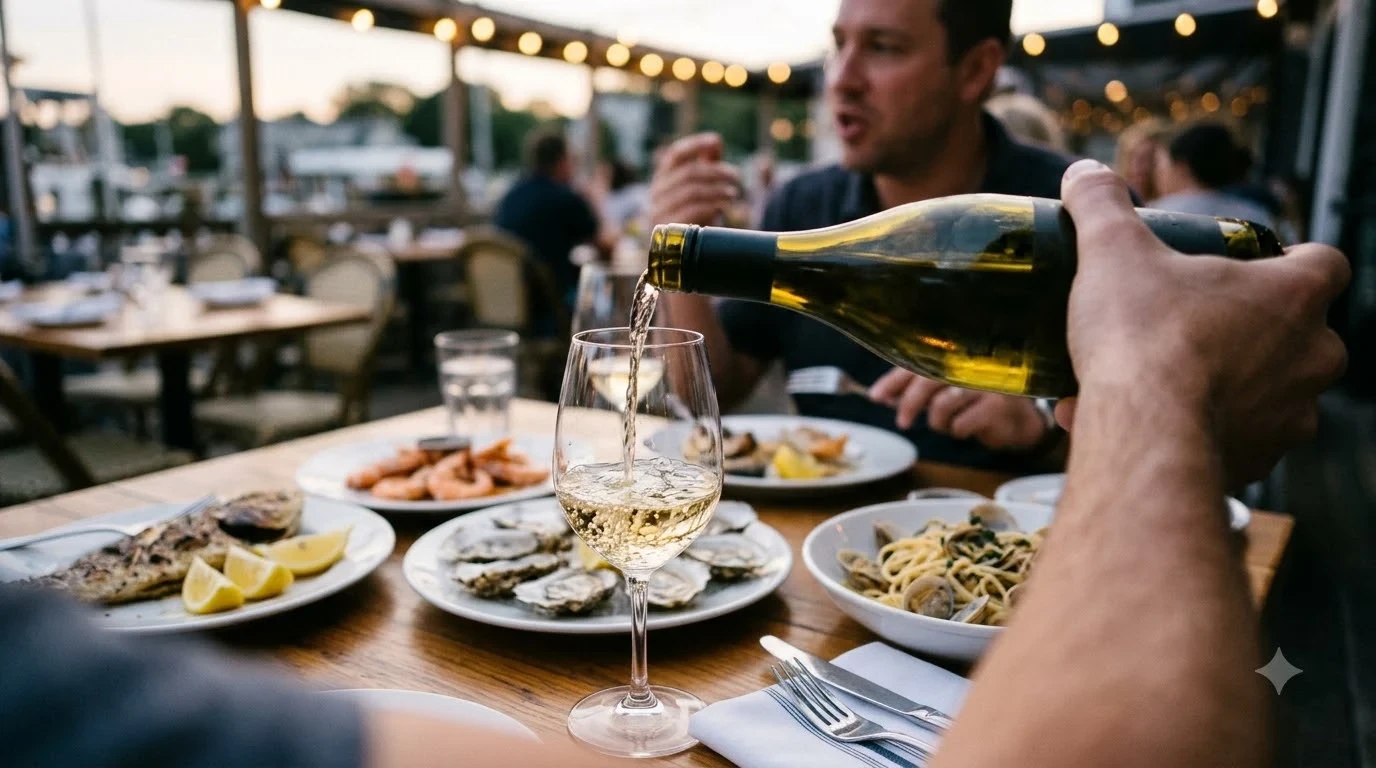
Airén pairs particularly well with light, uncomplicated foods that complement its gentle fruit flavors and moderate acidity. Seafood, salads, white fish, mild cheeses, and simple pasta dishes are all natural choices.
The grape’s relatively soft acidity makes it useful with foods that are not intensely acidic themselves. A dish with lemon, vinegar, or a sharp citrus dressing may require a wine with more pronounced acidity to maintain balance.
Airén’s approachable character also makes it suitable for appetizers and casual meals. It can be served with Spanish tapas, particularly dishes that emphasize vegetables, seafood, and mild flavors.
Seafood and fish
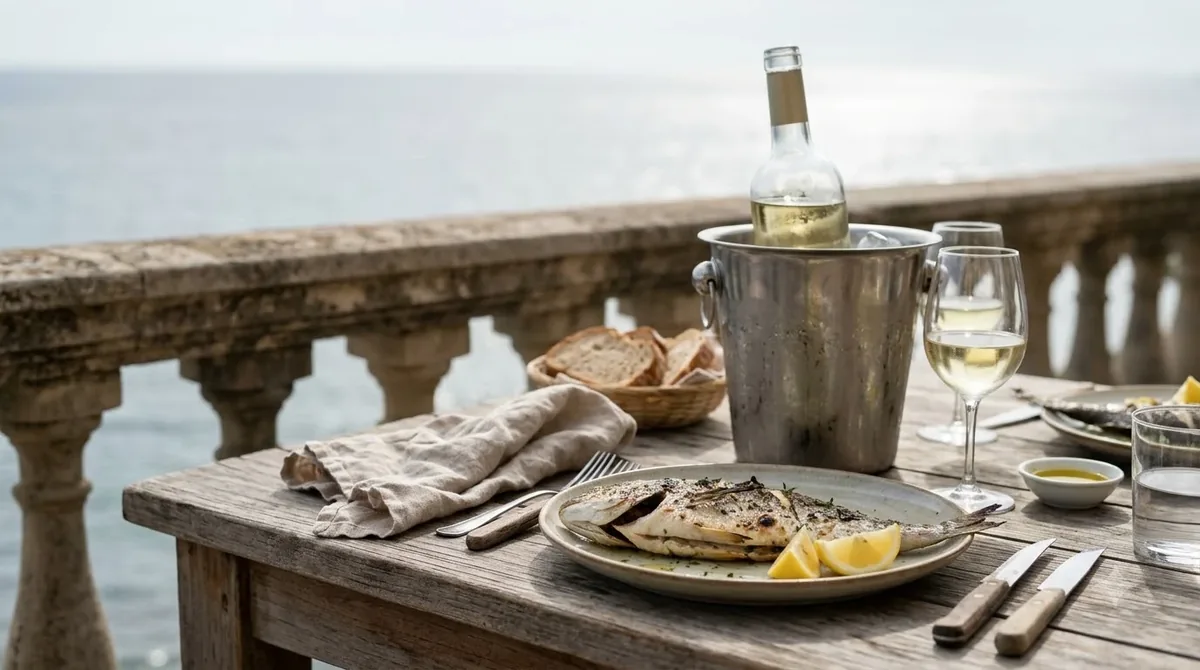
White fish is one of the most reliable pairings for Airén. Grilled cod, baked haddock, or simply prepared sea bass can complement the wine’s fruit character without overwhelming its relatively delicate structure.
Seafood dishes such as shrimp, mussels, and scallops can also work well. Preparation matters: a lightly seasoned seafood dish is more likely to complement Airén than one dominated by intense chili heat or a very sharp sauce.
Salads and vegetables
Fresh salads are another natural match. A salad with cucumber, leafy greens, mild cheese, and a gentle dressing can highlight the wine’s clean fruit profile.
Roasted vegetables, grilled zucchini, and vegetable-based pasta dishes can also work well. The wine’s moderate acidity and fruit character offer a pleasant contrast to the sweetness that develops in roasted vegetables.
Cheese and lighter meals
Mild cheeses such as fresh goat cheese, mozzarella, and young Manchego can pair nicely with Airén. Strong, aged cheeses may overpower the wine’s relatively gentle flavor profile.
For a simple meal, try Airén with pasta dressed in olive oil, garlic, and herbs. The wine can complement the dish without introducing excessive weight or intensity.
Food pairing is ultimately about balance. Airén’s moderate acidity and light body generally work best with dishes that are not too rich, intensely spicy, or aggressively acidic.
Airén Wine Compared With Other Spanish White Wines
Airén differs from other Spanish white grapes mainly in its aroma, acidity, and typical style. It is often softer and less intensely aromatic than varieties such as Albariño, Verdejo, or Sauvignon Blanc.
Spanish white wine includes a wide range of regional styles, from the crisp coastal wines of Galicia to the more restrained, fruit-focused whites of inland Spain. Airén belongs to the latter category, although individual producers can create different expressions.
| White grape | Typical acidity | Common flavor profile | General style |
|---|---|---|---|
| Airén | Moderate to low | Apple, grapefruit, banana | Soft, approachable, fruit-focused |
| Albariño | High | Citrus, peach, stone fruit | Fresh, aromatic, often mineral |
| Verdejo | Medium-high to high | Citrus, herbs, fennel | Fresh, aromatic, sometimes textured |
| Sauvignon Blanc | High | Citrus, herbs, green fruit | Bright, expressive, often crisp |
| Chardonnay | Medium | Apple, pear, citrus | Ranges from lean to full-bodied |
The table provides a general comparison rather than a strict rule. Climate, harvest timing, and winemaking can significantly influence the acidity and aroma of any white wine.
Airén’s relatively gentle acidity can be an advantage for drinkers who find some crisp white wines too sharp. Its fruit character is usually less intense than that of Sauvignon Blanc, making it a suitable option for those who prefer a more restrained aromatic profile.
Albariño, by contrast, is often associated with the coastal wine-growing areas of Galicia and typically offers more pronounced acidity. Verdejo is particularly associated with Rueda and often has a more expressive herbal and citrus character.
Chardonnay provides another useful comparison. Although its acidity is generally moderate, its body and flavor can vary widely depending on whether it is fermented or aged in stainless steel, oak, or other vessels. Airén is more commonly associated with a fresh, youthful style.
Readers interested in exploring more grapes and wine styles can browse our Wine by Type section for additional information.
Frequently Asked Questions
Is Airén wine sweet or dry?
Airén is usually made as a dry white wine. The grape can have ripe fruit aromas that suggest sweetness, but these aromas do not necessarily mean the wine contains significant residual sugar. Some specialty wines may be made in different styles, so sweetness depends on the producer and the finished wine.
What is the alcohol content of Airén wine?
Many Airén wines fall within an alcohol range of approximately 11.5% to 13.5% ABV. The final alcohol level depends on grape ripeness and fermentation. Airén intended for distillation is handled differently from wine bottled for direct consumption.
Can Airén wine be aged?
Most Airén wines are intended to be enjoyed young, when their fresh fruit aromas are most prominent. Some carefully made examples may develop additional complexity, but extended aging is not the usual goal for the grape. Producers may also use different methods to create sparkling or specialty wines with distinct aging characteristics.
Is Airén the same grape as Lairén?
Airén and Lairén are names associated with the same grape variety. Other regional names include Manchega and Forcayat. These names reflect the variety’s long history in Spain and its presence in different wine-growing areas.
Is Airén used to make brandy?
Yes. Airén has an important historical role in distillation, particularly in Spain. Its high productivity and adaptability have made it useful for producing wine destined for spirits, including brandy. The grape is also used to make still white wines and some sparkling wines.
Airén wine is a distinctive part of Spain’s white wine heritage, combining an approachable flavor profile with a remarkable ability to thrive in hot, dry vineyards. Its gentle fruit aromas, moderate acidity, and versatility make it a useful choice for everyday meals and casual wine occasions.
Whether enjoyed as a fresh young white, explored in a blend, or discovered through a sparkling bottling, Airén offers a rewarding introduction to the wines of Castilla-La Mancha. For anyone interested in Spanish wine beyond the familiar varieties, it is a grape well worth getting to know.
More in Wine Types & Grapes
 Zinfandel Sugar Content: Dry Red vs. White Zinfandel GramsUpdated Nov 21, 2026
 Best Zinfandel Substitute Options for Sipping and CookingUpdated Nov 21, 2026
 Zweigelt Food Pairing: Best Dishes, Cheeses, and Serving TipsUpdated Nov 21, 2026
 Zinfandel Tannins Explained: How Structure Shapes Every BottleUpdated Nov 21, 2026
 Zinfandel Sweetness Level: Dry Red vs. Sweet White Zin ExplainedUpdated Nov 21, 2026
 Xinomavro Food Pairing: Best Dishes, Styles, and Serving TipsUpdated Nov 21, 2026