

We may earn a commission when you buy through links on this page, at no extra cost to you. Learn more.
When figuring out how long to decant Nebbiolo, give most young bottles 1 to 2 hours in a decanter, while delicate bottles over 15 years old need just 15 to 30 minutes—or can be served straight from the bottle—to clear sediment without stripping fragile aromatics. Younger expressions from Barolo and Barbaresco often require up to 3 hours of air to soften their famously grippy tannins, whereas lighter everyday styles like Langhe Nebbiolo or Roero open up within 45 to 60 minutes. Because Nebbiolo is pale in color yet structurally massive, matching your aeration window to the bottle’s age and appellation prevents the wine from tasting either harshly astringent or prematurely flat.
Nebbiolo plays a unique trick on the senses: it pours with the translucent garnet hue of a light red, yet hits the palate with intense acidity and formidable tannin. Giving the wine the right amount of oxygen releases its signature aromas of dried rose petals, tart cherry, tar, and baking spice while smoothing out its austere edges.
What It Is and Why Nebbiolo Needs Air
Nebbiolo is a thin-skinned black grape variety indigenous to northern Italy that produces pale, high-acid, and intensely tannic red wines requiring careful oxygenation before serving. Decanting exposes the wine to air, which helps volatile fruit and floral compounds emerge while softening the sensation of astringency on the palate.
Unlike thick-skinned varieties that rely on deep pigment for structure, Nebbiolo packs massive concentrations of tannins and natural acidity into a light-colored frame. When a young bottle is first uncorked, those tannins bind tightly to salivary proteins, creating a drying, tongue-coating grip that can mask the grape’s delicate perfume. As oxygen interacts with the poured wine, harsh reductive notes blow off and complex aromatics—ranging from wild strawberry and red currant to anise and leather—step forward.
How much air a bottle can handle depends heavily on its lifecycle. While young, tightly wound reds rely on extended aeration to relax their structure, older wines have already polymerized their tannins slowly through the cork over many years. For an aged bottle, decanting shifts from an aeration tool into a practical method for separating fine, harmless sediment from the clear liquid before pouring.
Tip: Taste a small splash immediately after pulling the cork; if the wine smells tight and feels aggressively drying, pour it vigorously into a wide-bottomed decanter, but if it already smells expressive and floral, give it a much shorter rest.
Decanting Times by Style and Bottle Age
Determining how long to decant Nebbiolo comes down to two main factors: the wine’s regional classification and the number of years it has spent aging in the cellar. Lighter, early-drinking styles need under an hour, whereas youthful, age-worthy crus benefit from two to three hours of breathing room.
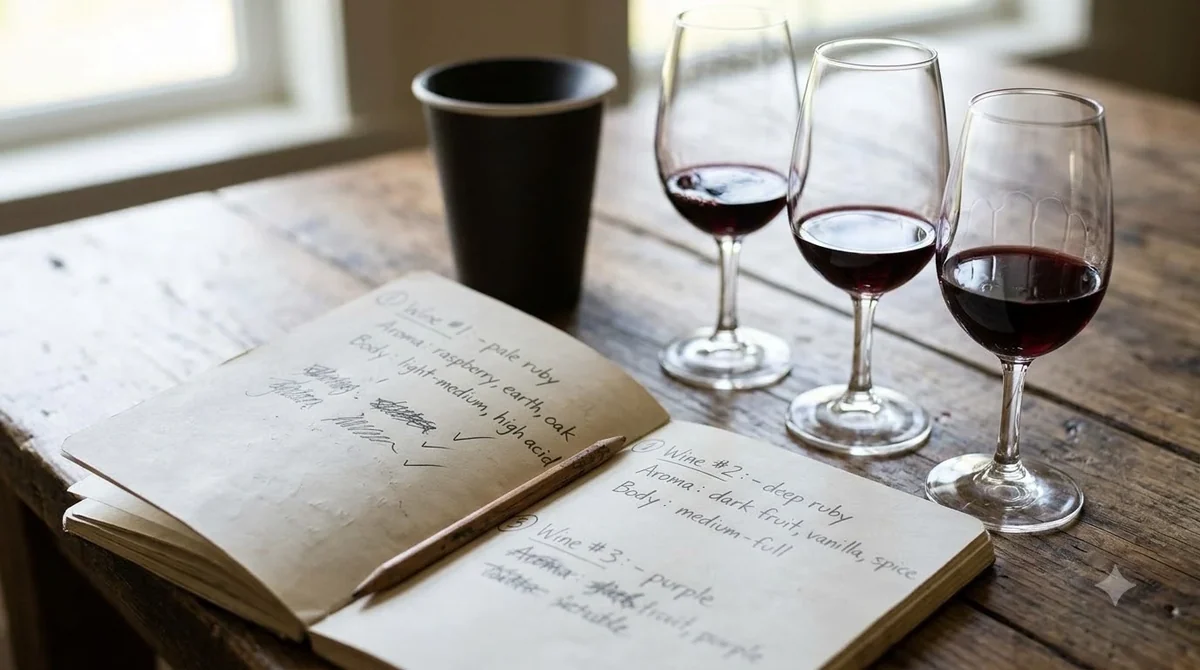
According to Wine Folly’s guide to Nebbiolo, most bottles fall comfortably into a 45-minute to 2-hour decanting window, though the exact sweet spot shifts based on aging laws and oak treatment. Entry-level Langhe Nebbiolo and Roero Rosso—which spend less time in wood and are crafted for earlier enjoyment—typically open up after 45 to 60 minutes. In contrast, a newly released Barolo or Barbaresco from a structured vintage can easily take 2 to 3 hours in a wide decanter before its fruit and floral notes balance out its firm tannic backbone.
Once a bottle passes the 15-year mark, extended exposure to oxygen becomes a liability rather than an asset. Writing for Decanter, Italian wine critic Kerin O’Keefe cautions against decanting mature Barolo altogether, warning that a sudden rush of air can flatten delicate tertiary aromas of dried rose, forest floor, tobacco, and camphor. If an older bottle has thrown heavy sediment, stand it upright for 24 hours, pour it slowly into a narrow vessel over a light source just 15 to 30 minutes before dinner, and enjoy its gradual evolution in the glass.
| Nebbiolo Style or Age | Recommended Decant Time | Primary Goal | Decanter Shape |
|---|---|---|---|
| Langhe Nebbiolo & Roero (1–5 years) | 45–60 minutes | Release bright red fruit and floral notes | Standard or medium-base |
| Young Barbaresco (3–8 years) | 1–2 hours | Soften mid-palate grip and open aromatics | Wide-base decanter |
| Young Barolo (4–10 years) | 2–3 hours | Tame assertive tannins and build harmony | Wide-base decanter |
| Mid-Age Barolo & Barbaresco (10–15 years) | 30–45 minutes | Gentle aeration and minor sediment check | Medium-base decanter |
| Mature Nebbiolo (15+ years) | 0–30 minutes | Sediment separation only; preserve bouquet | Narrow carafe or bottle |
Comparing Nebbiolo to other classic red grapes highlights why its timeline is so age-sensitive. If you are used to gauging how long to decant Cabernet Sauvignon, you will find that young Barolo demands a similar 2-hour aeration window, yet mature Nebbiolo turns far more fragile than aged Napa or Bordeaux blends. On the other end of the spectrum, understanding how long to decant Pinot Noir shows why you must treat older Nebbiolo gently—both grapes share thin skins and ethereal aromatics that fade quickly if over-aerated.
Flavor Profile and Regional Styles
Nebbiolo is celebrated for pairing soaring, perfume-like aromatics with a muscular palate of tart red fruit, savory earth, and firm grip. Depending on where the grapes are grown and how the wine is aged, its expression ranges from bright and approachable to deeply structured and cellar-worthy.
On the nose, classic Nebbiolo offers a distinctive mix of sour cherry, crushed raspberry, dried violets, rose petal, and blood orange peel, layered over savory undertones of licorice, leather, white truffle, and tar. Because the grape ripens late in the autumn—often harvested in October when morning fog blankets the hills—it retains crisp, mouthwatering acidity that keeps even the richest vintages feeling lively rather than heavy.
Stylistically, winemakers shape Nebbiolo through aging requirements and barrel choices. Traditional producers ferment the juice for weeks on the skins and mature the wine in large, neutral Slavonian oak casks, yielding austere wines that demand long decants in their youth. Modernist producers favor shorter macerations and smaller French oak barriques, producing rounder, darker-fruited wines that feel more supple right out of the gate and often need closer to an hour of air.
Where Nebbiolo Grows
Nebbiolo’s spiritual home is Piedmont in northwestern Italy, where rolling hillside vineyards and distinct soil compositions produce the world’s most benchmark bottles. While small plantings exist in California, Washington, Australia, and Mexico, the grape remains famously finicky outside its native Alpine foothills.
Within Piedmont, several key appellations define the grape’s character and aging potential:
- Barolo DOCG: Located southwest of Alba, Barolo produces the most powerful, long-lived Nebbiolo wines, legally aged for at least 38 months (with 18 months in wood) before release.
- Barbaresco DOCG: Situated northeast of Alba along the Tanaro River, Barbaresco’s slightly warmer microclimate yields wines with finer, more accessible tannins after 26 months of mandatory aging.
- Roero DOCG: Grown on sandy soils across the Tanaro River from Barolo, Roero Rosso requires at least 95% Nebbiolo and 20 months of aging, resulting in fragrant, softer wines ready to drink sooner.
- Langhe Nebbiolo DOC: A versatile regional designation covering wines made from younger vines or declassified Barolo and Barbaresco lots, offering bright fruit and moderate grip.
- Alto Piemonte and Valtellina: Cooler northern sub-regions—including Gattinara, Ghemme, and Lombardy’s terraced Valtellina—produce high-toned, mineral-driven Nebbiolo (locally called Spanna or Chiavennasca) with brisk acidity.
Soil differences across these zones directly influence your decanting strategy. Vineyards rooted in calcareous marl and dense clay produce broader, more tannic wines that welcome extra time in a decanter, while sandy sites yield lifted, aromatic bottles that blossom quickly in the glass.
How to Serve and Decant Nebbiolo Properly
Proper service brings out Nebbiolo’s full aromatic complexity by pairing the right decanting technique with cool cellar temperatures and large-bowled glassware. Serving the wine too warm or splashing an aged bottle can dull its floral lift and accentuate alcohol.
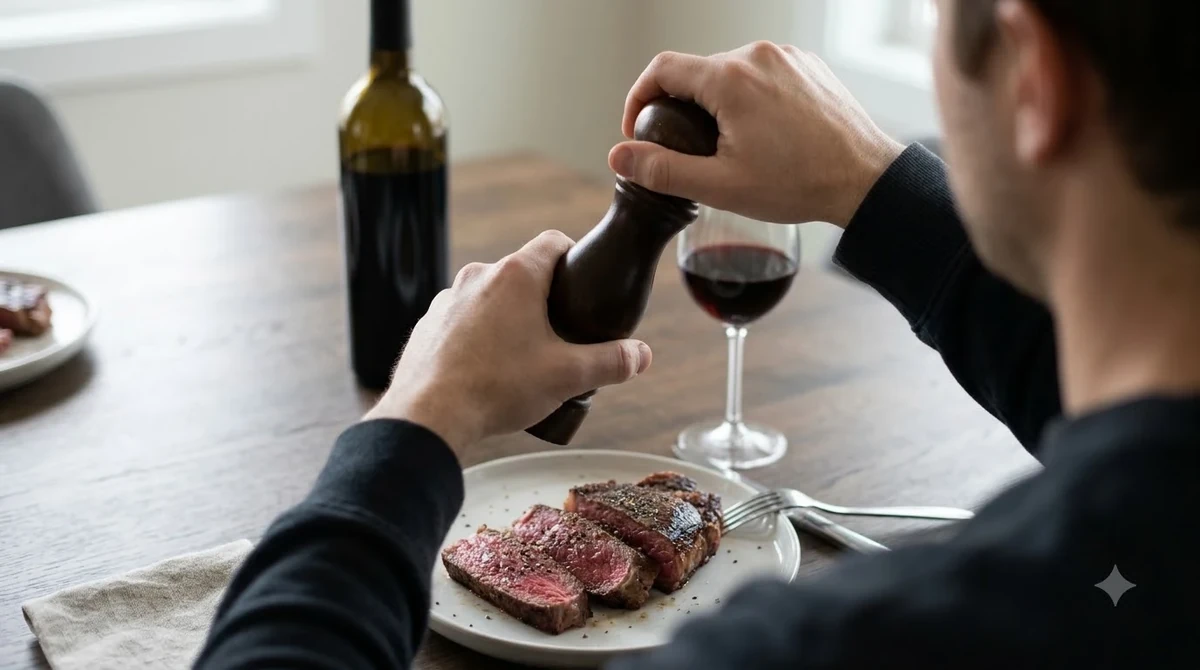
Before pouring, chill the bottle slightly so the wine sits between 55°F and 60°F (12°C to 15°C) for lighter styles, or 60°F to 65°F (15°C to 18°C) for structured Barolo and Barbaresco. Room temperature in most American homes is too warm for Nebbiolo, causing the alcohol to feel sharp and masking delicate rose and red-berry scents. For a young, sediment-free bottle, pour the wine steadily down the inside curve of a wide-bottomed decanter so the liquid spreads out thinly and absorbs oxygen evenly.
When handling a bottle older than 10 to 15 years, switch to a gentle sediment-separation pour. Stand the bottle upright for at least 24 hours so fine tartrate crystals and tannin deposits settle at the base. Pull the cork smoothly, hold a phone flashlight or small candle directly beneath the bottle’s neck, and pour in one slow, uninterrupted motion into a narrow decanter. Stop pouring the moment you see cloudy sediment approach the shoulder, leaving the final ounce behind in the bottle.
Once decanted, serve Nebbiolo in large, tulip-shaped Burgundy or aroma-collector wine glasses. The wide bowl gives the wine room to swirl and concentrates its volatile floral bouquet toward the rim. If you are exploring different wine styles by grape and body, you will notice that Nebbiolo benefits from the exact same generous glassware as grand cru Pinot Noir, even though its tannic grip rivals much darker reds.
Food Pairing Ideas
Nebbiolo’s combination of high acidity and assertive tannins makes it one of the most food-friendly red wines at the dinner table, thriving alongside rich, fatty, and umami-driven dishes. Protein and fat coat the palate and neutralize tannic astringency, making a moderately decanted wine taste noticeably smoother with food than on its own.
In its native Piedmont, Nebbiolo is traditionally paired with regional specialties such as tajarin pasta tossed with butter and shaved white truffles, braised beef (brasato al Barolo), and aged Castelmagno or Parmigiano-Reggiano cheese. The wine’s savory leather and earth notes mirror the depth of wild mushroom risotto, roasted duck, herb-crusted rack of lamb, and slow-cooked pork ragù.
Avoid pairing young Nebbiolo with overly spicy dishes, sugary glazes, or delicate white fish. Fiery capsaicin amplifies the wine’s alcohol and tannic bite, while sweet sauces make its crisp acidity taste sour. If your dinner features rich, savory braises, you can comfortably cut 30 minutes off your decanting time because the fat in the meal will soften the wine’s grip naturally.
Frequently Asked Questions
Can you over-decant Nebbiolo?
Yes, especially if the bottle is more than 12 to 15 years old. Extended exposure to oxygen causes mature Nebbiolo’s delicate tertiary aromas of dried rose, truffle, and spice to evaporate, leaving the wine tasting flat, sharp, and overly acidic within an hour or two.
Do you need to decant Langhe Nebbiolo?
Langhe Nebbiolo does not strictly require a decanter, though giving a young bottle 45 to 60 minutes of air helps smooth out its youthful tannins and brighten its red cherry fruit. If you are short on time, pouring it into a large Burgundy glass and swirling for 15 minutes achieves a similar effect.
Should you use a wine aerator on Nebbiolo?
A pour-through aerator works well as a weeknight shortcut for young, sediment-free Langhe Nebbiolo or entry-level Barbaresco, mimicking roughly 30 to 45 minutes of decanting. Never use an aerator on aged Barolo or bottles over 10 years old, as the violent agitation stirs up fine sediment and strips away fragile aromatics.
How long does Nebbiolo last after being decanted?
Young, structured Nebbiolo holds up remarkably well and often tastes delicious for 6 to 12 hours after decanting—and sometimes even improves the next day if funnelled back into the bottle, corked, and refrigerated. Mature bottles over 15 years old should be finished within 1 to 2 hours of opening before their fruit fades.
Treating decanting as a flexible tasting tool rather than a rigid stopwatch rule lets you catch Nebbiolo at its peak. Start with an hour or two for youthful bottles, keep mature vintages brief and gentle, and check the wine periodically as it opens in the glass.
More in Wine Types & Grapes
 Zinfandel Sugar Content: Dry Red vs. White Zinfandel GramsUpdated Nov 21, 2026
 Best Zinfandel Substitute Options for Sipping and CookingUpdated Nov 21, 2026
 Zweigelt Food Pairing: Best Dishes, Cheeses, and Serving TipsUpdated Nov 21, 2026
 Zinfandel Tannins Explained: How Structure Shapes Every BottleUpdated Nov 21, 2026
 Zinfandel Sweetness Level: Dry Red vs. Sweet White Zin ExplainedUpdated Nov 21, 2026
 Xinomavro Food Pairing: Best Dishes, Styles, and Serving TipsUpdated Nov 21, 2026