

We may earn a commission when you buy through links on this page, at no extra cost to you. Learn more.
If you are wondering how long to decant merlot, most bottles reach their peak after 30 to 60 minutes in a decanter. Everyday, medium-bodied Merlots usually open up in about 30 minutes, while younger, oak-aged, or Right Bank Bordeaux styles benefit from a full 60 minutes of air. Mature bottles over 10 to 15 years old need only a gentle 15- to 20-minute pour to separate sediment before serving.
Because Merlot sits right between silky reds and powerhouse bottles in tannin structure, it responds quickly to oxygen without falling apart easily. Understanding how style, climate, and bottle age change that window helps you pour every glass at its most expressive moment.
What Decanting Does to Merlot
Exposing Merlot to oxygen softens its grip on the palate and releases trapped fruit and spice aromas. Two main reactions happen inside the vessel: controlled oxidation and the evaporation of volatile compounds.
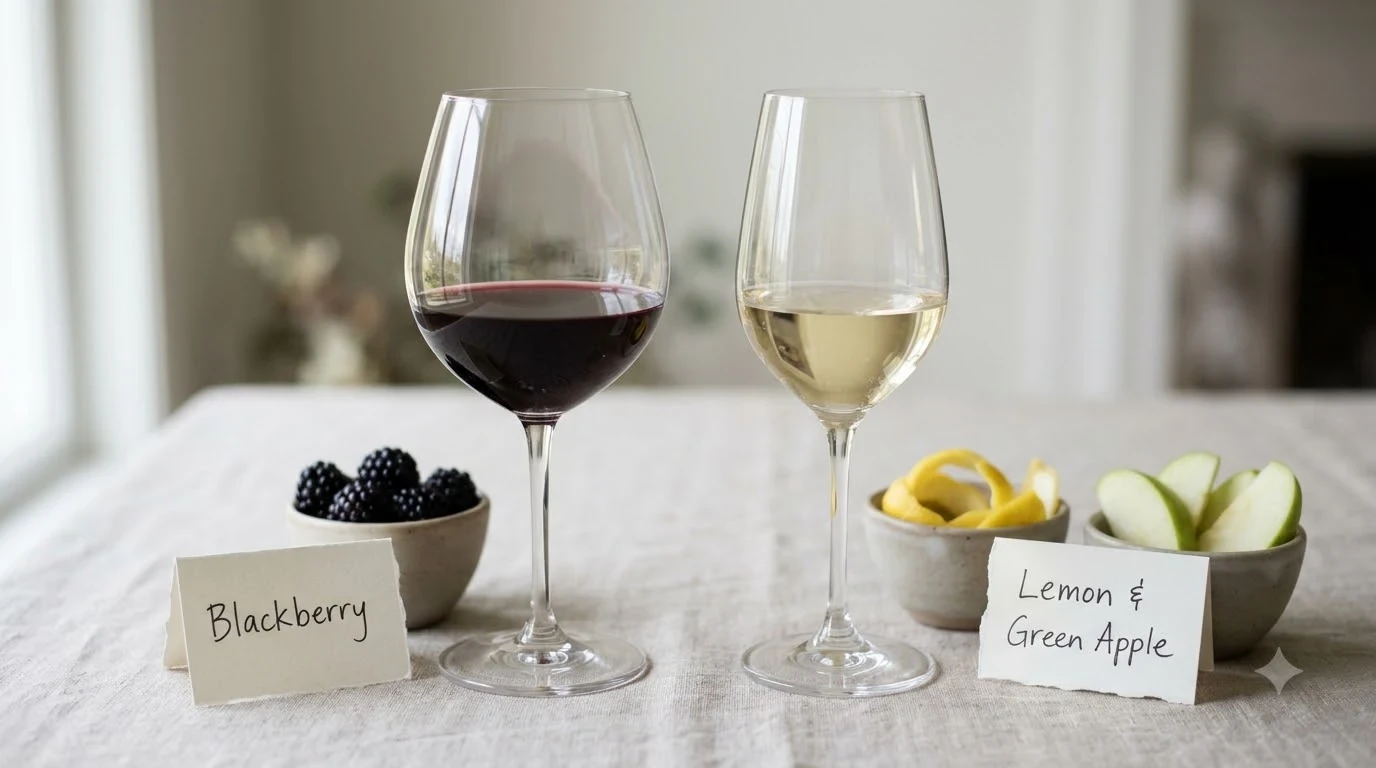
When a young red sits sealed under cork or screwcap, sulfur-based compounds can make the first pour smell muted, tight, or slightly like a struck match. Giving the wine room to breathe lets those reductive notes blow off while encouraging primary aromas of black cherry, plum, and cocoa to rise out of the glass.
At the same time, oxygen interacts with phenolic compounds and tannins, making the mouthfeel rounder and less astringent. According to Wine Folly’s decanting guide, medium-bodied reds like Merlot typically hit that sweet spot between 30 and 60 minutes, whereas bolder varieties take longer to mellow.
Decanting Times by Merlot Style and Age
Not every bottle of Merlot carries the same weight, tannin load, or oak influence, so your ideal wait time depends heavily on what is inside the bottle. Use the table below to match your bottle’s profile to the right aeration window.
| Merlot Style or Age | Recommended Decant Time | Primary Goal | Pouring Technique |
|---|---|---|---|
| Light-bodied or everyday Merlot (under 3 years) | 20 to 30 minutes | Blow off tight, closed aromas and lift fresh red fruit | Standard steady pour into a medium or wide decanter |
| Full-bodied New World Merlot (Napa, Washington State) | 45 to 60 minutes | Soften firm oak tannins and integrate alcohol warmth | Vigorous splash pour to maximize early oxygen contact |
| Young Right Bank Bordeaux (Saint-Émilion, Pomerol) | 60 to 90 minutes | Release layered dark plum, earth, and savory spice notes | Steady pour into a wide-base decanter; taste at 60 minutes |
| Mature Merlot (10 to 15 years old) | 20 to 30 minutes | Separate fine sediment while preserving aged bouquet | Slow, gentle pour over a light source; drink promptly |
| Old vintage Merlot (15+ years) | 10 to 20 minutes (or just before serving) | Remove heavy deposit without flattening fragile aromatics | Very slow pour from an upright bottle; serve immediately |
Climate plays a major role in where your bottle falls on this chart. Cooler growing regions produce Merlots with brighter acidity and medium tannins that wake up in half an hour, while warmer regions like Napa Valley or Columbia Valley yield riper, denser wines that appreciate an extra 30 minutes of air.
If you are comparing cellar staples across Wine by Type, Merlot almost always requires less patience than structured reds. For example, deciding how long to decant cabernet sauvignon usually involves planning for one to two hours, while Merlot delivers its best texture in half that time.
Step-by-Step Guide to Decanting Merlot
Proper technique ensures you aerate a young bottle thoroughly without disturbing sediment in an older one. Follow these steps from storage rack to table for consistent results.
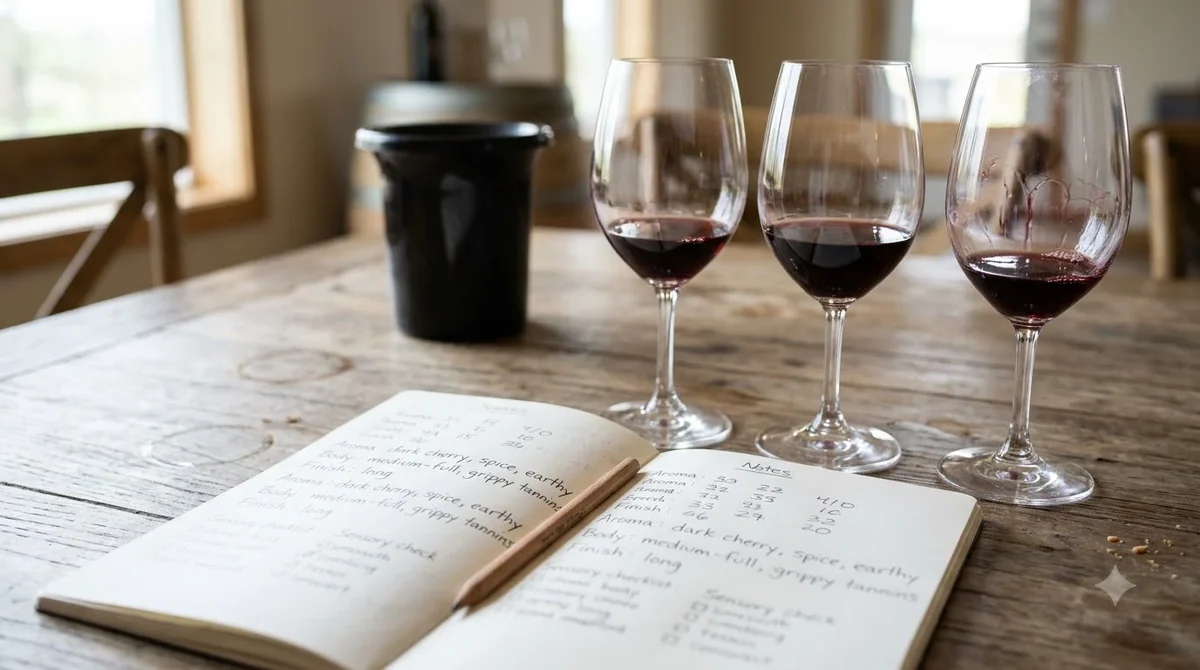
Start by checking the age of your bottle before you pull the cork. If the wine is more than eight to ten years old, stand the bottle upright for at least 12 to 24 hours ahead of dinner so any fine sediment settles cleanly to the base. Younger bottles kept on their side can be opened right away without extra prep.
Once the cork is out, match your pour to the bottle’s age. For a youthful, tightly wound Merlot, tilt the bottle decisively so the wine splashes against the inside wall of a wide-bottomed decanter, creating instant surface area. For an older vintage, shine a small flashlight or phone light beneath the neck of the bottle and pour in one slow, unbroken stream, stopping the moment you see cloudy sediment reach the shoulder.
Tip: Don’t own a decanter? Pour your Merlot into a clean glass pitcher or swirl a generous pour in an oversized Bordeaux glass for 10 to 15 minutes to mimic a short decant.
Serving Temperature and Glassware
Even a perfectly decanted Merlot can taste flat or overly warm if it sits on a hot kitchen counter for an hour. Keeping temperature and glass shape in check preserves the wine’s fresh fruit core while it breathes.
According to Wine Folly’s Merlot serving guide, the ideal serving temperature for Merlot is 60 to 68°F (15 to 20°C). Because standard room temperature in many American homes hovers around 70 to 72°F, leaving a decanter near a warm stove or sunny window can push the wine too warm and make the alcohol feel sharp.
If your room is warm, place the bottle in the refrigerator for 15 minutes before decanting, or set the filled decanter in a cool pantry while you wait. When it is time to pour, choose an oversized red wine glass with a broad bowl; the wide rim directs air onto the surface of the wine and concentrates its plummy, spiced aromatics toward your nose.
Signs Your Merlot Is Ready—or Over-Decanted
Timers are useful starting points, but tasting small sips along the way is the most reliable way to catch a wine at its peak. Because every vintage ages at its own pace, your palate will tell you when to stop waiting.
Pour a one-ounce taste right after transferring the wine to establish a baseline. A closed Merlot will feel sharp on the gums, smell faintly of damp earth or alcohol rather than fruit, and finish abruptly. Check again at the 30-minute mark: once the wine is ready, the aroma turns noticeably sweeter and more fragrant, and the mid-palate feels plush and velvety.
Leaving a decanted Merlot out too long reverses those gains. After three to four hours—or within an hour for a delicate 15-year-old bottle—oxygen strips away bright cherry and plum notes, leaving the wine dull, sour, or watery. If you are planning around bottle longevity rather than aeration, review how long does merlot last unopened to keep future bottles in prime condition before they ever meet a decanter.
Frequently Asked Questions
Should you decant inexpensive everyday Merlot?
Yes, a quick 20- to 30-minute decant often improves budget-friendly Merlot noticeably. Affordable bottles frequently trap slight sulfur or oak aromas under the cork, and half an hour of air lets the fresh berry and plum flavors shine through.
Can you leave Merlot in a decanter overnight?
No, leaving Merlot open in a wide decanter overnight exposes it to too much oxygen and turns the flavors flat and vinegary by morning. If you have leftovers after dinner, funnel the wine back into the original bottle, recork it tightly, and store it in the refrigerator for up to two days.
Is it better to decant Merlot or use an inline aerator?
An inline aerator works well for young, sturdy Merlots when you want to pour a glass immediately without waiting 30 minutes. However, you should always use a traditional decanter rather than an aerator for bottles older than eight to ten years so you do not stir up bitter sediment.
How does decanting Merlot compare to decanting Pinot Noir?
Merlot generally handles longer air exposure than Pinot Noir because Merlot has thicker skins, deeper color, and firmer tannins. While Merlot thrives with 30 to 60 minutes in a decanter, checking how long to decant pinot noir usually calls for a shorter 20- to 30-minute window to protect its delicate floral aromas.
Matching your decanting time to the weight and age of the bottle takes the guesswork out of serving Merlot. Give everyday bottles 30 minutes, grant structured young vintages a full hour, and handle mature cellar treasures with a gentle pour right before dinner.
More in Wine Types & Grapes
 Zinfandel Sugar Content: Dry Red vs. White Zinfandel GramsUpdated Nov 21, 2026
 Best Zinfandel Substitute Options for Sipping and CookingUpdated Nov 21, 2026
 Zweigelt Food Pairing: Best Dishes, Cheeses, and Serving TipsUpdated Nov 21, 2026
 Zinfandel Tannins Explained: How Structure Shapes Every BottleUpdated Nov 21, 2026
 Zinfandel Sweetness Level: Dry Red vs. Sweet White Zin ExplainedUpdated Nov 21, 2026
 Xinomavro Food Pairing: Best Dishes, Styles, and Serving TipsUpdated Nov 21, 2026