

We may earn a commission when you buy through links on this page, at no extra cost to you. Learn more.
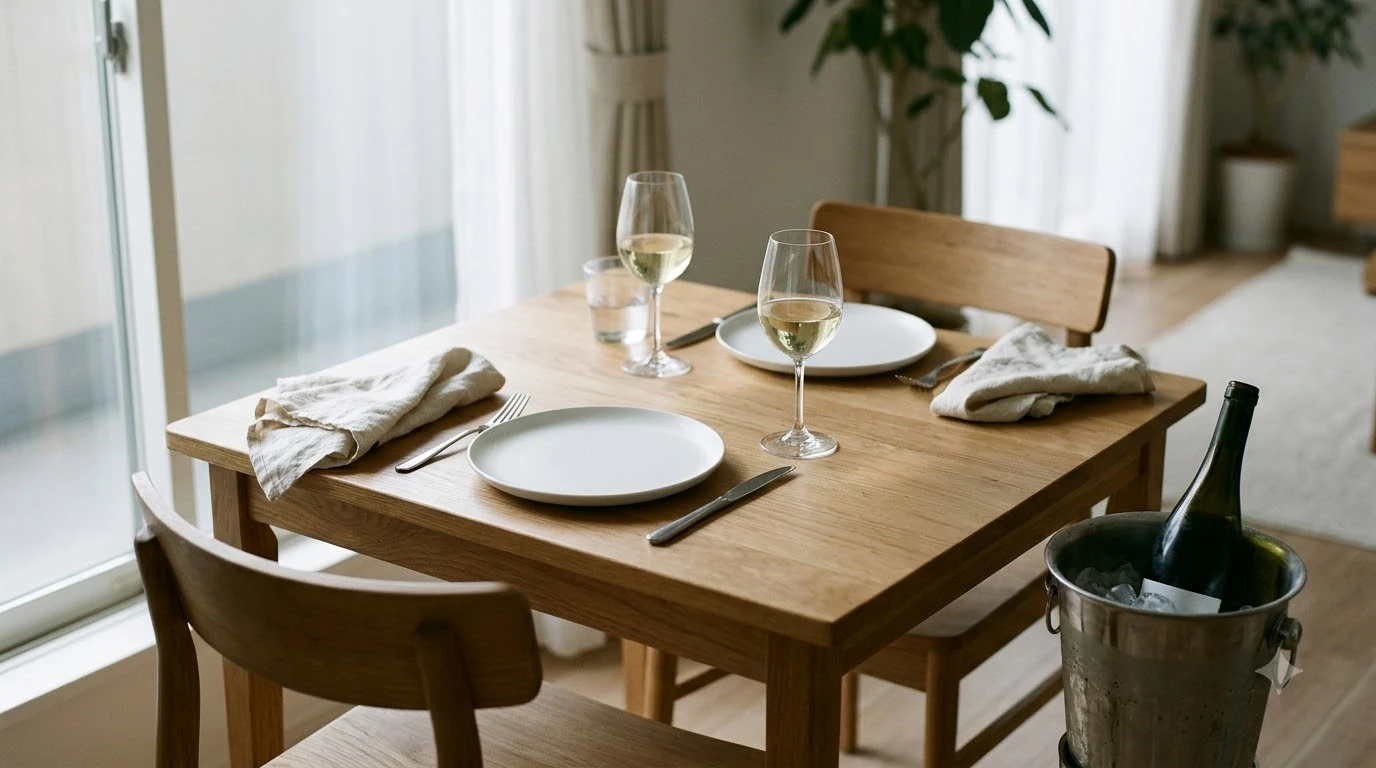
If you are wondering how long does white zinfandel last after opening, an opened bottle stays fresh for 3 to 5 days—and sometimes up to 7 days—when tightly resealed and stored upright in the refrigerator. Left uncorked at room temperature, its delicate strawberry and melon aromas flatten within 24 hours. Because white zinfandel is a light, sweet blush wine with low alcohol and minimal tannins, cold temperatures and an airtight seal are essential to slow down oxidation.
That sweet spot between three and seven days depends heavily on how much wine remains in the bottle and how quickly you chill it after pouring. Understanding how residual sugar, acidity, and oxygen interact inside the glass helps you get the most out of every pour without wasting half a bottle.
What White Zinfandel Is and Why Its Shelf Life Varies
White zinfandel is a blush rosé made from red zinfandel grapes using brief skin contact and arrested fermentation, which leaves behind noticeable residual sugar and low alcohol. Unlike dry red zinfandel, it lacks heavy tannins to buffer against oxygen, yet its sweetness helps preserve fruit character slightly longer than bone-dry rosés.
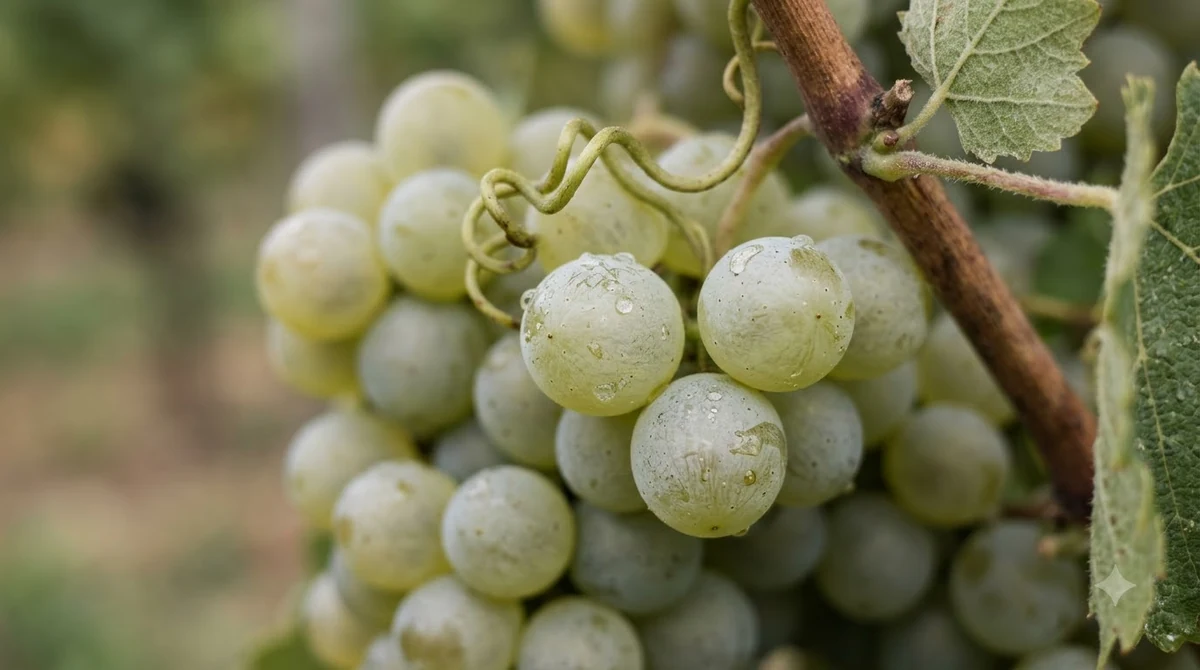
Winemakers produce white zinfandel by pressing red zinfandel grapes and separating the juice from the skins early, giving the wine its signature pale pink hue. Fermentation is then stopped before yeast consumes all the natural grape sugars, resulting in a light-bodied, off-dry to sweet wine that typically sits around 8 to 10 percent ABV.
From a preservation standpoint, those stylistic traits pull in two different directions. On one hand, the absence of oak aging and skin tannins means white zinfandel has very little natural antioxidant protection compared to full-bodied reds. On the other hand, its residual sugar and bright, early-harvest acidity act as mild preservatives that hold the wine together a day or two longer than crisp, dry Pinot Grigio or Provence-style rosé.
Shelf Life Timeline by Storage Method
How you store an opened bottle determines whether your white zinfandel tastes lively on day five or flat by tomorrow afternoon. According to Wine Folly’s open bottle storage guide, sweet white and rosé wines typically remain drinkable for 5 to 7 days in the fridge with a proper cork, though fruit vibrancy softens after the first day.
| Storage Method | Expected Shelf Life | Best Practice | Flavor Impact |
|---|---|---|---|
| Refrigerator with original cork or screw cap | 3 to 5 days (up to 7 days) | Reseal immediately after pouring and store upright | Gradual softening of bright berry notes after day 2 |
| Refrigerator with vacuum pump stopper | 5 to 7 days | Pump out excess air until resistance clicks | Preserves crisp acidity and melon aromas longer |
| Kitchen counter at room temperature (resealed) | 1 to 2 days | Keep away from sunlight and stove heat | Rapid loss of freshness; turns cloying and flat |
| Uncorked at room temperature | Under 24 hours | Not recommended for overnight storage | Dull color, muted fruit, and sharp sour notes |
| Bag-in-box packaging (refrigerated) | Up to 3 to 4 weeks | Keep spout clean and store inside the fridge | Collapsible bag blocks oxygen exposure |
Standard kitchen refrigerators maintain temperatures around 37 to 40 degrees Fahrenheit, which dramatically slows the chemical reactions between oxygen and wine compounds. Always place the bottle upright on a fridge shelf rather than on its side. Standing the bottle up minimizes the surface area of wine exposed to the trapped air pocket inside the neck.
If you prefer boxed white zinfandel, the timeline stretches considerably because the internal bladder collapses as you dispense each glass. Wine Folly notes that bag-in-box wines create an anaerobic environment that keeps wine fresh for several weeks, though you should still finish it within a month before plastic packaging regulations and slow permeation affect flavor.
What Happens to White Zinfandel After You Pull the Cork
The moment you twist off a screw cap or pull a cork, oxygen rushes into the bottle and initiates oxidation. While brief aeration helps bold red wines open up, white zinfandel is built around fragile primary fruit esters that degrade steadily when exposed to air.
During the first 24 hours in the refrigerator, an opened bottle tastes nearly identical to a freshly poured glass. Bright notes of strawberry, watermelon, and candied citrus remain crisp and balanced against the wine’s gentle sweetness. By day two or three, those top-note aromatics begin to fade, leaving the residual sugar feeling slightly heavier on the palate.
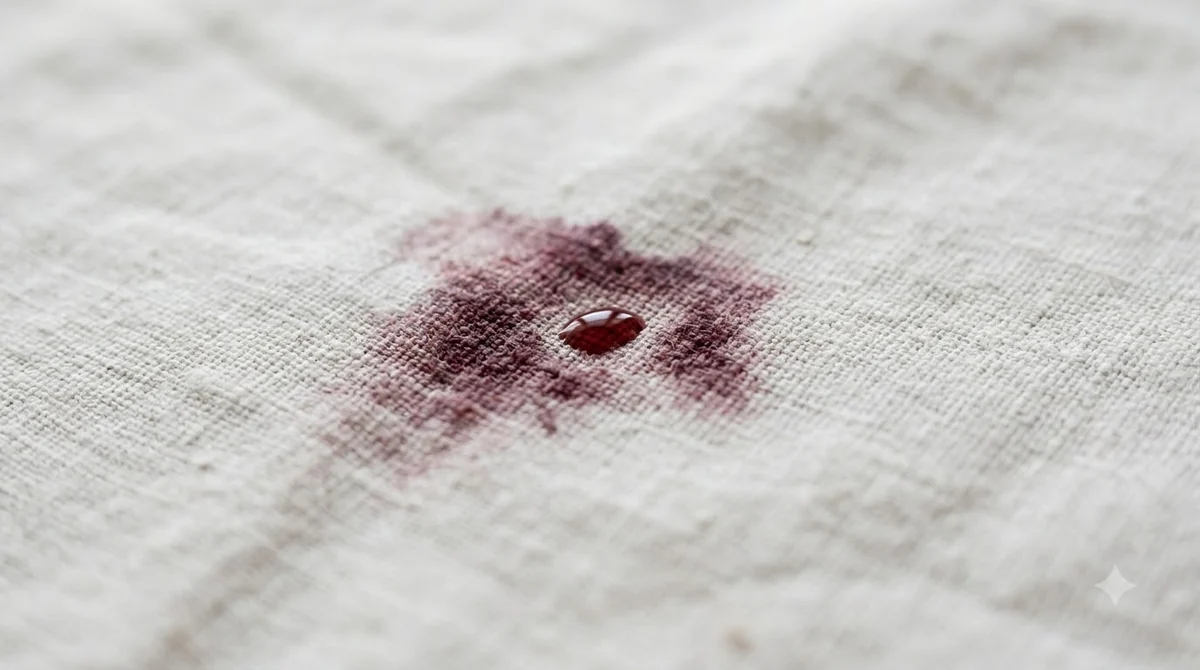
Between days four and seven, continued oxygen exposure converts small amounts of ethanol into acetaldehyde and eventually acetic acid. Reviewers at Decanter point out that sweet wines are surprisingly resilient in the fridge compared to dry whites, yet even chilled bottles eventually lose their aromatic lift. Once the acidity drops away and the sweetness feels syrupy rather than refreshing, the wine has passed its peak drinking window.
Tip: If you know you will only drink one glass at a time, pour the remaining white zinfandel into a clean 375 ml half-bottle and cap it tightly. Eliminating empty headspace inside the bottle can add two extra days of fresh flavor.
How to Spot Spoiled White Zinfandel
Spoiled white zinfandel will not make you sick, because alcohol and acidity prevent harmful pathogens from growing, but it will taste unpleasant. A quick visual, aromatic, and taste check tells you immediately whether a bottle is still worth pouring.
Start by examining the color in a clear glass against a white background. Fresh white zinfandel displays a bright salmon, coral, or pale pink tint. As oxidation progresses past its prime, the pink pigments break down and shift toward a dull brownish-orange or murky onion-skin shade.
Next, swirl the glass and take a short sniff before sipping. Healthy white zinfandel smells like fresh red berries and melon, whereas an oxidized bottle gives off flat aromas of bruised apples, stewed fruit, wet cardboard, or sharp vinegar. If you notice any fizzy bubbles in a still bottle accompanied by a yeasty odor, the residual sugar has started refermenting, and it is time to pour the rest down the sink.
Best Ways to Store and Serve Leftover White Zinfandel
Extending the life of an open bottle comes down to controlling two variables: temperature and air contact. Resealing the bottle between pours rather than leaving it uncorked on the table while you eat prevents hours of unnecessary warm oxidation.
If your bottle came with a screw cap, twist it back on firmly until it locks. For natural or synthetic corks, insert the clean end back into the neck, or use an expanding rubber wine stopper that creates a tighter seal. Vacuum pump stoppers work well on still blush wines too; according to Decanter’s wine storage advice, vacuum systems typically add one to two extra days of life compared to a standard cork.
When you are ready to pour a leftover glass, serve it well-chilled. Wine Folly recommends serving rosé and light-bodied wines between 44 and 55 degrees Fahrenheit, while producer guidelines for white zinfandel commonly target 45 to 50 degrees Fahrenheit. Straight out of a standard kitchen fridge, let the glass sit on the counter for five to ten minutes so the chill softens just enough to release its berry aromas.
How White Zinfandel Compares to Other Opened Wines
Different styles across the broader spectrum of wine by type age at vastly different speeds once uncorked. Sugar, alcohol strength, carbonation, and skin tannins all dictate how long a bottle survives in your fridge.
Compared to sparkling rosé or Prosecco, which go flat within 1 to 3 days even with a specialized sparkling stopper, still white zinfandel gives you roughly double the drinking window. It also outlasts delicate, bone-dry whites like Pinot Grigio and Sauvignon Blanc by a day or two because its residual sugar buffers subtle oxidation.
On the other end of the spectrum, higher-sugar and fortified styles hold up far longer. If you are curious about how long dessert wine lasts after opening, rich late-harvest bottles often stay fresh for a week or two in the fridge. Similarly, oxidative fortified styles have extreme longevity—guides on how long Madeira lasts after opening show it can remain delicious for months—while skin-contact bottles explored in how long orange wine lasts after opening rely on phenolic tannins to last around 3 to 5 days.
Frequently Asked Questions
Can you drink white zinfandel after 7 days in the fridge?
You can safely drink white zinfandel after 7 days in the refrigerator as long as it was tightly sealed, though its bright fruit flavors will likely taste muted. Smell and taste a small splash first to check for flat, sour, or vinegary notes. If the aromas have faded but it does not taste like vinegar, you can still use it in cooking or sangria.
Does white zinfandel need to be refrigerated after opening?
Yes, white zinfandel should always be refrigerated immediately after opening. Cold temperatures slow down oxidation and keep the wine’s natural sweetness balanced by preserving crisp acidity. Leaving an open bottle at room temperature causes its delicate berry aromas to flatten within 24 to 48 hours.
Why does white zinfandel last slightly longer than dry rosé?
White zinfandel contains noticeable residual sugar left over from arrested fermentation, whereas dry rosé is fermented until almost no sugar remains. Sugar acts as a mild preservative that helps mask early signs of oxidation and keeps the wine tasting rounded for an extra day or two. Both styles still require an airtight seal and cold storage to reach their full 5-to-7-day window.
What can you do with leftover white zinfandel that is past its prime?
If your open white zinfandel has lost its crispness after five or six days, turn it into a chilled fruit sangria with sliced strawberries, peaches, and club soda. You can also splash it into pan sauces for chicken or pork, poach pears in it, or freeze it in ice cube trays for future wine spritzers. Only discard the bottle if it smells distinctly like vinegar or nail polish remover.
Keeping white zinfandel fresh comes down to simple habits: cork it right after pouring, stand it upright in the coldest part of your fridge, and finish it within five days for peak flavor. Treated well, every glass will retain the bright strawberry, melon, and crisp citrus notes that make this classic blush wine so easy to enjoy.
More in Wine Types & Grapes
 Zinfandel Sugar Content: Dry Red vs. White Zinfandel GramsUpdated Nov 21, 2026
 Best Zinfandel Substitute Options for Sipping and CookingUpdated Nov 21, 2026
 Zweigelt Food Pairing: Best Dishes, Cheeses, and Serving TipsUpdated Nov 21, 2026
 Zinfandel Tannins Explained: How Structure Shapes Every BottleUpdated Nov 21, 2026
 Zinfandel Sweetness Level: Dry Red vs. Sweet White Zin ExplainedUpdated Nov 21, 2026
 Xinomavro Food Pairing: Best Dishes, Styles, and Serving TipsUpdated Nov 21, 2026