

We may earn a commission when you buy through links on this page, at no extra cost to you. Learn more.
How long does sweet red wine last unopened depends on its style, with everyday sweet red blends lasting 1 to 3 years, frizzante reds like Lambrusco and Brachetto keeping 1 to 2 years, and fortified or dried-grape sweet reds like Port and Recioto lasting 10 to 50 years or more. Residual sugar, alcohol level, tannin structure, and storage temperature determine whether a sealed bottle stays vibrant or flattens prematurely. Stored in a cool, dark spot around 55°F (13°C), most supermarket sweet reds hold their bright fruit character for a couple of years past bottling, whereas cellar-worthy dessert reds improve for decades.
Because “sweet red wine” covers everything from low-alcohol, lightly sparkling Italian bottles to richly fortified Portuguese classics and off-dry American red blends, there is no single expiration date printed on the label. Understanding which category your bottle falls into makes it easy to know whether to open it this weekend or tuck it away on a dark rack for a future celebration.
Shelf Life Breakdown by Sweet Red Wine Style
Not all sweet reds are built with the same preservative chemistry, so their unopened lifespans vary dramatically across styles. Everyday table bottles rely on fresh fruit flavors meant for early drinking, while fortified and passito-style dessert reds pack high sugar, alcohol, and extract that shield the wine for decades.
At the shorter end of the spectrum sit lightly sparkling, low-alcohol Italian reds such as Brachetto d’Acqui and sweet Lambrusco. As VinePair’s guide to sweet red blends explains, winemakers craft these styles by halting fermentation early to retain natural grape sugar, resulting in lower alcohol and lively carbonation. Because their appeal centers on fresh berry aromatics and gentle fizz, they are best enjoyed within 1 to 2 years of release before the bubbles soften and the fruit fades.
Popular off-dry and semi-sweet red blends—often made from Zinfandel, Merlot, or Shiraz with noticeable residual sugar—fall into the standard everyday red window of 1 to 3 years unopened. While a touch of sweetness softens astringency, these bottles rarely carry the firm tannins or high acidity needed for long-term evolution. Similarly, if you buy sweet red wine in flexible bag-in-box packaging rather than glass, oxygen slowly permeates the bladder over time, which is why how long does boxed wine last unopened typically maxes out at several months to a year.
At the opposite extreme are concentrated dessert reds and fortified wines. Dried-grape wines such as Italy’s Recioto della Valpolicella concentrate natural sugars and acids by dehydrating harvested bunches, allowing unopened bottles to age gracefully for 25 to 50 years according to Wine Folly’s age-worthy wine guide. Fortified sweet reds—including Vintage Port, Late Bottled Vintage (LBV) Port, and French Vin Doux Naturel styles like Banyuls and Maury—are spiked with grape spirit during fermentation, giving them high alcohol alongside rich sugar that preserves unopened bottles from 15 years to well over half a century.
| Sweet Red Wine Style | Examples | Unopened Shelf Life (Stored Well) | Key Preservation Factor |
|---|---|---|---|
| Lightly Sparkling Sweet Red | Brachetto d’Acqui, Sweet Lambrusco | 1 to 2 years | Halted fermentation; best while fizz and primary fruit are fresh |
| Off-Dry / Semi-Sweet Red Blends | Sweet Zinfandel blends, Rosso Dolce | 1 to 3 years | Moderate alcohol and softer tannins built for early drinking |
| Sweet Fruit & Concord Reds | Concord grape wine, sweet berry reds | 1 to 2 years | High aromatic fruit esters that dull quickly with age |
| Dried-Grape Dessert Reds | Recioto della Valpolicella | 25 to 50 years | Concentrated residual sugar, extract, and natural acidity |
| Ruby & LBV Port | Ruby Port, Late Bottled Vintage Port | 10 to 25 years (unfiltered LBV longest) | Fortified alcohol level plus dense berry tannins |
| Vintage Port & Vin Doux Naturel | Vintage Port, Banyuls, Maury | 30 to 100 years | High alcohol, high residual sugar, and strong phenolic structure |
Why Sugar, Alcohol, and Tannins Extend Shelf Life
A wine’s ability to survive years inside a sealed bottle comes down to four natural preservatives working together: sugar, alcohol, acidity, and tannins. When present in high concentrations, these compounds slow down oxidation and protect against microbial spoilage.
Residual sugar acts as a natural stabilizer at dessert-wine levels by binding free water and buffering delicate fruit compounds against chemical breakdown. However, a lightly sweetened red blend with modest sugar and low tannins does not gain the same armor as a syrupy dessert wine. High alcohol—especially the elevated strength found in fortified wines like Port and Banyuls—further inhibits unwanted bacterial activity while keeping the wine’s core structure intact over decades.
Tannins and acidity provide the structural backbone that separates long-lived reds from short-lived ones. Tannins extracted from grape skins and oak barrels act as natural antioxidants that absorb trace oxygen entering through a cork, much like the structure that extends how long does cabernet sauvignon last unopened. Meanwhile, crisp acidity (a lower pH) keeps a sweet red from tasting cloying as it ages and slows the chemical reactions that turn vibrant ruby hues into dull brick tones.
How Storage Conditions Impact an Unopened Bottle
Even the sturdiest sweet red wine can lose its charm in a matter of months if kept in a warm kitchen or bright pantry. Environmental stability matters just as much as what is inside the glass when determining how long an unopened bottle stays at peak quality.
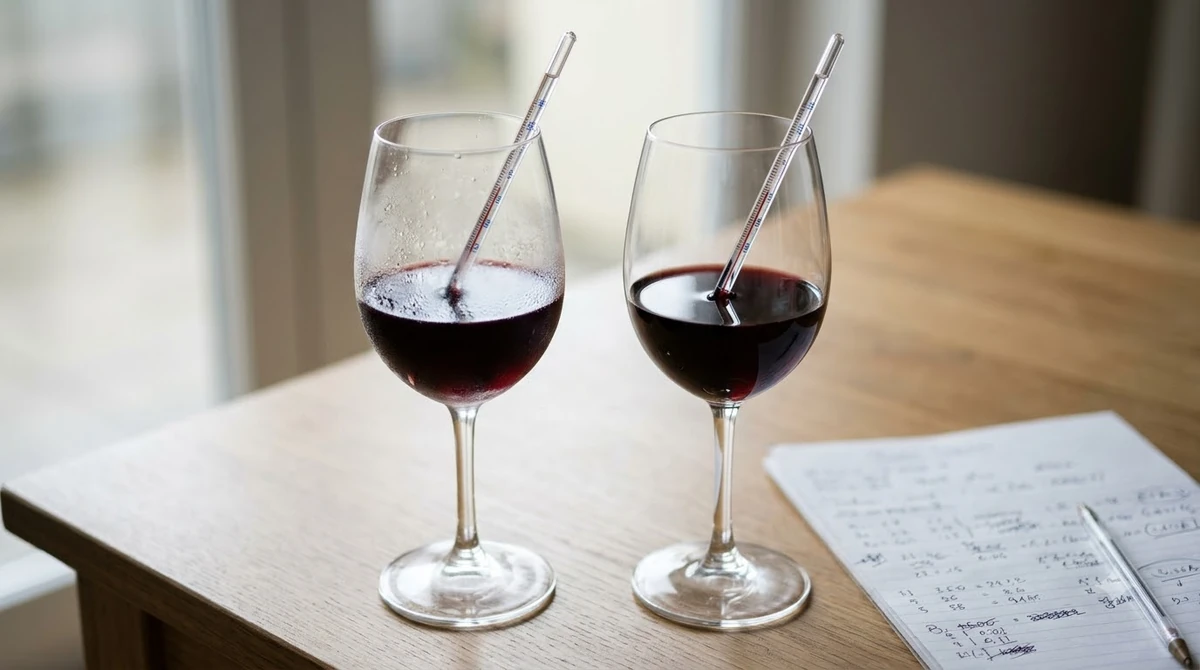
Temperature is the single biggest driver of premature aging. Wine is ideally stored between 53°F and 59°F (12°C to 15°C), where chemical reactions proceed at a slow, steady pace. According to Wine Enthusiast’s guidance on wine spoilage temperatures, storing bottles above 70°F accelerates aging dramatically, and exposure above 75°F or 80°F can literally “cook” the wine, flattening its fresh berry flavors into stewed, pruney notes and pushing the cork upward.
Light, humidity, and bottle orientation also play critical roles over time. Ultraviolet rays from sunlight or harsh fluorescent bulbs degrade organic compounds in wine, creating stale aromas even through dark green glass. If your sweet red is sealed with a natural cork rather than a screw cap or T-stopper, storing the bottle on its side keeps the cork moist so it stays swollen against the glass neck. In dry environments—such as a standard kitchen refrigerator kept for many months—natural corks can shrink and allow excess oxygen to seep inside.
Tip: Store everyday sweet red blends in a cool, dark interior closet or basement away from ovens, radiators, and sunny windows rather than on top of your refrigerator, where motor heat constantly warms the bottle.
Signs an Unopened Sweet Red Wine Has Gone Bad
Unopened wine rarely becomes unsafe to drink, because alcohol and acidity prevent harmful pathogens from growing, yet a bottle past its prime will show clear sensory warning signs. Checking the exterior before pulling the cork and evaluating the wine in the glass takes only a few seconds.
Start with a quick visual inspection of the closure and liquid level. If a natural cork is protruding slightly past the rim of the bottle or sticky red residue has seeped beneath the foil capsule, heat expansion has likely compromised the seal and allowed oxygen inside. Similarly, an unusually low fill level—well below the shoulder of the bottle—signals excessive evaporation over time.
Once poured, pay attention to color, aroma, and texture. A healthy young sweet red shows a bright ruby, purple, or deep garnet hue, whereas an oxidized bottle turns murky brownish-orange at the rim. On the nose, fresh raspberry, cherry, or plum notes give way to sharp vinegar, nail polish remover, wet cardboard, or flat, stewed applesauce. If the wine tastes sour, hollow, or unpleasantly nutty rather than lush and balanced, it is past its drinking window.
Real-Life Storage Scenarios for Sweet Red Bottles
Knowing the ideal cellar rules is helpful, but most bottles live in ordinary apartments, kitchen racks, or party coolers before they are ever opened. Matching your storage habits to how soon you plan to pour the wine prevents unnecessary waste.
- Bought for dinner or a gathering this month: Keep the bottle upright in a cool pantry or cupboard away from direct sunlight. If you enjoy sweet reds slightly chilled—especially Brachetto, Lambrusco, or fruit-forward blends—placing the unopened bottle in the kitchen fridge a few hours to a couple of weeks before serving will not harm the cork.
- Gifted a bottle with no immediate plans to open it: Check the back label for the vintage year and wine style. If it is a non-vintage sweet red blend or low-alcohol Italian frizzante, plan to open it within 1 to 2 years and store it horizontally in the coolest closet in your home.
- Holding onto a bottle of Ruby or Vintage Port: Ruby and filtered LBV Ports are bottled ready to drink and hold comfortably for several years in a dark, temperature-stable cupboard. True Vintage Port or Recioto della Valpolicella, however, rewards decades of patience in a dedicated wine fridge or cool cellar where temperatures stay near 55°F.
- Comparing sweet reds to other sweet fermented drinks: Unlike honey-based beverages—where high sugar and low protein let how long does mead last unopened stretch for many years with minimal fragility—grape-based sweet table reds rely heavily on delicate fruit esters that taste best when relatively young.
If you like exploring how sweetness, body, and fortification change shelf life across different bottles, browsing a broader overview of Wine by Type makes it simple to compare everyday table reds against fortified and dessert styles before stocking your rack.
Frequently Asked Questions
Does unopened sweet red wine expire?
Unopened sweet red wine does not have a strict safety expiration date, so drinking an older bottle will not make you sick. However, it does have a peak drinking window—usually 1 to 3 years for everyday sweet red blends—after which its vibrant fruit flavors fade and flatten.
Should you refrigerate unopened sweet red wine?
You can safely refrigerate unopened sweet red wine for a few days up to several weeks before serving, especially if you prefer light or sparkling styles chilled. For storage lasting many months or years, a standard kitchen fridge is too cold and dry and can shrink natural corks, so a cool, dark cupboard around 55°F is better.
Does sweet red wine last longer unopened than dry red wine?
High-sugar dessert reds and fortified sweet reds like Port or Recioto last much longer unopened than everyday dry reds because concentrated sugar and alcohol act as natural preservatives. By contrast, lightly sweetened everyday red blends usually have lower tannins and last about the same 1 to 3 years as standard table reds.
Can you store unopened sweet red wine at room temperature?
Unopened sweet red wine can be stored at room temperature for 1 to 2 years if your home stays cool and steady below 70°F and the bottle sits out of direct sunlight. Warm rooms above 75°F speed up oxidation and can ruin the wine’s fresh fruit profile within months.
Whether you have a chilled bottle of Brachetto waiting for weekend brunch or a bottle of Port tucked away for a milestone anniversary, matching the storage spot to the wine’s structure keeps every glass tasting its best. Keep everyday sweet reds cool, dark, and ready to enjoy within a couple of years, and reserve long-term rack space for concentrated dessert and fortified bottles built to go the distance.
More in Wine Types & Grapes
 Zinfandel Sugar Content: Dry Red vs. White Zinfandel GramsUpdated Nov 21, 2026
 Best Zinfandel Substitute Options for Sipping and CookingUpdated Nov 21, 2026
 Zweigelt Food Pairing: Best Dishes, Cheeses, and Serving TipsUpdated Nov 21, 2026
 Zinfandel Tannins Explained: How Structure Shapes Every BottleUpdated Nov 21, 2026
 Zinfandel Sweetness Level: Dry Red vs. Sweet White Zin ExplainedUpdated Nov 21, 2026
 Xinomavro Food Pairing: Best Dishes, Styles, and Serving TipsUpdated Nov 21, 2026