

We may earn a commission when you buy through links on this page, at no extra cost to you. Learn more.
If you are wondering how long does sauternes last unopened, properly cellared bottles easily last 10 to 30 years, while top classified châteaux can age gracefully for 50 to 100 years or more. Generic or non-classified bottles typically peak within 8 to 15 years of the vintage date. Because Sauternes combines high residual sugar (120 to 220 grams per liter) with brisk natural acidity, it resists oxidation far longer than dry white wines.
Most dry white wines lose their vibrancy after just a few years in the bottle, yet Sauternes operates on an entirely different timeline. Produced in Bordeaux from grapes affected by beneficial noble rot, this golden dessert wine is built for the long haul—provided you keep the cork moist and the temperature steady.
Unopened Sauternes Lifespan by Producer Tier and Storage
Not every bottle of Sauternes has the same staying power, as longevity depends heavily on vineyard classification, vintage structure, and where you keep the bottle. While entry-level regional blends hit their stride within a decade, classified growths from historic estates can outlive the people who cellared them.
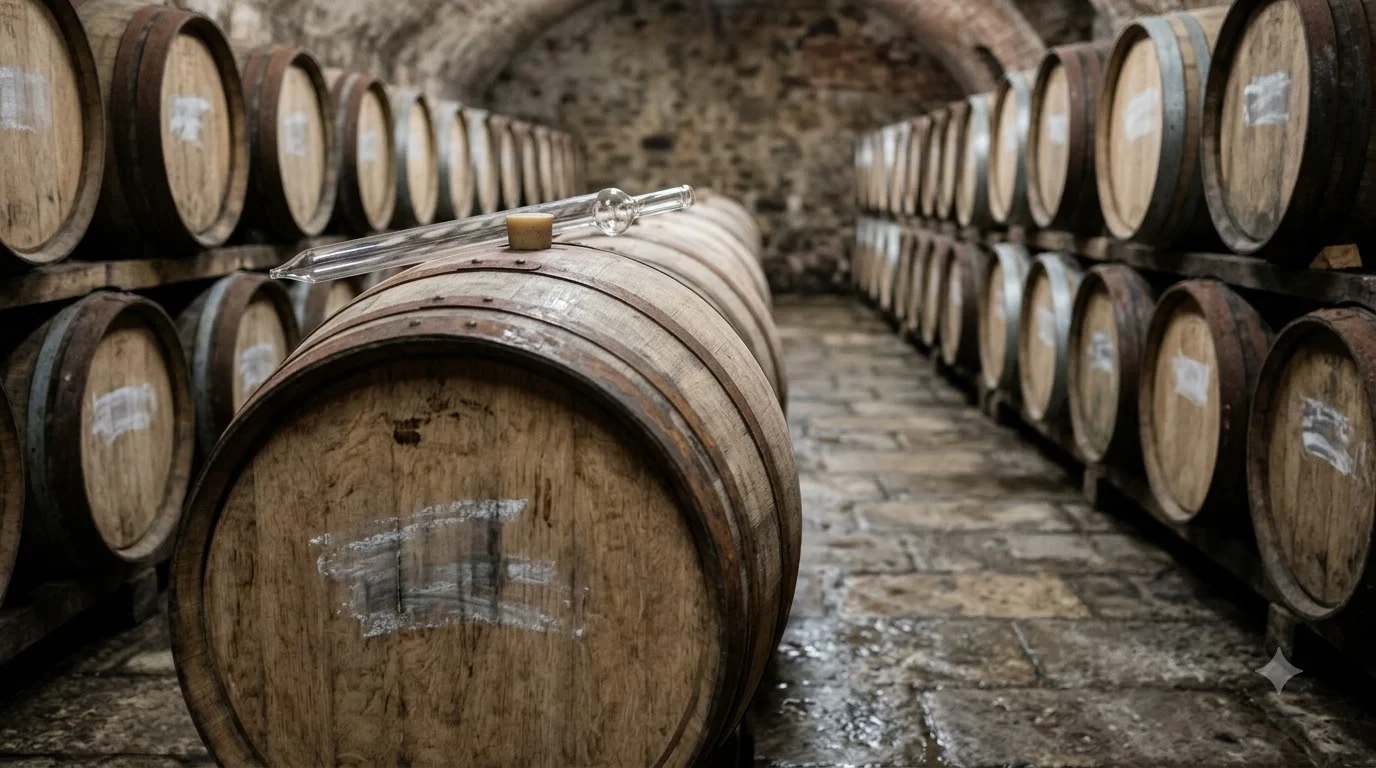
Understanding the 1855 Classification of Sauternes and Barsac helps set realistic expectations for your cellar. Non-classified or cooperative bottles are crafted for earlier accessibility, offering bright apricot and honey notes for roughly 8 to 15 years. Moving up to Deuxièmes Crus (Second Growths) such as Château Doisy-Daëne or Château de Malle pushes that reliable window to 15 to 30 years. Premiers Crus (First Growths) like Château Rieussec, Château Suduiraut, and Château Climens routinely hold and improve for 25 to 50 years in strong vintages.
At the very summit sits Château d’Yquem, the lone Premier Cru Supérieur, where legendary vintages comfortably last 50 to over 100 years. According to Wine Folly’s Sauternes guide, standard quality bottles generally span 5 to 30+ years depending on cellar conditions, placing Sauternes among the longest-lived unfortified wines on earth. For comparison, if you check how long does cabernet sauvignon last unopened, even structured Napa or Bordeaux reds rarely match the multi-decade stamina of top sweet Bordeaux.
| Sauternes Tier or Condition | Notable Examples | Expected Unopened Lifespan | Flavor Profile at Peak |
|---|---|---|---|
| Generic / Non-Classified Sauternes | Regional blends, entry-level cuvées | 8 to 15 years | Fresh apricot, white peach, lemon curd, light honey |
| Deuxièmes Crus (Second Growths) | Château Doisy-Daëne, Château Filhot, Château de Malle | 15 to 30 years | Candied orange peel, ginger, beeswax, baked pineapple |
| Premiers Crus (First Growths) | Château Rieussec, Château Suduiraut, Château Coutet | 25 to 50 years | Toffee, saffron, dried mango, marmalade, roasted nuts |
| Premier Cru Supérieur | Château d’Yquem | 50 to 100+ years | Caramelized orange, rancio, spice, deep burnt sugar |
| Warm Kitchen / Upright Pantry | Any bottle stored above 70°F | 1 to 3 years | Flattened fruit, prematurely oxidized sherry notes |
Why Sauternes Ages Longer Than Almost Any Other Unfortified Wine
Sauternes owes its remarkable shelf life to a rare alignment of natural preservatives created in the vineyard rather than added in the cellar. High sugar, concentrated acidity, and dense glycerol work together to shield the liquid from microbial spoilage and slow down chemical degradation.
The process starts with Botrytis cinerea, a beneficial fungus known as noble rot that thrives in the misty autumn mornings along the Ciron and Garonne rivers. As afternoon sunshine dries the vineyards, the fungus pierces the thin skins of Sémillon grapes, evaporating water while concentrating sugars, acids, and flavor compounds inside the berry. Because Sémillon naturally carries lower acidity, winemakers blend in Sauvignon Blanc for brisk tartness and a touch of Muscadelle for floral aromatics.
Once fermented, the resulting wine typically holds between 120 and 220 grams per liter of residual sugar—more than standard cola—alongside vibrant tartaric and malic acidity. As Wine Enthusiast notes, this high natural acidity balances the rich sweetness and directly drives the wine’s multi-decade longevity. Unlike fortified wines such as Port or Madeira, Sauternes receives no added grape spirit; its endurance comes strictly from concentrated grape chemistry.
How Storage Conditions Change the Timeline
Even a Premier Cru bottle can spoil within a few years if kept in a warm pantry or standing upright under bright kitchen lights. Proper storage controls the pace of oxygen ingress through the cork and prevents heat from cooking the delicate fruit esters.
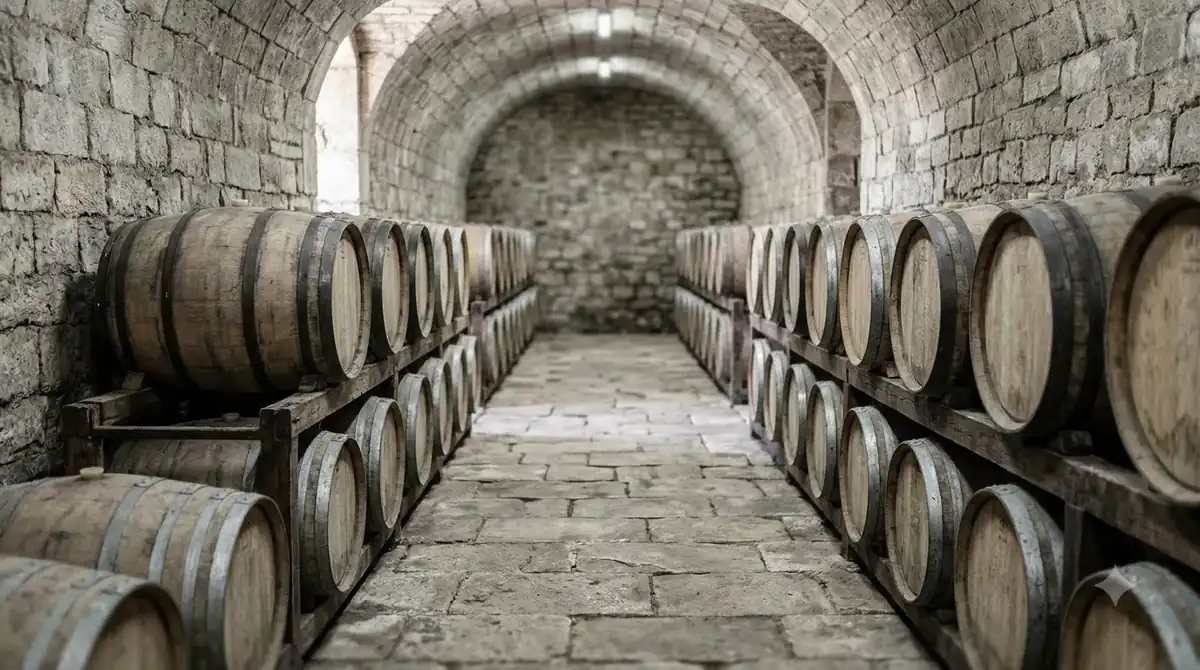
Temperature stability matters more than hitting a single magic number. Ideal long-term storage sits between 50°F and 55°F (10°C to 13°C), where chemical evolution crawls at an even pace. Storing an unopened bottle at standard room temperature around 72°F accelerates aging dramatically, shrinking a 30-year cellar candidate down to a 2- or 3-year window. Worse still are daily temperature swings near a stove or sunny window, which expand and contract the liquid inside the glass, pushing wine past the cork.
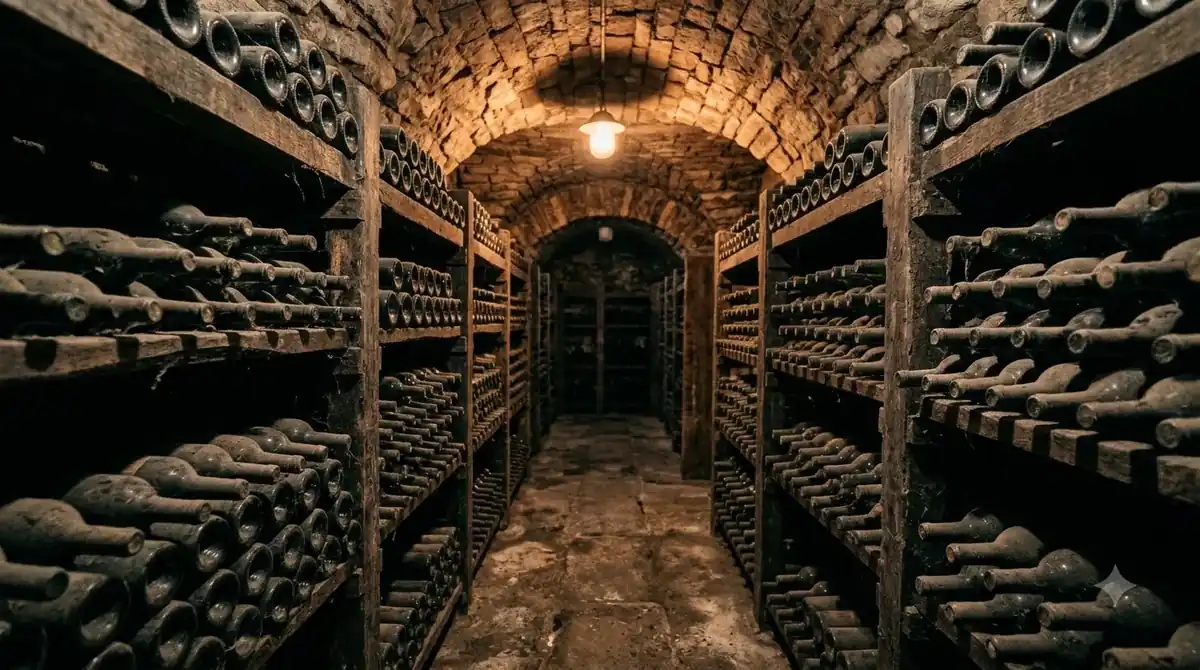
Humidity and bottle orientation protect the closure itself. Always store cork-finished Sauternes bottles horizontally so the wine keeps the cork swollen and airtight; a dried-out cork invites rapid oxidation. Relative humidity around 60 to 70 percent prevents cork shrinkage without encouraging label mold. While convenient packaging formats behave differently—as covered in our guide on how long does boxed wine last unopened—glass bottles sealed with natural cork rely entirely on steady moisture and darkness to survive decades.
Tip: Many Sauternes bottles are sold in 375 ml half-bottles, which age slightly faster than standard 750 ml bottles due to a higher ratio of oxygen in the headspace to liquid volume—expect half-bottles to reach peak maturity roughly 20 to 30 percent sooner.
How Sauternes Evolves Over Decades in the Bottle
Unopened Sauternes does not stay frozen in time; it undergoes a dramatic visual and aromatic transformation as it ages. Knowing what happens at each stage helps you decide whether to open a bottle tonight or hold onto it for another decade.
During its first five to seven years, Sauternes pours a bright, gleaming straw-gold with occasional greenish glints. Aromas burst with primary orchard and tropical notes: fresh white peach, apricot, pineapple, lemon curd, and vibrant honeysuckle. Many drinkers actually prefer this youthful stage because the fruit feels electric and the sweetness is framed by lively citrus snap.
Between 10 and 25 years, the wine deepens into burnished gold and develops secondary complexity from both oak aging and slow bottle maturation. Fresh fruit gives way to orange marmalade, candied ginger, beeswax, toasted hazelnut, and vanilla spice. Beyond 30 years, mature Sauternes turns deep amber or mahogany, shedding overt baby-fat sweetness in favor of savory, contemplative notes of saffron, crème brûlée, dried fig, and toffee. If you explore other Wine by Type categories, very few unfortified styles match this multi-stage metamorphosis.
Signs an Unopened Bottle of Sauternes Has Gone Bad
Because Sauternes naturally darkens with age, color alone can easily fool someone into thinking a healthy mature bottle has spoiled. Learning to distinguish normal aging cues from true storage damage prevents you from pouring a treasure down the drain.
Inspect the physical condition of the bottle before pulling the cork. A cork that protrudes slightly above the glass rim or shows sticky, crystallized sugar seepage under the capsule signals past heat damage. Check the fill level (ullage) when holding the bottle upright: in a young wine, the liquid should sit high in the neck, whereas a drop below the upper shoulder in a bottle under 15 years old points to a compromised seal.
Once opened, trust your nose and palate rather than the hue. Deep amber or copper tones are completely normal in a 25-year-old bottle, provided the liquid looks clear and glossy rather than cloudy or murky. A sound mature bottle smells invitingly of caramel, dried apricot, and spice, whereas a spoiled bottle smells sharply of vinegar, wet cardboard (cork taint), or flat, stewed prunes with zero lingering acidity on the finish. Similar to checking how long does mead last unopened, high sugar keeps the wine microbiologically safe to taste even if its peak flavors have faded.
How to Serve and Store Sauternes Once You Finally Open It
When you finally decide to uncork a bottle you have cellared for years, serving temperature and post-opening care determine how well it shows. Treat young and mature bottles slightly differently to highlight their best qualities.
Serve youthful Sauternes well chilled at 46°F to 52°F (8°C to 11°C) in a standard white wine glass, pouring small 2- to 3-ounce servings so the aromatics can gather in the bowl. If you are opening a treasured bottle that is 15 years or older, serve it a few degrees warmer—closer to cellar temperature around 54°F to 57°F—so the intricate notes of saffron, toffee, and roasted nuts are not muted by cold.
If you cannot finish the bottle in one sitting, Sauternes is remarkably forgiving after opening. Re-insert the original cork or use an airtight wine stopper, place the bottle upright in the refrigerator, and it will stay fresh and vibrant for 7 to 14 days. The same high sugar and acidity that preserved the wine while unopened continue to slow down oxidation in your fridge.
Frequently Asked Questions
Does unopened Sauternes expire?
No, unopened Sauternes does not carry a safety expiration date and will not become harmful to drink over time. Instead, it has an optimal drinking window ranging from 8 to over 50 years depending on the producer and storage conditions, after which its vibrant fruit and acidity gradually fade.
Can I store unopened Sauternes in a regular kitchen pantry?
You can keep an unopened bottle in a cool, dark pantry for 6 to 12 months if you plan to drink it soon, provided it stays away from stoves, dishwashers, and direct sunlight. For multi-year aging, however, room temperatures above 70°F accelerate oxidation and prematurely flatten the wine’s fresh fruit character.
Should unopened Sauternes be stored standing up or lying down?
Always store unopened bottles of Sauternes lying on their side so the wine stays in constant contact with the natural cork. Keeping the cork moist prevents it from drying out, shrinking, and letting excess oxygen seep into the bottle over long periods.
Why does Sauternes turn dark brown or amber as it ages?
Sauternes naturally deepens from pale straw-gold to rich amber and mahogany over decades due to ultra-slow oxygen exposure through the cork and chemical reactions among its sugars and phenolic compounds. Unless the wine smells like vinegar or tastes flat, a dark amber color is a normal hallmark of a well-aged vintage rather than spoilage.
Whether you have a modest regional bottle tucked into a closet or a classified vintage resting in a temperature-controlled cellar, Sauternes rewards patience better than almost any unfortified wine in the world. Keep your bottles cool, dark, and horizontal, and you can open them years—or even decades—later at their golden peak.
More in Wine Types & Grapes
 Zinfandel Sugar Content: Dry Red vs. White Zinfandel GramsUpdated Nov 21, 2026
 Best Zinfandel Substitute Options for Sipping and CookingUpdated Nov 21, 2026
 Zweigelt Food Pairing: Best Dishes, Cheeses, and Serving TipsUpdated Nov 21, 2026
 Zinfandel Tannins Explained: How Structure Shapes Every BottleUpdated Nov 21, 2026
 Zinfandel Sweetness Level: Dry Red vs. Sweet White Zin ExplainedUpdated Nov 21, 2026
 Xinomavro Food Pairing: Best Dishes, Styles, and Serving TipsUpdated Nov 21, 2026