

We may earn a commission when you buy through links on this page, at no extra cost to you. Learn more.
If you are wondering how long does ruby port last unopened, an intact bottle stays in good drinking condition for 5 to 10 years when stored in a cool, dark place, though it is bottled ready to drink immediately and reaches peak freshness within the first 1 to 3 years after purchase. Because ruby port is fined, filtered, and blended for bright berry flavor rather than bottle evolution, extended cellaring will not improve its quality. Once stored away from heat and direct sunlight, the combination of roughly 20 percent alcohol by volume and high residual sugar acts as a natural preservative that prevents spoilage for years.
Many wine drinkers spot a dusty bottle of ruby port tucked in the back of a pantry or liquor cabinet and hesitate to pull the cork. Unlike table wines that turn flat or vinegary after a couple of years on a warm shelf, fortified wines from Portugal’s Douro Valley possess a chemical structure built for durability. Knowing the difference between peak youthful flavor and safe drinkability helps you decide whether to pour a glass tonight or save the bottle for another season.
Peak Freshness Versus Total Shelf Life
An unopened bottle of ruby port remains safe and enjoyable for 5 to 10 years in proper storage, yet its vibrant primary fruit flavors shine brightest during the first 1 to 3 years after bottling. Winemakers craft this style to capture the energy of young red grapes rather than to reward long-term cellar patience.
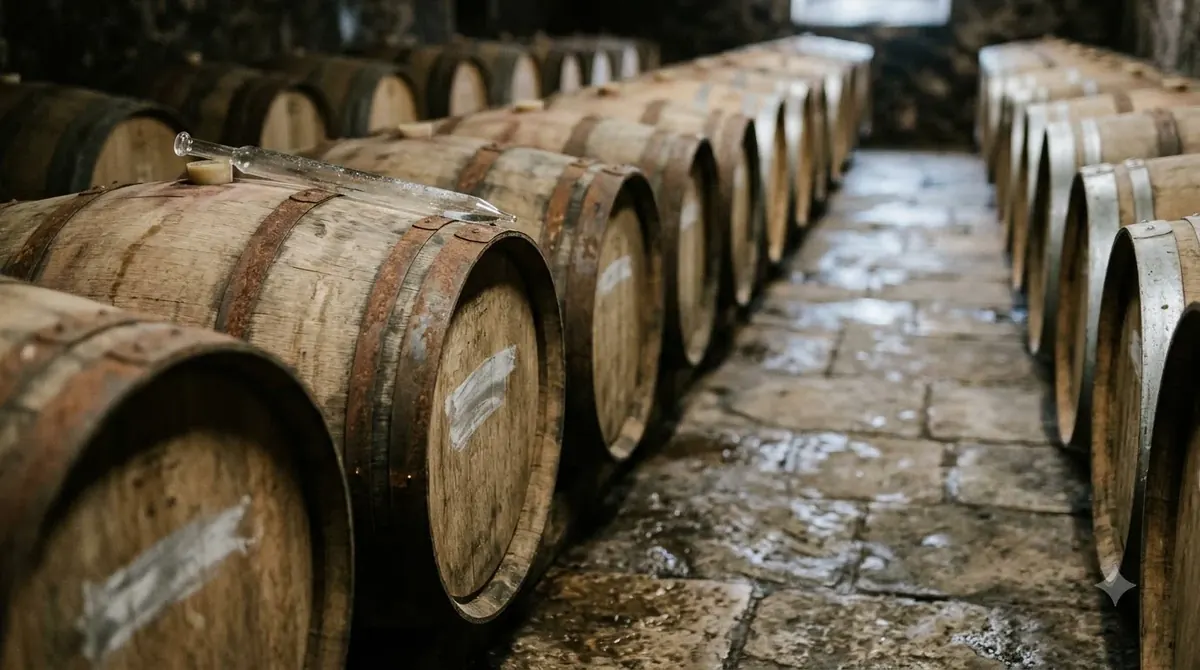
According to Wine Folly, ruby port typically ages in large oak vats for an average of two years before bottling so it arrives on retail shelves completely ready to pour. Those massive vats limit oxygen contact, locking in aromas of ripe blackberry, red plum, cherry, and sweet spice. Because the producer completes the aging process at the lodge in Vila Nova de Gaia before release, sitting on the bottle for a decade adds no extra complexity.
Over a 5 to 10 year window, a sealed bottle kept in steady, cool conditions will not spoil or become unsafe to drink. Instead, the wine gradually loses its punchy berry brightness and shifts toward softer, slightly drier fig and raisin notes. Standard entry-level ruby bottles show this fade faster, often flattening out after 3 to 5 years, whereas higher-tier Reserve Ruby bottlings hold their structure closer to the full decade mark.
How Fortification Protects Unopened Ruby Port
Ruby port outlasts standard dry red and white wines because grape spirit added during fermentation raises its alcohol level to roughly 19 to 20 percent ABV while preserving natural grape sugars. Together, elevated alcohol and high sugar create an environment where spoilage microbes struggle to survive.
During production in the Douro Valley, winemakers halt fermentation partway through by adding a neutral grape brandy called aguardente. Stopping the yeast early leaves substantial unfermented sugar in the wine alongside a much higher alcohol concentration than ordinary table wine. In the broader world of wine by type, unfortified table wines rely primarily on acidity and moderate tannins for stability, which leaves them vulnerable to oxidation and heat damage within a few years.
Filtration and fining also play major roles in how ruby port behaves inside a sealed bottle. Producers filter out grape solids and yeast lees before bottling so the wine stays clear and bright without throwing heavy sediment. While this keeps the pour clean and ready for immediate enjoyment, removing those phenolic solids also means the wine lacks the raw building blocks needed to evolve into a complex vintage-style wine over decades.
Ruby Port Shelf Life Compared to Other Port Styles
While standard ruby port holds up for 5 to 10 years unopened, other categories of port vary dramatically in longevity depending on whether they were aged in wood barrels or bottled unfiltered for cellar maturation. Checking the exact label designation tells you whether your bottle is meant for near-term pouring or multi-decade aging.
As Decanter explains, port styles fall into two broad aging paths: wood-aged wines that mature in cask before release and bottle-aged wines that develop inside glass over decades. An unopened bottle of how long does tawny port last unopened follows a similar ready-to-drink rule because tawny spends years oxidizing slowly in small oak barrels before bottling. Vintage port sits at the opposite extreme, remaining unfiltered so it can mature in a cellar for 20 to 30 years or longer.
| Port Style | Pre-Bottle Aging | Unopened Shelf Life | Aging Behavior in Bottle |
|---|---|---|---|
| Standard Ruby Port | Up to 3 years in large oak vats | 5 to 10 years (best within 1 to 3 years) | Ready on release; slowly loses bright fruit |
| Reserve Ruby Port | 3 to 5 years in large oak casks | 7 to 10 years | Holds concentration longer, minimal evolution |
| Tawny Port | At least 2 to 3 years in small barrels | 5 to 10 years (best within 2 to 3 years) | Already oxidized in wood; stays stable |
| Late Bottled Vintage (LBV) | 4 to 6 years in oak casks | 10 to 15 years (longer if unfiltered) | Filtered stays steady; unfiltered gains depth |
| Vintage Port | 18 to 36 months in oak before bottling | 20 to 50 years or more | Improves dramatically; develops heavy sediment |
Once you pull the stopper, the timeline changes completely regardless of how long the bottle sat untouched beforehand. If you plan to pour only a glass or two per evening, understanding how long does ruby port last after opening will help you preserve the remaining wine in your refrigerator for several weeks.
Best Storage Conditions for an Unopened Bottle
Keeping an unopened ruby port in a cool, dark spot with a steady temperature around 55 to 65 degrees Fahrenheit maximizes its 5 to 10 year lifespan. Extreme heat and wild temperature swings pose far greater threats to fortified wine than simple calendar age.
Warm environments above 70 degrees Fahrenheit accelerate chemical reactions inside the glass, prematurely dulling the lively blackberry and cherry notes into cooked, pruney flavors. Avoid storing bottles on top of a refrigerator, next to a kitchen stove, or near a sunny window where ultraviolet light can degrade color and aroma compounds. A basement rack, an interior hall closet, or a dedicated wine fridge provides ideal shelter.
Bottle orientation depends on the type of closure fitted to the neck. Most standard ruby ports use a driven cork or a reusable T-stopper cork, while entry-level bottlings occasionally use a screw cap. Bottles sealed with a traditional driven cork should rest on their side so the liquid keeps the cork moist and airtight. Bottles fitted with a T-stopper or screw cap should stand upright so high-proof alcohol does not degrade the synthetic or composite cap material over several years.
Tip: Check the closure under the foil capsule before shelving a bottle for years; if your ruby port uses a reusable T-stopper rather than a driven cork, store it standing upright in a cool closet so the stopper stays intact.
Signs Your Unopened Ruby Port Has Gone Past Its Prime
An old, unopened ruby port rarely turns dangerous to drink, but heat exposure or a dried-out cork can flatten its fruit and give it a dull, stewed character. Inspecting the bottle visually and smelling the first pour quickly reveals whether the wine is still vibrant.
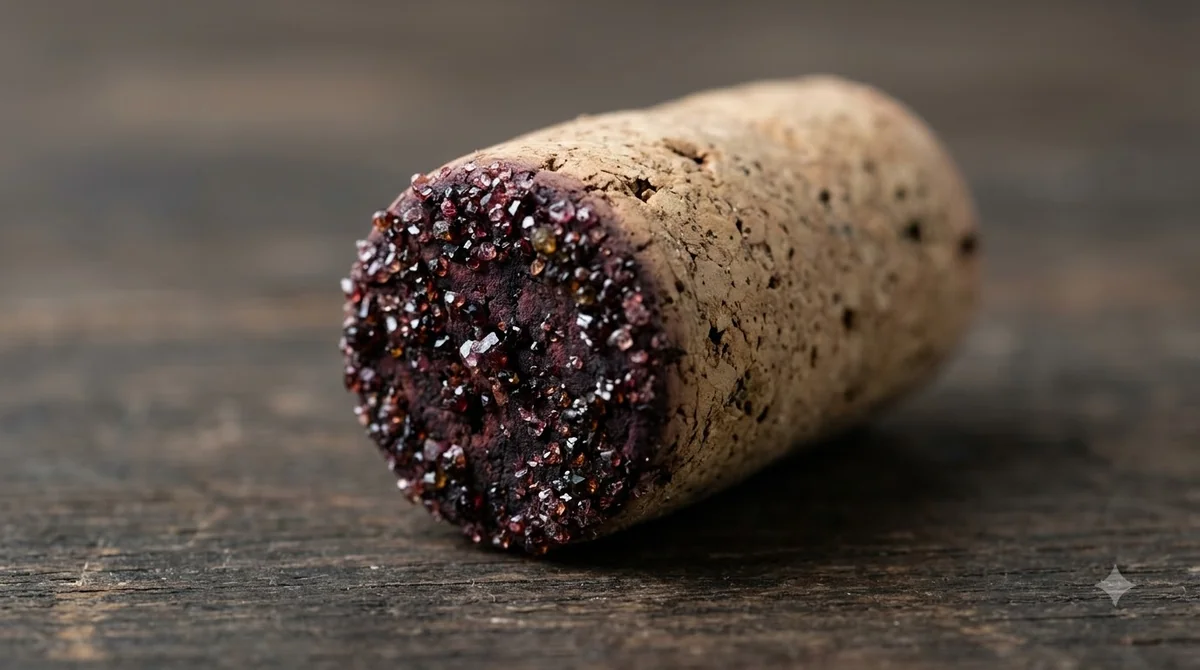
Start by examining the fill level in the neck and the condition of the capsule before opening. If the wine level has dropped well below the shoulder of the bottle or sticky dark residue has seeped around the top of the cork, air has likely entered the bottle over time. This seepage usually happens when a bottle experiences repeated heat expansion and cooling contraction.
After pouring a small taste into a glass, look at the color and check the aroma. Fresh ruby port shows a deep, vivid purple-red or garnet hue with aromas of crushed berries, plums, and subtle cocoa. If the liquid has turned dull brown around the rim and smells strongly of burnt caramel, wet cardboard, or sharp nail polish remover rather than sweet fruit, the bottle has oxidized past its enjoyable window. Unlike everyday how long does boxed wine last unopened, where an airtight bag collapses to block oxygen until a strict printed date, glass-bottled port relies entirely on closure integrity and cool storage.
Frequently Asked Questions
Does unopened ruby port need to be refrigerated?
No, an unopened bottle of ruby port does not require refrigeration before you open it. Storing it in a cool, dark pantry, closet, or cellar between 55 and 65 degrees Fahrenheit is completely sufficient. Reserve refrigerator space for after you pull the cork, when cold temperatures slow down oxidation.
Why does my bottle of ruby port not have a vintage year on the label?
Standard ruby port is a non-vintage blend created from wines harvested across multiple years to maintain a consistent house style and fruit profile. Producers blend younger and slightly older lots together in large vats so every release tastes reliably fresh and balanced. Only Vintage Port and Late Bottled Vintage Port carry a single harvest year on the front label.
Can drinking old unopened ruby port make you sick?
No, properly sealed ruby port will not become harmful even if you open it 10 or 15 years after bottling. Its combination of roughly 20 percent alcohol by volume and high sugar prevents harmful bacteria from growing inside the bottle. At worst, an overly old or heat-damaged bottle will simply taste flat, faded, or overly nutty.
Should I decant an unopened bottle of ruby port that has sat for several years?
No, standard ruby port is fined and filtered before bottling, so it does not develop the heavy crust of sediment found in Vintage Port. You can pull the cork and pour it straight into your glass at a slightly cool temperature around 55 to 65 degrees Fahrenheit. Only unfiltered styles like Vintage Port or unfiltered Late Bottled Vintage require careful standing and decanting.
When kept away from heat and sunlight, an unopened bottle of ruby port reliably delivers 5 to 10 years of shelf stability while tasting liveliest during its first few years at home. Pull the cork whenever you want a rich, berry-driven glass alongside dark chocolate or blue cheese, knowing you do not need a special occasion or decades of cellar aging to enjoy it at its best.
More in Wine Types & Grapes
 Zinfandel Sugar Content: Dry Red vs. White Zinfandel GramsUpdated Nov 21, 2026
 Best Zinfandel Substitute Options for Sipping and CookingUpdated Nov 21, 2026
 Zweigelt Food Pairing: Best Dishes, Cheeses, and Serving TipsUpdated Nov 21, 2026
 Zinfandel Tannins Explained: How Structure Shapes Every BottleUpdated Nov 21, 2026
 Zinfandel Sweetness Level: Dry Red vs. Sweet White Zin ExplainedUpdated Nov 21, 2026
 Xinomavro Food Pairing: Best Dishes, Styles, and Serving TipsUpdated Nov 21, 2026