

We may earn a commission when you buy through links on this page, at no extra cost to you. Learn more.
How long does rice wine last unopened depends on the style, pasteurization, and storage conditions, with most standard bottles keeping peak quality for 10 months to two years. Pasteurized Japanese sake stays fresh for about 10 to 12 months in a cool, dark pantry, while unpasteurized namazake requires continuous refrigeration and should be enjoyed within two to six months. Salted Chinese Shaoxing cooking wine and sweet Japanese mirin are far more shelf-stable, lasting two to five years unopened in a dark cupboard before noticeable flavor loss occurs.
Unlike grape-based wine by type, rice wine does not rely on heavy grape tannins to protect it from heat and ultraviolet light over decades. Understanding what separates an unpasteurized bottle of sake from a pantry bottle of mirin or Shaoxing prevents flat flavors and wasted pours.
Unopened Rice Wine Shelf Life by Style
Different rice wines follow completely distinct production methods, meaning their unopened shelf lives range from a few months in the refrigerator to several years on a pantry shelf. Checking whether a bottle is pasteurized, fortified, or seasoned with salt tells you immediately how long it will hold its intended flavor.
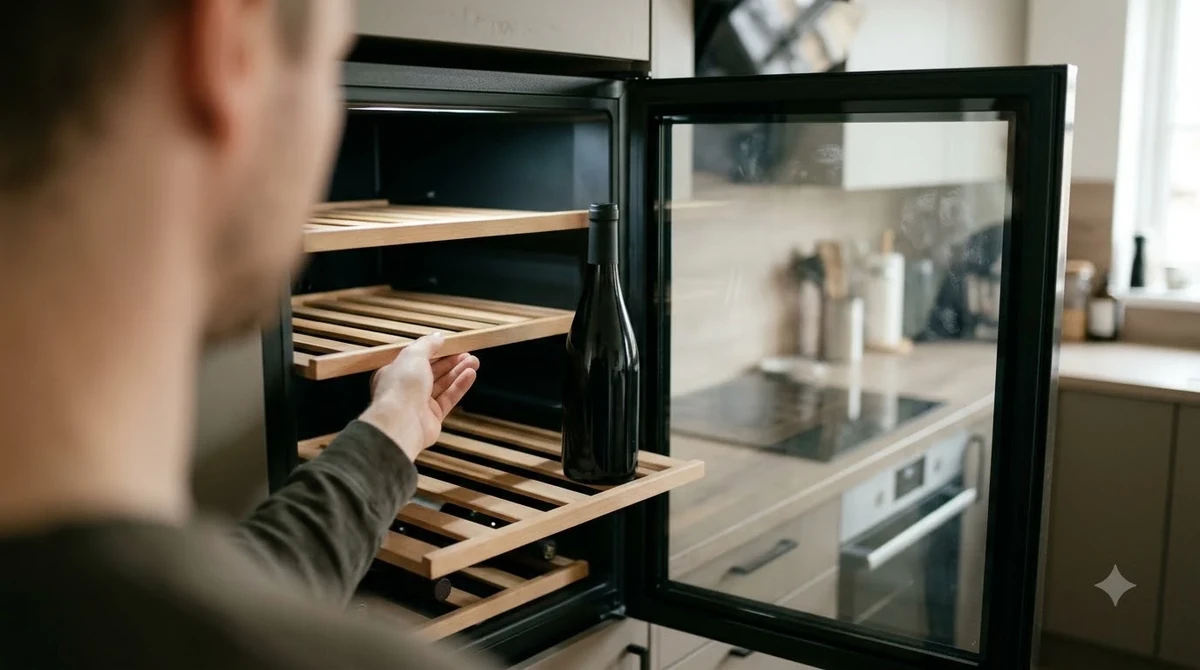
Japanese sake makes up the most temperature-sensitive category of rice wine. According to Wine Enthusiast, brewers release sake at the exact moment they consider it ready to drink, and buyers should aim to enjoy standard unopened bottles within two years of the bottling date printed on the label. Most commercial sake undergoes a heat-pasteurization step called hiire, which stabilizes the liquid so it remains fresh for roughly 10 to 12 months at cool room temperature or up to two years when kept refrigerated. By contrast, unpasteurized namazake retains active enzymes that continue altering its fruity aroma if warmed, so it must stay refrigerated from bottling until opening and tastes best within two to six months.
Cooking-oriented rice wines follow a much longer timeline because sugar, added alcohol, or salt act as natural stabilizers. Authentic Japanese hon-mirin blends sweet glutinous rice with distilled shochu, giving it enough alcohol and natural sugar to keep in a cool, dark pantry for two years or longer without spoiling. Chinese Shaoxing wine—a fermented amber rice wine from Zhejiang province—lasts roughly two to three years unopened when bottled without salt, while supermarket Shaoxing cooking wines containing added salt and preservatives remain usable in a dark cabinet for three to five years.
| Rice Wine Style | Pasteurized or Stabilized | Where to Store Unopened | Unopened Peak Shelf Life |
|---|---|---|---|
| Standard Sake (Junmai, Honjozo) | Yes (heat-pasteurized) | Cool, dark pantry or fridge | 10 to 24 months from bottling |
| Aromatic Sake (Ginjo, Daiginjo) | Yes (often single-pasteurized) | Refrigerator (around 40°F) | 12 to 24 months from bottling |
| Unpasteurized Sake (Namazake) | No (raw, active enzymes) | Refrigerator strictly | 2 to 6 months from bottling |
| Aged Sake (Koshu) | Yes, intentionally matured | Cool, dark cellar or cupboard | Several years |
| Japanese Hon-Mirin | Fortified with shochu | Cool, dark pantry | 2+ years |
| Shaoxing Wine (Unsalted) | Fermented, aged | Cool, dark pantry | 2 to 3 years |
| Shaoxing Cooking Wine (Salted) | Added salt and preservatives | Cool, dark pantry | 3 to 5 years |
Why Pasteurization and Additives Change Shelf Life
Heat treatment, alcohol strength, and salt content are the three primary variables that determine whether an unopened bottle of rice wine degrades quickly or stays stable for years. Without those buffers, residual enzymes and heat trigger chemical reactions that dull bright aromatics and brown the liquid.
During traditional sake production, most brewers pasteurize the liquid twice—once before tank storage and once at bottling—to deactivate lingering yeast and enzymes. When a brewer skips both heating steps to make namazake, the resulting sake tastes lively and fresh, yet those remaining enzymes keep working inside the sealed bottle. Even a few days on a warm retail shelf can flatten namazake’s crisp fruit notes or push it toward heavy, yeasty aromas.
Chinese rice wines and Japanese mirin gain durability through fermentation style and recipe formulation. Shaoxing wine is brewed with a wheat-based starter called qu and aged in clay jars before bottling, producing an oxidative, nutty profile that resists further change in the pantry. Commercial cooking versions sold in American grocery stores also include added salt, which slows microbial activity even further—a preservation logic similar to how airtight packaging extends how long boxed wine lasts unopened compared to delicate table bottles.
Tip: Check the back label of any Japanese sake for a six-digit or four-digit production date showing the year and month of bottling rather than an expiration date, and aim to open standard bottles within a year of that stamp.
How Light, Heat, and Bottle Position Affect Unopened Bottles
Even a hermetically sealed bottle of rice wine will lose its aroma if stored beside a sunny kitchen window or above a warm stove. Temperature stability, darkness, and upright posture matter far more for rice wine than they do for structured red grape wines.
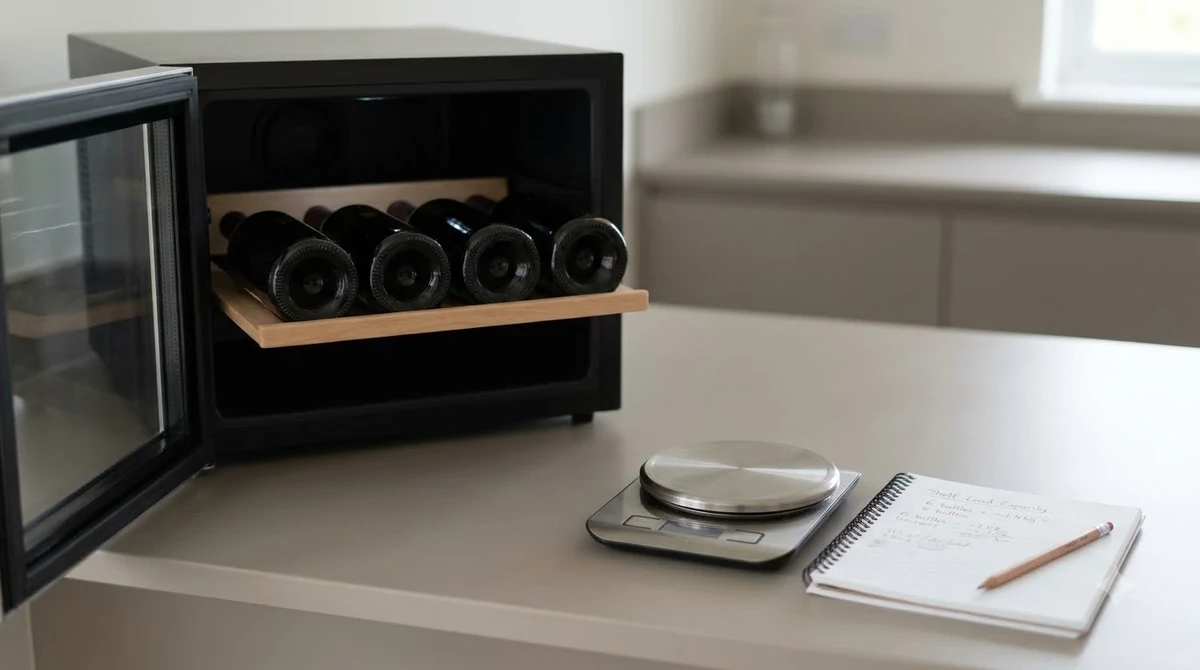
Ultraviolet light is the fastest enemy of bottled sake and pale rice wines. Exposure to direct sunlight or bright fluorescent store lighting triggers photo-oxidation in riboflavin and amino acids, creating a scorched, cabbage-like off-odor known in Japan as nikko-shu or sunshine smell. Quality producers bottle sake in dark brown or green glass—or wrap bottles in paper—specifically to block these wavelengths, so leaving an unopened bottle in a dim pantry or inside its original cardboard box protects its delicate aromatics.
Temperature and bottle orientation also separate rice wine care from conventional grape wine storage. While collectors lay cork-finished bottles on their sides to keep corks moist, rice wines are almost universally sealed with metal screw caps or plastic-lined closures. Storing rice wine upright minimizes the surface area of liquid exposed to oxygen in the bottle neck and prevents the alcohol from reacting with the cap lining over long storage periods, a contrast worth noting alongside how long cabernet sauvignon lasts unopened under traditional horizontal cellar conditions.
How to Tell If Unopened Rice Wine Has Gone Bad
Unopened rice wine rarely becomes unsafe to drink or cook with because its alcohol content—typically 14 to 20 percent ABV for sake and Shaoxing—prevents harmful pathogens from growing. Instead, age and poor storage cause sensory flaws that make the bottle unpleasant or flat.
Visual inspection is your quickest first step before breaking the seal. Fresh sake and hon-mirin should look crystal clear with a water-white to pale straw tint, unless the label specifically identifies the bottle as cloudy nigori or amber-aged koshu. If a clear sake has turned deep yellow or brownish, or if an unopened bottle shows unexpected sediment clumping at the bottom, heat exposure has likely oxidized the sugars and amino acids inside.
Once you twist off the cap, your nose will confirm whether the bottle is still worth pouring. Spoiled or heat-damaged sake smells distinctly stale, woody, or like burnt rubber rather than steamed rice, melon, or gentle floral notes. In sweetened mirin or salted cooking rice wines, extreme age can also cause dark sugar crystallization around the cap threads or a sharp, sour odor that clashes with savory sauces—much like checking aged honey wines when evaluating how long mead lasts unopened.
What Happens After You Open the Bottle
Breaking the seal introduces oxygen into the headspace, shifting rice wine’s shelf life from months or years down to days or weeks depending on the style. Resealing the cap immediately after pouring and moving sensitive bottles into the refrigerator dramatically slows that clock.
Delicate, aromatic sakes such as ginjo and daiginjo lose their high-toned floral esters fastest once opened. According to guidance from The Wine Society, sake oxidizes more slowly than grape wine, so an opened bottle stays fresh and enjoyable in the refrigerator for roughly one to two weeks rather than spoiling overnight. Richer, higher-acid junmai and traditional kimoto sakes often hold their structure in the fridge for a month or more, evolving into nuttier, rounder flavors without turning sharply vinegary.
Cooking rice wines tolerate air far better than sipping sakes, though proper storage still preserves their punch. Opened Shaoxing wine keeps its savory depth for six months to a year when tightly capped in a cool cupboard or refrigerator. True hon-mirin holds up for two to three months in a dark pantry after opening—refrigerating high-sugar hon-mirin can actually cause its natural sugars to crystallize—whereas low-alcohol aji-mirin seasonings should be refrigerated and finished within about three months.
Frequently Asked Questions
Does unopened rice wine expire and become unsafe to drink?
Unopened rice wine does not expire in a way that causes foodborne illness because its alcohol content inhibits bacterial growth. Instead, old or poorly stored bottles suffer quality decline, losing their fresh rice and fruit aromas while developing flat, stale, or overly nutty flavors.
Should you refrigerate unopened rice wine?
Unpasteurized namazake and delicate ginjo or daiginjo sakes should always be stored in the refrigerator to preserve their fresh aromatics. Standard pasteurized sake, Japanese hon-mirin, and Chinese Shaoxing wine do not require refrigeration while sealed and keep well in a cool, dark pantry away from stove heat.
Can you freeze unopened rice wine to make it last longer?
Freezing unopened bottles of rice wine is not recommended because water expansion can crack or shatter the glass container. Even if the bottle survives, freezing disrupts the delicate balance of flavor compounds in sake and causes sugars in sweet mirin to separate.
How do you read the date on an unopened bottle of sake?
Most Japanese sake labels print a bottling or shipping date rather than a strict expiration date, often formatted as the year and month such as 2026.05 or using the Japanese imperial year. For peak freshness, aim to open standard pasteurized sake within 10 to 12 months of that date, or within two to six months for unpasteurized styles.
Checking the label for pasteurization notes and keeping sealed bottles upright in a cool, dark spot ensures every pour tastes clean and balanced. When a bottle has sat untouched in a warm cabinet for years, a quick check of its color and aroma will tell you right away whether it belongs in your glass, your wok, or the sink.
More in Wine Types & Grapes
 Zinfandel Sugar Content: Dry Red vs. White Zinfandel GramsUpdated Nov 21, 2026
 Best Zinfandel Substitute Options for Sipping and CookingUpdated Nov 21, 2026
 Zweigelt Food Pairing: Best Dishes, Cheeses, and Serving TipsUpdated Nov 21, 2026
 Zinfandel Tannins Explained: How Structure Shapes Every BottleUpdated Nov 21, 2026
 Zinfandel Sweetness Level: Dry Red vs. Sweet White Zin ExplainedUpdated Nov 21, 2026
 Xinomavro Food Pairing: Best Dishes, Styles, and Serving TipsUpdated Nov 21, 2026