


We may earn a commission when you buy through links on this page, at no extra cost to you. Learn more.
How long does rice wine last after opening depends on the style and storage method, typically lasting 2 to 4 weeks in the refrigerator for drinking sake, 3 to 6 months refrigerated for Shaoxing cooking wine, and up to 6 months in a cool pantry or fridge for sweet mirin. Unpasteurized varieties such as nama sake fade within a few days of opening, whereas salted cooking rice wines stay usable for several months because sodium and sugar slow microbial growth. Tightly recapping the bottle after every pour and limiting heat or light exposure preserves peak aroma and cooking performance.
Because “rice wine” covers several distinct fermented traditions across East Asia—from delicate Japanese table sake to amber Chinese Shaoxing wine and syrupy mirin—no single expiration rule applies to every bottle in your kitchen. Understanding how alcohol strength, pasteurization, and residual sugar affect oxygen sensitivity will keep both sipping bottles and pantry staples tasting fresh.
How Long Different Rice Wines Last After Opening
Opened rice wines fall into four practical shelf-life tiers determined by whether they are brewed for sipping or seasoned for the stove. Storing drinking styles cold slows aroma loss, while culinary rice wines rely on higher sugar, salt, or aged stability to hold up over multiple months.
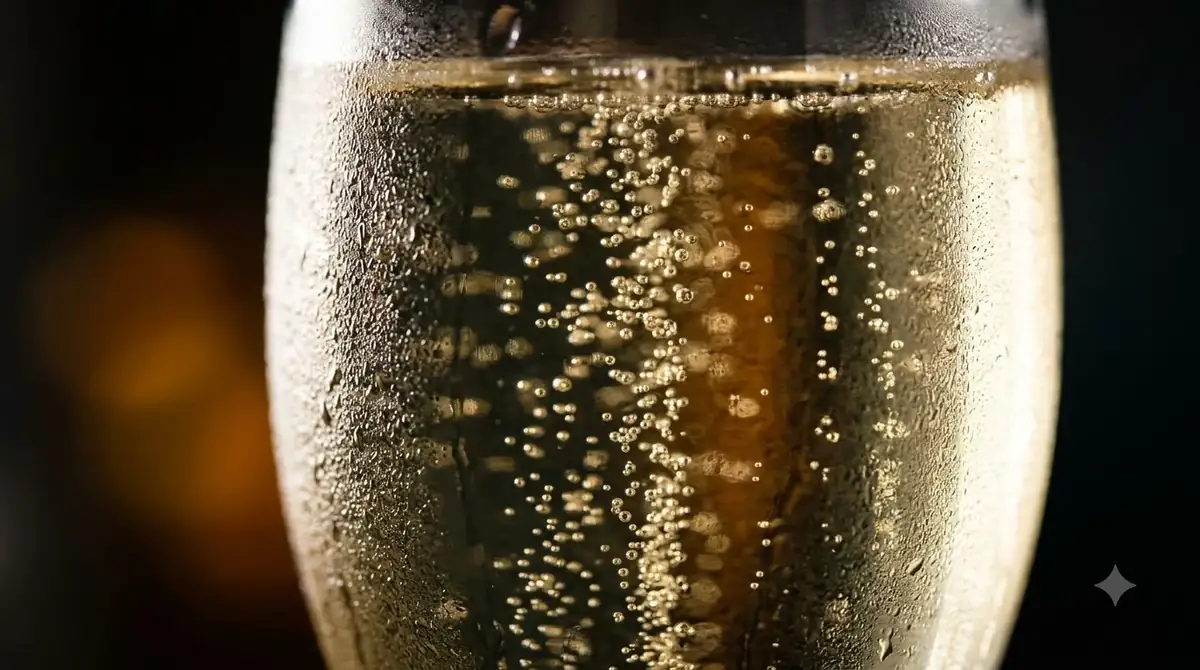
According to Wine Enthusiast, pasteurized sake re-capped and kept upright in a dark refrigerator tastes nearly as fresh as a newly opened bottle for about two weeks, while high-acid, high-umami styles like kimoto or yamahai remain stable for months. Delicate aromatic grades such as daiginjo lose their floral top notes fastest once air enters the headspace, so finishing them within two to three weeks yields the best glass.
Unpasteurized sake, labeled namazake or nama, contains active enzymes that continue changing the liquid after bottling. Wine pros note that opened nama sake peaks within a day or two and should be kept strictly chilled from purchase to the final pour. By contrast, Chinese Shaoxing wine and Taiwanese michiu undergo extended aging or higher-alcohol fermentation that allows an opened bottle to stay flavorful for three to six months in the refrigerator, or roughly one to two months in a cool, dark cupboard.
| Rice Wine Type | Best Storage Location | Peak Quality After Opening | Primary Cause of Decline |
|---|---|---|---|
| Pasteurized Sake (Junmai, Ginjo, Daiginjo) | Refrigerator, upright | 2 to 4 weeks (up to 2 months for yamahai/kimoto) | Aroma flattening and slow oxidation |
| Unpasteurized Sake (Namazake) | Refrigerator, upright | 1 to 3 days | Enzymatic activity and rapid flavor shift |
| Shaoxing Wine (Unsalted) | Refrigerator or cool dark pantry | 3 to 6 months refrigerated; 1 to 2 months pantry | Loss of nutty aromatics and flatness |
| Hon-Mirin (True Sweet Mirin) | Cool dark pantry or refrigerator | 3 to 6 months | Darkening and gradual aroma loss |
| Salted Cooking Rice Wine | Cool dark pantry or refrigerator | 6 to 12 months | Gradual dulling of flavor |
Why Alcohol, Sugar, and Pasteurization Control Shelf Life
Three structural traits inside the bottle dictate how quickly oxygen and warmth dull a rice wine after the seal breaks: alcohol by volume, sugar or salt concentration, and heat treatment. Higher levels of natural preservatives slow spoilage, whereas low-intervention brewing leaves delicate compounds exposed.
Most brewed rice wines sit between 14 percent and 20 percent ABV, placing them above standard table wines but well below distilled spirits. Unlike grape wine, which turns sharply to vinegar within days because of acetic acid bacteria, sake and Shaoxing wine rarely sour overnight; instead, their volatile fruity and savory esters dissipate into the air inside the bottle. If you enjoy comparing oxidation timelines across different wine styles, rice wine behaves much closer to fortified styles than to crisp white table wine.
Pasteurization also marks a major dividing line. Standard Japanese sake is heated twice—once after pressing and again before bottling—to deactivate enzymes and stabilize flavor. Single-pasteurized (namachozo) and completely unpasteurized (namazake) bottles retain lively, fresh-pressed character at the cost of stability, meaning room-temperature storage after opening accelerates off-flavors. Meanwhile, the Kikkoman Mirin Museum notes that true mirin resists spoilage thanks to its high natural sugar and roughly 14 percent alcohol content, which create an inhospitable environment for microbes.
Supermarket cooking rice wines labeled with added salt or corn syrup last longest of all. Sodium acts as a direct antimicrobial barrier, allowing salted Shaoxing or salted mirin-style seasonings to sit near the stove for months without spoiling, though their savory brightness still fades over time.
Best Storage Practices to Extend Freshness
Protecting an opened bottle comes down to controlling four environmental variables: temperature, oxygen headspace, light, and bottle orientation. Small adjustments to where and how you store the bottle can double its useful life.
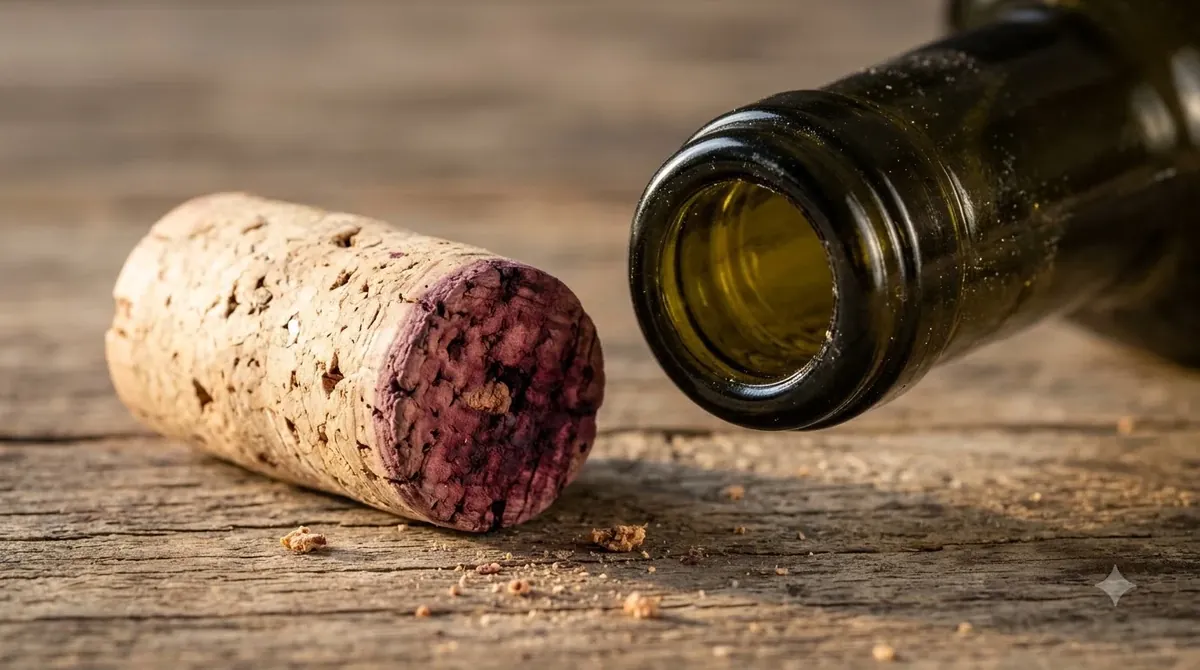
Cold temperatures dramatically slow chemical reactions, making the refrigerator the default home for opened sake, namazake, and unsalted Shaoxing wine. Keep bottles upright rather than on their sides; standing the bottle vertically minimizes the surface area of liquid touching oxygen in the neck and prevents high-alcohol liquid from degrading screw-cap liners or natural corks.
Hon-mirin is the notable exception to strict refrigeration. According to Kikkoman’s storage guidance, keeping opened hon-mirin in a cool, dark cupboard away from direct sunlight prevents its natural sugars from crystallizing around the cap or bottom of the bottle—a common side effect of prolonged refrigerator chilling. If you live in a warm climate and prefer to refrigerate mirin, simply wipe the threads clean after each pour so the cap does not stick.
Tip: Write the opening date on a piece of masking tape on the shoulder of the bottle, and decant half-empty drinking sake into a smaller clean glass bottle to cut down the oxygen headspace.
How to Tell If Opened Rice Wine Has Gone Bad
Rice wine rarely becomes unsafe to consume, so checking for spoilage is primarily a sensory test of aroma, appearance, and taste. Knowing the difference between harmless aging and true degradation prevents throwing away good cooking ingredients—or ruining a dish with stale wine.
Start with your nose before pouring into a glass or hot pan. Fresh sake smells clean, steamed, floral, or gently fruity, while Shaoxing wine offers warm notes of toasted nuts, dried fruit, and caramel. If the bottle smells sharply of nail polish remover, sour vinegar, musty cardboard, or stale soy, oxidation has pushed it past its prime.
Visual cues offer a second check, though color changes require context. Clear sake turning noticeably yellow or amber—unless it is an intentionally aged koshu style—signals heat damage or prolonged oxidation. Similarly, hon-mirin naturally darkens over time as sugars and amino acids interact, which does not make it unsafe, whereas fuzzy mold around the rim, unexpected cloudiness in a filtered bottle, or fizzing in a still wine indicates contamination and calls for discarding the bottle.
Practical Kitchen and Serving Scenarios
How you use your rice wine determines how strictly you need to track its age after opening. A bottle meant for chilled sipping demands tighter timelines than one splashed into a high-heat stir-fry marinade.
When pouring premium ginjo or junmai sake for guests, treat the bottle much like a delicate white wine or skin-contact orange wine: chill it promptly between servings and plan to finish it within two to three weeks while its aromatics remain vivid. If a sipping sake loses its fragrant lift after a month in the fridge, repurpose the remainder in steamed clams, miso glazes, or pan sauces rather than pouring it down the drain.
For home cooks who reach for Shaoxing wine or mirin only once or twice a month, buying smaller 375-milliliter or 500-milliliter bottles ensures you cycle through stock before flavors flatten. Those who cook infrequently with fortified or sweet bottles can apply the same long-term mindset used when checking how long Madeira lasts after opening or how long dessert wine keeps in the fridge: seal tightly, avoid storing bottles directly above a warm range, and taste a drop before adding it to a finished sauce.
Frequently Asked Questions
Does rice wine need to be refrigerated after opening?
Drinking sake, unpasteurized namazake, and unsalted Shaoxing wine should all be refrigerated after opening to preserve delicate aromas and slow oxidation. Hon-mirin and heavily salted cooking wines can stay in a cool, dark pantry away from stove heat, though refrigerating unsalted cooking wines further extends their peak flavor.
Can you cook with old opened sake or Shaoxing wine?
Yes, opened sake or Shaoxing wine that has lost its fresh sipping aroma can still be used in marinades, braises, and stir-fries for several weeks or months after opening. As long as the liquid shows no mold, off-putting sour odor, or harsh chemical smell, heat will integrate the mellowed flavors into savory dishes.
Why did my opened mirin turn darker in the pantry?
Hon-mirin naturally darkens from pale gold to deep amber over time because its sugars and amino acids undergo a slow Maillard-style reaction, especially when exposed to warmth or light. Darkening alone does not mean the mirin has spoiled, though its aroma and sweetness will gradually soften.
Does unopened rice wine expire?
Unopened pasteurized sake, Shaoxing wine, and mirin remain safe indefinitely when stored in a cool, dark place, though producers recommend drinking standard sake within one to two years of its bottling date for peak freshness. Unpasteurized nama sake is the exception and must remain refrigerated even before opening, ideally consumed within six months of production.
Keeping track of rice wine freshness is straightforward once you match storage to the bottle style: chill sipping sake upright for a few weeks, give Shaoxing wine and mirin a cool, dark home for several months, and let your nose make the final call. With a dated label and a tight cap, every bottle in your fridge or pantry stays ready for your next meal.
More in Wine Types & Grapes
 Zinfandel Sugar Content: Dry Red vs. White Zinfandel GramsUpdated Nov 21, 2026
 Best Zinfandel Substitute Options for Sipping and CookingUpdated Nov 21, 2026
 Zweigelt Food Pairing: Best Dishes, Cheeses, and Serving TipsUpdated Nov 21, 2026
 Zinfandel Tannins Explained: How Structure Shapes Every BottleUpdated Nov 21, 2026
 Zinfandel Sweetness Level: Dry Red vs. Sweet White Zin ExplainedUpdated Nov 21, 2026
 Xinomavro Food Pairing: Best Dishes, Styles, and Serving TipsUpdated Nov 21, 2026