

We may earn a commission when you buy through links on this page, at no extra cost to you. Learn more.
How long does Rioja last unopened depends directly on its aging classification, ranging from 1 to 3 years for young Joven bottles up to 20 to 30 years or more for top-tier Gran Reserva releases. Because Spanish law requires producers to age Rioja in barrel and bottle before release, the tier printed on the front label serves as a reliable roadmap to cellaring potential. Under proper storage conditions—cool, dark, and horizontal—a Reserva typically thrives for 5 to 15 years from vintage, while a Crianza holds steady for 3 to 7 years.
Unlike many wine regions where buyers must guess a bottle’s longevity from vintage charts alone, Spain’s Denominación de Origen Calificada (DOCa) Rioja uses a legally regulated aging ladder. Checking the back or front label for terms like Joven, Crianza, Reserva, or Gran Reserva tells you immediately how much oak maturation the wine already received and how many years it can comfortably spend in your rack.
Rioja Unopened Shelf Life by Aging Tier
An unopened bottle of Rioja lasts anywhere from 1 year for fresh, unoaked styles to three decades for flagship Gran Reservas from exceptional vintages. The primary reason for this wide span is the legal aging system enforced by the Rioja regulatory council, which dictates minimum oak and bottle time prior to commercial release.
In Rioja, winemakers rely primarily on Tempranillo, a thick-skinned red grape naturally endowed with firm tannins and vibrant acidity. As Wine Folly’s guide to Rioja classifications explains, aging designations signal style and structural durability even more reliably than the harvest year alone. While Joven bottles are crafted for immediate fruit purity, Reserva and Gran Reserva tiers draw from older vines and top-performing harvest years, giving them the phenolic backbone needed to evolve gracefully in a home cellar.
White and rosé Rioja bottles follow parallel legal tiers, though their required barrel and bottle aging periods are shorter than those for red wines. Crisp, stainless-steel white Rioja made from Viura is generally best within 1 to 3 years of harvest, whereas oak-aged white Reserva and Gran Reserva expressions develop rich, nutty complexity over 5 to 15 years. Rosado (rosé) Rioja is built around bright acidity and red-berry freshness, meaning most bottles peak within 1 to 3 years of vintage.
| Rioja Classification | Minimum Legal Aging (Red) | Unopened Shelf Life (From Vintage) | Key Structural Profile |
|---|---|---|---|
| Genérico (Joven) | No minimum oak requirement | 1 to 3 years | Fresh red fruit, lively acidity, light tannin |
| Crianza | 2 years total (at least 1 year in oak) | 3 to 7 years | Balanced cherry fruit, subtle vanilla, medium tannin |
| Reserva | 3 years total (at least 1 year in oak, 6 months in bottle) | 5 to 15 years | Dark fruit, dried spice, cedar, integrated tannins |
| Gran Reserva | 5 years total (at least 2 years in oak, 2 years in bottle) | 10 to 30+ years | Savory leather, tobacco, dried fig, silky tannins |
| White & Rosado (Unoaked) | No minimum oak requirement | 1 to 3 years | Crisp citrus, orchard fruit, bright acidity |
| White Rioja (Reserva / Gran Reserva) | 2 to 4 years total (at least 6 months in oak) | 5 to 15 years | Toasted almond, beeswax, baked apple, rich texture |
Why Rioja Ages Differently Than Other Reds
Red Rioja possesses a longer natural lifespan than many comparable medium-to-full-bodied reds because winemakers pre-age the wine in oak casks before releasing it to the market. When you purchase a Reserva or Gran Reserva off a retail shelf, the winery has already guided the wine through its harsh, youthful tannic phase.
Tempranillo is the engine behind this longevity, accounting for the vast majority of red plantings across the region. Although Tempranillo naturally has lower anthocyanin (color pigment) levels than Cabernet Sauvignon, its combination of steady natural acidity and structured skin tannins acts as a natural preservative against oxidation. According to Bodegas Beronia’s official Rioja storage and serving guide, well-stored red Rioja from standout vintages can age and develop for fifty years or more, rivaling the longevity of top Bordeaux and Rhône wines.
Subregional origin also plays a major role in how long an unopened bottle holds up. Grapes grown in the cooler, higher-elevation vineyards of Rioja Alta and Rioja Alavesa retain higher natural acidity and tighter tannic structure, allowing bottles from these zones to age significantly longer than wines sourced primarily from the warmer, Mediterranean-influenced vineyards of Rioja Oriental. Similarly, traditional producers who age in seasoned American oak barrels often craft wines with slower, more oxidative evolution than modern producers using new French oak.
If you are comparing cellar timelines across your wine rack, Rioja behaves differently from other popular styles across different wine types. While an entry-level Joven drinks on a similar timeline to everyday reds, a Gran Reserva easily matches the multi-decade cellaring window discussed in our guide on how long Cabernet Sauvignon lasts unopened.
How Storage Conditions Affect Unopened Rioja
Even a pedigree Gran Reserva built for thirty years in the cellar can lose its vibrancy within two years if stored near a kitchen stove or sunny window. Consistent temperature, darkness, humidity, and bottle orientation determine whether an unopened Rioja reaches its full aging potential.
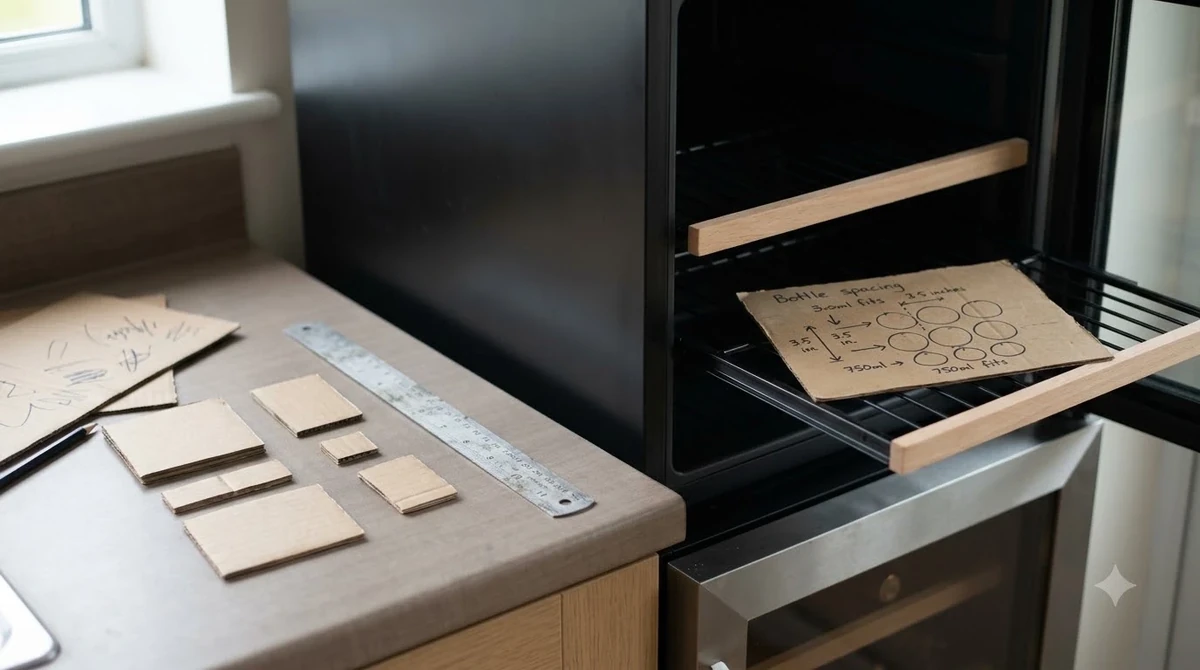
Temperature stability is the single most critical factor for long-term wine preservation. Ideally, unopened bottles should rest between 50°F and 59°F (10°C to 15°C), with 55°F serving as the classic cellar benchmark. Heat accelerates chemical reactions inside the glass, prematurely cooking the fruit flavors into stewed notes and causing the liquid to expand against the cork. Rapid temperature swings are equally damaging, as repeated expansion and contraction of the wine pumps air past the cork seal.
Bottle orientation and ambient light also dictate shelf life. Natural cork closures—used on virtually all Crianza, Reserva, and Gran Reserva bottles—must remain in contact with the wine so they stay moist and swollen against the glass neck. Storing bottles horizontally prevents the cork from drying out and shrinking, which would otherwise allow excess oxygen to seep inside. Keep bottles in a dark closet, basement, or wine fridge, as ultraviolet rays degrade organic compounds and strip away delicate aromatics.
Tip: If you store unopened Rioja in a standard home closet rather than a dedicated wine cooler, choose an interior closet on the lowest floor away from exterior walls, heating vents, and appliances to minimize daily temperature fluctuations.
Signs an Unopened Bottle of Rioja Has Gone Past Its Prime
Unopened Rioja does not spoil into something hazardous to drink, nor does it turn into vinegar unless the seal has completely failed. Instead, an over-the-hill bottle gradually fades, losing its fruit core, aromatic lift, and structural tension.
Before you even pull the cork, visual clues on the bottle can reveal whether storage heat or age has compromised the wine. Check the fill level (ullage) in the neck: in a healthy young or mid-aged bottle, the wine should sit within half an inch to an inch of the bottom of the cork. If the wine level has dropped well into the shoulder of the bottle, evaporation has occurred through a weakened seal. Likewise, a cork pushing slightly upward out of the neck or sticky dried wine residue beneath the foil capsule signals past heat damage.
Once poured into a glass, a past-prime red Rioja shows distinct sensory shifts. While healthy aged Rioja displays a brick-red or tawny rim with vibrant aromas of dried cherry, leather, and sweet tobacco, an oxidized or faded bottle turns dull brown throughout and smells flat, nutty, or faintly like wet cardboard or stewed prunes. On the palate, the refreshing acidity disappears, leaving a thin, astringent, or hollow finish.
Serving and Opening Aged Unopened Rioja
Properly cellaring an unopened bottle is only half the equation; how you open, decant, and serve Rioja after years in storage dramatically affects its flavor in the glass. Older bottles require gentler handling and slightly cooler serving temperatures than youthful releases.
Serve red Rioja slightly below room temperature, ideally between 58°F and 64°F (14°C to 18°C). Serving Rioja too warm exaggerates alcohol heat and flattens subtle tertiary notes of cedar and dried herbs, while a light cellar chill keeps the natural acidity crisp. White and rosé Rioja should be served chilled between 43°F and 50°F (6°C to 10°C), though mature oak-aged white Reservas show far more aromatic nuance toward the upper end of that range.
Decanting strategy depends heavily on the bottle’s age. Young Crianza and recently released Reserva bottles benefit from 30 to 60 minutes in a decanter to soften firm tannins and open up tightly wound fruit. For Gran Reservas that are 15 or more years old, stand the bottle upright for 24 to 48 hours before opening so fine sediment settles to the base, then pour gently into a decanter 30 to 45 minutes before dinner—or let the wine evolve slowly right in your glass so delicate aromatics do not dissipate too quickly.
Frequently Asked Questions
Does unopened Rioja expire if you keep it past the vintage date on the label?
No, the year printed on a Rioja label is the grape harvest vintage, not an expiration date. Unopened Rioja does not become unsafe to drink over time, and Reserva or Gran Reserva bottles are specifically crafted to improve for 10 to 30 years after that vintage date when kept in cool, dark storage.
How long does unopened Rioja Crianza last compared to Reserva?
An unopened bottle of Rioja Crianza is typically at its peak for 3 to 7 years from the vintage date, offering a balanced mix of fresh red fruit and gentle oak spice. Rioja Reserva undergoes longer barrel and bottle aging before release and uses more structured fruit, allowing unopened bottles to hold and develop for 5 to 15 years.
Can you store unopened Rioja standing upright?
You can store screw-cap Joven bottles upright indefinitely, and cork-finished bottles can stand upright safely for a few weeks or months. For storage lasting longer than a year, always lay cork-sealed Rioja bottles on their side so the wine keeps the cork moist and prevents air from leaking into the bottle.
How does Rioja shelf life compare to boxed wine or mead?
Cork-sealed Rioja ages far longer than bag-in-box packaging, as explained in our guide on how long boxed wine lasts unopened, where plastic bladders allow slow oxygen ingress within months. However, if you are curious about how long mead lasts unopened, traditional high-ABV honey wines can match or exceed Gran Reserva Rioja’s multi-decade stability.
Checking the aging classification on the label gives you an immediate blueprint for when to pop the cork on any bottle of Rioja. Whether you are opening a lively Joven for weeknight tapas or cellaring a structured Gran Reserva for a milestone anniversary, storing the bottle horizontally in a cool, dark spot ensures every glass delivers the balance of fruit, oak, and acidity the winemaker intended.
More in Wine Types & Grapes
 Zinfandel Sugar Content: Dry Red vs. White Zinfandel GramsUpdated Nov 21, 2026
 Best Zinfandel Substitute Options for Sipping and CookingUpdated Nov 21, 2026
 Zweigelt Food Pairing: Best Dishes, Cheeses, and Serving TipsUpdated Nov 21, 2026
 Zinfandel Tannins Explained: How Structure Shapes Every BottleUpdated Nov 21, 2026
 Zinfandel Sweetness Level: Dry Red vs. Sweet White Zin ExplainedUpdated Nov 21, 2026
 Xinomavro Food Pairing: Best Dishes, Styles, and Serving TipsUpdated Nov 21, 2026