

We may earn a commission when you buy through links on this page, at no extra cost to you. Learn more.
How long does Pinot Gris last unopened depends primarily on the style in the bottle, with everyday crisp versions staying fresh for 1 to 3 years and richer, full-bodied styles aging gracefully for 5 years or more. While unopened bottles do not spoil in a way that makes them unsafe to drink, their bright fruit aromas and crisp acidity gradually fade over time. Storing the bottle in a cool, dark place away from heat and direct sunlight is essential to reaching the upper end of that drinking window.
Pinot Gris and Pinot Grigio come from the exact same grayish-pink grape variety, yet winemakers produce them in distinctly different ways across the globe. Because of those winemaking choices, one bottle in your pantry might be built for immediate refreshment this summer while another can rest in a cellar for half a decade.
Unopened Pinot Gris Shelf Life by Style
Most commercial Pinot Gris is crafted for early enjoyment within one to three years of its vintage date, though structured, late-harvest, or Grand Cru expressions can develop complexity for five years or longer.
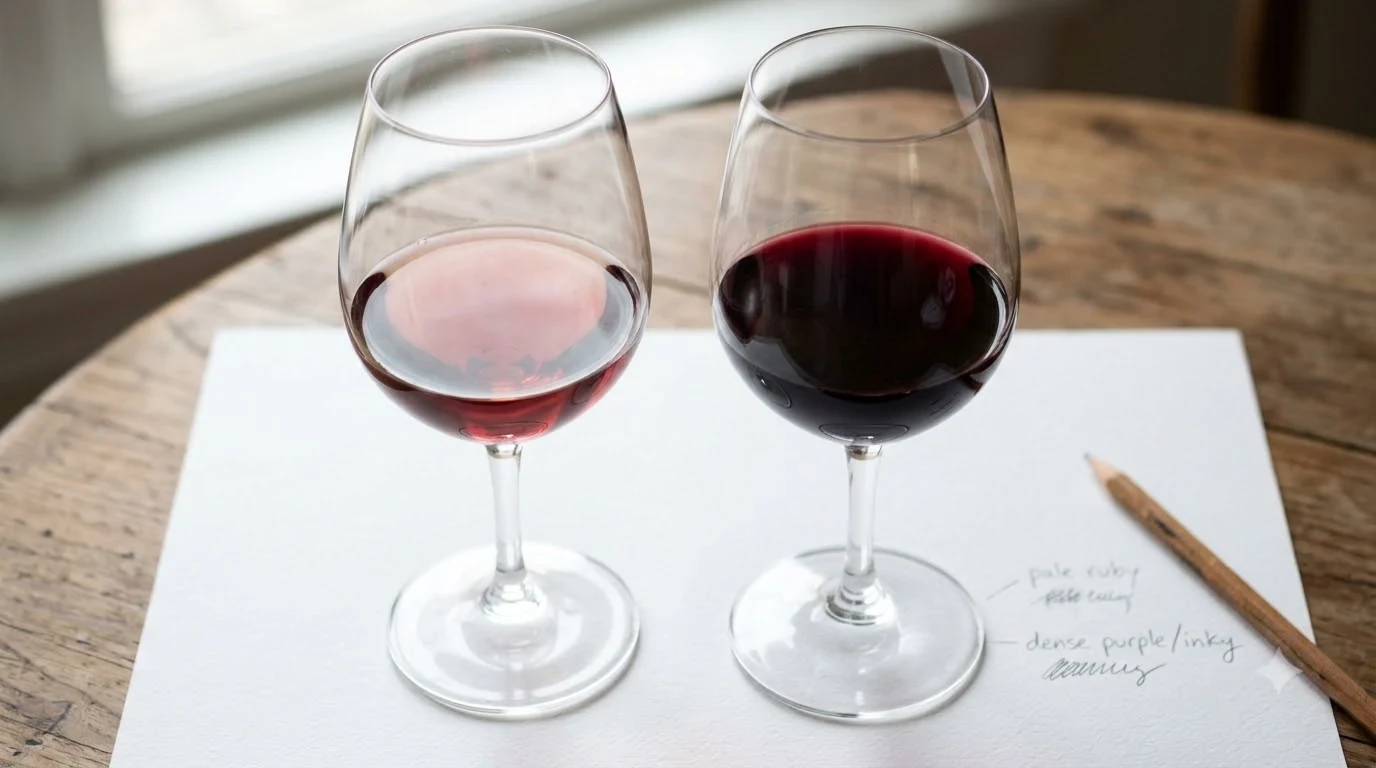
According to Decanter, light, crisp Pinot Grigio styles are best enjoyed young and fresh, ideally within a year or two of the vintage, whereas richer Alsace Pinot Gris can age beautifully for five years or more. The gap between these timelines comes down to vineyard yields, grape ripeness at harvest, and whether the wine spent time in stainless steel or oak barrels. Light-bodied bottles rely on primary citrus and orchard fruit flavors that naturally diminish as trace amounts of oxygen pass through the closure.
In contrast, Wine Folly highlights three distinct styles of the grape: minerally and dry, fruity and dry, and fruity and sweet. Fruity and dry styles from Oregon, California, or New Zealand often carry fuller body and softer texture, allowing them to hold their appeal for roughly two to four years. Meanwhile, sweet late-harvest styles from Alsace, labeled Vendange Tardive or Sélection de Grains Nobles, contain concentrated residual sugar and vibrant acidity that preserve the wine well beyond the five-year mark.
| Pinot Gris Style | Typical Regions | Unopened Shelf Life | Key Structural Traits |
|---|---|---|---|
| Minerally and Dry (Pinot Grigio) | Alto Adige, Trentino, Friuli | 1 to 2 years | High acidity, crisp citrus, stainless steel fermented |
| Fruity and Dry (New World Pinot Gris) | Oregon, California, New Zealand | 2 to 4 years | Ripe stone fruit, medium-to-full body, softer texture |
| Rich and Dry or Off-Dry | Alsace (including Grand Cru) | 3 to 7 years | Concentrated fruit, spice notes, higher extract |
| Sweet / Late Harvest | Alsace (Vendange Tardive) | 5 to 10+ years | High residual sugar, balancing acidity, noble rot |
If you are comparing different bottles on your wine rack, checking the label for both the region and the vintage year gives you the clearest clue about priority. You can also explore how other popular Wine by Type categories compare when deciding which bottles to open first.
Why Storage Conditions Matter More Than the Vintage Date
Even a well-structured Pinot Gris will lose its freshness prematurely if kept in a warm kitchen, while a cool, dark closet can preserve an everyday bottle for its full lifespan.
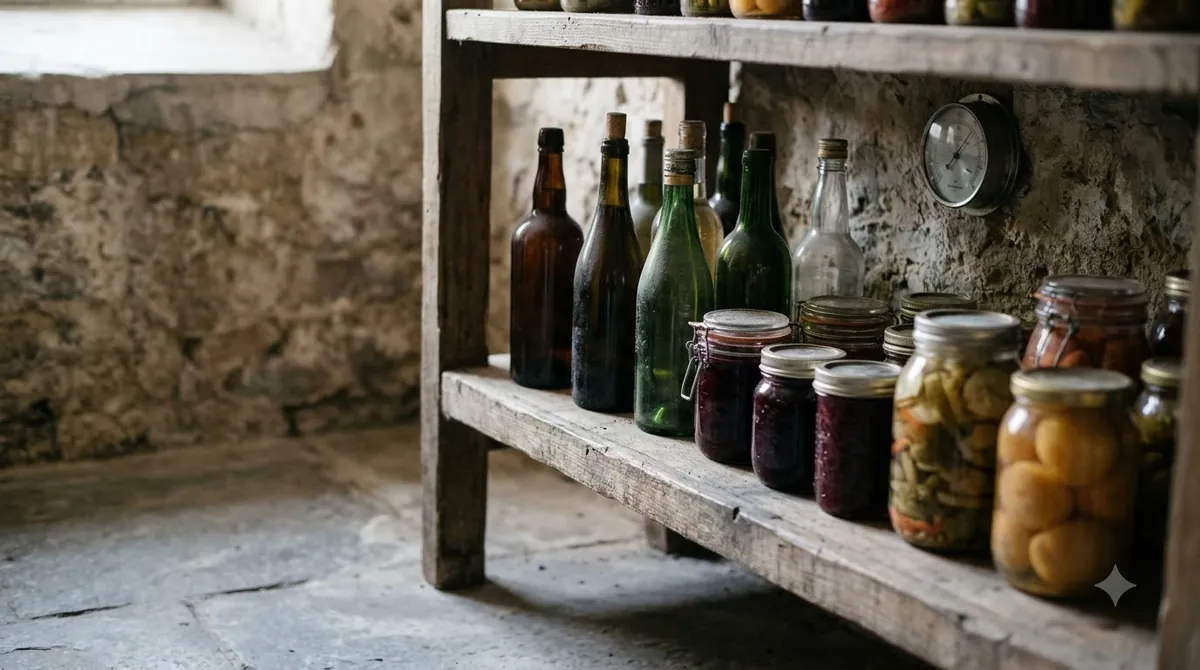
Temperature fluctuations are the biggest enemy of unopened white wine. Heat accelerates the chemical reactions inside the glass, dulling delicate aromas of pear, apple, and lemon blossom while pushing the wine toward flat, nutty flavors. Wine Folly notes that improper storage conditions can shorten a wine’s lifespan substantially, making a consistent, cool environment far more important than the exact date printed on the label.
Light exposure poses a similar risk, especially because Pinot Gris is frequently bottled in clear or light-green flint glass rather than dark amber or emerald bottles. Ultraviolet rays from sunlight or harsh overhead kitchen fixtures can trigger light-strike, a reaction that creates unpleasant sulfurous aromas reminiscent of cooked cabbage. Keeping bottles in an interior closet, basement, or dedicated wine fridge shields the liquid from both UV rays and daily temperature swings.
Closure type also plays a subtle role in how an unopened bottle ages. Bottles sealed with screw caps prevent virtually all oxygen ingress, locking in crisp fruit flavors for two to three years without needing to be stored on their sides. Bottles finished with natural cork should be stored horizontally so the wine stays in contact with the cork, keeping it moist and swollen against the glass neck.
Tip: Never store unopened Pinot Gris on top of your refrigerator or next to the stove, as constant heat and motor vibrations quickly flatten white wine aromatics.
Pinot Gris vs. Pinot Grigio: Does the Name Change Shelf Life?
Although Pinot Gris and Pinot Grigio are genetically identical grapes, the name on the front label signals a winemaking style that directly affects how long the bottle will last.
When producers label a bottle as Pinot Grigio, they are usually following the Italian model: harvesting the grapes slightly earlier to preserve brisk acidity and fermenting the juice in temperature-controlled stainless steel tanks. Because these wines are built around fresh, zesty primary fruit and lack oak tannins or heavy residual sugar, they peak quickly. Knowing how long does pinot grigio last unopened helps explain why most Italian-style bottles are best pulled from the rack within 12 to 24 months of release.
When a winemaker chooses the French name Pinot Gris—common in Alsace, Oregon’s Willamette Valley, and New Zealand—it generally signals riper fruit, fuller body, and occasionally partial oak aging or lees contact. Those extra layers of texture and phenolic structure give the wine a slightly longer runway in the bottle. While most domestic Pinot Gris still drinks best within two to three years, top-tier examples from cool-climate sites can easily hold their poise for four or five years.
How to Tell If an Old Unopened Bottle Has Gone Bad
An expired or heat-damaged bottle of Pinot Gris is safe to taste, so your eyes, nose, and palate are the most reliable tools for checking its condition.
Start by inspecting the bottle before you pull the cork or twist the cap. If the cork is pushing slightly upward out of the neck or you see sticky wine residue dried around the foil capsule, the bottle was likely exposed to excessive heat that caused the liquid to expand. Once poured into a glass, look at the color: young Pinot Gris ranges from pale straw to light yellow-gold, whereas an oxidized bottle turns deep amber, dull brownish-gold, or murky orange.
Next, swirl the glass and take a careful sniff before taking a sip. Fresh Pinot Gris smells of white peach, Bartlett pear, citrus zest, or subtle baking spices, depending on its origin. If the aroma reminds you of bruised apples, stale sherry, wet cardboard, or sharp vinegar, oxygen has compromised the wine. Tasting a small sip will confirm the flaw—an over-the-hill bottle tastes flat, hollow, and noticeably sour on the finish rather than crisp and refreshing.
Comparing Pinot Gris to Other Unopened Wines
White wines generally have shorter shelf lives than reds because they lack the natural preservative power of grape-skin tannins, though packaging and grape variety create clear differences.
If you have several styles of wine stored at home, understanding their relative timelines helps you organize what to drink first. Light red wines made from the parent grape behave quite differently; reviewing how long does pinot noir last unopened shows that Pinot Noir often holds up for two to five years—or longer for structured cellar bottles—thanks to its gentle tannins and acidity.
Packaging format also changes the clock dramatically compared to standard glass bottles. If you keep larger-format wines on hand for casual gatherings, checking how long does boxed wine last unopened reveals a much shorter window of roughly six to eight months for white bag-in-box wines, since plastic bladders allow gradual oxygen transfer over time.
Frequently Asked Questions
Does unopened Pinot Gris need to be refrigerated?
No, unopened Pinot Gris does not need to stay in your kitchen refrigerator until the day you plan to serve it. Standard household refrigerators run colder and drier than ideal wine storage, which can dry out natural corks over long periods. Keep unopened bottles in a cool, dark pantry or closet, then chill the bottle in the fridge for a few hours before pouring.
Can you drink 5-year-old unopened Pinot Gris?
Yes, 5-year-old unopened Pinot Gris is completely safe to drink, provided the seal remained intact. Whether it still tastes delicious depends on the style and storage history: a rich Alsace or reserve Oregon Pinot Gris kept in a cool cellar can still show lovely honeyed fruit and spice, while a basic bottle stored in a warm kitchen will likely taste flat and oxidized.
Does Pinot Gris with a screw cap last as long as a corked bottle?
Yes, screw-cap Pinot Gris lasts just as long as—and often fresher than—a cork-finished bottle within its intended one-to-three-year drinking window. Screw caps create an airtight seal that eliminates the risk of cork taint and prevents premature oxidation. You can also store screw-cap bottles standing upright without worrying about a cork drying out.
How long does Pinot Gris last after you open it?
Once opened, most Pinot Gris stays fresh for three to five days when tightly resealed and stored upright in the refrigerator. Cold temperatures slow down oxidation, helping preserve the wine’s crisp acidity and fruit aromas. If you notice the flavors turning dull or vinegary after a few days, the remaining wine can still be used for cooking.
Checking the region and vintage on your bottle takes only a few seconds and tells you whether your Pinot Gris is ready for tonight’s dinner or safe to save for a future gathering. As long as you store your bottles away from heat and bright light, you can enjoy every glass at its bright, aromatic peak.
More in Wine Types & Grapes
 Zinfandel Sugar Content: Dry Red vs. White Zinfandel GramsUpdated Nov 21, 2026
 Best Zinfandel Substitute Options for Sipping and CookingUpdated Nov 21, 2026
 Zweigelt Food Pairing: Best Dishes, Cheeses, and Serving TipsUpdated Nov 21, 2026
 Zinfandel Tannins Explained: How Structure Shapes Every BottleUpdated Nov 21, 2026
 Zinfandel Sweetness Level: Dry Red vs. Sweet White Zin ExplainedUpdated Nov 21, 2026
 Xinomavro Food Pairing: Best Dishes, Styles, and Serving TipsUpdated Nov 21, 2026