

We may earn a commission when you buy through links on this page, at no extra cost to you. Learn more.
How long does organic wine last unopened depends primarily on its certification tier and sulfite levels, with USDA Certified Organic wines lasting roughly 3 to 6 months to 1 year and wines labeled “made with organic grapes” or EU organic lasting 1 to 5 years or more. Because strict USDA Organic rules prohibit added sulfur dioxide, those bottles lack the primary antioxidant preservative that protects conventional wines from premature oxidation. By contrast, bottles that allow modest sulfite additions retain the stability needed for multi-year cellaring when stored in cool, dark conditions.
Walking down the wine aisle, shoppers often assume that every organic bottle shares the same aging timeline, yet labeling laws create dramatic differences inside the glass. A bottle carrying the green USDA Organic seal behaves very differently in your pantry than an imported European organic red or a domestic bottle made from organically grown fruit. Understanding how certification standards, natural preservatives, and storage conditions interact ensures you open every bottle at its peak rather than letting a prized vintage fade past its prime.
Understanding Organic Wine Labels and Shelf Life
The exact wording on a front or back label is the single clearest predictor of how long an unopened bottle will stay fresh. Under federal and international winemaking standards, “organic” encompasses distinct production categories with vastly different preservative rules.
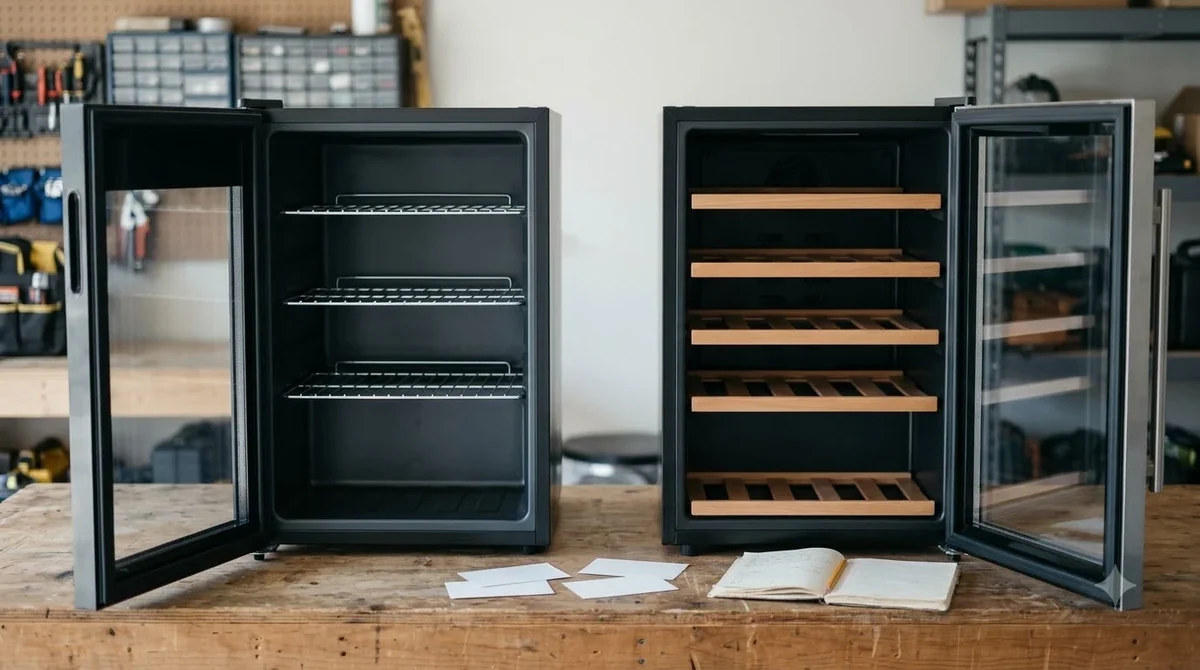
According to Wine Folly, wines certified as 100 percent USDA Organic are prohibited from using any added sulfites during fermentation or bottling. Only naturally occurring sulfites generated by yeast during fermentation are present, typically remaining below 10 parts per million. Without extra sulfur dioxide to guard against oxygen and microbial spoilage, Wine Folly notes that strict USDA Organic wines are best treated like fresh grocery items with an optimal window of roughly three to six months after release, though well-stored reds may hold up for up to a year.
A second, far more common tier on American shelves carries the phrasing “Made with Organic Grapes.” These bottles come from vineyards farmed without synthetic pesticides or chemical fertilizers, yet winemakers are permitted to add up to 100 parts per million of sulfites to stabilize the finished wine. That modest buffer gives these bottles a shelf life much closer to conventional releases, easily lasting one to three years for whites and rosés and three to five years or longer for structured reds.
European Union organic wine regulations follow a similar middle-ground philosophy. EU organic standards allow winemakers to add limited amounts of sulfur dioxide—capped lower than conventional wine limits, which reach up to 350 parts per million in the United States—while maintaining strict organic farming rules in the vineyard. Because of this permitted sulfite protection, many age-worthy European organic wines from Bordeaux, Burgundy, Rioja, and Tuscany can mature gracefully in a cellar for a decade or more.
Unopened Shelf Life by Organic Wine Category
Comparing organic tiers alongside wine styles clarifies which bottles belong in your immediate dinner rotation and which ones can rest on a rack. Acidity, tannins, sugar, and alcohol all work alongside sulfite rules to determine longevity.
| Label Category / Style | Permitted Added Sulfites | Typical Unopened Shelf Life | Best Storage Approach |
|---|---|---|---|
| USDA Certified Organic (White & Rosé) | None (only natural trace amounts under 10 ppm) | 3 to 6 months | Drink young; keep chilled or in a cool, dark spot |
| USDA Certified Organic (Red) | None (only natural trace amounts under 10 ppm) | 6 to 12 months | Store below 60°F away from light and heat |
| Made with Organic Grapes (White & Rosé) | Up to 100 ppm | 1 to 3 years | Cool, dark pantry or wine fridge |
| Made with Organic Grapes (Red) | Up to 100 ppm | 3 to 5+ years | Temperature-controlled rack on its side |
| EU Certified Organic (Still Reds & Whites) | Limited (lower than conventional 350 ppm cap) | 2 to 10+ years (style-dependent) | Cellar conditions for structured, age-worthy bottles |
These timelines represent optimal windows for flavor, aroma, and structural balance rather than hard safety deadlines. Wine does not spoil in a way that makes it dangerous to drink; instead, an over-the-hill organic bottle loses its vibrant fruit, develops flat or nutty bruised-apple aromas, and eventually turns toward vinegar. While format also shapes longevity—much like how how long does boxed wine last unopened depends on an airtight inner bladder rather than glass—standard 750-milliliter organic bottles rely entirely on their internal chemistry and closure seal.
If you are browsing Wine by Type to stock a home rack, match your buying habits to the label tier. Pick up zero-added-sulfite USDA Organic bottles for weeknight meals within the current season, and reserve “Made with Organic Grapes” or EU organic labels for multi-year keeping.
Why Sulfites and Wine Chemistry Control Longevity
To understand why two bottles grown in identical organic vineyards age at different speeds, it helps to look at how sulfur dioxide functions inside a sealed bottle. Sulfites act as both an antimicrobial shield and an antioxidant buffer.
As Wine Folly’s guide to sulfites explains, sulfur dioxide slows down the chemical reactions that cause wine to oxidize and lose freshness over time. Even before a cork is pulled, tiny amounts of oxygen gradually migrate through natural cork pores or interact with trace dissolved oxygen trapped at bottling. Sulfites bind to those reactive compounds, preserving crisp citrus notes in white wines and bright berry aromas in reds.
Natural wine chemistry also plays a decisive role in how much protection a bottle needs. Higher acidity—meaning a lower pH—naturally inhibits bacterial growth and keeps a wine stable on its own. Wine Folly notes that once a wine’s pH climbs to 3.6 and above, it becomes significantly less microbiologically stable and relies far more heavily on sulfites to survive long-term storage.
Tannins and color pigments provide another layer of built-in defense. Red wines extract phenolic compounds from grape skins, seeds, and stems during maceration, and these polyphenols absorb oxygen slowly over time. That explains why a structured organic red holds up longer than a delicate, low-tannin organic Pinot Grigio or rosé—a principle that also shapes how long does cabernet sauvignon last unopened when comparing cellar-worthy reds against lighter styles.
How Storage Conditions Affect Unopened Organic Wine
Because organic wines operate with lower chemical preservatives than conventional bottles, environmental stress accelerates their aging curve much faster. A bottle stored on top of a warm refrigerator or near a sunny kitchen window can degrade in a matter of weeks.
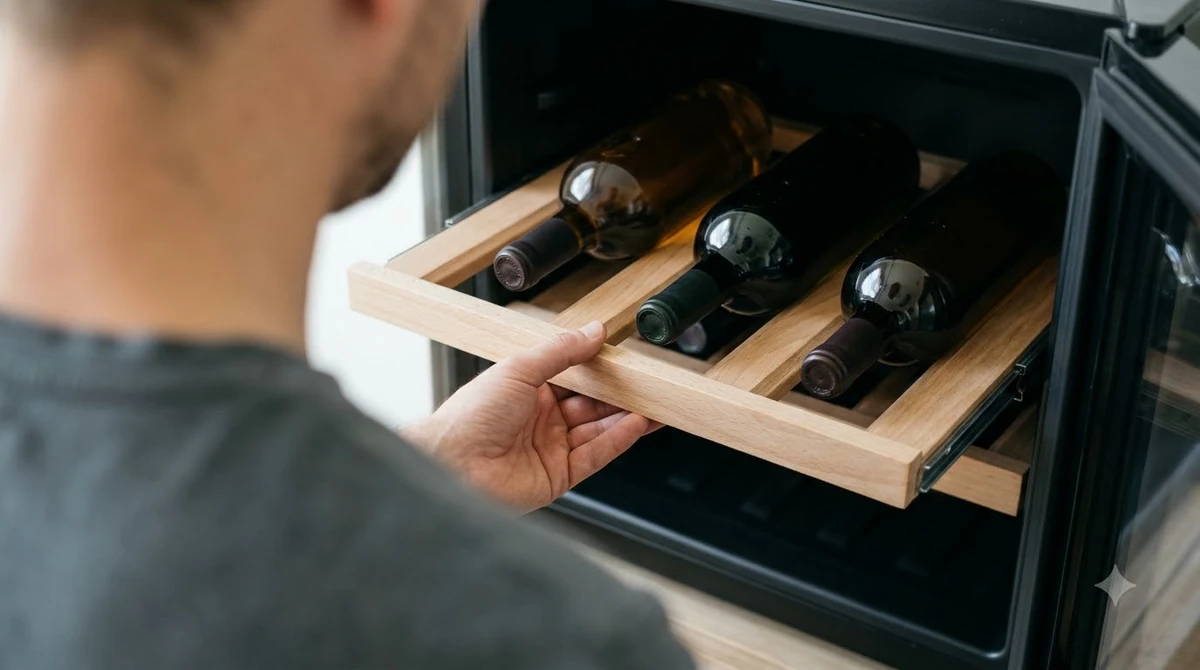
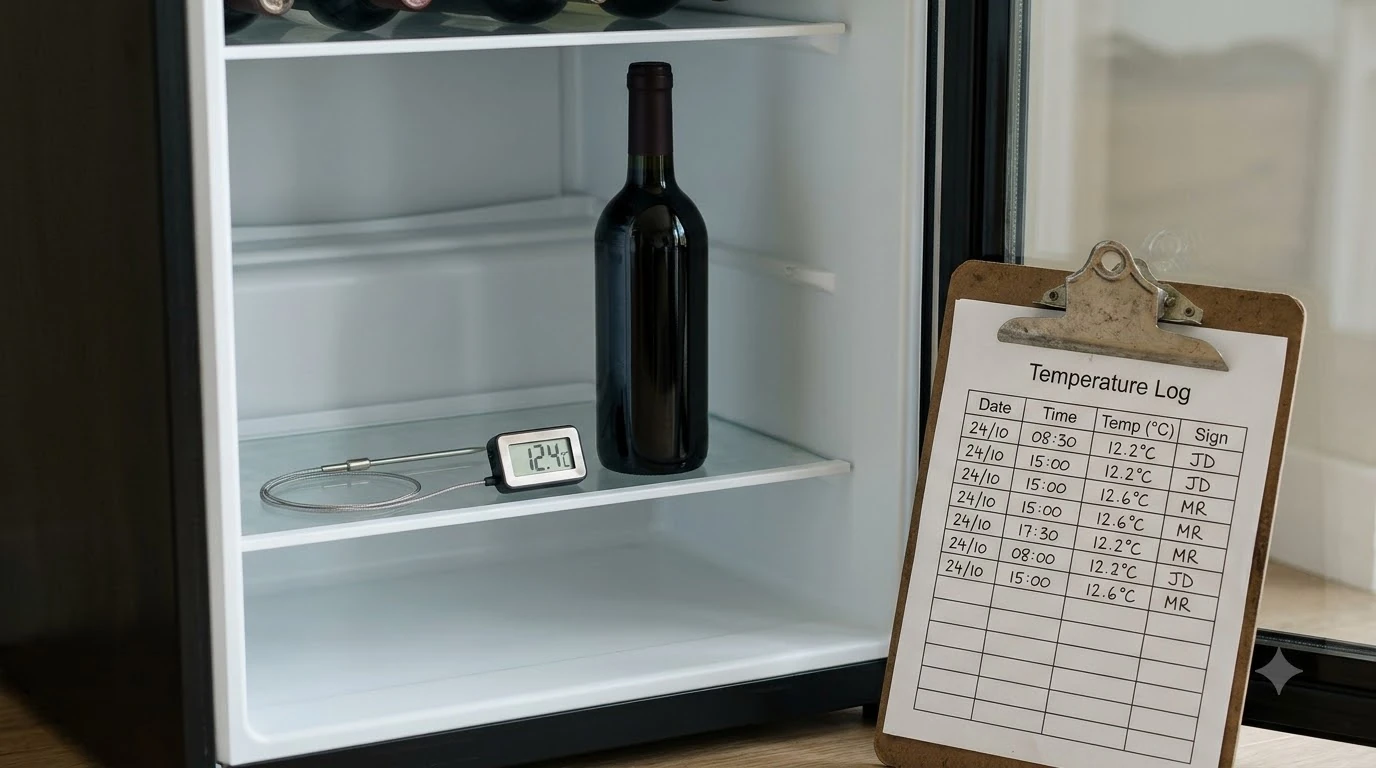
Temperature stability is the single most critical factor for preserving an unopened organic bottle. Ideal long-term wine storage sits around 55°F (13°C), and temperatures above 70°F (21°C) rapidly speed up oxidation and flatten delicate fruit aromas. Even more damaging than steady warmth are sharp daily temperature swings, which cause the liquid inside to expand and contract, pushing air past the cork seal.
Light exposure and humidity also govern how well the closure protects the wine. Ultraviolet rays from direct sunlight or harsh fluorescent fixtures break down organic compounds and trigger premature aging, which is why winemakers favor dark green or amber glass. Meanwhile, storing cork-finished bottles horizontally keeps the cork moist and swollen against the glass neck, preventing outside air from seeping inside.
Tip: If you buy a USDA Certified Organic bottle without added sulfites, store it in the refrigerator or the coolest dark closet in your home and plan to open it within a few months of purchase.
Signs an Unopened Organic Bottle Has Gone Past Its Prime
Even with careful storage, an organic bottle that sat in a warm warehouse before reaching the store shelf can show signs of premature aging. Inspecting the bottle before pulling the cork often reveals clues about its condition.
Start by checking the physical seal and fill level. If the cork is visibly pushing upward past the lip of the bottle or sticky dried wine has seeped around the capsule, the wine likely experienced heat expansion that broke the airtight barrier. A noticeable drop in the liquid level well below the neck—known as ullage—similarly signals that evaporation and oxygen ingress have occurred.
Once poured, your eyes and nose provide the final verdict. White wines that have oxidized turn deep amber or brownish-gold, while tired red wines shift from vibrant ruby to dull brick-brown. On the nose, flat stewed fruit, wet cardboard, sharp nail-polish-like volatile acidity, or distinct vinegar aromas confirm the bottle has oxidized past its drinking window, contrasting sharply with high-sugar or honey-based fermentations explored in how long does mead last unopened.
Frequently Asked Questions
Does organic wine expire faster than regular wine?
Yes, strict USDA Certified Organic wines expire faster than conventional wines because they contain no added sulfites to slow oxidation. While conventional everyday wines typically last 2 to 5 years unopened, zero-added-sulfite organic bottles are best enjoyed within 3 to 12 months. Wines labeled “made with organic grapes” or EU organic include modest sulfites and last nearly as long as regular wine.
Can you age USDA organic wine for several years?
Most USDA Certified Organic wines are not built for multi-year cellaring because the prohibition on added sulfur dioxide leaves them vulnerable to oxidation and microbial drift. They are crafted to showcase fresh, primary fruit flavors shortly after bottling. If you want an organic wine that improves with age, choose a structured red labeled “made with organic grapes” or a certified EU organic vintage.
Should unopened organic wine be stored in the fridge?
Storing unopened USDA Certified Organic wine in a refrigerator or a 55°F wine cooler is an effective way to preserve its freshness if you plan to drink it within a few months. Cooler temperatures dramatically slow down chemical oxidation in low-sulfite bottles. For long-term storage exceeding several months, however, a dedicated wine fridge is preferable to a standard kitchen refrigerator, which can dry out natural corks over time.
Is it safe to drink old unopened organic wine?
Drinking an unopened bottle of organic wine that has passed its prime is generally safe, as wine’s alcohol and acidity prevent harmful pathogens from growing. However, an over-aged or oxidized organic bottle will taste flat, sour, or vinegary and lose its intended varietal character. Always inspect the cork, color, and aroma before pouring a full glass.
Checking the exact organic certification on the label takes only a second and tells you immediately whether a bottle belongs on tonight’s dinner table or in a cool cellar rack. Keep zero-added-sulfite USDA Organic releases chilled and fresh for near-term enjoyment, and store sulfite-protected organic bottles away from heat and light so every glass pours crisp, balanced, and true to the vineyard.
More in Wine Types & Grapes
 Zinfandel Sugar Content: Dry Red vs. White Zinfandel GramsUpdated Nov 21, 2026
 Best Zinfandel Substitute Options for Sipping and CookingUpdated Nov 21, 2026
 Zweigelt Food Pairing: Best Dishes, Cheeses, and Serving TipsUpdated Nov 21, 2026
 Zinfandel Tannins Explained: How Structure Shapes Every BottleUpdated Nov 21, 2026
 Zinfandel Sweetness Level: Dry Red vs. Sweet White Zin ExplainedUpdated Nov 21, 2026
 Xinomavro Food Pairing: Best Dishes, Styles, and Serving TipsUpdated Nov 21, 2026