

We may earn a commission when you buy through links on this page, at no extra cost to you. Learn more.
If you are wondering how long does non alcoholic wine last after opening, most still bottles stay fresh for 3 to 5 days in the refrigerator, while sparkling bottles last 1 to 2 days with a tight stopper. Because alcohol acts as a natural preservative in conventional wine, removing it leaves dealcoholized wine much more vulnerable to oxygen and microbial spoilage. Resealing the bottle promptly and keeping it chilled at standard refrigerator temperatures slows down flavor loss and keeps the aromatics intact.
Opening a bottle of alcohol-removed wine for a single weeknight glass often leaves plenty behind for later, yet many drinkers assume a zero-proof bottle will sit on the counter or in the fridge indefinitely. In reality, non-alcoholic wine behaves much closer to fresh fruit juice once the seal breaks, making proper storage habits essential from the very first pour.
Shelf Life by Non-Alcoholic Wine Style
The exact drinking window for an opened bottle depends heavily on carbonation, residual sugar, acidity, and whether the liquid contains trace alcohol up to 0.5% ABV or is strictly 0.0% ABV.
Still white and rosé styles generally sit near the upper end of the 3-to-5-day window when tightly capped and refrigerated. Their brighter acidity helps buffer early flatness, though delicate floral and citrus notes fade noticeably after the second day. Still red styles also last roughly 3 to 5 days in the fridge, yet they lose their fruit vibrancy faster than conventional reds because dealcoholization alters how tannins sit on the palate without ethanol to carry them.
Sparkling non-alcoholic wines have the shortest lifespan of all, typically holding their fizz and crispness for just 1 to 2 days after opening. Carbon dioxide escapes rapidly every time the bottle is uncorked, and without high alcohol or heavy lees aging to cushion the palate, flat zero-proof bubbly quickly tastes like sweet grape water. Always use a dedicated sparkling wine stopper rather than a standard cork, as pressure inside the neck will push a regular stopper right out.
| Non-Alcoholic Wine Style | Opened Shelf Life (Refrigerated) | Recommended Closure | First Signs of Decline |
|---|---|---|---|
| Still White & Rosé (0.0% to 0.5% ABV) | 3 to 5 days | Original screw cap or tight rubber wine stopper | Muted citrus/floral aromas, watery mid-palate |
| Still Red (0.0% to 0.5% ABV) | 3 to 5 days | Original screw cap or vacuum wine pump stopper | Dull berry fruit, sharp or hollow finish |
| Sparkling White & Rosé (0.0% to 0.5% ABV) | 1 to 2 days | Hinged sparkling wine sealer | Loss of effervescence, overly sweet taste |
| Sweet / Aromatic Styles (e.g., Muscat) | 4 to 5 days | Tight wine stopper or screw cap | Flattened acidity, syrupy aftertaste |
You can compare these tight windows against traditional bottles across different Wine by Type categories, where higher alcohol, sugar, and oxidation techniques stretch longevity dramatically. While a conventional fortified style like Madeira remains drinkable for months—as covered in our guide on how long does madeira last after opening—alcohol-removed bottles have none of that built-in armor and should always be treated as short-term perishables.
Why Non-Alcoholic Wine Spoils Faster Than Regular Wine
In traditional winemaking, ethanol serves as a powerful antimicrobial agent and structural stabilizer, so removing it strips away the bottle’s primary defense against air.
As Wine Folly’s overview of non-alcoholic wine explains, alcohol is far more than a source of warmth; it carries volatile aromas to the nose, adds viscosity and weight, extracts tannins, and acts as a natural preservative. When producers pass fermented wine through spinning cone columns or reverse osmosis membranes to bring the alcohol level down to 0.5% ABV or 0.0% ABV, the resulting liquid becomes much more fragile once exposed to ambient oxygen.
Without ethanol inhibiting ambient yeasts and acetic acid bacteria, an unrefrigerated bottle left on a kitchen counter can begin fermenting again or turning sour within 24 to 48 hours. Many producers add a modest amount of grape must or concentrated juice after dealcoholization to restore body and balance sharp acidity. That extra residual sugar gives airborne microbes an easy food source if the bottle warms up at room temperature.
Even before microbial spoilage sets in, rapid oxidation flattens the reconstructed aroma profile. Spinning cone technology captures delicate aromatic compounds before alcohol removal and blends them back in at the end of production, which means those top-note esters are especially vulnerable to evaporating or oxidizing as soon as air fills the headspace of a half-empty bottle.
How to Store Opened Non-Alcoholic Wine Properly
Simple temperature and oxygen-control habits can easily add two full days of enjoyable flavor to an opened bottle of zero-proof wine.
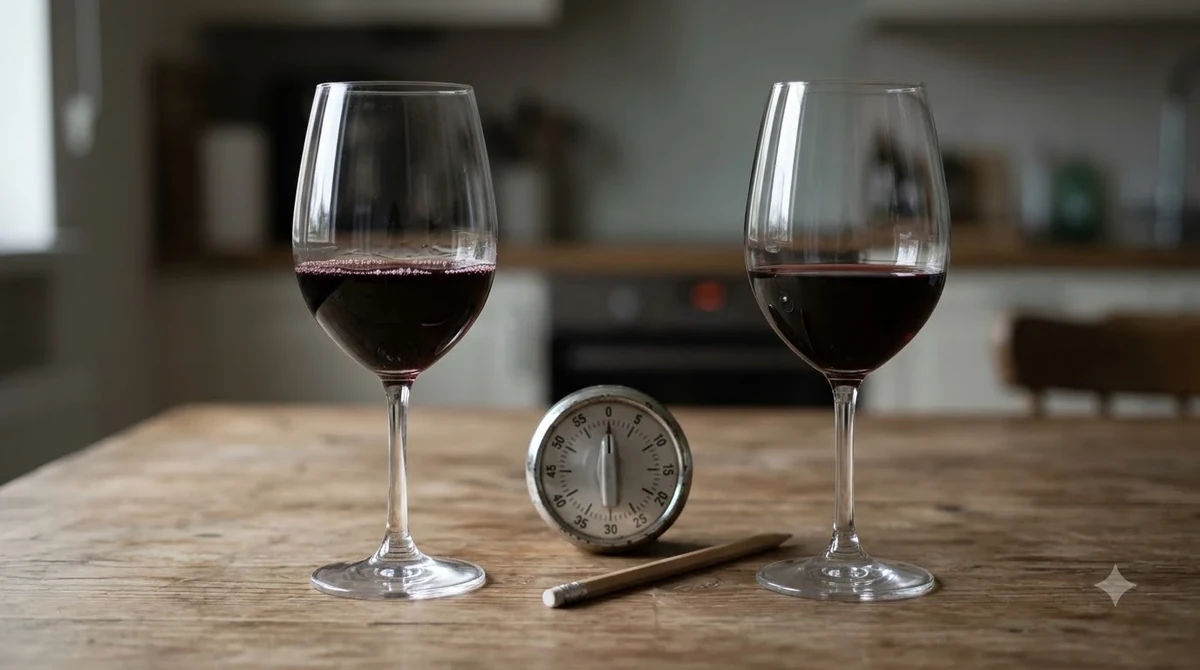
Your most effective tool is your standard kitchen refrigerator. Cold temperatures dramatically slow down both chemical oxidation and microbial growth, so put the bottle back in the fridge immediately after pouring your glass rather than letting it sit on the dinner table all evening. Even still red non-alcoholic wines should go straight into the refrigerator; you can always take the bottle out 15 to 20 minutes before pouring your next glass to let the chill soften slightly.
Minimizing oxygen contact inside the bottle is the second crucial step. Re-seal the bottle within 30 minutes of opening using its original screw cap, a snug silicone wine stopper, or a vacuum pump stopper that pulls excess air out of the neck. Store the bottle upright rather than on its side so the liquid exposes the smallest possible surface area to the trapped air inside.
Tip: If you routinely drink only one glass at a time, decant the leftover half-bottle into a clean 375-milliliter half-bottle and cap it tightly—eliminating empty air space keeps delicate aromas fresh for up to two days longer.
Keep opened bottles away from the refrigerator door if possible, or place them toward the back shelf where temperatures stay coldest and light exposure is minimal. Frequent temperature swings from opening the fridge door accelerate gas loss in sparkling bottles and dull the crisp fruit profile of whites and rosés.
How to Tell If Opened Non-Alcoholic Wine Has Gone Bad
Your nose, eyes, and palate will tell you right away when an opened bottle has crossed from fresh to past its prime.
Start by inspecting the appearance in a clear glass. White and rosé styles that have oxidized too far often take on a noticeably deeper yellow, amber, or brownish tint compared to how they looked on day one. In still reds, bright ruby hues shift toward dull brick brown, while unexpected cloudiness or floating sediment in a previously clear wine signals microbial activity.
Next, swirl the glass and take a careful sniff before sipping. Fresh alcohol-removed wine should smell cleanly of fruit, blossoms, or subtle oak, depending on the style. If you detect sharp vinegar notes, sour apple cider, wet cardboard, or a musty, yeasty funk, oxidation or refermentation has already taken over.
Finally, take a small sip to confirm. Past-prime non-alcoholic wine tastes thin, sour, or aggressively tart, with none of the fruit sweetness or rounded texture it had when first uncorked. Unlike traditional wines that sometimes soften and open up on day two—a trait seen in tannic reds and structured skin-contact bottles covered in our guide on how long does orange wine last after opening—most non-alcoholic wines peak on the first day and decline steadily afterward.
Unopened Shelf Life and Pantry Storage Rules
Before you pop the cork or twist the cap, unopened non-alcoholic wine still has a shorter shelf life than conventional wine and is not built for long-term cellaring.
While standard wines can often mature for years, unopened dealcoholized wines are crafted to be enjoyed young and typically carry a best-by date of 1 to 2 years from bottling. Checking the back label before purchasing helps ensure you are getting a recent release with vibrant fruit character intact.
Store unopened bottles in a cool, dark cabinet or pantry away from ovens, dishwashers, and direct sunlight, ideally at steady temperatures below 65°F. Heat and ultraviolet light break down fragile fruit esters and can cause slight pressure buildup in sparkling bottles, even before the seal is ever broken.
If you prefer sweeter bottles after dinner, keep in mind that even conventional sweet styles have limits once uncorked, as detailed in our breakdown of how long does dessert wine last after opening. For non-alcoholic versions, buying smaller 375-milliliter bottles or single-serve cans is often the smartest way to guarantee every pour tastes just as crisp as the winemaker intended.
Frequently Asked Questions
Can you leave opened non-alcoholic wine out on the counter overnight?
No, you should never leave an opened bottle of non-alcoholic wine at room temperature overnight. Because it lacks the natural preservative power of alcohol and often contains residual grape sugars, leaving it unrefrigerated encourages rapid oxidation and microbial growth that can sour the wine within 24 hours.
Does 0.5% ABV wine last longer after opening than 0.0% ABV wine?
Any difference in shelf life between 0.5% ABV and 0.0% ABV wine is negligible once the bottle is opened. At half a percent alcohol or less, there is not enough ethanol present to act as an effective preservative, so both styles require immediate refrigeration and should be finished within 3 to 5 days.
Is it safe to drink non-alcoholic wine that has been open for more than a week?
If the wine has been sealed tightly in the refrigerator the entire time, drinking it after a week usually just means putting up with flat, dull, or sour flavors rather than serious foodborne illness. However, if you notice fizzing in a still wine, visible cloudiness, mold around the cap, or a foul smell, pour it down the sink immediately.
Can you use leftover opened non-alcoholic wine for cooking?
Yes, opened non-alcoholic wine that has lost a bit of its fresh aroma after 4 or 5 days works well in pan sauces, braises, risottos, and marinades as long as it has not turned sour or spoiled. Just keep in mind that many alcohol-removed wines contain slightly more residual sugar than dry table wines, so taste your sauce and adjust acidity with a splash of lemon juice or vinegar.
Knowing how long does non alcoholic wine last after opening comes down to treating every bottle like a fresh, delicate beverage rather than an age-worthy cellar staple. Cap it tightly, chill it right away, and aim to finish still bottles within 3 to 5 days and sparkling bottles within 48 hours for the best flavor in every glass.
More in Wine Types & Grapes
 Zinfandel Sugar Content: Dry Red vs. White Zinfandel GramsUpdated Nov 21, 2026
 Best Zinfandel Substitute Options for Sipping and CookingUpdated Nov 21, 2026
 Zweigelt Food Pairing: Best Dishes, Cheeses, and Serving TipsUpdated Nov 21, 2026
 Zinfandel Tannins Explained: How Structure Shapes Every BottleUpdated Nov 21, 2026
 Zinfandel Sweetness Level: Dry Red vs. Sweet White Zin ExplainedUpdated Nov 21, 2026
 Xinomavro Food Pairing: Best Dishes, Styles, and Serving TipsUpdated Nov 21, 2026