

We may earn a commission when you buy through links on this page, at no extra cost to you. Learn more.
Calistoga vineyards cover about 4,480 acres at the northwestern edge of Napa County, where hot days and cool nights shape rich, structured wines. The Calistoga AVA was approved in 2009, and its soils sit on volcanic bedrock that gives the area a distinct character inside the Napa Valley. This guide explains where the vineyards are, what the soils and climate do to the grapes, which styles to expect, and how to plan a visit.
If you are planning a trip or trying to understand where a Calistoga label comes from, the sections below cover the setting, the geology, the grape varieties, and practical tips for tasting and buying. The aim is to help you read a label with confidence.
Where the Calistoga vineyards are
The Calistoga AVA is in northwestern Napa County, California. The appellation takes its name from the town of Calistoga, which sits at the north end of the Napa Valley, where the valley narrows toward the surrounding hills. The vineyards are spread across a relatively small area, about 4,480 acres, and roughly 2,500 acres of that land are planted to vines.
Because the valley narrows as it climbs north, Calistoga is often described as the quieter, more rural end of the Napa Valley compared with the busier stretch around Yountville and St. Helena. The setting also shapes the wines. Vineyards here sit on a mix of valley floor and hillside sites, and the surrounding mountains affect how cool air and fog move through the area.
Geology and the volcanic influence
The Calistoga AVA is underlain by volcanic bedrock. The soils there are mostly gravelly, stony, or cobbly loams and clay-silt loams, derived from the Sonoma Volcanics formation, according to the Calistoga AVA entry on Wikipedia. Soils like these tend to drain well, which can limit vine vigor and encourages growers to manage yields and canopies closely.
The same volcanic geology shows up across the town. Visitors can see a petrified forest, and the area is known for its natural hot springs, which feed the mineral pools and healing spas that draw visitors to the town. The exact soil profile varies from one vineyard to the next, so a label that names a single vineyard site is the best guide to the soil behind the wine.
Climate: hot days, cool nights
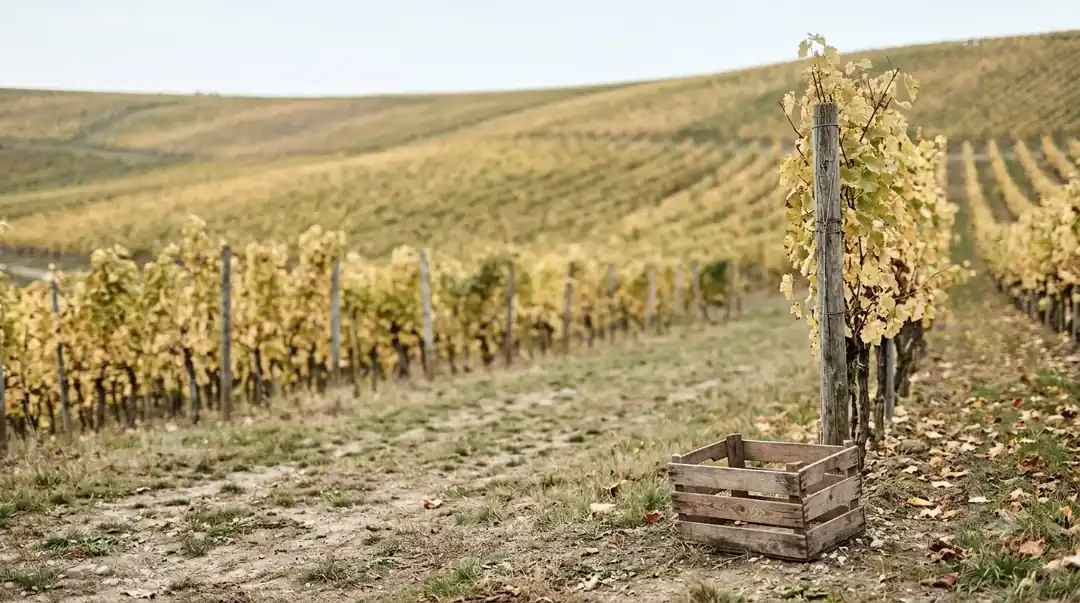
The climate is one of the most important factors in Calistoga’s wines. Daytime highs can reach about 100 degrees Fahrenheit, while nights cool sharply. The gap between the day and night temperatures can be as large as 50 degrees, and the growing season runs about 232 days. That combination helps grapes ripen fully while keeping their acidity, which is why the wines often show both ripe fruit and structure.
Annual rainfall in the AVA ranges from roughly 22 to 50 inches, so growers need to pay attention to vineyard water use in the drier years. Those conditions, paired with the volcanic soils, set the frame for the wines you will taste.
Grape varieties and wine styles
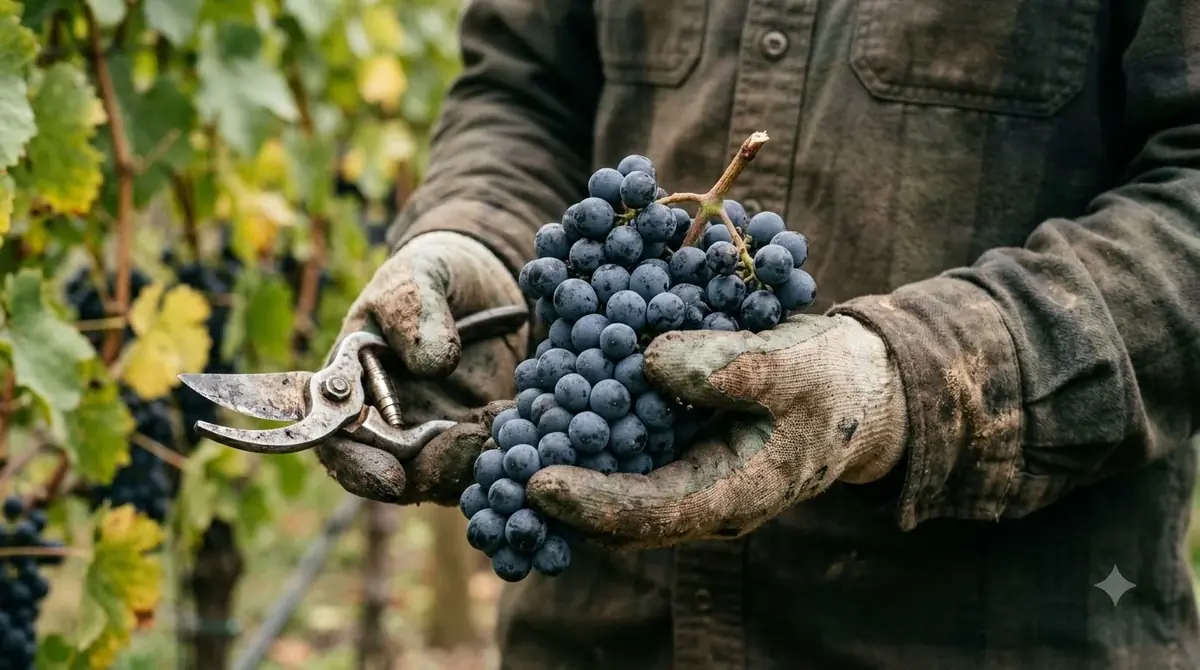
The AVA’s main grapes include Cabernet Sauvignon, Cabernet Franc, Merlot, Petite Syrah, Zinfandel, and Sauvignon Blanc. Cabernet Sauvignon is the most widely recognized red from the region, and it often shows ripe dark fruit with firm tannins. Zinfandel and Petite Syrah bring a warmer, fuller style, while Sauvignon Blanc offers a brighter, more herbal white.
Styles vary by producer. Some Calistoga reds are rich and generous, while others lean toward elegance and precision. When you compare bottles, look at the vineyard designation, the vintage, and the winemaker’s approach to oak, because those choices shape the final style more than the region name alone.
| Style | Typical grapes | What to expect |
|---|---|---|
| Structured red | Cabernet Sauvignon | Dark fruit, firm tannins and oak spice |
| Warm-climate red | Zinfandel, Petite Syrah | Ripe fruit, spice and a fuller body |
| Savory red | Cabernet Franc, Merlot | Red fruit, herbal notes and a softer edge |
| Fresh white | Sauvignon Blanc | Citrus and herbal notes with lively acidity |
Tip: If you want to taste a range of Calistoga wines in one visit, ask the tasting room which bottles come from estate fruit. Those usually show the vineyard most clearly.
A brief history of the appellation
The appellation was approved by the federal Alcohol and Tobacco Tax and Trade Bureau in December 2009, after a 2003 petition from Bo Barrett of Chateau Montelena. Today the AVA counts dozens of wineries, from long-established estates to newer boutique producers, and the mix gives the area a varied tasting scene.
The AVA was amended in 2024 when the neighboring Crystal Springs of Napa Valley AVA was created, and one vineyard was moved into that new appellation. That change is a reminder that boundaries can shift, so check the appellation printed on a label if you are comparing vintages.
Visiting Calistoga’s wineries
Visiting Calistoga is easy to combine with a spa stay, a hike in the surrounding hills, or a bike ride through the vineyards. The Visit Calistoga site lists downtown tasting rooms, Calistoga wineries, wine caves, and wine tours, so you can mix a walk through town with a visit to a larger estate. Many wineries offer seated tastings, and some are best reached by appointment.
Calling ahead is the simplest way to check hours and reservation rules, since small estates often keep limited tasting slots. If you are interested in how other regions compare, our guide to Chalk Hill vineyards covers a different Sonoma County appellation with its own soils and climate.
How to choose and serve a Calistoga bottle
Buying Calistoga wine works best when you know what you want from the bottle. For a special occasion red, a vineyard-designated Cabernet Sauvignon from a well-known estate is a sensible choice, and the label will usually name the vineyard, the vintage, and the appellation. For everyday meals, a Sauvignon Blanc or a lighter Zinfandel from the same area often gives good value and a clear sense of place. Many wineries also sell through mailing lists, which is useful for small-production bottles that do not reach regular shelves.
Keep an eye on the vintage. Warm years can produce riper, more generous wines, while cooler years often bring more freshness and tension. Neither style is better overall, but knowing the difference helps you pick a bottle that matches your taste.
Serve red wines slightly cooler than room temperature, and give bold reds time to open in a decanter or a large glass. Whites are best served chilled but not ice cold. Pair Cabernet Sauvignon with grilled meats and aged cheeses, and match Sauvignon Blanc with fresh salads, seafood, and goat cheese.
Frequently Asked Questions
Where is Calistoga in Napa Valley?
Calistoga sits at the north end of the Napa Valley, where the valley narrows toward the hills. The town gives its name to the Calistoga AVA in northwestern Napa County.
What grapes are grown in Calistoga?
The AVA’s main varieties include Cabernet Sauvignon, Cabernet Franc, Merlot, Petite Syrah, Zinfandel, and Sauvignon Blanc. The exact mix depends on the vineyard and the winery.
Is Calistoga known for volcanic soil?
Yes. The AVA is underlain by volcanic bedrock, and its soils are derived from the Sonoma Volcanics formation. Soils differ from site to site, so check the vineyard name on the label.
How big is the Calistoga AVA?
The appellation covers about 4,480 acres, with roughly 2,500 acres planted to vines, according to the Calistoga AVA entry on Wikipedia.
Calistoga is a good place to see how Napa Valley wines change from one end of the valley to the other. Start with a few bottles from different estates, and then read more in our Wine Regions guide.
More in Wine Regions
 Willcox Wine Trail: Discover Arizona’s High-Elevation Wine CountryUpdated Nov 20, 2026
 Yakima Valley Wine Region: Find the Best Styles to TryUpdated Nov 20, 2026
 Vosne Romanee Wine Tasting: Identify Aromas and Choose Better PairingsUpdated Nov 20, 2026
 Yakima Valley Wine Festival: Find the Best Seasonal Wine EventsUpdated Nov 20, 2026
 Wales Vineyards: Discover Cool-Climate Wines and Where to VisitUpdated Nov 20, 2026
 Yountville Wine Festival: Discover Napa Wines and Local FoodUpdated Nov 20, 2026