

We may earn a commission when you buy through links on this page, at no extra cost to you. Learn more.
The answer to what is bordeaux blend is a wine made by combining two or more grape varieties traditionally associated with France’s Bordeaux region, most often Merlot, Cabernet Sauvignon, and Cabernet Franc in a red version. The term describes a family of styles rather than one fixed recipe, so proportions and flavors vary by producer and place. Winemakers outside Bordeaux also use “Bordeaux-style blend” for wines built from similar grapes.
Understanding the grapes, the region’s best-known red-wine patterns, and the choices made in the cellar makes this label easier to interpret. A bottle may be firm and cassis-driven or rounder and plum-rich, depending on its varieties, growing conditions, and winemaking.
What Is a Bordeaux Blend?
A Bordeaux blend is a wine assembled from multiple grape varieties associated with Bordeaux, rather than a wine made from one grape alone. The classic red group includes Cabernet Sauvignon, Merlot, Cabernet Franc, Petit Verdot, Malbec, and Carmenère; a producer normally selects only some of them, not all six.
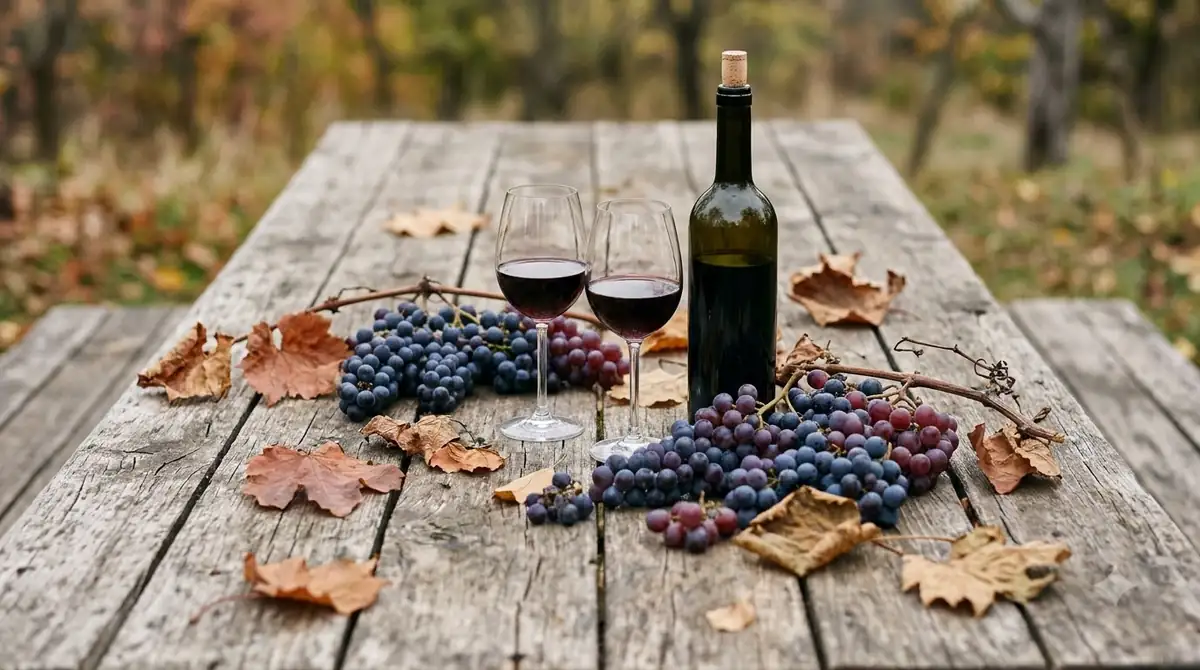
The phrase is broader than a formal appellation or a recipe with required percentages. Decanter’s explanation of the Bordeaux blend notes that there is no single percentage formula for a wine described as a Bordeaux blend: the name refers to the grape varieties used. A California wine made with Cabernet Sauvignon and Merlot can therefore be Bordeaux-style, but it is not Bordeaux wine simply because it follows a familiar grape formula.
In France, Bordeaux identifies geographic origin and is subject to rules governing regional names. Wine Enthusiast notes that appellation protections reserve the Bordeaux designation for wine made in the Bordeaux area. Outside the region, producers may use “Bordeaux-style red blend,” “Bordeaux blend,” or, in some cases, “Meritage.” The phrase also covers white wines: white Bordeaux blends commonly draw on Sémillon, Sauvignon Blanc, Muscadelle, and sometimes Sauvignon Gris. These can be dry, sweet, or richly textured, so the word “Bordeaux” alone does not tell you a bottle’s color or sweetness.
The Grapes and What Each One Adds
The classic red grapes perform different jobs: Cabernet Sauvignon supplies structure, Merlot softens the profile with generous fruit, and Cabernet Franc contributes perfume and herbal detail. Petit Verdot, Malbec, and Carmenère can add smaller accents, although their presence and proportions vary by producer.
Cabernet Sauvignon is usually the most tannic member of the group, with dark flavors such as blackcurrant, blackberry, cedar, or mint. Its firm structure can make a young wine feel compact. Merlot generally brings a softer, rounder texture, with plum, black cherry, and ripe berry. Cabernet Franc is usually lighter in color and body than Cabernet Sauvignon, adding red fruit, violet, or fresh-herb notes. The three grapes can balance one another: Cabernet provides grip, Merlot adds a generous middle, and Cabernet Franc brings aromatic lift.
Petit Verdot is often used as a seasoning grape; its deep color, tannin, and spice can add intensity in a relatively small amount. Malbec can contribute dark color and ripe fruit, while Carmenère is now uncommon in Bordeaux but remains part of its historical grape family. For white Bordeaux, Sauvignon Blanc often supplies high acidity and citrus or grassy notes; Sémillon contributes body and texture, with flavors that may suggest apricot or honey; Muscadelle can add floral aroma.
The Bordeaux wine body reports a regional red-grape mix led by Merlot at 66%, followed by Cabernet Sauvignon at 22% and Cabernet Franc at 9%. These figures describe the broad grape mix in the region, not a required recipe for an individual bottle. A château or vintage can have a very different blend because the winemaker works with the fruit available from its own vineyard parcels.
| Grape | Typical role | Common cues | Approximate regional share |
|---|---|---|---|
| Merlot | Roundness and softer tannin | Plum, black cherry | 66% |
| Cabernet Sauvignon | Firm structure and high tannin | Blackcurrant, cedar | 22% |
| Cabernet Franc | Aromatic lift | Red fruit, herbs, violet | 9% |
| Petit Verdot | Color, tannin, spice | Dark fruit, pepper | — |
| Malbec | Color and fruit weight | Black plum, blackberry | — |
| Carmenère | Occasional depth | Dark fruit, green herb | — |
Regional-share figures refer to Bordeaux’s reported principal red-grape distribution, not the percentages in an individual wine bottle.
Left Bank and Right Bank Styles
The Gironde estuary and its rivers help explain two familiar Bordeaux red-wine patterns: Cabernet Sauvignon is more prominent on the Left Bank, while Merlot usually leads on the Right Bank. These are useful starting points, not absolute rules, because soil, vineyard exposure, vintage, and cellar decisions shape the final wine.
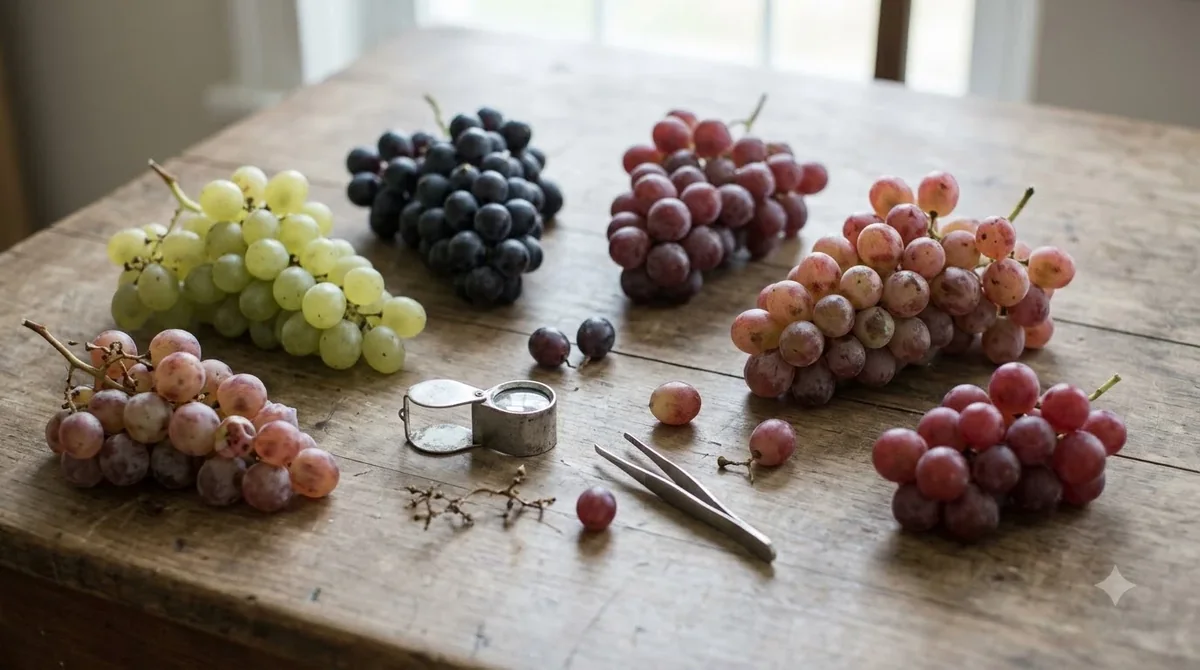
On the Left Bank, gravel-rich vineyards in Médoc, Pauillac, Margaux, and Saint-Julien tend to suit Cabernet Sauvignon. Gravel drains readily and can retain warmth, helping this late-ripening grape reach maturity. Blends commonly include Merlot to round the palate, plus smaller amounts of Cabernet Franc or Petit Verdot. The wines often show blackcurrant and dark cherry, with firm tannins and medium-to-full body. For a shopper, Médoc or Pauillac is a useful clue to a Cabernet-led profile.
On the Right Bank, especially around Saint-Émilion and Pomerol, Merlot is generally the leading variety, often supported by Cabernet Franc. Clay and limestone are prominent in many vineyards, though soils vary from site to site. The wines often feel more immediately plush, with plum, red and blue fruit, and tannins that can seem softer than those in a Cabernet-led Médoc wine. The distinction is not a guarantee: a structured Saint-Émilion and a supple Margaux are both possible, and neighboring estates can make different choices. For contrast, Rhone blend wine uses a different French grape tradition and offers another model of how blends express place.
How Winemakers Build the Blend
Blending is a series of decisions that starts before harvest and continues after fermentation. Growers match varieties to vineyard sites, harvest each parcel when it reaches the desired balance, and usually ferment lots separately before deciding how they should work together.
The vineyard plan matters because varieties do not ripen at the same pace or respond identically to weather. Merlot generally ripens earlier than Cabernet Sauvignon, while Cabernet Sauvignon needs a longer season to reach maturity. Rain late in the growing season can affect the later grape more sharply; spring frost or uneven flowering can create other problems. Having several varieties gives a producer options when one parcel performs better or worse. Soil is another influence: Bordeaux includes gravel, clay, limestone, and sand, sometimes within a single estate. Clay retains more water, while gravel and limestone tend to drain freely; these conditions affect vine growth and the character of the fruit.
After harvest, the winemaking team evaluates each lot for aroma, acidity, tannin, color, and body, then trials different combinations. A portion of Merlot may soften the palate, Cabernet Franc may add aroma, and Petit Verdot may deepen color and grip. Bordeaux.com’s explanation of the art of blending describes how soil, climate, and vintage conditions influence these decisions. Oak maturation is a separate choice, not a requirement: a wine may age in French oak barrels, larger vessels, concrete, or stainless steel. New oak can contribute toast and spice, but too much can cover the fruit. There is no universal ratio that makes a blend authentic; vintage conditions, vineyard character, and the quality of each lot matter more than chasing a supposedly correct percentage.
Flavor, Structure, and Aging Potential
Most red Bordeaux blends are dry and structured, but body, tannin, acidity, and fruit depend on the grape proportions and growing conditions. A Cabernet-heavy example often feels firmer and more savory, while a Merlot-led wine may feel rounder and more fruit-forward.
Blackcurrant, blackberry, plum, black cherry, and dried herbs are common reference points for young red blends. Oak aging may add cedar, vanilla, toast, or spice. With bottle development, some wines show tobacco, leather, forest floor, or earthy notes. Cabernet Sauvignon is high in tannin; Merlot is generally medium and softer; Cabernet Franc is usually lighter in tannin than Cabernet Sauvignon; and Petit Verdot can add grip. Acidity helps keep a wine from feeling heavy, while fruit concentration and alcohol influence its impression of weight.
Ageability varies widely. A straightforward red blend made for early drinking may be enjoyable soon after release, while a concentrated wine from a strong vintage can evolve for many years. Grape composition alone does not predict a bottle’s lifespan: vineyard quality, harvest conditions, winemaking, closure, and storage also matter. As a wine ages, fresh blackberry and plum can shift toward dried fruit, cedar, tobacco, or leather, and tannins may feel less angular. Storage near 55°F, away from light and major temperature swings, gives age-worthy bottles a better chance to develop. For a young, full-bodied red, decanting for about 30–60 minutes can help aromas open; older, fragile wines need less air.
Serving and Pairing Bordeaux Blends
Serve a full-bodied red Bordeaux blend at about 60–65°F, slightly cooler than a warm room, so fruit, tannin, and acidity stay in balance. Choose food with enough protein, savory flavor, or fat to meet the wine’s structure, and avoid pairing a strongly tannic red with delicate oily fish.
A standard 750 ml bottle provides roughly five 5-ounce pours. Young, full-bodied examples may benefit from 30–60 minutes in a decanter, while an older bottle is best handled gently so delicate aromas do not fade. Cabernet-led blends work well with grilled or roasted beef, lamb, venison, and browned mushrooms. Merlot-led blends can suit roast pork, duck, meatloaf, or mushroom risotto. Salt and fat soften the perception of tannin, which is why a well-marbled steak or a buttery pan sauce can make a firm red feel more approachable.
Acidity and sauce matter, too. A tomato-based dish can work when the wine has enough freshness to match the food’s acidity; an overly sharp sauce may make a less-acidic red seem flat. Wine should be at least as sweet as dessert, or it can taste thin beside it. Chili heat is a harder match because alcohol and tannin can make the burn feel stronger. For dish-by-dish suggestions, see this guide to Bordeaux blend food pairing.
Tip: If a Bordeaux blend tastes overly firm beside dinner, add a savory, moderately fatty element such as roast mushrooms, lentils cooked with herbs, or aged cheese. Avoid intense chili heat, which can make alcohol and tannin feel harsher.
A softer, Merlot-led bottle can work with burgers, grilled sausages, or mushroom pizza, while a structured Cabernet-led wine is better suited to a substantial roast. Think about the dominant grape and the weight of the meal rather than relying only on the phrase “Bordeaux blend.”
Labels, Regional Names, and Bordeaux-Style Bottles
A label can tell you where a wine comes from, what style it follows, and sometimes which grapes are included, but the detail varies by country and producer. Start with the place name and producer, then use the vintage and grape information to build a fuller picture.
A bottle labeled Bordeaux, Médoc, Pauillac, Saint-Émilion, or Pomerol comes from the corresponding French region or appellation, subject to its rules. Those names are not interchangeable with “Bordeaux-style.” A California red blend can use the same traditional grapes and aim for a similar balance, but its origin remains California. Wine Enthusiast identifies California, Washington, and Argentina among the places where Bordeaux-style reds are made.
Some US producers use “Meritage,” a trademarked category associated with the Meritage Association. Decanter notes that qualifying wines combine at least two recognized Bordeaux varieties and that no single grape may make up more than 90% of the blend. This is a labeling convention with its own membership and composition conditions, not a synonym for every Cabernet-Merlot wine. When a label does not list percentages, the appellation can provide clues: Médoc or Pauillac often suggests Cabernet, while Saint-Émilion or Pomerol often suggests Merlot with Cabernet Franc. For broader terminology, see what is red blend, or browse the site’s Wine by Type overview.
Frequently Asked Questions
These answers address details that can be confusing when comparing French Bordeaux with Bordeaux-style wines from elsewhere. The key distinction is between grape composition, geographic origin, and the producer’s preferred style.
Can Bordeaux grapes appear in rosé or dessert wines?
Yes. Bordeaux-style grape families are not limited to dry red blends: the varieties also appear in rosé and dessert wines. Sweet Bordeaux wines such as those from Sauternes and Barsac are a distinct style, with sweetness balanced by acidity.
Does Meritage allow grapes beyond the best-known Bordeaux varieties?
Yes. Decanter notes that the US Meritage category can also include St. Macaire and Gros Verdot, in addition to its core varieties. A qualifying blend still has to meet the category’s membership and composition conditions.
Is Cabernet Franc related to Cabernet Sauvignon?
Yes. Cabernet Franc is one of the parent grapes of Cabernet Sauvignon, according to Wine Enthusiast. This genetic relationship helps explain why the varieties can share some aromatic characteristics despite their differences in body and tannin.
How long does an opened Bordeaux blend keep?
Most opened still wines keep for about 3–5 days when resealed and refrigerated. A lighter, older wine may fade sooner, while a young, tannic red can hold its character longer; bring the remaining wine back toward serving temperature before pouring.
Does every Bordeaux blend need decanting?
No. A young, concentrated red may benefit from air, but a simple, ready-to-drink bottle can be poured straight from the bottle. Older wines can be more delicate, and careful decanting just before serving may be preferable to a long period of aeration.
A Bordeaux blend is best understood as a flexible meeting of grapes, place, and winemaking decisions. Start with the dominant variety and regional name, then choose a bottle whose structure suits the food and occasion. Once those clues become familiar, the label tells a clearer story.
More in Wine Types & Grapes
 Zinfandel Sugar Content: Dry Red vs. White Zinfandel GramsUpdated Nov 21, 2026
 Best Zinfandel Substitute Options for Sipping and CookingUpdated Nov 21, 2026
 Zweigelt Food Pairing: Best Dishes, Cheeses, and Serving TipsUpdated Nov 21, 2026
 Zinfandel Tannins Explained: How Structure Shapes Every BottleUpdated Nov 21, 2026
 Zinfandel Sweetness Level: Dry Red vs. Sweet White Zin ExplainedUpdated Nov 21, 2026
 Xinomavro Food Pairing: Best Dishes, Styles, and Serving TipsUpdated Nov 21, 2026