

We may earn a commission when you buy through links on this page, at no extra cost to you. Learn more.
In Provence, rolle wine is a Mediterranean white wine made from the Rolle grape, which is the local name for Vermentino. It is usually dry, fresh, and medium-light in body, with citrus, pear, almond, and herbal notes. Depending on its vineyard and winemaking, it can feel crisp and mineral or rounder and more textured. Look for it in Provence, the southern Rhône, and Corsica, and serve it chilled with seafood, vegetables, and herb-driven dishes.
Rolle is a useful name to recognize because the same grape appears under several labels around the Mediterranean. Understanding the name, region, and style makes it easier to choose a bottle that suits the meal rather than assuming every wine made from Vermentino tastes exactly alike.
Rolle and Vermentino Are the Same Grape
Rolle is the French name most associated with Vermentino in Provence and the nearby area around Nice. The grape is known as Vermentino in Italy and Vermentinu in Corsica, so a bottle labeled with any of those names may come from the same variety. The regional name is a clue to origin and local tradition, not a separate grape variety.
The Provence wine council’s grape profile describes Rolle as a long-established and widespread white variety in the region. It needs a warm climate, which suits the sunny Mediterranean vineyards of southeastern France. Its grapes are valued for their aromatic qualities and for the weight they can bring to a white wine. In the official Rhône Valley grape profile, the same variety is listed as native to Italy, while the Provence body identifies the local name used in its vineyards.
That naming distinction is useful when shopping or reading a restaurant list. A French bottle labeled Rolle may have a very similar grape foundation to an Italian Vermentino, but it does not follow that the wines will taste identical. Vineyard exposure, soil, harvest timing, fermentation choices, and blending all influence the finished wine. A coastal Provençal wine may emphasize citrus and fennel, while a warmer or riper example can show more pear, peach, and texture.
For pronunciation and spelling, the French label may be less familiar than the Italian name. Use the short reference on how to pronounce Rolle when ordering, and see what is Rolle for the grape-name distinction. Rolle, Vermentino, and Vermentinu are regional names for one Mediterranean white grape.
Where Rolle Grows in France and Beyond
Provence is the clearest home for the name Rolle, but the grape is not confined to one French appellation. It appears across southeastern France, on Corsica, and in Italian coastal regions, with smaller plantings farther afield. The local climate and vineyard site explain many of the differences found from bottle to bottle.
In Provence, Rolle is grown across a landscape that runs roughly 200 kilometers through the Var, Bouches-du-Rhône, and part of Alpes-Maritimes. The regional wine body describes two broad geological settings: limestone in parts of the west and north, and crystalline formations farther east around the Massif des Maures and Tanneron. Its account of the climate notes about 2,800 hours of sunshine each year, along with the dry Mistral wind. These conditions help explain why a heat-adapted Mediterranean grape can succeed here.
Rolle is an important white grape in Provence, where white wines are often assembled from more than one variety. The Provence council describes blending as a long-standing regional practice, with wines brought together after harvest to balance the qualities of individual grapes. That means a wine with Rolle on the label or in its technical description may be entirely varietal or may sit alongside grapes such as Clairette, Sémillon, or Ugni Blanc, depending on the appellation and producer.
Other French growing areas add more range. The Rhône Valley wine body’s profile places Rolle plantings in the southern Rhône departments of Gard and Vaucluse and lists appellations including Costières de Nîmes, Duché d’Uzès, Luberon, Ventoux, and Côtes du Rhône Villages. It reports that the grape accounts for 0.76% of the vineyards in its Rhône profile, a reminder that it is a specialist variety there rather than the dominant regional white grape. Corsica uses the name Vermentinu, while Italy’s Sardinia, Liguria, and Tuscany are known for Vermentino. Wine Enthusiast also notes plantings in California and parts of southern Oregon.
Flavor, Acidity, and Body in the Glass
Most dry Rolle wines taste fresh and aromatic, with citrus and orchard-fruit notes supported by herbs, almond, or a subtle mineral impression. The exact balance changes with ripeness and site, so the most reliable expectation is a dry Mediterranean white with a blend of freshness and moderate texture.
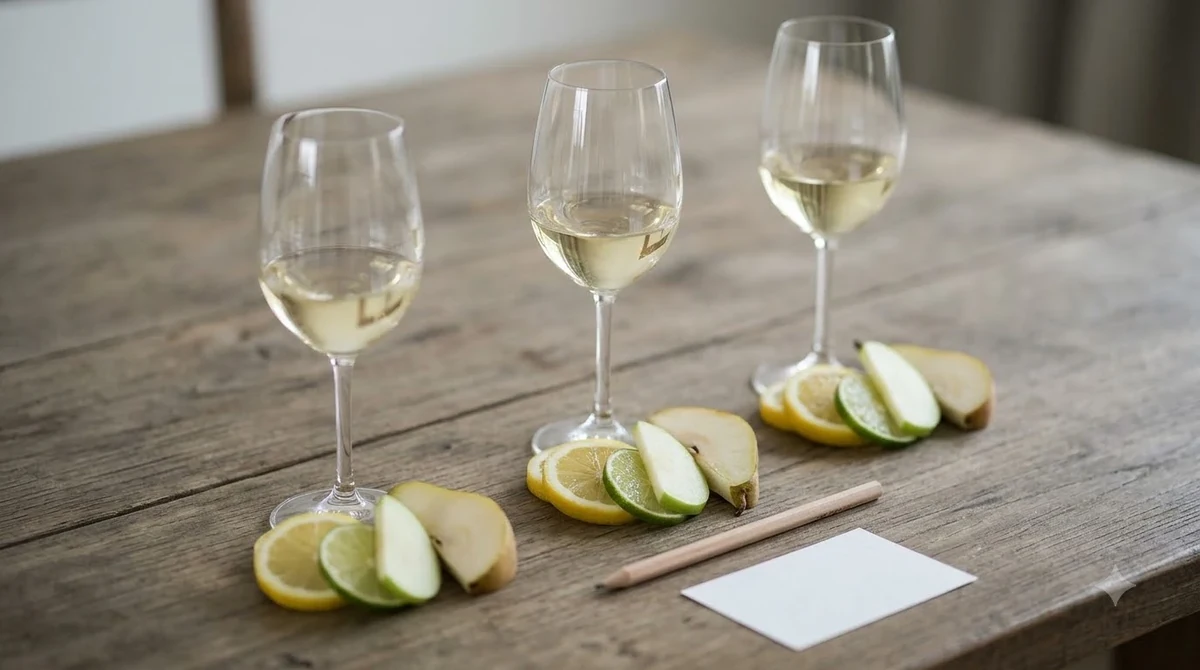
The Provence council lists citrus, pear, almond, and fennel among the variety’s characteristic aromas. The Rhône Valley profile adds grapefruit, fresh apple, green almond, sweet spice, hawthorn, ripe pear, and fresh pineapple. These are useful tasting references rather than a checklist that every glass must show. An earlier-picked wine may lean toward lemon, grapefruit, and crisp apple; a riper example can offer pear and a broader palate.
Body usually falls around light to medium, while acidity can feel lively but is not identical in every bottling. Wine Enthusiast describes Vermentino as a crisp, mineral wine with citrus, green apple, limestone, and flint, and characterizes its body as light to medium. In warmer sites or with later harvesting, the grape can build more richness, and the wine may feel rounder rather than sharply acidic. A faint bitter edge, sometimes reminiscent of almond peel or grapefruit pith, can add definition to the finish.
Rolle is generally dry, not a sweet-fruited wine simply because it smells of ripe pear or pineapple. Fruit aroma and sweetness are different things: a dry wine can smell generous while finishing clean. If you enjoy Sauvignon Blanc for freshness but want a slightly broader Mediterranean profile, Rolle is a natural comparison. For more options across styles and grapes, browse Wine by Type.
How Winemakers Shape Rolle Wine
Winemaking choices determine whether Rolle feels bright and spare or richer and more rounded. The grape can be bottled on its own, blended with other white varieties, or used as a component in rosé, so the name does not describe only one finished style.
For a fresh, fruit-forward white, producers commonly protect the juice from excess oxygen and ferment at controlled temperatures. A producer example from Côtes de Provence describes harvesting in cool morning conditions, a short cold maceration before pressing, and fermentation in temperature-controlled stainless steel. It also describes several months of maturation on fine lees. This approach aims to retain clear fruit aromas while adding a little palate texture from the lees without relying on obvious oak flavor.
Stainless steel is a common practical choice for a clean, aromatic expression, but it is not a rule that applies to every bottle. Lees contact can make the palate feel more layered, while a portion of barrel fermentation or aging may add spice and a softer impression. Those decisions should support the grape’s citrus and herbal character rather than cover it. In the glass, look for balance between fruit, acidity, texture, and the finish, not for a single mandatory winemaking signature.
Blending is especially important in Provence. Regional wines may combine Rolle with varieties such as Clairette, Sémillon, Ugni Blanc, or other permitted grapes to adjust freshness, aroma, weight, and structure. Rolle may contribute fragrance and roundness, while another grape brings a different aromatic or textural quality. The Rhône body explains that blending is simply a composition of varieties or lots and that a single-variety wine is not inherently better than a blend.
Food Pairings for Mediterranean White Wine
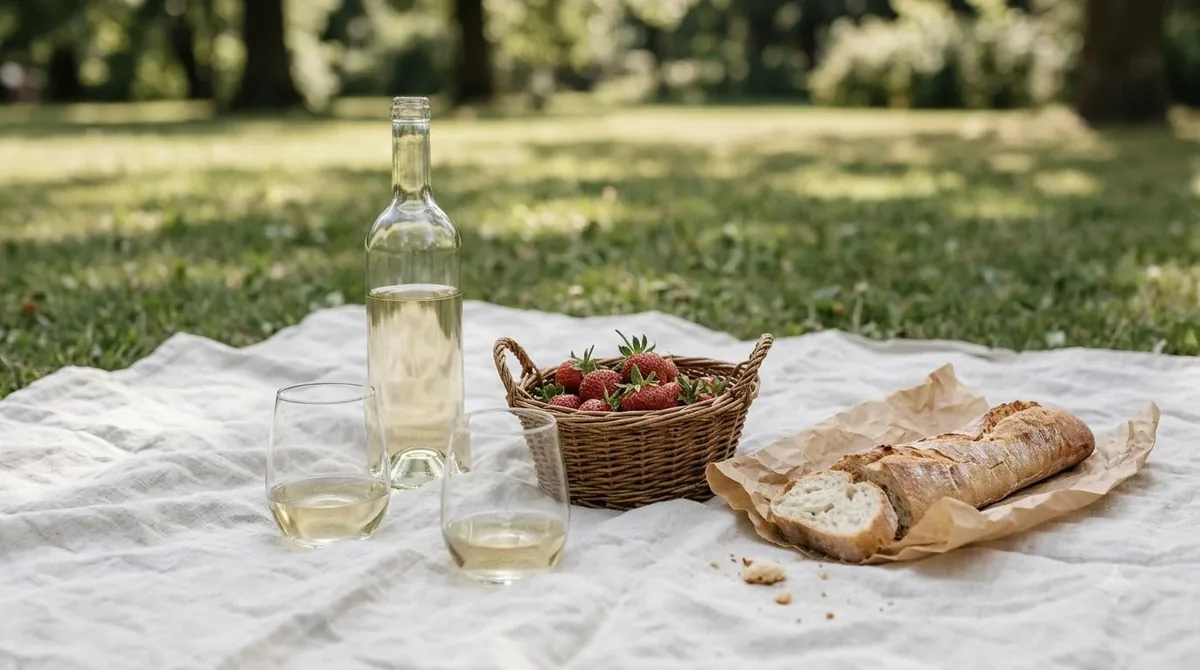
Rolle is an easy match for seafood, grilled vegetables, and dishes built around olive oil, citrus, and fresh herbs. Its freshness can cut through a little richness, while its texture gives it more presence than a very lean, sharply acidic white.
Start with grilled fish, shrimp, scallops, mussels, or calamari. Lemon, parsley, fennel, garlic, and olive oil echo the grape’s citrus and herbal notes without overwhelming them. A simple grilled sea bass with fennel or shrimp with garlic and herbs is a dependable match. For a more substantial meal, try seafood pasta with olive oil or a light tomato sauce; the wine’s fruit can sit comfortably beside ripe tomato while its freshness keeps the pairing lively.
Vegetable dishes work well, too. Ratatouille, grilled zucchini, roasted peppers, artichokes, and summer vegetable tarts bring Mediterranean flavors that suit the grape’s home region. Pesto pasta is another strong option, particularly when basil, garlic, and olive oil are central to the dish. Salads with cucumber, tomato, herbs, and a modest amount of cheese are also natural partners. A young goat cheese or a mild sheep’s-milk cheese is usually easier to match than an intensely pungent or very aged cheese.
For poultry, choose roast chicken with lemon, herbs, or a light cream sauce. Rolle’s moderate body can handle the protein and a little richness, especially with a bright element such as lemon. Avoid sugary glazes, which can make a dry wine taste more tart. Very hot chili can also make alcohol feel more pronounced. Think about the sauce as much as the main ingredient. Grilled white fish with lemon and olive oil is a better match than the same fish under a sweet or heavily smoky glaze. Keep the seasoning Mediterranean in spirit and Rolle will usually find a comfortable place at the table.
Serving, Storing, and Choosing a Bottle
Serve Rolle cool, but not so cold that its aromas disappear. A light-bodied white is generally best around 45–50°F, while a richer or lees-aged example can be allowed to warm slightly in the glass so its pear, almond, and herbal notes become easier to notice.
| Practical detail | Typical guide | Why it matters |
|---|---|---|
| Serving temperature | 45–50°F | Keeps a fresh white lively while allowing its aromas to show |
| Standard pour | 5 ounces | Leaves room in the glass to swirl and smell the wine |
| 750 ml bottle | About 5 glasses | Useful for planning a dinner with several guests |
| After opening | 3–5 days refrigerated | Reseal the bottle and keep it cold between pours |
Use a medium-sized white wine glass rather than a tiny tasting glass. Pour about 5 ounces, leaving enough headspace to swirl gently and pick up the wine’s aromas. A standard 750 ml bottle gives roughly five such pours. If the wine seems muted straight from the refrigerator, give it a few minutes in the glass instead of letting the whole bottle warm rapidly on the counter.
For storage, keep unopened bottles away from heat, direct sunlight, and large temperature swings. A cool, steady space near 55°F is a useful target for wine storage; bottles with cork closures are best kept on their sides. Most fresh, aromatic Rolle is intended to be enjoyed while its primary fruit is lively. Some more structured bottles can develop additional savory or nutty notes with time, but routine long-term cellaring is not necessary for a typical everyday white. Once opened, reseal the bottle and refrigerate it. A still white wine generally keeps for about 3–5 days in the refrigerator, although its most delicate aromas may fade before the wine becomes undrinkable. Bring the next glass briefly toward serving temperature, and discard the wine if it has developed an unpleasant, stale or vinegar-like character.
Tip: When choosing between two bottles, start with the region and the producer’s style. A young, stainless-steel Rolle is a good pick for an aperitif or shellfish, while a fuller wine with lees aging is better suited to roast chicken, creamy seafood pasta, or a richer vegetable dish.
Read the back label for clues such as dry white, stainless-steel fermentation, lees aging, or a blend of varieties. A wine marked Vermentino rather than Rolle may still be the same grape, particularly if it comes from Italy or Corsica. Do not judge quality by the grape name alone; the producer, site, and balance in the finished wine matter more than whether the front label uses the French or Italian term.
Frequently Asked Questions
These answers cover a few details that go beyond the usual dry, still white style associated with Rolle in Provence.
Can Rolle grapes produce sparkling or sweet wines?
Yes. Although the familiar Provençal style is a dry, still white, Vermentino is also used for sweet and sparkling wines in Sardinia. The range of styles is broader than the typical Rolle bottle found in a French wine shop.
What does a Rolle grape cluster look like?
Wine Enthusiast describes the grape as bright green and conical on the vine, with large green leaves shading the clusters. It is a light-skinned variety, so it is classified as a white grape even though the skins can take on color as they mature.
Is Rolle an early- or late-ripening grape?
It is generally a late-ripening variety, although its exact timing depends on the site and season. The Rhône Valley wine body describes it as early-budding but mid- to late-ripening, a combination that makes vineyard management important in spring and near harvest.
How old is Vermentino in Sardinia?
Wine Enthusiast reports that Vermentino has been grown on Sardinia since around the 14th century. Northern Sardinia is particularly associated with Vermentino di Gallura and Vermentino di Gallura Superiore, two important DOCG designations for the variety.
Can Rolle be used in rosé wine?
Yes. Rolle is a white grape, but it can be included in rosé blends with red varieties where the regional rules permit it. That use is one reason the grape may appear in descriptions of Provence rosé as well as on bottles of white wine.
Rolle is worth knowing as both a grape name and a clue to the Mediterranean style of a wine. Expect a dry white with citrus, pear, almond, and herbal character, then use the region and the producer’s choices to decide how rich or crisp the bottle may feel. With seafood, fresh vegetables, and a serving temperature around 45–50°F, it makes a versatile choice for the table.
More in Wine Types & Grapes
 Zinfandel Sugar Content: Dry Red vs. White Zinfandel GramsUpdated Nov 21, 2026
 Best Zinfandel Substitute Options for Sipping and CookingUpdated Nov 21, 2026
 Zweigelt Food Pairing: Best Dishes, Cheeses, and Serving TipsUpdated Nov 21, 2026
 Zinfandel Tannins Explained: How Structure Shapes Every BottleUpdated Nov 21, 2026
 Zinfandel Sweetness Level: Dry Red vs. Sweet White Zin ExplainedUpdated Nov 21, 2026
 Xinomavro Food Pairing: Best Dishes, Styles, and Serving TipsUpdated Nov 21, 2026