

We may earn a commission when you buy through links on this page, at no extra cost to you. Learn more.
The answer to “is sauvignon blanc gluten free” is yes for plain, unflavored Sauvignon Blanc made from grapes. The grape variety does not naturally contain gluten, and standard winemaking does not call for wheat, barley, or rye. The main exceptions to consider are unusual fining practices, possible cross-contact, and flavored wine drinks or malt-based coolers that are not the same thing as a bottle of Sauvignon Blanc.
Sauvignon Blanc is a crisp white wine associated with regions such as the Loire Valley in France and Marlborough in New Zealand. Its bright citrus, green-fruit, and herbal character comes from the grapes and winemaking choices, not gluten-containing grain. Bottles are commonly sold as a single-variety wine, though producers may also blend Sauvignon Blanc with other grape varieties. For most shoppers, a conventional bottle of dry or off-dry Sauvignon Blanc is a straightforward gluten-free wine choice; the details matter most when a product has been flavored, blended with another beverage base, or handled in a way that introduces an additional ingredient.
Why Plain Sauvignon Blanc Is Usually Gluten Free
Plain Sauvignon Blanc is generally gluten-free because its basic ingredient is wine grapes, not wheat, barley, or rye. Beyond Celiac lists Sauvignon Blanc among naturally gluten-free wines and says unflavored wine is generally suitable for a gluten-free diet.
Sauvignon Blanc is a white wine made by fermenting grape juice. The grapes supply the juice, natural sugars, acids, and aromas that become the finished wine; there is no requirement to add flour, malt, or another gluten-containing grain. The same principle applies to Chardonnay, Pinot Grigio, Cabernet Sauvignon, and Merlot.
Gluten refers to storage proteins found in certain grains. The Celiac Disease Foundation identifies wheat, rye, barley, triticale, and malt derived from barley among important gluten sources; grapes are not members of those grain groups. A bottle labeled Sauvignon Blanc is therefore not inherently a gluten-containing product simply because it is fermented or contains alcohol. A finished drink can, however, include added ingredients or encounter cross-contact beyond the grape itself, which is why flavored beverages and unusual production practices deserve separate attention.
How Sauvignon Blanc Moves From Grapes to Wine
Traditional Sauvignon Blanc production uses five broad stages: harvesting, crushing and pressing, fermentation, clarification or fining, and aging and bottling. The first three stages rely on grapes and ordinary winemaking equipment, so they do not normally introduce gluten-containing ingredients.
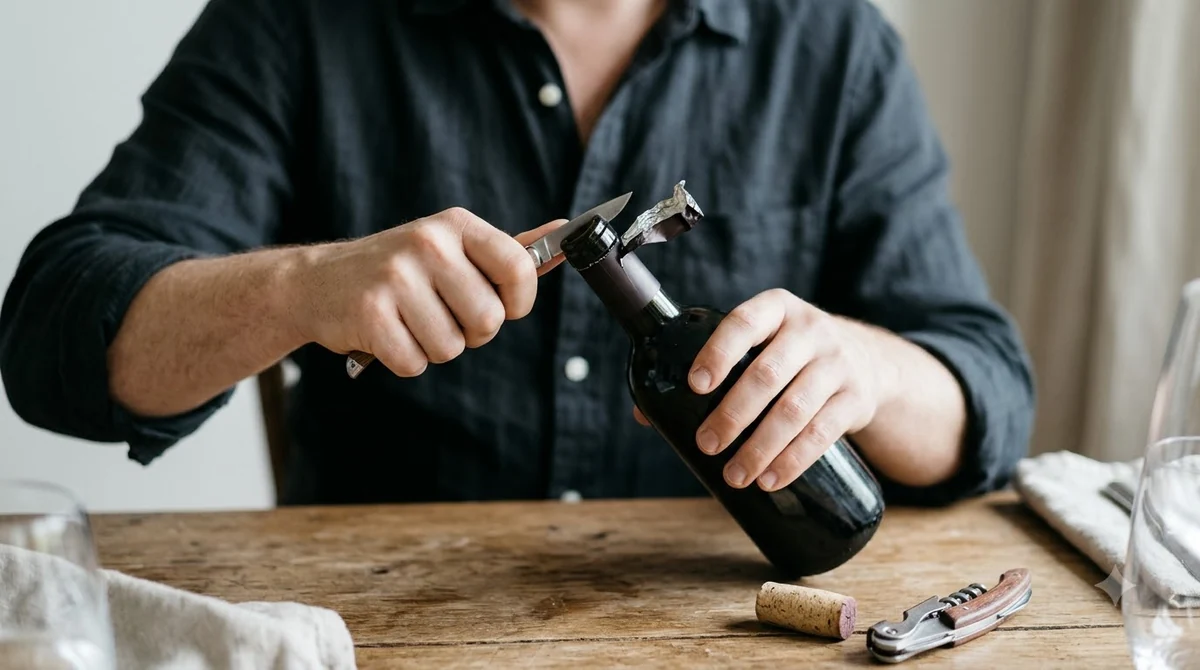
At harvest, ripe Sauvignon Blanc grapes are picked and moved to the winery in bins or other containers. They are crushed and pressed to separate juice from skins, seeds, and stems. Modern wineries generally use crusher-destemmer machinery and presses for these steps; the equipment is used for grapes rather than for processing wheat or barley foods. Cross-contact is not an inherent part of crushing grapes, although shared equipment would be a separate handling question if it also processed gluten-containing materials. Juice is then transferred to a fermentation vessel, often stainless steel for a fresh, fruit-forward style.
During fermentation, yeast converts grape sugars into alcohol and produces compounds that shape aroma and flavor. Standard Sauvignon Blanc fermentation does not call for wheat, rye, or barley. Still, fermentation should not be confused with gluten removal: the FDA says fermentation is not considered a process that removes gluten if gluten was already present before the process. After fermentation, a wine may settle, be clarified or filtered, and then age in stainless steel or oak before bottling. These choices affect style, while fining materials, barrel seals, additives, and shared equipment are the specific areas to examine for potential gluten introduction.
Fining Agents and the Small Chance of Gluten
Fining is a clarification step that removes suspended particles and helps a wine look clear and stable. Most common fining materials are not gluten-based, and the Gluten Intolerance Group says using wheat gluten as a wine fining agent is not a common modern practice.
Fining agents attract or bind compounds that the winemaker wants to remove. Common materials include bentonite clay, activated carbon, egg white, casein from milk, isinglass derived from fish, and gelatin. These come from mineral, plant, egg, dairy, fish, or animal sources rather than wheat, barley, or rye. Not every Sauvignon Blanc is fined, and producers do not all use the same material.
Wheat gluten has been investigated as a possible fining material, but it is unusual in commercial winemaking. The agent is added to bind with suspended substances and is then removed with the material it has collected. Beyond Celiac notes that research on wines fined with gluten found remaining amounts, where detectable, below the FDA’s 20-parts-per-million threshold for a gluten-free food claim. Its guidance on wine and gluten offers useful background, but the research should not be mistaken for proof that every bottle has been individually tested.
There is also a regulatory distinction between a naturally gluten-free ingredient and the way a finished fermented product qualifies for a gluten-free claim. For wines containing 7 percent alcohol by volume or higher, the Alcohol and Tobacco Tax and Trade Bureau (TTB) oversees labeling and permits a gluten-free statement when the product meets the applicable standard. For fermented products, U.S. labeling rules rely on production records and ingredient controls because conventional tests do not reliably quantify intact gluten after fermentation. The TTB ruling also expects producers to assess the production process for possible cross-contact and to use appropriate measures to prevent gluten from entering the beverage. In other words, a reliable answer depends on the producer’s documented process, not simply on the fact that the bottle is white wine.
Oak Barrels, Wheat Paste, and Stainless Steel
Oak aging is not, by itself, a reason to assume Sauvignon Blanc contains gluten. The historical concern involves flour-based paste that some cooperages once used to seal parts of oak barrels; modern barrel sealing more commonly uses paraffin or barrel wax, and stainless-steel tanks need no such sealant.
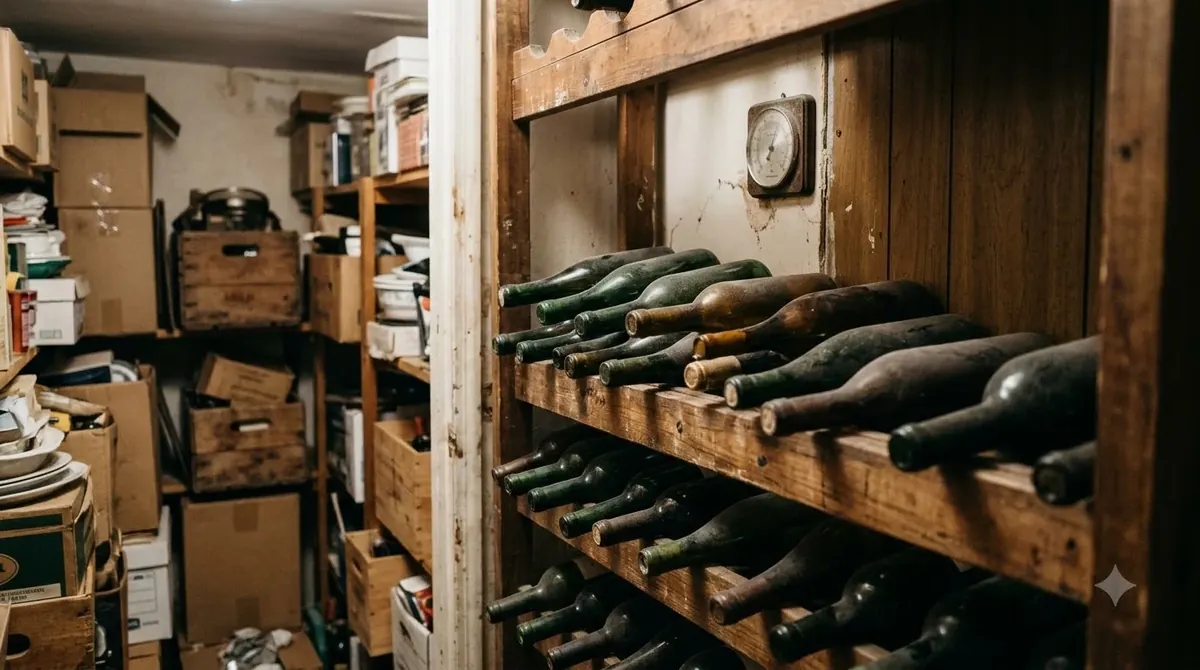
Traditional oak barrels are built from wooden staves fitted together, with a groove called a croze holding the flat barrel head in place. Some cooperages historically used a small amount of flour-based paste containing wheat to help seal that joint. The wine does not ordinarily sit against a layer of paste as an ingredient, but the practice raised questions about whether trace gluten could migrate into wine during aging.
The Gluten Intolerance Group reports that gluten-free paraffin or barrel wax is now more commonly used, while many wines age in stainless-steel vessels that require no sealant. It also describes bottling cross-contact as unlikely unless the same equipment handles gluten-containing foods. Tests discussed by Beyond Celiac found wine aged in barrels sealed with wheat paste below the lower limits of quantification for the assays used: 5 parts per million for one assay and 10 parts per million for another. These are assay-specific limits from the samples discussed, not measurements for every oak-aged wine. See the Gluten Intolerance Group’s explanation of wine production for more detail about barrel sealing and other possible cross-contact points.
For Sauvignon Blanc, oak use is often a stylistic choice. Many examples from Marlborough, New Zealand, and the Loire Valley are made to emphasize fresh fruit and acidity, while some producers ferment or age part of the wine in oak for added weight and texture. Neither stainless steel nor oak is a gluten indicator on its own; the useful question is whether the winery uses gluten-containing material in its barrel program or has safeguards against cross-contact.
Flavored Wines and Wine Coolers Need a Closer Look
A standard bottle of Sauvignon Blanc is different from a wine cooler, canned wine cocktail, or flavored alcoholic drink carrying Sauvignon Blanc in its name. Extra ingredients can change the gluten picture, especially if a drink contains barley malt or a flavoring blend whose source is unclear.
Traditional wine coolers were once made by mixing wine with fruit flavors and sweeteners, but many commercial products shifted to malt-based formulations. Malt usually comes from barley, which is a gluten-containing grain. Beyond Celiac and the Gluten Intolerance Group both warn that malt-based wine coolers may not be suitable for a gluten-free diet. A product’s front label may emphasize fruit or wine-like flavors even when the alcohol base is not simply fermented grape juice.
Flavored wine beverages also deserve attention. A bottle or can might include fruit flavor, botanicals, color, sweetener, or a prepared beverage base after fermentation. Flavoring does not automatically mean gluten is present, but the ingredient list and manufacturer information matter more as a drink becomes more processed. Malt extract, malt flavoring, malt syrup, or barley-derived ingredients are warning terms for a gluten-containing formulation.
Wine cocktails can create the same distinction at a restaurant. Sauvignon Blanc poured with fresh citrus and soda is different from a premixed cocktail made with packaged mixers or another alcohol base. Ask what the base alcohol is and whether any mixer contains malt, wheat, or barley rather than relying on the word “wine” in a menu description. The Celiac Disease Foundation lists malt extract, malt syrup, and malt flavoring among gluten sources. The same logic applies to a bottled fruit spritzer or a premixed white-wine punch: its marketing name does not reveal every ingredient in the finished drink.
How to Choose a Bottle and Ask the Winery
For a straightforward choice, start with an unflavored Sauvignon Blanc sold as wine, rather than a malt beverage or wine cocktail. A clear gluten-free statement or recognized certification offers extra assurance, while a winery’s written details about ingredients, fining, barrels, and bottling practices can answer questions about a particular bottle.
In the United States, the gluten-free labeling standard sets the maximum unavoidable gluten level for a qualifying claim at below 20 parts per million. TTB permits a gluten-free claim on wine when the product qualifies under the applicable standard. That is a labeling threshold, not a promise that a winery tests every bottle with a laboratory assay. The FDA explains that fermented products are assessed through records because conventional analytical methods cannot reliably detect and quantify intact gluten after fermentation. A label claim is voluntary, so a naturally gluten-free product may not carry the words even when its ingredients qualify. A certification mark is a separate, voluntary signal from a third-party program; it is not required on every qualifying wine bottle.
| Number | What it refers to | How to interpret it |
|---|---|---|
| Below 20 ppm | U.S. gluten-free labeling threshold for unavoidable gluten | A qualifying claim must meet the applicable standard and ingredient requirements |
| 5 ppm | Lower limit of quantification for one assay cited in the barrel discussion | Wine samples in the cited discussion were below this assay’s quantifiable range |
| 10 ppm | Lower limit of quantification for a second assay cited in the barrel discussion | This is a method-specific limit, not a universal wine measurement |
Tip: When contacting a winery, ask about the specific bottle’s ingredients, fining agents, barrel-seal materials, and cross-contact controls rather than asking only whether Sauvignon Blanc is gluten-free.
When a bottle’s production details are not clear, contact the winery with specific questions. Ask whether the wine is made solely from grapes or includes another alcoholic base; whether wheat, barley, rye, malt, or a gluten-containing fining agent is used; whether barrels are sealed with wheat paste; and whether bottling equipment is shared with products containing gluten. A concise question is more likely to receive a useful answer than a broad request for a guarantee.
Distinguish a product label from a retailer’s short description. A shelf tag may list only the grape, country, and vintage, while the winery’s technical page or customer-service team may know the fining agent and vessel. Once you have chosen a bottle, see our practical advice on how to serve Sauvignon Blanc for temperature and glassware, and our overview of Wine by Type for how this grape compares with other familiar styles.
Frequently Asked Questions
These answers distinguish the wine’s fermentation, its ingredient statements, and production choices in places such as Marlborough and the Loire Valley. They also clarify what a voluntary gluten-free claim does and does not confirm.
Does fermentation remove gluten from Sauvignon Blanc?
No. Fermentation converts sugars into alcohol and other compounds, but the FDA does not regard fermentation as a process that removes gluten. This is why fermented products are evaluated differently from distilled products under U.S. labeling rules.
Are sulfites the same thing as gluten?
No. Sulfites are sulfur-based compounds that can occur naturally during fermentation or be used in winemaking as a preservative, while gluten refers to proteins associated with grains such as wheat, rye, and barley. A sulfite statement is not a declaration that a wine contains gluten.
Does Sauvignon Blanc from New Zealand have a different gluten status than Loire Valley wine?
The country or region alone does not determine gluten status. Sauvignon Blanc from Marlborough and Sauvignon Blanc from Sancerre are both grape wines; the relevant differences are the individual producer’s ingredients, processing aids, barrel practices, and bottling controls.
Does a vegan Sauvignon Blanc automatically have a gluten-free certification?
No. Vegan describes the absence of animal-derived ingredients or processing aids, while gluten-free addresses wheat, rye, barley, and cross-contact. A wine can use a plant-based fining material and still have no formal gluten-free certification, so the two claims are not interchangeable.
Is every bottle of Sauvignon Blanc tested for gluten?
No. The Gluten Intolerance Group says there is no industry-wide testing program that establishes every wine as gluten-free. For fermented products, U.S. labeling compliance is based on the producer’s ingredient and production records rather than a routine finished-wine gluten test.
Plain Sauvignon Blanc is generally a gluten-free wine because it begins with grapes and is not made from gluten-containing grains. The most useful distinction is between a conventional bottle of wine and flavored or malt-based products sold under wine-inspired names. For a specific bottle, producer information about fining, barrels, additives, and bottling practices provides the clearest answer.
More in Wine Types & Grapes
 Zinfandel Sugar Content: Dry Red vs. White Zinfandel GramsUpdated Nov 21, 2026
 Best Zinfandel Substitute Options for Sipping and CookingUpdated Nov 21, 2026
 Zweigelt Food Pairing: Best Dishes, Cheeses, and Serving TipsUpdated Nov 21, 2026
 Zinfandel Tannins Explained: How Structure Shapes Every BottleUpdated Nov 21, 2026
 Zinfandel Sweetness Level: Dry Red vs. Sweet White Zin ExplainedUpdated Nov 21, 2026
 Xinomavro Food Pairing: Best Dishes, Styles, and Serving TipsUpdated Nov 21, 2026