

We may earn a commission when you buy through links on this page, at no extra cost to you. Learn more.
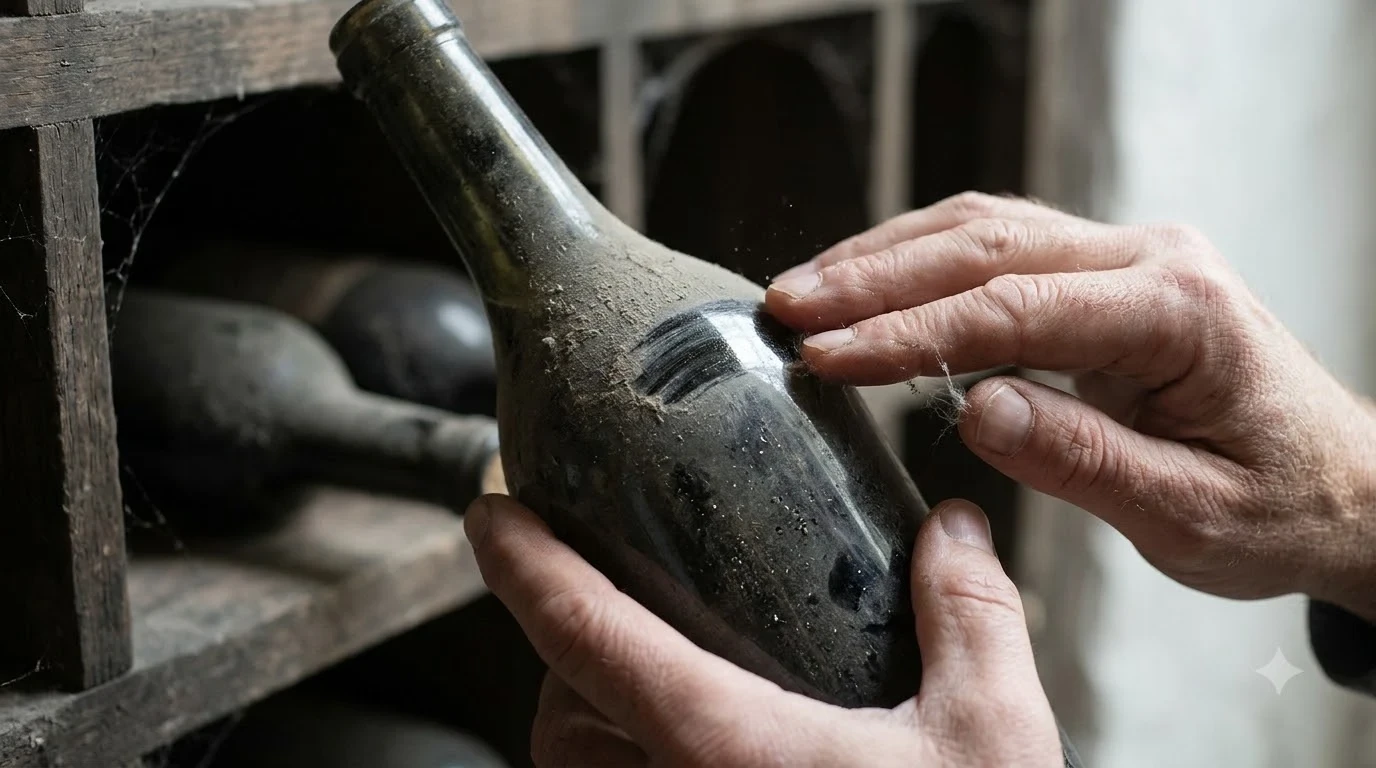
how long does mead last unopened? Most commercially bottled mead is best enjoyed within 1 to 2 years, while a well-made, age-worthy traditional mead may remain in good condition for many years, with some producers citing decades under cool, dark storage. There is no single expiration date for every style: alcohol strength, fruit, tannin, packaging, and storage all influence how a bottle develops. Kinsale Mead Co. recommends at least two years for its bottles when stored upright in a cool place away from sunlight, while Batch Mead recommends its bottled meads within 1 to 2 years and says its best flavor is within a year. Use the producer’s guidance as the starting point rather than assuming every mead improves indefinitely.
Mead is made by fermenting honey with water and yeast, but that simple definition covers a wide range of drinks. A light, sparkling session mead and a rich, still sack mead do not have the same aging potential, and a fruit-forward bottle may be at its best while its aromas are fresh. The practical approach is to separate a bottle’s best-flavor window from its potential to remain drinkable, then store it in conditions that protect both. For context, compare how long does boxed wine last unopened with bottle-aged drinks, or see how grape-wine styles differ in how long does cabernet sauvignon last unopened, how long does moscato last unopened, and Wine by Type.
The Typical Shelf Life Depends on the Mead
For many current commercial releases, plan to enjoy bottled mead within about 1 to 2 years; some producers state a longer minimum for their own products. Batch Mead recommends 1 to 2 years for bottled mead, while Kinsale Mead Co. says its bottles should keep for at least 2 years when stored properly.
Those recommendations are useful starting points, not a universal countdown clock. Mead differs considerably in alcohol level, residual sugar, acidity, tannin, fruit content, fermentation condition, and bottling method. The Beer Judge Certification Program (BJCP) explains that fermentation health, alcohol strength, ingredients, and honey variety all affect how quickly a mead is ready to drink and how it can mature. A bottle made for bright, youthful fruit character may lose the quality that made it appealing before a stronger traditional mead shows much decline.
A freshness recommendation is not a hard expiration date. It describes when the drink is expected to show its intended balance and aroma, not the exact day it becomes undrinkable. A well-sealed bottle may remain enjoyable beyond that window, but poor storage or a flawed batch can shorten its useful life; a mead made for maturation may develop positively for years.
For an unfamiliar bottle, follow the maker’s stated window first. If no guidance is available, treat 1 to 2 years as a sensible planning range for ordinary bottled mead, and avoid buying a large supply to age unless the producer identifies that particular release as age-worthy. This is more dependable than applying a blanket rule based on the word “honey” or assuming that a high alcohol number alone makes every bottle a cellar candidate.
Mead Style and Recipe Shape the Aging Window
Style gives the next clue: session meads may be only 4% to 8% ABV, while wine-strength examples commonly sit around 11% to 12%, and some sack meads reach 16% ABV or more. These categories differ in body and structure, so their best drinking windows can differ as well.
Session mead, also called hydromel, is a lighter style that may be still or sparkling and is usually best approached as a fresh pour. Packaging matters: Batch Mead recommends its cans within 6 months, compared with 1 to 2 years for its bottled meads. That is brand guidance, not a universal rule, but it shows why package and producer both matter.
Traditional mead made only from honey, water, and yeast can range from dry to sweet and from light to powerful. A higher alcohol level can be one part of a longer-aging structure, but it does not work alone. The BJCP notes that tannins help stabilize mead and can increase its ability to age; tannin may come from fruit skins and seeds, tea, spices, or oak rather than honey itself. A still, structured mead with integrated alcohol and tannin is a more credible aging candidate than a delicate drink whose appeal depends on fresh floral or fruit notes. The BJCP Mead Exam Study Guide explains how tannin and storage conditions affect maturation.
Fruit and spice additions create more variation. Melomel is made with fruit, which can contribute acidity, color, aroma, and tannin; some versions are matured before bottling, while others emphasize fresh berries or orchard fruit. Metheglin includes herbs or spices, and oak-aged mead may gain tannin and wood-derived flavors. These labels do not set an exact shelf life: a delicate strawberry session mead and a concentrated, oak-aged cherry mead are different aging propositions.
Storage Conditions That Protect an Unopened Bottle
Store unopened mead upright in a cool, dry, dark place with a steady temperature. Kinsale Mead Co. specifically recommends upright storage away from direct sunlight, and Batch Mead advises a cool, dry location without sunlight or temperature swings.
A closet, interior cupboard, or consistently cool cellar is usually a better home than a sunny counter or a shelf beside an oven. Heat speeds chemical reactions that can mute flavor and color, while direct light can degrade the drink even when the seal is intact. The BJCP also identifies mechanical agitation as a factor that can contribute to quality loss, so a bottle intended for aging should not be moved, shaken, or repeatedly handled without reason.
Temperature stability matters more than chasing a perfect cellar number. A spot that stays cool year-round is better than one that swings from cold nights to hot afternoons. Avoid attics, extreme-temperature garages, windowsills, cabinets above a refrigerator, and parked cars.
For a small collection, keep bottles together in a dark cabinet and record the producer and purchase date. Keep them away from cooking odors and strong household scents. Kinsale’s upright recommendation is a useful default for commercial mead, even though some wine drinkers lay cork-finished bottles on their sides; follow the maker’s orientation guidance.
Closures, Oxygen, and Bottle Condition
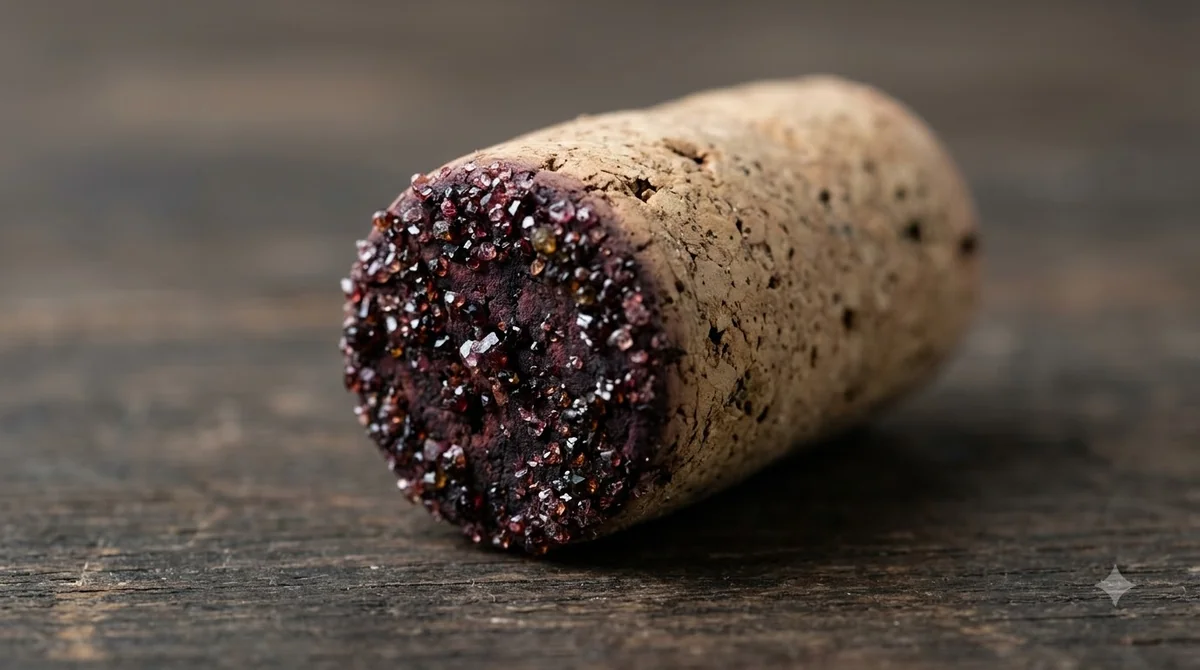
A sound seal is essential for long storage because oxygen can change aroma, flavor, and color. The BJCP distinguishes between closure types: natural cork can permit some oxygen exchange, a good synthetic cork can be an effective barrier, and traditional crown caps are less effective for very long aging. Wax over a closure can provide an additional oxygen barrier, but it cannot correct oxygen that entered before bottling; it helps only when the mead was handled carefully before the bottle was sealed. For an ordinary bottle bought to drink within a year or two, an intact commercial closure and sensible storage are usually enough.
Before storage, inspect the neck and closure for a displaced cork, damaged cap, sticky residue, seepage, or broken tamper band. These signs suggest the seal may be compromised; contact the producer or retailer rather than setting a questionable bottle aside for years.
Homemade mead needs particular care at bottling. The BJCP describes bottle aging as a step taken after fermentation is complete, the mead is stabilized, and final adjustments have been made. A home batch that is still fermenting or has not been stabilized can continue changing after bottling; that is a process issue, not a normal aging strategy. For home production, rely on a tested recipe and sound fermentation practice rather than assuming that a cork or cap will make an unfinished mead shelf-stable.
How to Judge an Older Bottle Before Pouring
An old bottle is not automatically spoiled, and a change in appearance does not always mean it has failed. Look at the seal first, then assess the aroma and flavor after opening; oxidation can make fruit seem dried rather than fresh and can bring dull color or papery, stale notes.
Open the bottle carefully, inspect the liquid, and pour a small sample into a clean glass if the seal appears sound. Compare the aroma with its intended style: floral honey, berries, apple, herbs, or oak may shift with age without every change being a fault. The BJCP notes that aging can smooth alcohol sharpness and meld flavors, making a mature mead seem rounder.
Oxidation is one of the main reasons an otherwise sound mead can lose freshness. The BJCP describes common oxidation cues as a duller or darker color, reduced clarity, fruit character moving from fresh to dried, and aromas reminiscent of paper or wet cardboard. Nutty or almond-like notes can also appear. A deliberate oxidative style can show some related character by design, so judge the bottle against its intended style rather than treating every nutty note as proof of spoilage.
Sediment can form as yeast, proteins, tannins, and other particles settle during maturation. Stand the bottle upright before opening, pour slowly, and leave the final cloudy portion behind for a clearer glass. A deposit alone is not an expiration test; consider aroma, flavor, seal, and the producer’s description together.
A Practical Plan for Buying and Keeping Mead
Choose whether to drink fresh, hold briefly, or age intentionally. A 1-year target suits many everyday bottles; a bottle held for 2 years or longer deserves more attention to its style, seal, and storage conditions.
The table compares producer recommendations and strength categories, not universal expiration dates. Batch Mead’s timings apply to its products, while Kinsale’s minimum applies to its bottles when stored as directed. ABV helps identify style but does not promise a particular aging period.
| Example | Published timing or strength | Practical interpretation |
|---|---|---|
| Batch Mead canned mead | Within 6 months | Use the shorter producer window; do not plan on long-term cellaring. |
| Batch Mead bottled mead | 1–2 years; best flavor within 1 year | A good example of a freshness-first commercial recommendation. |
| Kinsale Mead Co. bottled mead | At least 2 years | Store upright, cool, and away from direct sunlight. |
| Kinsale wine-strength styles | 11%–12% ABV | Wine-strength does not itself guarantee decades of aging. |
| Kinsale session or hydromel styles | 4%–8% ABV | Lighter styles are generally better approached as fresh, casual pours. |
| Kinsale sack mead category | Up to 16% ABV or more | Higher strength can support a richer style, but recipe and bottling still matter. |
For bottles you plan to keep, record the producer, style, purchase date, and suggested drinking window. Review the list every 6 months so delicate bottles are not forgotten while their most expressive aromas fade. Put fragile, aromatic, or sparkling bottles near the front and reserve a stable spot for releases the maker recommends for aging.
Tip: Keep one bottle as a reference and open another at the producer’s suggested age. A simple side-by-side comparison at 6, 12, or 24 months can show whether that particular mead gains honeyed depth or loses the fresh fruit character you enjoyed.
Frequently Asked Questions
These quick answers cover style names such as melomel and cyser, bottle sediment, and the difference between aging and oxidation. The right answer still depends on the recipe and how the mead was made.
Does mead have to taste sweet because it is made from honey?
No. Yeast can ferment much of the honey’s sugar, leaving a dry or semi-dry drink rather than a sweet one. A producer may also balance a finished mead with additional honey, so the ingredient alone does not tell you the final sweetness.
What is the difference between melomel, metheglin, and cyser?
Melomel is a fruit mead, while metheglin includes herbs or spices. Cyser is made with apples or apple juice, and pyment combines mead with grapes or grape juice. These names describe ingredients, not a fixed aging period.
Why can an older bottle of mead have sediment?
Yeast, proteins, tannins, and other suspended particles can gradually fall out of the liquid as it matures. That deposit can improve clarity and does not, by itself, prove that the mead is spoiled. Stand the bottle upright before pouring so the sediment stays at the bottom.
Does bottle aging always mean the mead is oxidizing?
No. Aging is the gradual development of the drink, while oxidation is one possible chemical process that can occur when oxygen is present. Some historic Polish mead styles intentionally use oxidative character, so a nutty profile may be part of the intended style rather than an accidental fault.
Can a mead be ready to drink without years of aging?
Yes. Modern fermentation practices can produce mead that is enjoyable soon after it is finished, and some lighter styles are designed for freshness. Aging is an option for suitable bottles, not a mandatory step for every mead.
For most bottled mead, plan around 1 to 2 years unless the producer gives a different recommendation, and store the bottle upright, cool, dark, and undisturbed. Longer aging can reward a well-made, age-worthy style, but the best bottle is the one whose flavor still matches what you enjoy.
More in Wine Types & Grapes
 Zinfandel Sugar Content: Dry Red vs. White Zinfandel GramsUpdated Nov 21, 2026
 Best Zinfandel Substitute Options for Sipping and CookingUpdated Nov 21, 2026
 Zweigelt Food Pairing: Best Dishes, Cheeses, and Serving TipsUpdated Nov 21, 2026
 Zinfandel Tannins Explained: How Structure Shapes Every BottleUpdated Nov 21, 2026
 Zinfandel Sweetness Level: Dry Red vs. Sweet White Zin ExplainedUpdated Nov 21, 2026
 Xinomavro Food Pairing: Best Dishes, Styles, and Serving TipsUpdated Nov 21, 2026