

We may earn a commission when you buy through links on this page, at no extra cost to you. Learn more.
What is Shaoxing wine? It is a traditional Chinese rice wine made in Shaoxing, a city in Zhejiang province on the east coast of China. It is brewed from glutinous rice, water and wheat-based yeast, and it belongs to a family of Chinese grain wines called huangjiu, or “yellow wine.” Most people in China and Southeast Asia know it as a cooking ingredient, but it is also drunk on its own, especially in its aged and sweeter styles.
This guide explains where Shaoxing wine comes from, how it is made, how its styles differ, and how it is used at the table and in the kitchen.
Shaoxing wine is one of the best-known wines outside the grape-based world, and it often surprises American cooks who expect every wine to come from grapes. It is closer to beer or sake in how it is made, yet its flavor is rich, nutty and savory in a way that makes it a useful pantry item. If you have seen a bottle with a red label on a grocery shelf in a Chinese market, this is the wine it refers to.
Where Shaoxing Wine Comes From
Shaoxing wine takes its name from the city of Shaoxing, where the style has been produced for centuries. The wine is closely tied to the local water, rice and climate of the region, and producers in the area still follow traditional methods. Rice wine in China has a very long history, and Shaoxing became one of its most recognized centers for huangjiu. The encyclopedia entry on Shaoxing wine describes the drink as a traditional yellow wine from the Zhejiang region, and that is the description used throughout this guide.
The name “yellow wine” comes from the color of many aged bottles, which turn a deep amber or golden brown over time. Shaoxing wine is sold across mainland China, Taiwan and much of Southeast Asia, and bottles are commonly found in Asian grocery stores in the United States as well.
Because the wine is known by its place of origin, you will often see it labeled as Shaoxing huangjiu or Shaoxing yellow wine. These names generally refer to the same family of wines, though quality and style can vary a great deal from one producer to the next.
How Shaoxing Wine Is Made
Shaoxing wine is made by fermenting cooked glutinous rice, which is a sticky rice variety, with water and a wheat-based starter that contains yeast and mold. The mold breaks down the rice starches into sugars, and the yeast turns those sugars into alcohol. Unlike grape wine, which begins with a fruit that already contains sugar, rice wine must convert its starch first.
Traditional makers stir the rice mash by hand at regular intervals so the yeast and starter spread evenly through the vat. Producers also listen to the bubbling in the fermentation tanks and judge the progress of the batch by sound and feel. Aged wines are often labeled by the year they were brewed, which works much like a vintage date on a bottle of table wine.
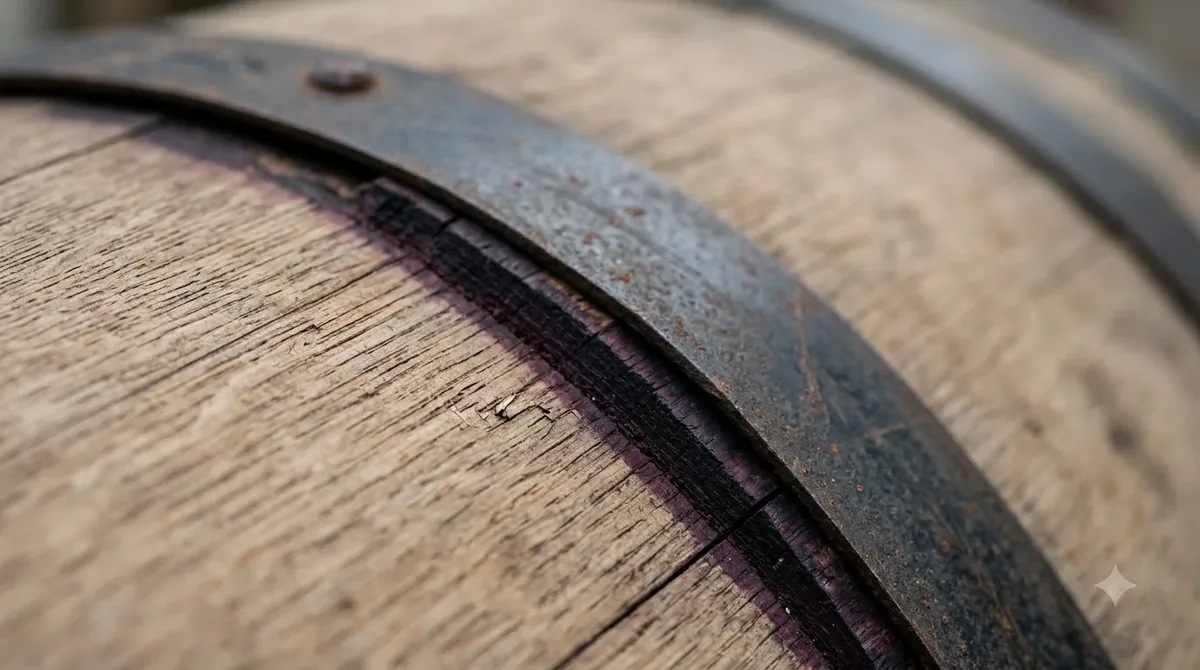
After fermentation, the wine is pressed, filtered and aged. Some producers age their wine for many years in clay jars, and the time spent in storage adds depth, color and a more complex, nutty character. Younger bottles tend to be brighter and simpler.
Styles, Sweetness and Alcohol
Shaoxing wine is not a single product. It ranges from dry styles to sweet ones, and the level of sweetness is one of the first things to check on a label or in a shop. Dry versions are used mostly for cooking and savory dishes, while sweeter and older bottles are better suited to sipping or serving with dessert-like snacks.
According to reference material on Chinese rice wines, the alcohol content of Shaoxing wine is generally in the range of roughly 13 to 16 percent, depending on the type. Its strength is therefore higher than many everyday wines, so it is worth pouring with that in mind. The sugar level also varies widely, from dry styles with very little residual sugar to sweet styles that contain much more.
Because the wine is not made from grapes, it does not fit neatly into the usual categories of red, white or rosé. It is best thought of as a separate style, with its own rules for aging, sweetness and serving.
| Style | General sweetness | Common use |
|---|---|---|
| Dry aged yellow wine | Low | Sipping slowly, cooking, savory dishes |
| Semi-sweet bottles | Medium | Table drinking with food, mild snacks |
| Sweet aged bottles | High | Sipping after a meal, pairing with sweet treats |
| Cooking grade | Varies, often salted | Marinades, braises, stir-fries |
Tip: Check the label for “cooking” or “drinking” wording. Cooking bottles are often salted, which can make a dish too salty if you also add a lot of soy sauce.
How Shaoxing Wine Is Used in Cooking
Shaoxing wine is one of the most widely used cooking wines in Chinese cuisine. It adds a warm, savory depth to meat and seafood, and it helps mask any strong or gamey smell in ingredients such as fish, pork and chicken. Many cooks splash it into a dish early, during marinating or braising, so the flavor has time to soak in.

Classic dishes built around the wine include drunken chicken, where poached chicken is soaked in a chilled wine marinade, and red-braised pork belly, which is simmered slowly until tender. Shaoxing wine is also used in stir-fries, steamed fish and dumpling fillings. In many recipes it is added alongside soy sauce, ginger and scallions to build a balanced savory base.
When you cook with it, a small amount goes a long way. The wine is meant to support the other flavors in a dish, not to dominate them. If a recipe calls for dry sherry as a substitute, many home cooks use it as a stand-in, though the taste will be slightly different.
How to Serve and Store Shaoxing Wine
Shaoxing wine is usually served at room temperature or slightly warmed, depending on the style and the occasion. In some homes it is poured into small cups with a meal, and it is also traditionally enjoyed at celebrations. Sweeter and older bottles can be sipped on their own in a small glass.
Once opened, a bottle should be kept tightly sealed in a cool, dark place. Cooking wine that has been opened will keep for a reasonable time in the refrigerator, but the flavor fades slowly over weeks and months. Older drinking bottles can be sealed and stored for longer, much like other aged wines, though the best approach is to check the producer’s guidance on the label.
For a simple first taste, pour a small glass of a medium-sweet, aged bottle and sip it slowly with something plain, such as a few roasted nuts. This helps you learn the nutty, caramel-like character of the wine before you use it in a recipe.
Frequently Asked Questions
Is Shaoxing wine a true wine?
It is a wine in the broad sense, since it is made by fermenting a grain and producing alcohol. It is a rice-based fermented drink rather than a grape wine, so it is usually called rice wine or yellow wine to distinguish it from grape wines.
Can I substitute dry sherry for Shaoxing wine?
Many cooks do, because dry sherry offers a similar savory depth. The flavor will not be identical, so taste the dish as you go and adjust the seasoning.
Does Shaoxing wine need to be refrigerated?
An unopened bottle can be stored in a cool, dark cupboard. After opening, keep the bottle sealed and refrigerate it, especially cooking grades, to slow changes in flavor.
Where can I buy Shaoxing wine in the United States?
Asian grocery stores are the most common source, and many larger supermarkets and online retailers also carry it. Check the label for the style you want, since drinking bottles and cooking bottles are sold separately.
Shaoxing wine is a versatile and historic ingredient that rewards a little curiosity. Start with a bottle for cooking, then try a sweeter aged style on its own once you are comfortable with its flavor. If you want to compare it with other wines from around the world, the Wine by Type guide is a good next stop, and if you are counting what goes into your glass, the notes on calories in white wine offer a useful comparison.
More in Wine Types & Grapes
 Zinfandel Sugar Content: Dry Red vs. White Zinfandel GramsUpdated Nov 21, 2026
 Best Zinfandel Substitute Options for Sipping and CookingUpdated Nov 21, 2026
 Zweigelt Food Pairing: Best Dishes, Cheeses, and Serving TipsUpdated Nov 21, 2026
 Zinfandel Tannins Explained: How Structure Shapes Every BottleUpdated Nov 21, 2026
 Zinfandel Sweetness Level: Dry Red vs. Sweet White Zin ExplainedUpdated Nov 21, 2026
 Xinomavro Food Pairing: Best Dishes, Styles, and Serving TipsUpdated Nov 21, 2026