

We may earn a commission when you buy through links on this page, at no extra cost to you. Learn more.
If you are wondering how long does lillet last after opening, the official producer recommendation is to store the resealed bottle in the refrigerator and finish it within three weeks for peak flavor. While cold storage keeps an opened bottle usable for roughly four to six weeks in cocktails, its bright citrus and floral aromatics begin fading steadily after the first three weeks. Unopened bottles stored in a cool, dark place stay fresh for up to two years.
Because Lillet sits at 17% ABV—higher than standard table wine yet far lower than distilled spirits like gin or vodka—many home hosts mistakenly park it on a room-temperature bar cart. Treating this French aromatized wine like a spirit exposes its delicate Bordeaux base and fruit macerations to rapid oxygen damage.
Peak Shelf Life by Storage Method
Once you pull the stopper from a bottle of Lillet, oxygen immediately begins interacting with the wine base and fruit infusions, making storage temperature the primary factor in how fast the liquid loses its brightness. Keeping the bottle chilled in a standard household refrigerator slows oxidation dramatically compared to leaving it on a kitchen counter or bar cart.
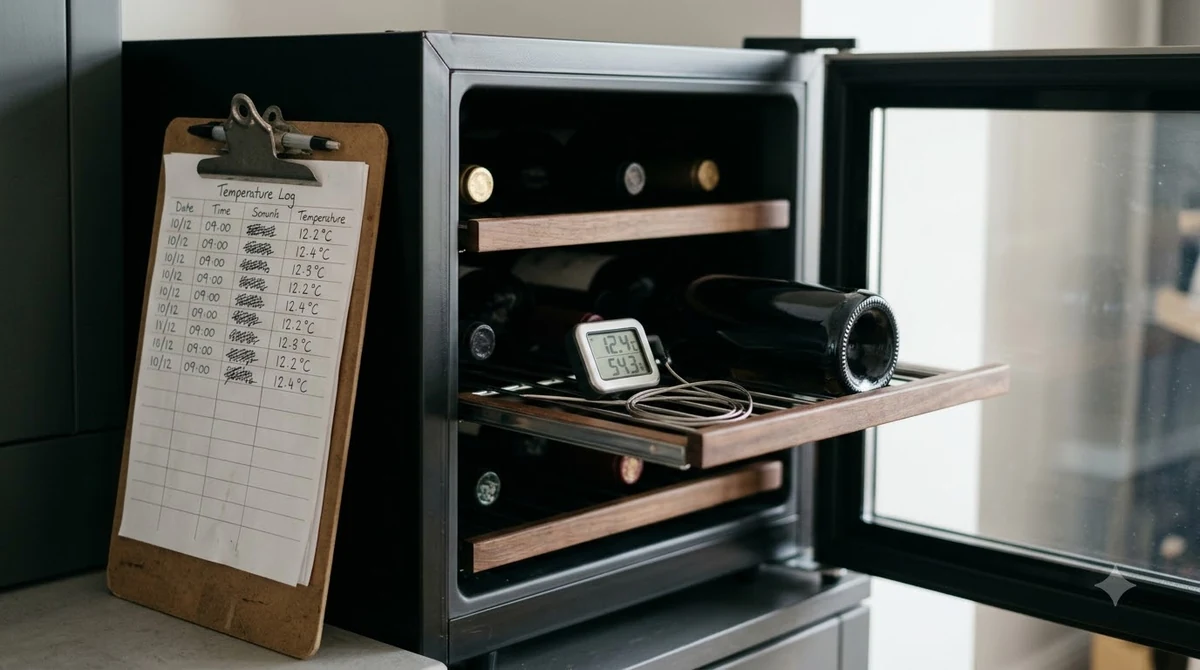
According to the official storage guidance from Maison Lillet, an opened bottle belongs in the refrigerator and should be consumed within three weeks to capture its delicate aromatics at their best. During that three-week window, the candied orange, fresh citrus, and honeyed notes remain crisp enough to shine both over ice with a simple orange slice and in spirit-forward stirred drinks.
Beyond the three-week mark, refrigerated Lillet does not suddenly spoil or become unsafe to drink, nor does it turn into vinegar overnight. Instead, bartenders and spirits writers note that it enters a gradual decline between weeks four and six where the top-note citrus oils flatten out, leaving behind a duller, slightly sweeter base that still works acceptably in long highballs topped with tonic water or club soda.
| Storage Condition | Peak Flavor Window | Acceptable for Mixed Drinks | Primary Flavor Changes |
|---|---|---|---|
| Refrigerated (tightly sealed, upright) | Up to 3 weeks | 4 to 6 weeks | Bright citrus and floral top notes hold steady before gradually softening |
| Refrigerated with vacuum stopper | 3 to 4 weeks | 6 to 8 weeks | Slower oxygen exposure preserves crispness, though volatile aromas still fade |
| Room temperature (bar cart or pantry) | 3 to 5 days | 1 to 2 weeks | Rapid oxidation dulls fruit character and leaves a flat, syrupy finish |
| Unopened (cool, dark storage) | Up to 2 years | Up to 2 years | Sealed from air, though best enjoyed young rather than cellared long-term |
Why Lillet Oxidizes Faster Than Spirits
Lillet is a wine-based aperitif crafted in Podensac, south of Bordeaux, rather than a distilled spirit, which explains why air exposure degrades it within weeks instead of years. While distilled liquors at 40% ABV or higher remain chemically stable on an open shelf indefinitely, Lillet is bottled at 17% ABV and relies on real wine for roughly 85% of its volume.
As Wine Enthusiast explains, aromatized wines like Lillet Blanc are built from Bordeaux grape varieties—primarily Sémillon and Sauvignon Blanc—blended with citrus liqueur macerations and aged in oak. Because its alcohol strength sits only modestly above standard table wine, the wine base remains vulnerable to oxygen and heat the moment the seal is broken.
Every time you pour an ounce or two from the bottle, air rushes in to fill the newly created headspace. That oxygen reacts with phenolic compounds and volatile citrus oils in the blend, stripping away the crisp acidity and fresh peel character that balance Lillet’s natural sweetness. Comparing its shelf life to other fortified styles—such as reading about how long does madeira last after opening—shows how much production style matters, since Madeira is intentionally heated and oxidized during aging, whereas Lillet is built for fresh, unoxidized vibrancy.
Differences Across Lillet Blanc, Rosé, and Rouge
All three core expressions in the Lillet lineup share the same 17% ABV and require refrigeration after opening, though subtle differences in their base wines and fruit infusions affect how noticeably they age in the fridge. Lillet Blanc shows the earliest signs of flattening because its appeal depends heavily on delicate floral, honey, and fresh citrus aromatics.
Lillet Rosé, which combines white and red Bordeaux wines with berry, orange blossom, and grapefruit infusions, follows a nearly identical three-week peak window in the refrigerator. Once oxidation sets in after the first month, its vibrant red-fruit tang softens first, making the palate taste heavier and noticeably sweeter than a freshly opened bottle.
Lillet Rouge incorporates red Bordeaux wine grapes alongside sweet orange, red berry, and vanilla macerations, giving it a slightly richer structure and trace tannins that mask minor oxidation a bit longer than the white or rosé versions. Even so, the producer applies the same three-week refrigerated guideline across the range, and the principles mirror broader storage rules outlined in Wine by Type guides for aromatic, lighter-bodied fortified bottles.
How to Tell If an Opened Bottle Has Gone Past Its Prime
Because Lillet contains 17% alcohol and added sugar, it resists harmful bacterial spoilage, meaning your senses of sight, smell, and taste are the best tools for judging whether an older bottle is still worth pouring. Start by checking the color in a clear glass against a white background, especially for Lillet Blanc and Lillet Rosé.
Fresh Lillet Blanc glows with a clear, pale golden-yellow hue, while Lillet Rosé displays a bright, translucent pink tint. If an opened bottle of Blanc has darkened toward deep amber or brownish gold, or if the Rosé has shifted toward brick-orange, significant oxidation has already occurred.
Next, swirl a small splash in a glass and evaluate the aroma before mixing a full drink. A fresh bottle smells lively and lifted with candied orange peel, grapefruit, and subtle herbal notes, whereas an oxidized bottle smells muted, slightly nutty, or faintly stale like day-old white wine. On the palate, past-prime Lillet loses its crisp, refreshing snap and tastes cloying, flat, or vaguely sour—much like what happens when you compare how long does dessert wine last after opening across lighter, aromatic styles.
Practical Ways to Extend Lillet’s Freshness
Slowing down oxidation comes down to controlling three variables: temperature, oxygen volume, and light exposure. Putting the bottle straight back into the refrigerator immediately after pouring—rather than leaving it on a sunny patio table or warm kitchen counter throughout an afternoon gathering—preserves weeks of aromatic life.
Always store the opened bottle upright in the refrigerator door or main compartment rather than on its side. Keeping the bottle vertical minimizes the liquid surface area exposed to trapped air inside the neck and prevents the high-acid, sweetened wine from degrading the composite stopper over time.
When a bottle drops below the halfway mark, transferring the remaining Lillet into a clean 375-milliliter half-bottle reduces the air-to-liquid ratio inside the container. Using a wine vacuum pump or inert gas preserver can also buy an extra week or two of freshness, though cold temperatures and smaller headspace remain the most reliable methods, just as they do when managing how long does orange wine last after opening.
Tip: Write the opening date on a piece of masking tape and stick it to the back label before putting the bottle in the fridge so you never have to guess how many weeks it has been open.
Smart Uses for Lillet Approaching the Four-Week Mark
If you discover an opened bottle in the back of your refrigerator that is three to five weeks old and has lost its crisp edge, you do not automatically need to pour it down the drain. While it may no longer shine in a minimalist Vesper Martini where Lillet Blanc’s floral complexity plays a starring role alongside gin and vodka, slightly faded Lillet still performs well in high-dilution or heavily garnished drinks.
Building a classic Lillet Spritz—one part Lillet over fresh ice topped with two parts chilled tonic water and a thick wheel of fresh orange—introduces bright quinine bitterness, carbonation, and fresh citrus oils that mask minor aromatic loss. Similarly, pairing older Lillet with fresh lemon juice, triple sec, and gin in a Corpse Reviver No. 2 lets fresh citrus juice carry the brightness while Lillet provides subtle body and sweetness.
You can also repurpose remaining Lillet in the kitchen before it turns flat. Splashing a couple of ounces into a pan sauce for roast chicken, poaching pears or stone fruit in a simmering reduction, or deglazing a skillet of shallots and seafood puts the wine’s residual sugar and herbal notes to work without requiring peak aromatic freshness.
Frequently Asked Questions
Does Lillet need to be refrigerated after opening?
Yes, Lillet must be refrigerated immediately after opening because it is an aromatized wine bottled at 17% ABV rather than a distilled spirit. Leaving an opened bottle at room temperature accelerates oxidation and dulls its fresh citrus and floral aromas within days.
Can drinking old, opened Lillet make you sick?
No, properly sealed Lillet kept in the refrigerator will not become unsafe to drink after a few weeks because its 17% alcohol content and acidity inhibit harmful pathogens. An old bottle simply tastes flat, oxidized, and overly sweet, making it unpleasant in cocktails.
How long does an unopened bottle of Lillet last?
According to Maison Lillet, an unopened bottle stored upright in a cool, dark cabinet away from direct sunlight stays in peak condition for up to two years. Because Lillet is blended to be enjoyed fresh and young, cellaring it for many years does not improve its flavor.
Should I buy a smaller bottle of Lillet if I rarely make cocktails?
Yes, choosing a 375-milliliter half-bottle when available—or decanting an opened 750-milliliter bottle into a smaller sealed glass jar—reduces air exposure and helps you finish the wine within the ideal three-week window. For hosts who only mix occasional spritzes, smaller portions prevent waste.
Treating Lillet with the same cold-storage care as a bottle of white wine or dry vermouth guarantees every pour stays crisp, aromatic, and balanced. Keep the stopper snug, store the bottle upright in your refrigerator, and aim to enjoy it within three weeks of opening for the cleanest expression of French aperitif character.
More in Wine Types & Grapes
 Zinfandel Sugar Content: Dry Red vs. White Zinfandel GramsUpdated Nov 21, 2026
 Best Zinfandel Substitute Options for Sipping and CookingUpdated Nov 21, 2026
 Zweigelt Food Pairing: Best Dishes, Cheeses, and Serving TipsUpdated Nov 21, 2026
 Zinfandel Tannins Explained: How Structure Shapes Every BottleUpdated Nov 21, 2026
 Zinfandel Sweetness Level: Dry Red vs. Sweet White Zin ExplainedUpdated Nov 21, 2026
 Xinomavro Food Pairing: Best Dishes, Styles, and Serving TipsUpdated Nov 21, 2026