

We may earn a commission when you buy through links on this page, at no extra cost to you. Learn more.
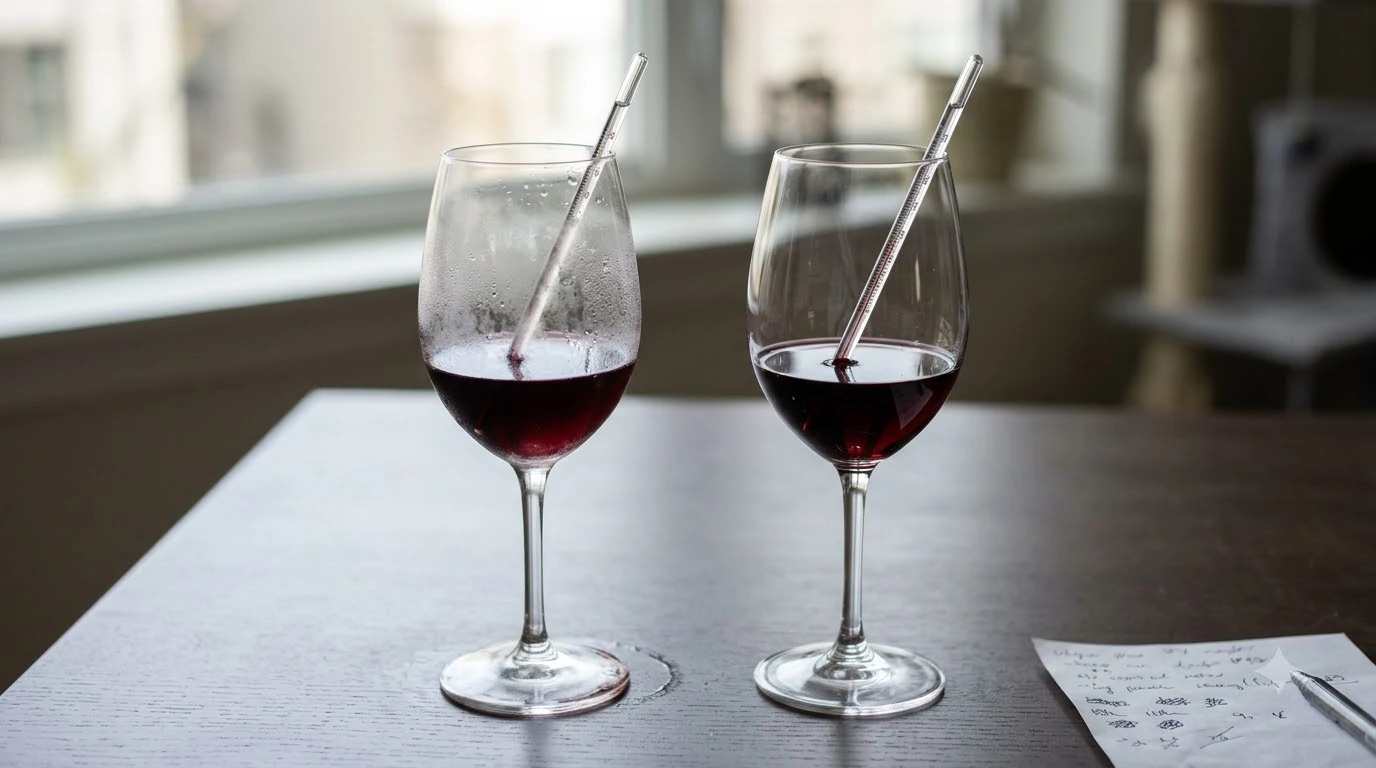
Most people wondering how long does dry red wine last after opening can expect an uncorked bottle to stay fresh for 3 to 5 days when recorked and stored in a cool, dark place. Fuller-bodied reds packed with tannin and acidity, such as Cabernet Sauvignon or Petite Sirah, routinely hold up for the full five days and may even soften after the first 24 hours. Lighter styles with less tannin, like Pinot Noir, fade closer to the two- or three-day mark, while storing any open bottle in the refrigerator slows oxidation.
Opening a bottle of dry red wine starts a slow chemical clock that changes its aroma, texture, and color over the following days. Understanding how oxygen interacts with grape structure helps you keep leftover pours vibrant, avoid flat flavors, and decide when an older bottle belongs in a simmering pan rather than a stemmed glass.
Shelf Life by Dry Red Wine Style
Dry red wines do not age at the same pace once air enters the bottle, because differences in grape skin thickness, tannin levels, and natural acidity determine how well a wine resists oxygen. Broadly speaking, heavier, more structured reds outlast delicate, pale reds by two to three full days.
According to Wine Folly’s guide to open wine storage, tannin and acidity act as natural buffers against rapid flavor loss. Thick-skinned grapes such as Cabernet Sauvignon, Syrah, Malbec, and Petite Sirah release high amounts of phenolic compounds during fermentation. When you pull the cork on a young, full-bodied bottle, the initial rush of oxygen actually rounds out harsh, gripping tannins, which is why many drinkers notice the wine tastes smoother on day two than it did immediately after opening.
Light-bodied reds sit at the opposite end of the spectrum. Varieties like Pinot Noir, Gamay, and delicate Grenache have thinner skins, lower tannin concentrations, and brighter floral aromatics that dissipate rapidly. Similarly, organic, biodynamic, or low-sulfite red wines lack added sulfur dioxide—an antioxidant winemakers use to protect freshness—meaning they often lose their fruit lift within 24 to 48 hours. Older vintage reds that have already spent 8 to 10 years maturing in bottle are equally fragile; their fruit compounds have already polymerized, so a mature bottle can flatten out in just a few hours.
| Dry Red Wine Category | Example Grapes & Styles | Expected Shelf Life (Recorked & Cool) | Best Storage Approach |
|---|---|---|---|
| Light-Bodied Dry Reds | Pinot Noir, Gamay, Frappato | 2 to 3 days | Recork immediately and store upright in the refrigerator |
| Medium-Bodied Dry Reds | Merlot, Sangiovese, Zinfandel, Barbera | 3 to 4 days | Recork tightly and keep in a wine fridge or standard refrigerator |
| Full-Bodied Dry Reds | Cabernet Sauvignon, Syrah, Petite Sirah, Malbec | 4 to 5 days | Recork and store in a cool dark spot or refrigerator |
| Low-Sulfite or Aged Reds (8+ Years) | Natural reds, mature Bordeaux or Burgundy | 1 to 2 days (sometimes hours) | Finish the same evening or use an inert gas preserver |
| Bag-in-a-Box Dry Reds | Cabernet blends, Red blends | 2 to 3 weeks | Keep refrigerated; inner bag collapses to block air |
If you regularly explore different Wine by Type, keeping this structural hierarchy in mind saves both money and disappointment. While red wines rely on tannins for protection, lighter styles behave much more closely to crisp whites—something worth comparing if you also track how long does dry white wine last after opening in your kitchen.
Why Opened Red Wine Changes Over Time
Two distinct chemical processes degrade an open bottle of red wine: oxidation and microbial conversion. Both reactions accelerate when the bottle sits uncorked in a warm room with a large pocket of air trapped above the liquid.
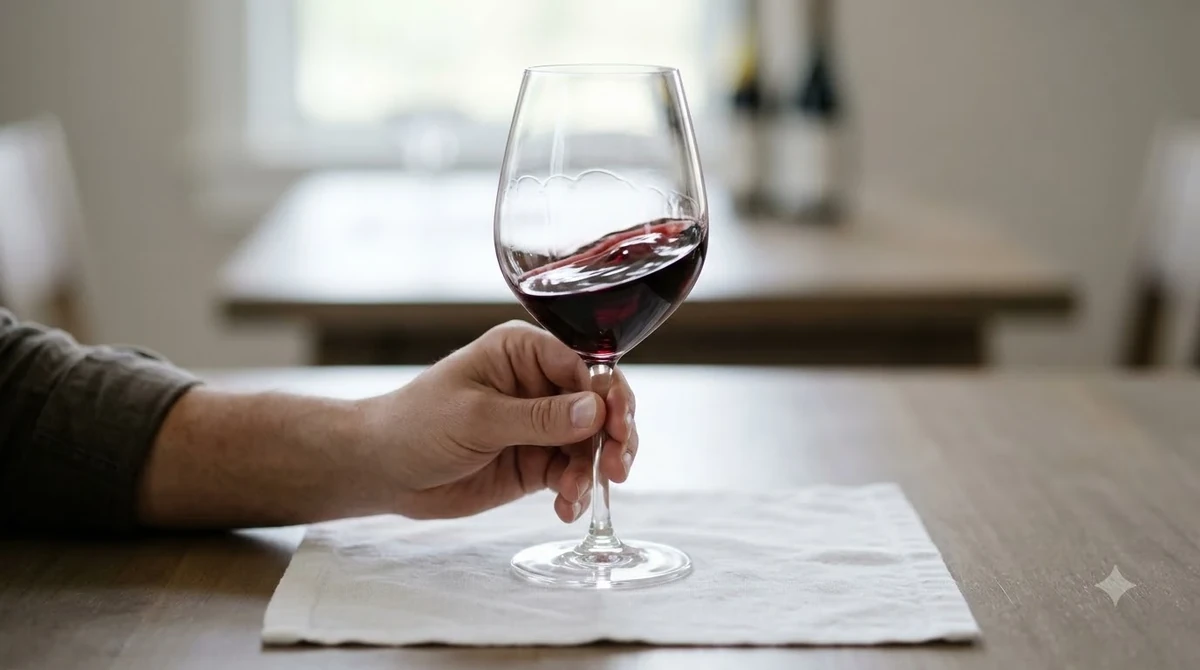
Oxidation begins the instant air touches the surface of the wine. Ethanol—the primary alcohol in wine—reacts with oxygen to form acetaldehyde, a compound that smells like bruised apples, roasted nuts, or stale sherry. At the same time, anthocyanins (the pigments responsible for deep ruby and purple hues) bind with oxygen and drop out of suspension, turning the wine’s edge brick-brown and dulling its fresh berry flavors.
The second culprit is acetic acid bacteria, naturally occurring microbes present in trace amounts in many wines and in the surrounding air. Given oxygen and warmth, these bacteria consume alcohol and convert it into acetic acid and ethyl acetate. That reaction creates the unmistakable sharp scent of red wine vinegar or nail polish remover. Lowering the temperature dramatically slows down both oxidation and bacterial metabolism, which is why cold storage is the single most effective way to preserve an unfinished bottle.
How to Store Opened Dry Red Wine Properly
Proper storage comes down to controlling three variables: temperature, oxygen surface area, and light exposure. Even without specialized barware, a few simple habits can stretch a bottle’s drinkable window from two days to nearly a full week.
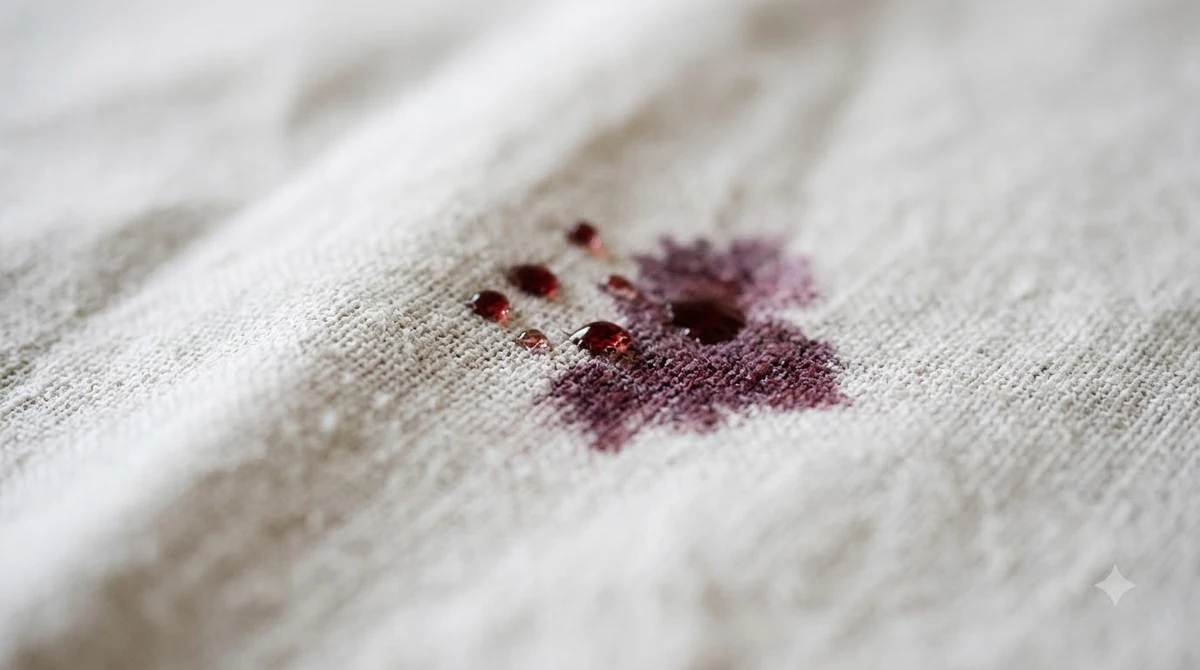
First, put the cork back in immediately after pouring and place the bottle inside your refrigerator. Many wine drinkers hesitate to chill red wine, assuming cold temperatures ruin its character. While serving a Cabernet Sauvignon straight from a 38°F refrigerator mutes its aromas, cold storage pauses the chemical reactions that spoil it. Leaving an open bottle on a 70°F kitchen counter cooks the fruit profile overnight. Simply pull the bottle out of the fridge 30 to 45 minutes before your next pour—or warm the glass gently with your hands—so it reaches an ideal cellar temperature around 60°F to 65°F.
Second, always store an opened bottle standing upright rather than lying on its side. Horizontal storage keeps corks moist during long-term cellaring, but once a bottle is half-empty, laying it down exposes a huge horizontal surface area of wine to the trapped air inside. Standing the bottle upright restricts oxygen contact to the narrow neck. Keep the bottle away from sunny windowsills as well, because ultraviolet rays trigger light strike, creating sulfurous, cabbage-like off-aromas.
Tip: If you only poured one glass from a 750 ml bottle, decant the remaining wine into a clean 375 ml half-bottle or a small glass jar with a tight screw lid; eliminating the empty headspace cuts oxygen exposure dramatically.
Tools That Extend Red Wine Freshness
When recorking and refrigeration are not enough, wine preservation accessories can extend a dry red’s lifespan to one or two weeks by physically removing air or replacing it with an unreactive gas.
The most accessible option is a hand-operated vacuum pump paired with rubber stoppers, such as a Vacu Vin. After pouring a glass, you insert the rubber stopper and pump out the air until the handle clicks. While a manual pump cannot create a complete laboratory vacuum, removing most of the oxygen from the headspace keeps medium- and full-bodied reds tasting lively for up to 7 to 10 days in the refrigerator. Avoid using vacuum pumps on sparkling wines, as suction pulls carbonation directly out of the liquid.
For collectors opening expensive bottles one glass at a time, inert gas systems offer far stronger protection. Pressurized canisters of pure argon or nitrogen-carbon dioxide blends allow you to spray a blanket of heavy, food-safe gas over the wine before recorking. Because argon is heavier than oxygen, it settles directly onto the wine’s surface and blocks air contact. Needle-based devices like Coravin take this concept further by piercing through natural cork without removing it, replacing poured wine with medical-grade argon so the remaining bottle stays fresh for months.
How to Tell If Dry Red Wine Has Gone Bad
Unlike dairy or raw meat, spoiled dry red wine will not make you sick, because its alcohol content and acidity prevent harmful pathogens from growing. Still, checking three sensory cues before pouring a full glass saves you from an unpleasant sip.
Start with a visual check against a white background. Fresh dry red wine shows vibrant ruby, garnet, or deep purple tones. If the liquid looks noticeably dull, cloudy, or brick-brown around the rim—especially in a bottle that was bright purple two days earlier—heavy oxidation has occurred. Next, swirl the glass and take a quick sniff. As sommeliers interviewed in VinePair’s breakdown of when open wine goes bad emphasize, your nose is the most reliable judge. Discard the bottle if you detect sharp vinegar, sour cider, nail polish, wet cardboard, or stewed prunes where fresh cherries or blackberries used to be.
Finally, take a small taste. Oxidized red wine tastes thin, flat, and watery in the mid-palate, followed by a sour or overly tart finish. If you notice tiny, unexpected bubbles clinging to the side of the glass in a still red wine, secondary fermentation or bacterial activity has started in the bottle. Should a bottle lose its drinking charm after four days, do not automatically pour it down the sink: mildly oxidized red wine that has not turned to harsh vinegar still works well for deglazing pans, braising beef short ribs, or simmering rich tomato sauces.
If you frequently leave bottles open for weeks at a time and get tired of racing the clock, fortified styles are built for slow sipping—you can see how oxidative aging changes shelf life by reading how long does madeira last after opening or checking how long does dessert wine last after opening.
Frequently Asked Questions
Can I leave an open bottle of red wine on the kitchen counter overnight?
Leaving a recorked bottle on the counter for one night will not ruin most young, medium- or full-bodied dry reds, and the extra air may even soften firm tannins. However, room temperatures around 70°F accelerate oxidation. Move the bottle into the refrigerator the next morning if you plan to keep drinking it over the rest of the week.
Does dry red wine last longer in the fridge than at room temperature?
Yes, refrigeration significantly extends the lifespan of opened dry red wine by slowing down both oxidation and acetic acid bacteria. A bottle stored in the fridge typically stays fresh for 4 to 5 days, whereas the same bottle left in a warm kitchen may taste flat or sour within 2 days. Just let chilled red wine warm on the counter for 30 minutes before serving.
Is it safe to drink red wine that has been open for two weeks?
Drinking two-week-old open red wine is safe because wine does not harbor foodborne pathogens. Unless you used an argon preservation system or transferred the wine into a tiny airtight container, however, it will likely taste like flat fruit or sharp vinegar. Taste a small splash first; if it lacks aroma or smells sour, use it for cooking or pour it out.
Why does decanted red wine go bad faster than wine left in the bottle?
A wide-bottomed decanter exposes a massive surface area of wine to open air with no cork or stopper to block oxygen. While decanting helps tight, young reds open up within an hour or two, most decanted wines lose their fresh fruit character within 12 to 18 hours. If you cannot finish a decanter in one sitting, funnel the leftovers back into a clean bottle and cork it tightly.
Knowing how long dry red wine stays vibrant comes down to matching the bottle’s structure with smart storage habits. Recork your bottle right after pouring, stand it upright in the refrigerator, and let your nose guide you before taking that final glass.
More in Wine Types & Grapes
 Zinfandel Sugar Content: Dry Red vs. White Zinfandel GramsUpdated Nov 21, 2026
 Best Zinfandel Substitute Options for Sipping and CookingUpdated Nov 21, 2026
 Zweigelt Food Pairing: Best Dishes, Cheeses, and Serving TipsUpdated Nov 21, 2026
 Zinfandel Tannins Explained: How Structure Shapes Every BottleUpdated Nov 21, 2026
 Zinfandel Sweetness Level: Dry Red vs. Sweet White Zin ExplainedUpdated Nov 21, 2026
 Xinomavro Food Pairing: Best Dishes, Styles, and Serving TipsUpdated Nov 21, 2026