

We may earn a commission when you buy through links on this page, at no extra cost to you. Learn more.
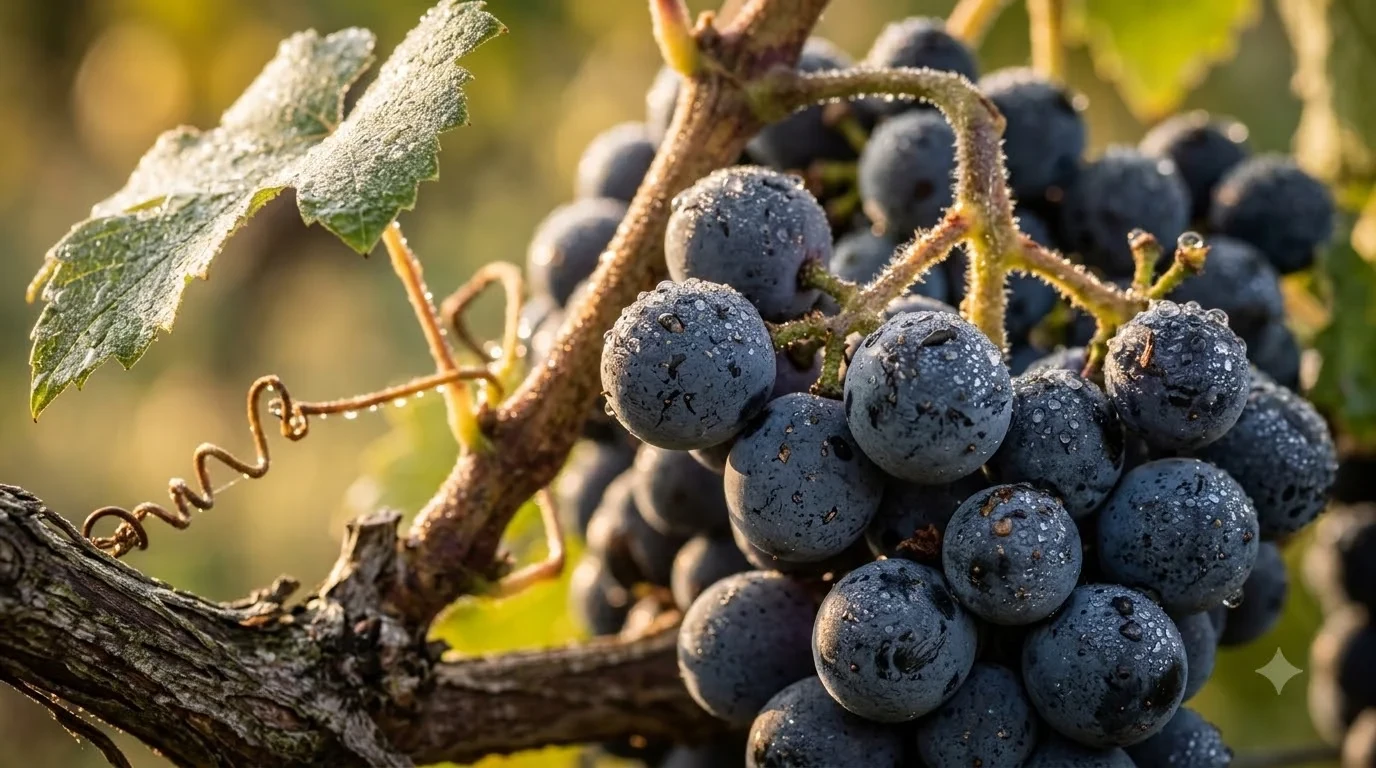
Fredericksburg wine is grown in the Texas Hill Country around the German-founded town of Fredericksburg, about 70 miles north of San Antonio. The vineyards sit inside the Fredericksburg in the Texas Hill Country American Viticultural Area, a bowl-shaped district of about 70,000 acres that was established in 1988. Commercial plantings of European grape varieties have been running since the mid-1970s, and the local wines range from Italian-style reds to Bordeaux-style blends.
This guide explains where Fredericksburg wine comes from, how winemaking developed in the area, which grapes and styles you are likely to meet, and how to enjoy a bottle at home or a day of tasting in town. If you are planning a trip, it pairs well with the local vineyard overview linked below.
Where Fredericksburg wine comes from
Fredericksburg wine sits within the larger Texas Hill Country AVA, which was established in November 1991 as the nation’s 114th AVA and the state’s fourth. The reference page for that AVA lists more than 100 wineries and over 2,000 acres of planted vineyards. The smaller Fredericksburg AVA covers a 110-square-mile area with elevations between 1,500 and 1,900 feet, and its boundaries were set out in 1988. You can read the regional background in the Texas Hill Country AVA reference entry.
Growers in the Hill Country work with a patchwork of soils and microclimates, so two vineyards a short drive apart can produce wines with different character. That variety is part of the appeal. A bottle from one estate can taste noticeably different from a bottle made a few miles away, even when the grape is the same.
A short history of winemaking in the area
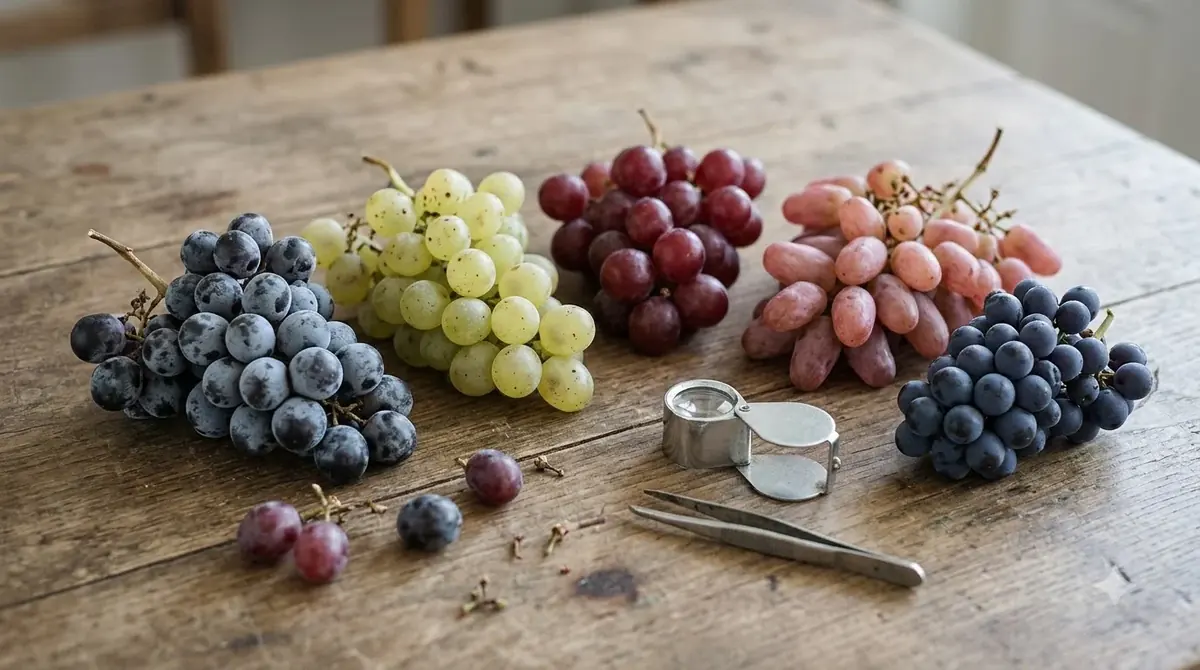
Winemaking here is older than the modern tasting rooms suggest. According to the AVA reference, wine was made in the region on a small scale for the better part of 150 years. German settlers planted vine cuttings at New Braunfels and Castroville, but imported European vines did not thrive, and commercial grape growing was largely abandoned for long stretches. Much of what was produced came from wild grapes, especially the Mustang grape, and from berries.
A commercial winery in Fredericksburg kept operating into the period after World War II, mainly selling wild-grape and berry wines. The modern shift came when growers returned to vinifera varieties. Those European grapes have been grown commercially since the mid-1970s, and the Fall Creek vineyard, established in 1975, is described as the region’s original vineyard. Thomas Volney Munson’s work on native grape rootstocks also belongs in this story, since it helped French growers recover from the phylloxera epidemic that devastated European vineyards.
That history explains why the area feels young and experimental. Many of the vineyards are only a few decades old, and winemakers are still learning which varieties suit the heat, the soils, and the rainfall pattern of the Hill Country.
Grape varieties and wine styles
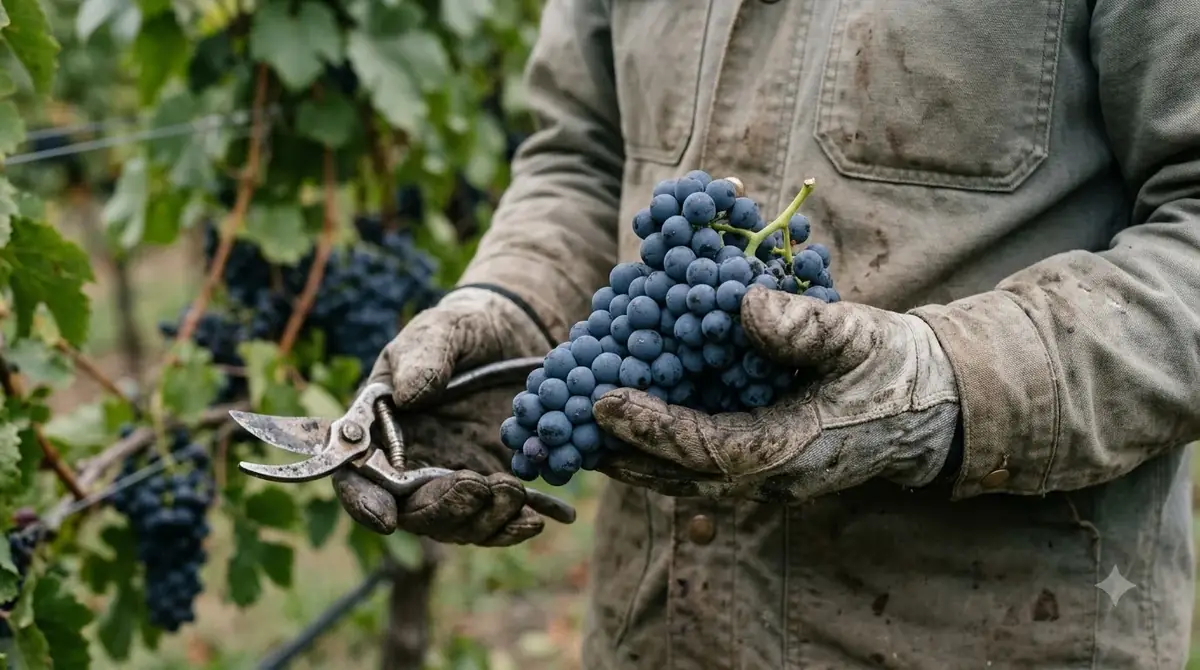
The Hill Country grows dozens of varieties, and the list runs from Spanish and Rhône-style reds to Italian and Bordeaux types. The varieties named most often in regional references include Tempranillo, Mourvèdre, Viognier, Sangiovese, and Cabernet Sauvignon. The region also produces Bordeaux-style blends and Italian-style wines, so a Fredericksburg wine list can feel like a short tour of Europe.
| Variety | Color | Typical style |
|---|---|---|
| Tempranillo | Red | Spanish origin, medium body, cherry and earthy notes |
| Mourvèdre | Red | Dark and structured, often blended with other southern French grapes |
| Sangiovese | Red | Italian origin, bright acidity, red cherry and herbs (see our Italy wine guide) |
| Cabernet Sauvignon | Red | Bordeaux style, firm tannins, dark fruit |
| Viognier | White | Aromatic, with peach and apricot notes and a fuller texture |
Because the list is so varied, a bottle labeled Fredericksburg wine can be anything from a light Italian-style red to a dense Texas blend. Read the variety on the label and check whether the winery describes the wine as dry or off-dry before you buy.
Visiting the wineries
Fredericksburg is a common starting point for visitors touring Hill Country wineries, and many tasting rooms are a short drive from the town center. Plan a full day rather than a single stop. Tasting rooms differ widely, from small family-run operations to larger estates with tours and food, so it helps to choose two or three that match your interests.
Ask each tasting room which wines it makes on site, because some pour wines sourced from other vineyards. Weekends can be busy, so booking ahead or arriving early makes the day easier. If you plan to drive between stops, arrange a designated driver or a ride service and keep the pace relaxed. For a broader view of the local estates, read our guide to Fredericksburg vineyards before you plan your route.
The local visitor bureau, Visit Fredericksburg, describes the Texas Hill Country as home to nearly 100 wineries, vineyards and tasting rooms. It also calls Fredericksburg the Hill Country’s unofficial capital of food and wine, a description it attributes to Wine Spectator. That range means a weekend can pass without repeating a tasting room. Many visitors split the day between a morning of vineyard visits and an afternoon in town, which keeps the pace comfortable and leaves room for a proper lunch. Opening days and hours vary from winery to winery, so check each one before you set out.
How to choose a Fredericksburg bottle
Start with the label. Check the grape, the vintage, and whether the wine is labeled dry or off-dry. If you prefer a lighter red, Sangiovese and Tempranillo are good starting points. For a bolder, tannic bottle, look for Cabernet Sauvignon or a Mourvèdre blend. For a fragrant white with some body, Viognier is the usual choice.
Tasting-room staff are often the best source for local context. Ask which bottles the producer is known for, which wines are made in small batches, and how the wine is meant to age. A young red may need a few years before it settles, while many whites are best within a year or two of the vintage.
How to serve and pair Fredericksburg wine
Serving temperature depends on the style. Whites like Viognier taste best cool rather than ice-cold, which lets the aromas open. Lighter reds such as Tempranillo and Sangiovese show better when slightly cooler than room temperature, while fuller Cabernet-based blends can handle a little more warmth. Giving a young, tannic red some time in a decanter softens its edges.
For food, match intensity with intensity. Smoked brisket, grilled sausage, and other rich barbecue suit a structured red such as Cabernet Sauvignon or a Mourvèdre blend. Viognier works well with lighter poultry and spicy dishes, and a bright Sangiovese pairs with tomato-based dishes and cured meats. A crisp, aromatic white is a practical choice for a relaxed lunch on a warm afternoon.
Frequently Asked Questions
Is Fredericksburg a real wine region?
Yes. Fredericksburg sits inside the Texas Hill Country AVA and has its own smaller AVA within it. The area has a long record of small-scale winemaking, and European varieties have been grown commercially since the mid-1970s.
What grapes grow around Fredericksburg?
Regional references name Tempranillo, Mourvèdre, Viognier, Sangiovese, and Cabernet Sauvignon among the varieties grown in the Hill Country. Each winery chooses its own mix, so the label is the best guide to what is in the bottle.
Are Fredericksburg wines mostly red?
Red wines and blends get much of the attention, but the area also produces whites. Check the winery’s list or the label to see the style before you buy.
How do I visit the wineries without driving?
Many visitors use a guided tour, a rideshare, or a designated driver to move between tasting rooms. Confirm transport options and tasting-room hours before you go, since schedules change.
Fredericksburg wine rewards curiosity. Start with a few tasting rooms, note which varieties you enjoy, and then use the broader guide to wine regions to compare the Hill Country with other growing areas. One small region can hold a surprising range of styles, and a day of tasting is the quickest way to find yours.
More in Wine Regions
 Willcox Wine Trail: Discover Arizona’s High-Elevation Wine CountryUpdated Nov 20, 2026
 Yakima Valley Wine Region: Find the Best Styles to TryUpdated Nov 20, 2026
 Vosne Romanee Wine Tasting: Identify Aromas and Choose Better PairingsUpdated Nov 20, 2026
 Yakima Valley Wine Festival: Find the Best Seasonal Wine EventsUpdated Nov 20, 2026
 Wales Vineyards: Discover Cool-Climate Wines and Where to VisitUpdated Nov 20, 2026
 Yountville Wine Festival: Discover Napa Wines and Local FoodUpdated Nov 20, 2026