

We may earn a commission when you buy through links on this page, at no extra cost to you. Learn more.
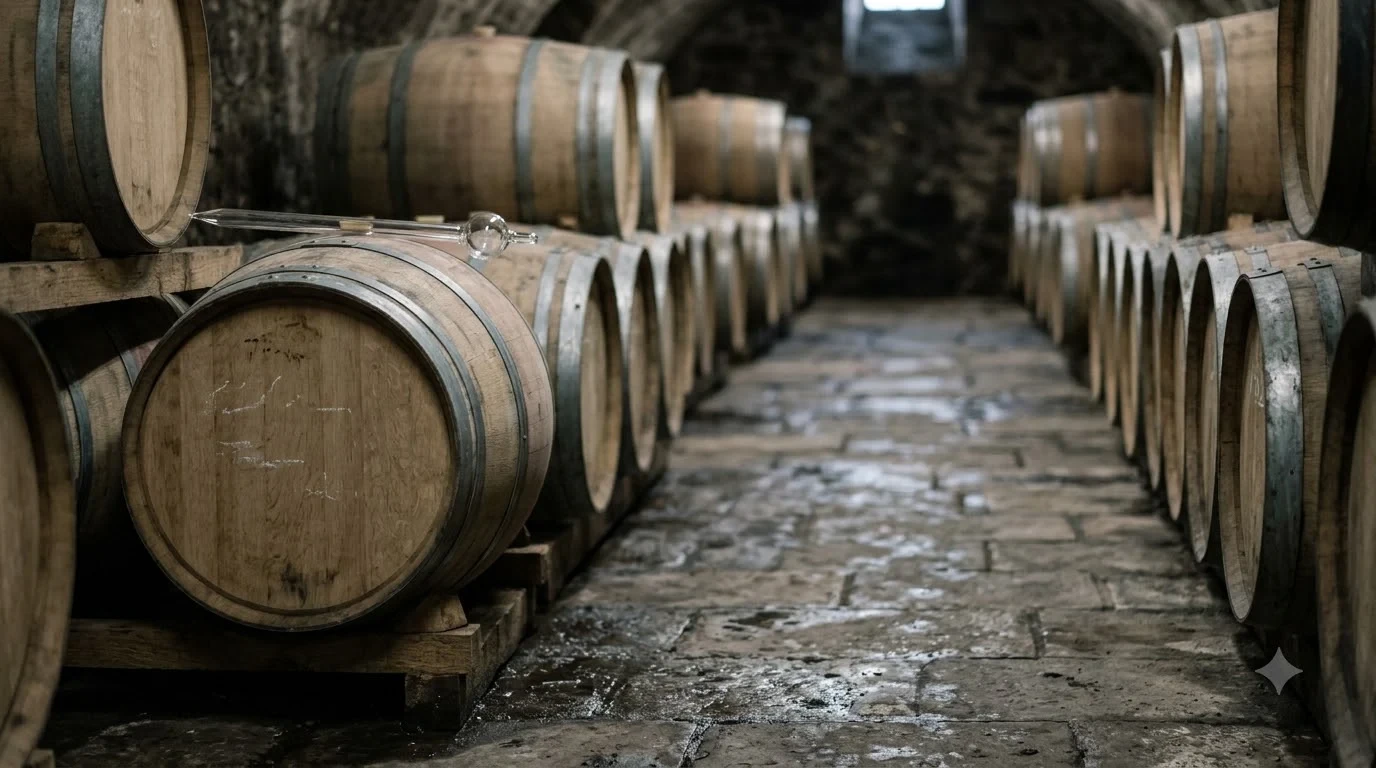
How long does Chateauneuf du Pape last unopened depends on its color and structure, with most red bottles drinking at their best for 10 to 20 years from the vintage date when stored properly. Top red cuvées from strong vintages can hold for 20 to 30 years or longer, while white Châteauneuf-du-Pape generally drinks well for 3 to 10 years. Storing bottles horizontally in a cool, dark place around 55°F keeps the cork moist and prevents premature oxidation.
Because Châteauneuf-du-Pape relies on concentrated fruit, firm tannins, and higher alcohol from sun-drenched Southern Rhône vineyards, it holds up far longer in the cellar than everyday table wine. Still, an unopened bottle is not indestructible—grape composition, vintage weather, and storage temperature determine whether a bottle peaks at eight years or evolves gracefully for three decades.
Unopened Shelf Life by Wine Style and Vintage
Red Châteauneuf-du-Pape typically lasts 10 to 20 years unopened, whereas white Châteauneuf-du-Pape usually peaks within 3 to 10 years. Top-tier red cuvées from celebrated vintages can cellar past 25 years, while lighter, fruit-forward styles are best opened within their first decade.
The wide aging range comes down to how producers blend the appellation’s permitted grape varieties. According to Wine Folly, red Châteauneuf-du-Pape wines typically age 10 to 20 years depending on producer, vintage, and style, while white bottlings age up to about 10 years. Blends dominated by thin-skinned Grenache deliver lush red berry fruit early and soften sooner, whereas cuvées with higher shares of thick-skinned Mourvèdre and Syrah pack dense tannins that need extra years to unwind.
Vintage weather shifts those timelines noticeably across the broader landscape of different wine types. Cool or rainy growing seasons produce lighter-bodied reds with softer tannins that peak between 5 and 10 years after harvest. Warm, dry years with cool nights—such as 2010, 2016, and 2019—yield concentrated fruit and firm tannic backbones capable of aging 20 to 30 years or more in a temperature-controlled cellar.
| Châteauneuf-du-Pape Style | Typical Unopened Lifespan | Peak Drinking Window | Primary Aging Drivers |
|---|---|---|---|
| Fruit-Forward Red (Grenache-Dominant) | 8 to 15 years | 4 to 12 years from vintage | Ripe red fruit, moderate tannin, softer structure |
| Structured Red (High Mourvèdre / Syrah) | 15 to 30+ years | 10 to 25 years from vintage | Dense tannins, dark fruit concentration, stem inclusion |
| Fresh White (Grenache Blanc / Clairette) | 3 to 7 years | 1 to 5 years from vintage | Crisp acidity, floral aromatics, stainless steel aging |
| Rich White (Roussanne-Dominant / Oaked) | 7 to 12+ years | 4 to 10 years from vintage | Phenolic weight, oak aging, honeyed complexity |
What Gives Châteauneuf-du-Pape Its Longevity
The appellation’s aging power stems from low-yielding old vines, warm Mediterranean sunshine, and a multi-grape blending tradition that layers natural preservatives like tannins, acidity, and alcohol. Together, these traits protect the wine against oxidation while allowing complex tertiary aromas to develop slowly in the bottle.
In the Southern Rhône Valley, vineyards blanket rolling plateaus covered in large, rounded quartzite stones called galets roulés. These stones absorb daytime heat and radiate it back to the vines at night, pushing grapes to full ripeness and elevating natural sugar levels. Once fermented, that ripeness translates into generous alcohol—often around 14.5% to 15.5% ABV—which acts as a natural stabilizer alongside polyphenolic compounds extracted from grape skins and stems.
Winemaking choices also play a major role in how long an unopened bottle endures. Producers who include whole clusters with stems during fermentation extract extra structural tannins that extend cellar life, while partial or full destemming yields a softer, earlier-drinking red. Aging the wine in large, neutral oak foudres—a signature practice at historic estates like Château de Beaucastel—allows slow micro-oxygenation before bottling without overwhelming the fruit with heavy wood tannins.
For collectors comparing cellar candidates across regions, Châteauneuf-du-Pape ages differently than Bordeaux-style reds. If you track how long Cabernet Sauvignon lasts unopened, you will notice Cabernet relies heavily on high natural acidity and rigid skin tannins, whereas Châteauneuf-du-Pape balances its lower acidity with plush glycerol weight, spice, and alcohol warmth.
Evolution Stages: What Happens Inside the Bottle Over Time
As an unopened bottle ages, Châteauneuf-du-Pape moves through four distinct phases—youth, a closed period, maturity, and eventual decline. Opening the wine during maturity rewards patience with savory layers of leather, truffle, and dried Provençal herbs.
Reviewers at Wine Scholar Guild note that most reds from this terroir age for eight years or more, taking on beguiling complexity between 12 and 20 years while great wines from top vintages can last over 50 years. Understanding these stages helps you decide whether to pop the cork tonight or leave the bottle resting on its side.
- Youth (0 to 5 years): Bursting with primary flavors of crushed raspberry, blackberry, kirsch, and cracked black pepper. Tannins feel grippy and alcohol warmth can stand out on the finish.
- Closed Phase (5 to 10 years): Some structured cuvées temporarily pull inward, muting their bright fruit while tannins and acidity knit together.
- Maturity (10 to 20 years): Tannins turn silky and integrated, revealing tertiary notes of leather, forest floor, black olive tapenade, cocoa, and garrigue herbs.
- Late Peak and Decline (20 to 30+ years): The finest vintages hold a harmonious balance of dried fig, spice, and mineral length before fruit eventually fades into thin, brick-colored acidity.
How Storage Conditions Affect Shelf Life
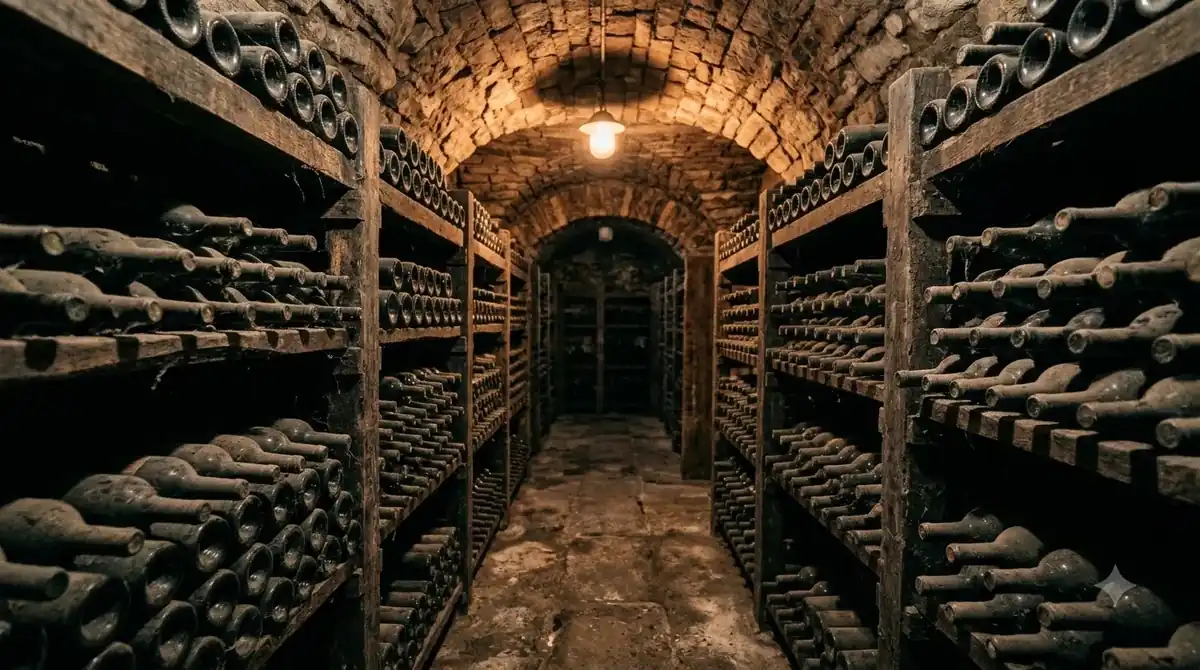
Even the most age-worthy Châteauneuf-du-Pape can spoil within two or three years if stored upright in a warm kitchen or sunlit dining room. Proper cellar conditions—cool temperature, steady humidity, darkness, and horizontal positioning—are essential for reaching the wine’s full potential.
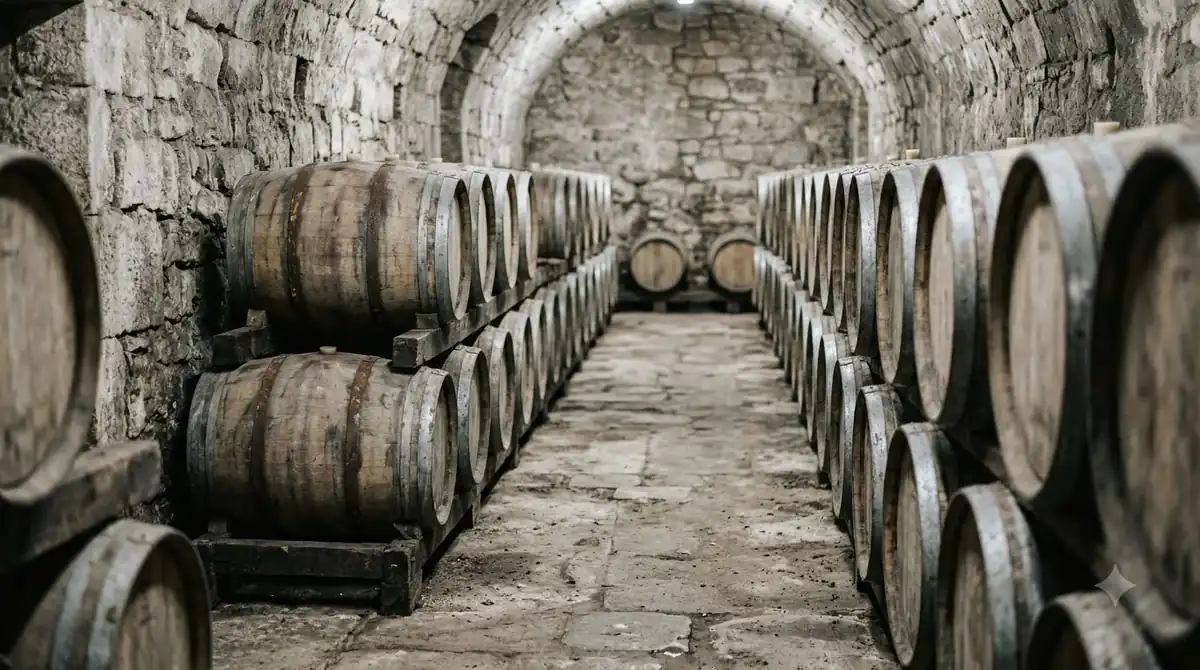
Heat is the single fastest enemy of unopened wine. Storing bottles consistently above 70°F accelerates chemical reactions, cooking the vibrant red fruit into flat, stewed flavors and forcing wine past the cork as liquid expands. Aim for a steady storage temperature between 54°F and 57°F (12°C to 14°C), avoiding seasonal swings like uninsulated garages or attics.
Humidity and bottle orientation protect the seal itself. Keeping bottles on their sides keeps the natural cork wet against the wine; if stored upright for years, the cork dries out, shrinks, and lets oxygen seep inside. Relative humidity around 70% to 80% prevents cork shrinkage from the outside while keeping labels intact, and storing bottles away from direct sunlight and appliance vibrations ensures sediment settles undisturbed.
Packaging format matters just as much as climate control when comparing wine longevity. Unlike traditional glass bottles sealed with natural cork, alternative formats oxidize much faster—a contrast that becomes clear when checking how long boxed wine lasts unopened, where permeable plastic bladders limit shelf life to a matter of months rather than decades.
Tip: If you do not own a wine fridge, store unopened Châteauneuf-du-Pape on its side on the lowest shelf of a dark interior closet away from heating vents and exterior walls.
How to Tell If an Old Bottle Has Gone Bad
Because unopened Châteauneuf-du-Pape carries no expiration date, visual inspection of the bottle and cork before pouring offers the clearest clues to its condition. Once poured, aroma and taste confirm whether the bottle aged gracefully or spoiled in storage.
Start by examining the capsule and cork level while the bottle stands upright. A cork pushing upward against the foil capsule—or sticky dried wine residue beneath the foil—signals heat damage or past seepage. Check the fill level in the neck as well; while bottles over 15 years old naturally show slight evaporation down to the top of the shoulder, a level dropping into the mid-shoulder suggests excessive oxygen exposure.
When you pull the cork and pour a glass, watch for color and aroma cues. Mature red Châteauneuf-du-Pape shifts from deep ruby to garnet with a brick-orange rim, which is completely normal. However, a murky brown hue paired with sharp smells of vinegar, nail polish remover, wet cardboard, or stewed prunes indicates oxidation or cork taint, meaning the wine is past its prime.
Serving and Decanting Aged vs. Young Bottles
Serving temperature and aeration change dramatically depending on how long your unopened bottle rested in the cellar. Young bottles crave oxygen and slightly cool serving temperatures, while decades-old bottles require gentle handling to preserve delicate aromatics.
Serve both young and mature red Châteauneuf-du-Pape slightly below room temperature at 60°F to 65°F (16°C to 18°C). Chilling the bottle for 20 to 30 minutes in the refrigerator before serving keeps the wine’s generous alcohol fresh and balanced rather than hot on the palate. White Châteauneuf-du-Pape shows best slightly cooler, around 54°F to 57°F (12°C to 14°C), so its rich texture and floral aromatics stay vibrant.
Decanting strategy depends entirely on bottle age. For a red bottle under seven years old, splashing it into a wide decanter for one to two hours softens firm tannins and opens up tightly wound fruit. For bottles 15 years or older, stand the bottle upright for 24 hours so fine sediment settles to the bottom, then decant slowly over a light source just 15 to 30 minutes before dinner solely to separate the clear wine from the sediment.
Frequently Asked Questions
Does unopened Châteauneuf-du-Pape expire?
Unopened Châteauneuf-du-Pape does not expire in a way that makes it unsafe, but it will eventually pass its peak drinking window and lose its fruit character. Most red bottles taste best between 10 and 20 years after harvest, after which flavors gradually fade into thin acidity and dried-out tannins.
Can you drink Châteauneuf-du-Pape right away without aging it?
Yes, many Grenache-dominant Châteauneuf-du-Pape reds are approachable upon release, especially when paired with rich, savory dishes. Decanting a young bottle for one to two hours helps smooth out firm tannins and brings forward bright berry and spice aromas.
How long does white Châteauneuf-du-Pape last unopened?
White Châteauneuf-du-Pape typically lasts 3 to 10 years unopened depending on the grape blend and oak aging. Crisp, stainless-steel bottlings based on Grenache Blanc and Clairette shine within 3 to 5 years, while richer, barrel-aged Roussanne cuvées can evolve into honeyed, nutty complexity over 7 to 12 years.
What happens if I store Châteauneuf-du-Pape standing up for years?
Keeping a cork-finished bottle upright for years allows the natural cork to dry out and lose elasticity. Once the cork shrinks, air seeps into the bottle, oxidizing the wine prematurely and turning vibrant fruit into flat, vinegar-like flavors.
Knowing how long Châteauneuf-du-Pape lasts unopened lets you match each bottle in your collection to the right moment at the table. Give structured reds a decade in cool, dark storage to trade youthful power for silky spice, and open vibrant whites or fruit-forward vintages earlier while their freshness shines.
More in Wine Types & Grapes
 Zinfandel Sugar Content: Dry Red vs. White Zinfandel GramsUpdated Nov 21, 2026
 Best Zinfandel Substitute Options for Sipping and CookingUpdated Nov 21, 2026
 Zweigelt Food Pairing: Best Dishes, Cheeses, and Serving TipsUpdated Nov 21, 2026
 Zinfandel Tannins Explained: How Structure Shapes Every BottleUpdated Nov 21, 2026
 Zinfandel Sweetness Level: Dry Red vs. Sweet White Zin ExplainedUpdated Nov 21, 2026
 Xinomavro Food Pairing: Best Dishes, Styles, and Serving TipsUpdated Nov 21, 2026