

We may earn a commission when you buy through links on this page, at no extra cost to you. Learn more.
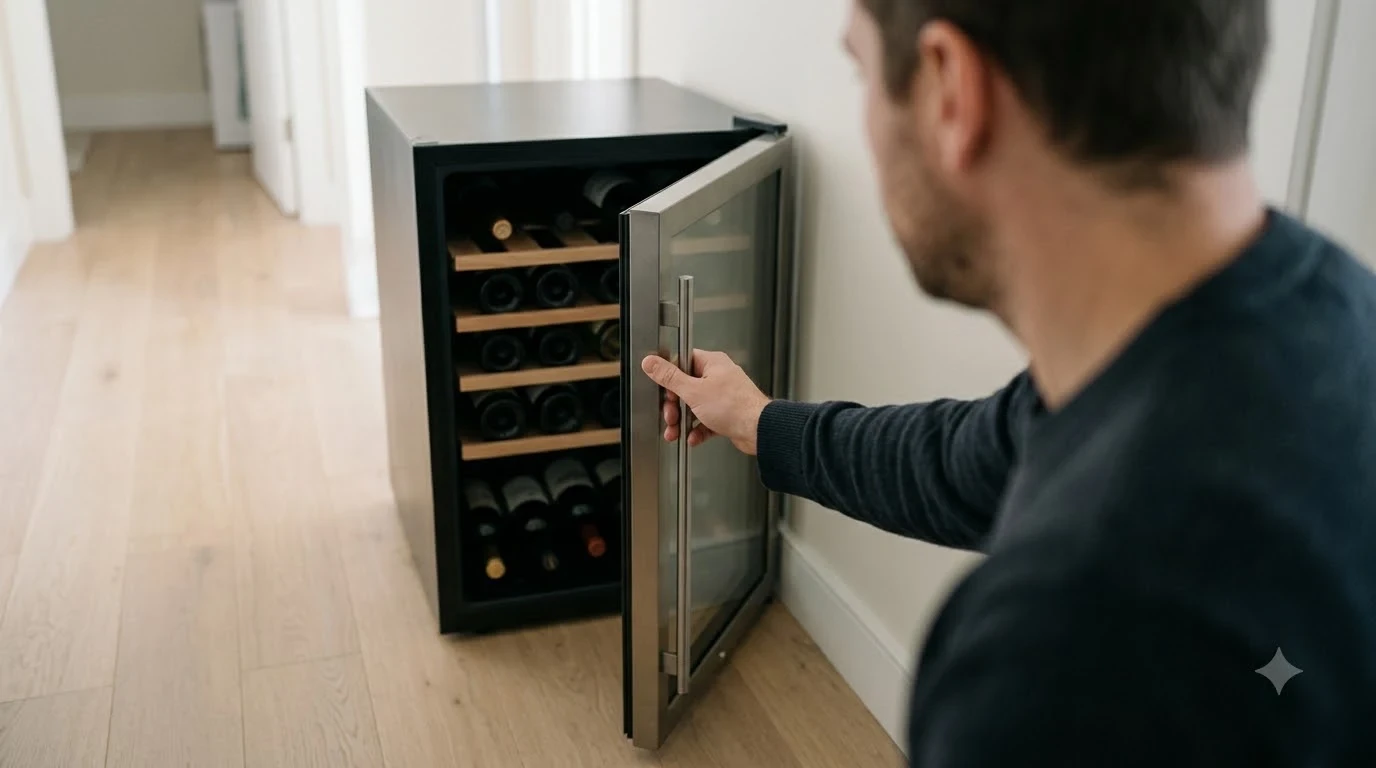
Effective wine enthusiast wine fridge repair starts by identifying whether your unit uses a thermoelectric Peltier module or a refrigerant compressor, then clearing airflow blockages, cleaning condenser coils, or inspecting the door gasket before replacing internal electronics. Most cooling failures stem from restricted rear ventilation, ambient room temperatures exceeding manufacturer limits, or a worn magnetic seal rather than a dead cooling core. While homeowners can safely handle power resets, coil vacuuming, and gasket conditioning, sealed refrigerant leaks and failed control boards require a certified refrigeration technician.
When a wine cellar cabinet begins warming up, sweating, or humming louder than usual, acting quickly protects your bottles from premature oxidation and heat damage. Understanding how these specialized appliances regulate climate makes troubleshooting straightforward and helps you decide between a simple maintenance fix and a professional service call.
Compressor vs. Thermoelectric Cooling Systems
Wine Enthusiast manufactures both thermoelectric and compressor-driven wine coolers, and each technology fails in distinct ways that dictate your diagnostic steps. Identifying the cooling architecture behind your cabinet prevents wasted effort on components your model does not even contain.
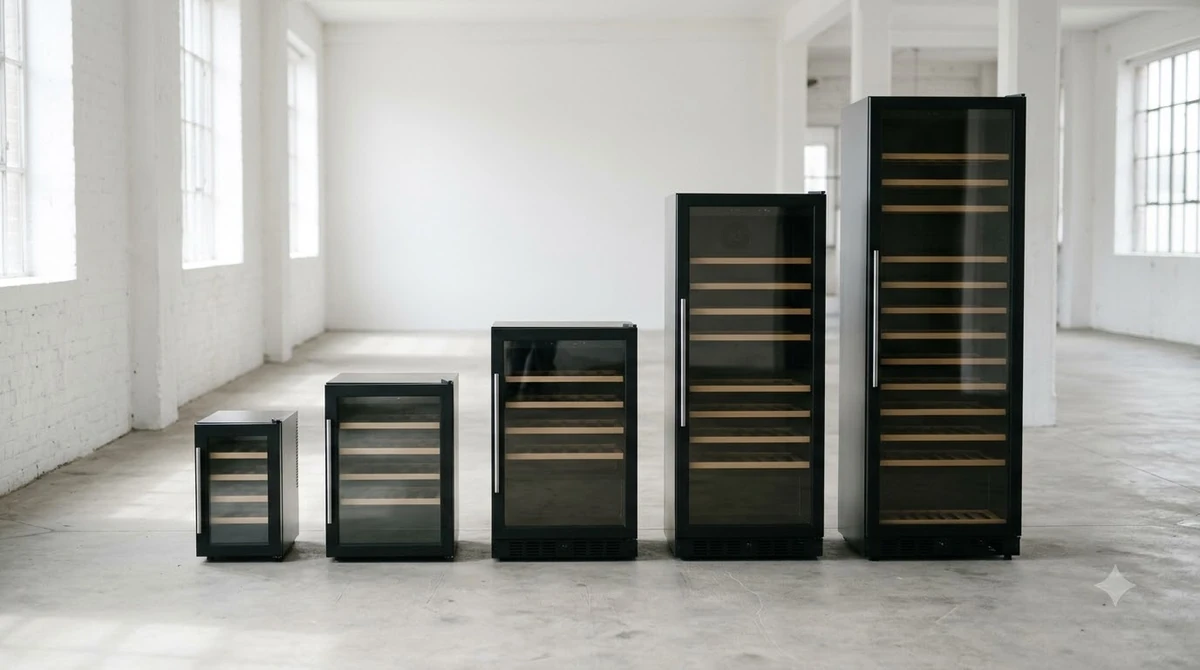
According to Wine Enthusiast’s cooling system breakdown, thermoelectric models rely on a solid-state Peltier module and small internal fans to transfer heat out of the cabinet without moving refrigerant. Because they lack heavy mechanical compressors, they operate quietly and without vibration, making them popular for smaller countertop or living-area collections. However, thermoelectric coolers depend heavily on surrounding room temperatures and typically struggle to hold cellar conditions once ambient air rises above 75°F to 80°F.
Compressor-based wine cellars operate much like a specialized kitchen refrigerator, circulating chemical refrigerant through evaporator and condenser coils via a motorized pump. These units easily handle larger bottle capacities, dual-zone temperature splits, and warmer household environments. When a compressor cooler loses its chill, the culprit usually involves dust-choked condenser coils, a stalled condenser fan, a faulty start relay, or a sealed-system refrigerant leak rather than ambient heat overload.
To check which system you own, unplug the unit and inspect the rear lower service panel. A thermoelectric cooler displays an aluminum heat sink paired with one or two computer-style cooling fans, whereas a compressor unit features a black cylindrical motor housing, copper tubing, and a metal condenser grid.
Diagnosing Common Wine Cooler Symptoms
Matching your cabinet’s visible or audible symptoms to the underlying mechanical cause narrows down the repair path within minutes. Reviewing the symptom matrix below helps separate harmless operating quirks from genuine hardware faults.
| Observed Symptom | Probable Cause | First Diagnostic Action | Repair Level |
|---|---|---|---|
| Cabinet runs constantly but stays warm | Dirty condenser coils, high room heat, or failing Peltier/compressor | Check ambient room temperature and vacuum rear coils | DIY / Pro |
| Display is completely dark or unresponsive | Tripped circuit breaker, loose plug, or blown main PCB | Test the wall outlet with another device and inspect the cord | DIY / Pro |
| Condensation or frost on glass and interior walls | Torn door gasket, unlevel cabinet, or frequent door openings | Inspect the magnetic door seal and check cabinet level | DIY |
| Loud rattling, grinding, or clicking noises | Unlevel feet, loose fan blade, or failing compressor relay | Adjust front leveling legs and listen near the rear fan | DIY / Pro |
| Water pooling on the floor beneath the unit | Clogged condensate drain channel or melting frost buildup | Unplug, defrost completely, and clear the rear drain hole | DIY |
Temperature swings of more than a few degrees often point toward sensor drift or restricted internal circulation rather than complete cooling death. Overpacking bottles tightly against the rear evaporator plate blocks cold air from reaching the thermistor, tricking the thermostat into shutting down early or running non-stop. Before assuming a part has burned out, verify the digital readout against a standalone liquid-filled or digital thermometer placed inside a glass of water on the middle shelf.
Audible clues also tell a clear story during troubleshooting. Normal compressor models produce a gentle low hum alongside occasional soft gurgling as refrigerant moves through the lines, plus a faint click when the thermostat cycles. Sharp metallic clicking every few minutes usually indicates a compressor struggling to start against high head pressure or a worn overload relay, while high-pitched whining points directly to dry bearings inside a cooling fan.
Step-by-Step DIY Troubleshooting Checklist
Before scheduling a service visit, working through basic external and maintenance checks resolves a large share of cooling complaints safely. Always disconnect the power cord from the wall outlet before removing rear grilles or wiping down electrical areas.
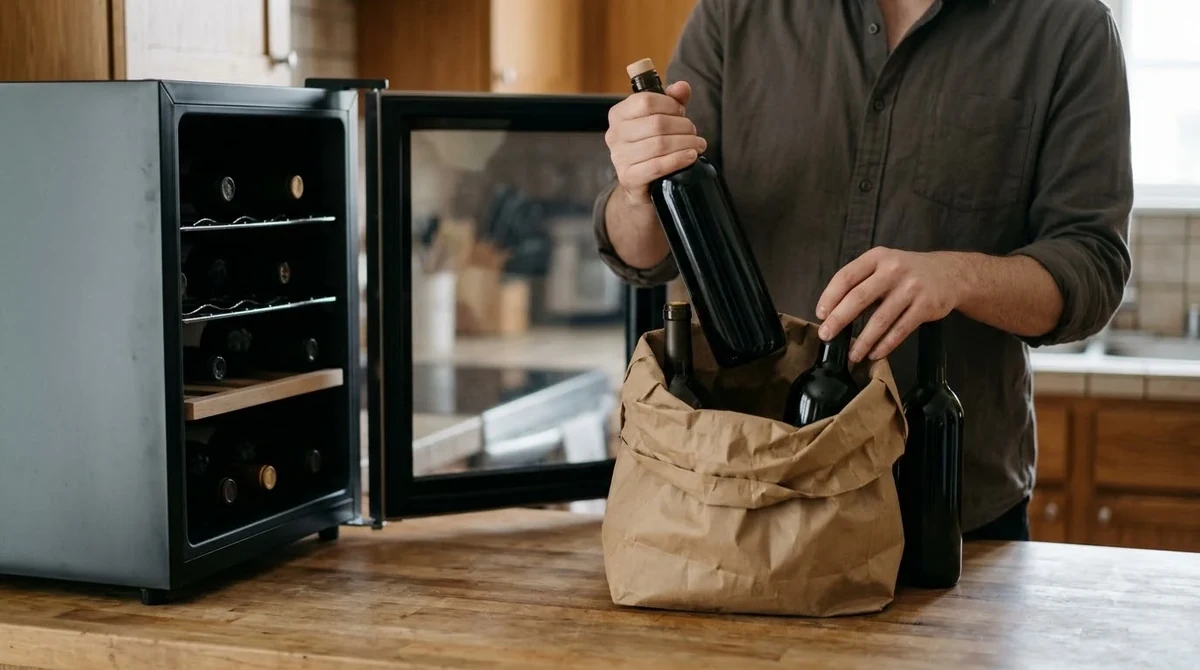
Start with power verification and a hard electronic reset. Confirm the plug sits firmly in a grounded outlet without an extension cord, and check your home’s electrical panel for a tripped breaker. Unplugging the wine fridge for five to ten minutes clears minor logic glitches on the digital control board; after a thunderstorm or power outage, waiting three to five minutes before reconnecting protects the compressor from pressure lock.
Next, restore proper airflow and clean the heat-exchange surfaces. Freestanding cabinets typically require two to three inches of open clearance on the sides and rear so heat can dissipate efficiently, whereas built-in models vent through the front toe-kick grille. Use a soft brush attachment on a vacuum cleaner to clear lint and pet hair from the condenser coils or thermoelectric heat sinks, as appliance repair specialists at 911 Appliance EMT recommend doing every six to twelve months.
Finally, inspect and condition the rubber door gasket along all four edges. Close the door on a crisp dollar bill at several points around the perimeter; if the bill slides out without resistance, warm humid air is leaking inside. Wipe the gasket with warm water and mild baking soda, check that no oversized Champagne or Pinot Noir bottles prevent the door from latching flush, and apply a light film of petroleum jelly along the hinge side to keep the rubber supple.
Tip: Whenever you move or lay a compressor wine cooler on its side during troubleshooting, stand it upright for at least 24 hours before plugging it back in so compressor oil can drain back out of the refrigerant lines.
Replacing Accessible Parts Safely
Several wear-and-tear components on Wine Enthusiast cabinets are modular enough for handy owners to swap using basic screwdrivers. Ordering exact OEM parts using the model and serial tag located inside the upper cabinet wall ensures proper fit and electrical ratings.
Door gaskets and interior LED light strips rank among the easiest replacements. Most magnetic gaskets press directly into a recessed channel along the inner door liner, allowing you to peel out a cracked seal and push a softened replacement into place. Similarly, burnt-out interior bulbs or LED modules typically sit behind a snap-off lens cover near the ceiling and disconnect via a simple twist socket or plastic clip.
Cooling fans and thermistors require slightly more care but remain accessible on many freestanding models. On thermoelectric units, the rear heat-sink fan mounts with four corner screws and plugs into the main circuit board with a two- or three-pin connector. If a fan spins sluggishly or refuses to turn when spun gently by hand, swapping the fan assembly often restores full cooling capacity without touching the Peltier wafer itself.
Avoid attempting repairs on damaged power cords or sealed copper refrigerant lines. Manufacturer safety guidelines note that permanently attached supply cords cannot be safely spliced by homeowners, and puncturing a refrigerant line releases pressurized chemical coolants while ruining the compressor.
When to Call a Certified Technician vs. Replacing the Unit
Knowing where DIY maintenance ends saves both money and valuable wine when major internal hardware fails. Certain symptoms signal deep electrical or sealed-system trouble that requires specialized diagnostic meters and EPA-certified refrigerant handling.
Contact a qualified appliance technician if the compressor runs hot without cooling the interior, if you spot oily residue near copper joints, or if the circuit breaker trips immediately upon plugging the unit in. These signs point toward a refrigerant leak, a seized compressor motor, or a shorted printed circuit board. Built-in undercounter cabinets and large multi-zone wine cellars are almost always worth repairing professionally, much like the high-end built-in diagnostics covered in our guide on sub zero wine fridge repair.
For compact countertop thermoelectric coolers that are more than five years old, weigh the service call and part expense against replacement value. When a Peltier module and control board fail simultaneously on an entry-level freestanding unit, buying a new cooler often makes more practical sense than paying for bench labor. While your cabinet is out of commission, move prized bottles to a cool, dark basement or closet away from kitchen appliances, and consider preserving already-opened bottles using a wine preservation system—you can read how does coravin work to keep partial bottles fresh until cellar temperatures stabilize.
Preventive Maintenance to Extend Cooler Lifespan
Consistent upkeep prevents the vast majority of sudden cooling breakdowns and keeps temperature and humidity steady year-round. A few minutes of quarterly care dramatically reduces strain on fans, relays, and seals.
Wipe down the interior shelves and walls every few months using a mild solution of three to four tablespoons of baking soda dissolved in two cups of warm water, avoiding harsh chemical cleaners that can taint corks or degrade plastic liners. Clean the door gasket on the same schedule so sticky wine drips do not glue the rubber to the frame and tear it when opened. For broader advice across different cellar brands and cabinet styles, explore our hub on Brand Troubleshooting.
Monitor room placement and seasonal temperature shifts closely. Keep freestanding coolers away from direct sunlight, ovens, dishwashers, and heating vents, and use the adjustable leveling legs with a bubble level so the door swings shut under its own weight and condensate drains cleanly toward the rear evaporation tray.
Frequently Asked Questions
Why is my Wine Enthusiast wine fridge running but not cooling?
A wine fridge that runs without cooling usually suffers from dust-clogged condenser coils, restricted rear ventilation, or an ambient room temperature above the unit’s operating range. On thermoelectric models, room temperatures above 75°F to 80°F prevent the Peltier module from shedding heat effectively. If coils are clean and room temperatures are normal, the cooling fan, Peltier chip, or compressor start relay likely needs replacement.
How do I reset my Wine Enthusiast wine cooler?
To perform a hard reset, unplug the wine cooler from the wall outlet or switch off its dedicated circuit breaker for five to ten minutes. This discharges the capacitors on the main control board and clears temporary sensor or display errors. Plug the unit back in directly into a grounded wall outlet and allow 24 hours for interior temperatures to stabilize.
Why is water leaking or frost building up inside my wine fridge?
Excess frost and water puddles happen when warm, humid room air enters the cabinet through a torn, dirty, or misaligned door gasket, or when the cabinet is not level. As heavy condensation freezes on the cooling plate and later melts, overflow can overwhelm the rear drain channel. Unplug the unit to defrost it completely, clear any debris from the drain hole, and clean or replace the door seal.
Can I repair a thermoelectric wine cooler myself?
Homeowners can safely handle routine repairs on thermoelectric units, including vacuuming rear heat sinks, replacing magnetic door gaskets, swapping interior LED lights, and installing a new rear cooling fan. However, diagnosing burnt printed circuit boards or replacing soldered Peltier modules requires electronics testing tools and careful thermal paste application, making professional service or unit replacement safer for major internal faults.
Regular coil cleaning, proper ventilation clearance, and timely gasket care keep most Wine Enthusiast cabinets running quietly for years. By working systematically from simple power and airflow checks to targeted component swaps, you can safeguard your collection from heat spikes and know exactly when to call in a refrigeration specialist.
More in Storage & Fridge Care
 How Long Can You Store Wine in a Wine Fridge? Protect Bottle QualityUpdated Nov 20, 2026
 Can You Store Beer in a Wine Fridge? Keep Both Drinks FreshUpdated Nov 20, 2026
 Is It Worth Repairing a Wine Fridge? Spot the Cheap Fixes Before You ReplaceUpdated Nov 20, 2026
 Wine Fridge Condensation: Identify Causes and Fix Moisture ProblemsUpdated Nov 20, 2026
 Wine Fridge Too Cold: Protect Your Wine and Fix the TemperatureUpdated Nov 20, 2026
 How to Reset Wine Fridge: Restore Cooling and SettingsUpdated Nov 20, 2026